search
search
add New trip
Tunisia

Tunisia

TN calendar_monthMar–May, Sep–Novbest time schedule10 daysplan for child_careYeswith kids confirmation_numberMid-rangeprice flagTuniscapital DINTunisian Dinarcurrency translateArabiclanguage
TunisiaYour own route Plan a trip here →

Tunisia is a captivating blend of Mediterranean charm and rich history, making it a unique destination for travelers. From the bustling markets of Tunis to the serene beaches of the coast, the country offers a diverse range of experiences that cater to all types of visitors.

In pictures

The archeological site of Baths of Antoninus in Carthage
La Kasbah Square in Tunis
Amphitheatre of El Jem, the biggest in the world outside of Rome
Hammamet, Nabeul Governorate
Sousse
Sousse
Snowfall in Tabarka
Snowfall in Tabarka
Forest near Aïn Draham
International Festival of the Sahara

Sightseeing

Medina of Tunis: a UNESCO World Heritage site with narrow streets and vibrant souks
Carthage: ancient ruins that tell the story of a powerful civilization
Sidi Bou Said: a picturesque coastal village known for its blue and white architecture
El Jem Amphitheater: one of the best-preserved Roman ruins in the world
Kairouan: a holy city with stunning mosques and rich Islamic heritage
Bardo National Museum: home to an impressive collection of Roman mosaics
Chott el Jerid: a vast salt flat offering surreal landscapes
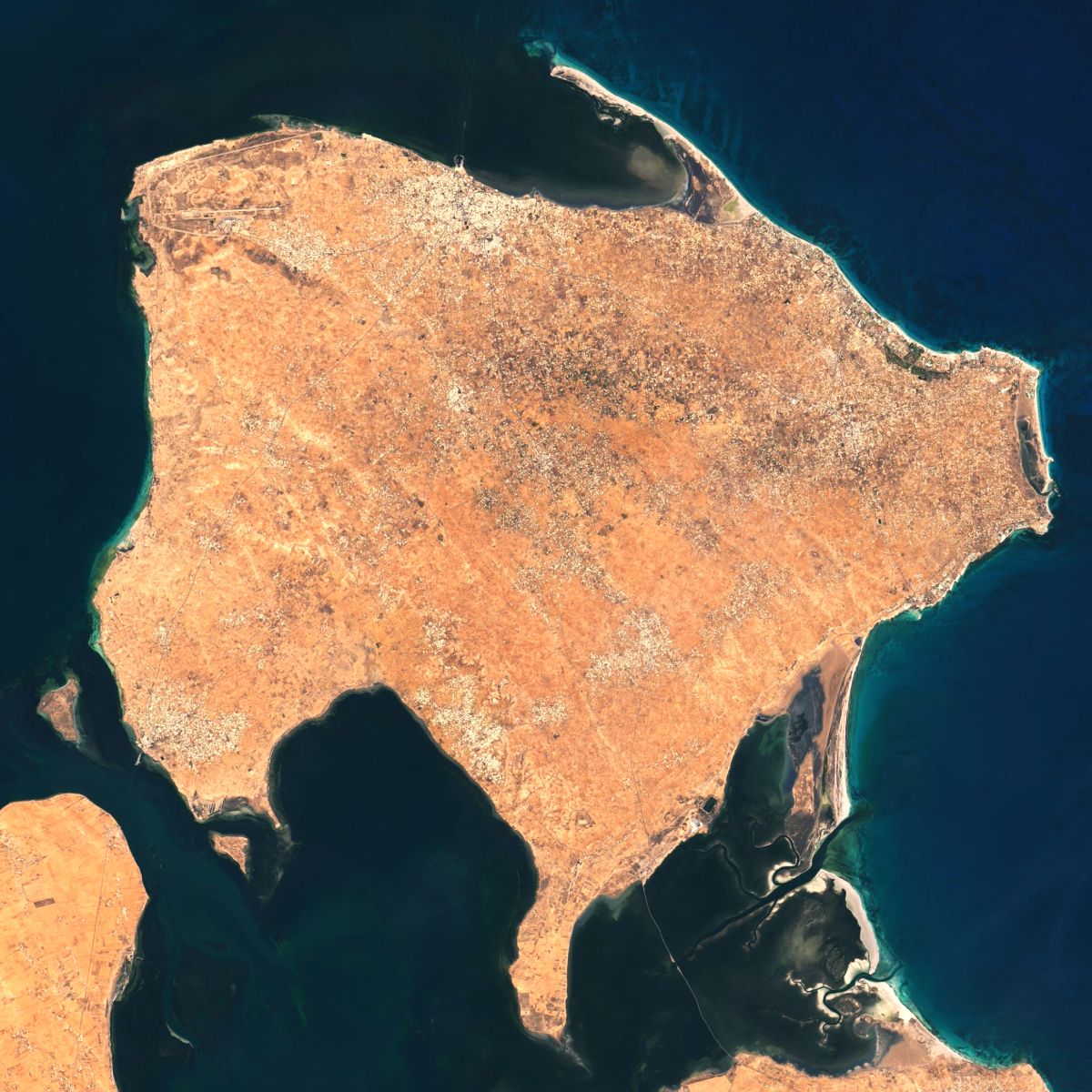
Djerba: an island known for its beautiful beaches and unique culture

"Discover the heart of the Mediterranean"Tunisia

Things to do

Explore the souks: immerse yourself in local culture and shop for handicrafts
Visit the Sahara: experience a desert adventure with camel trekking
Relax on the beach: enjoy the Mediterranean sun at popular resorts
Discover ancient ruins: delve into Tunisia's rich history at archaeological sites
Taste local cuisine: indulge in traditional dishes at local restaurants
Attend a festival: experience local culture through music and dance events
Local food and drinks - Tunisia

Local food and drinks

Couscous: a staple dish made from semolina, often served with meat or vegetables, try it in local restaurants
Brik: a fried pastry filled with egg and tuna, best enjoyed as a street snack
Harissa: a spicy chili paste, commonly used in Tunisian dishes, available in markets
Tunisian mint tea: a refreshing drink served in cafes, perfect for socializing
Mechouia salad: a grilled vegetable salad, ideal for a light meal
Baklava: a sweet pastry made with nuts and honey, found in bakeries
Local traditions - Tunisia

Local traditions

Midsummer Festival: a celebration of music and arts held in various cities
Ramadan: a month of fasting, with special evening meals and festivities
Wedding customs: elaborate celebrations often lasting several days
Henna ceremonies: traditional body art applied during special occasions
Olive oil production: a significant part of local culture, with many families producing their own

Do's and don'ts

Try to learn a few basic Arabic phrases to connect with locals
Respect local customs and traditions, especially in rural areas
Sample street food for an authentic culinary experience
Visit local markets to support artisans and small businesses
Engage with locals to gain insights into their culture
Don't take photos of people without permission, especially women
Don't discuss politics or religion unless invited to do so
Don't assume everyone speaks English; be patient with language barriers
Don't wear revealing clothing in conservative areas
Don't rush through your visits; take time to appreciate the culture
Explore the heart of Tunisian culture

Explore the heart of Tunisian culture

The Kasbah of Tunis is a lively area filled with narrow streets and traditional architecture. Here, you can wander through the bustling souks, where vendors sell spices, textiles, and handcrafted goods. Take a moment to sip mint tea at a local café while watching the world go by. Be prepared for haggling at the markets, as it is part of the experience. The atmosphere can be overwhelming at times, especially during peak tourist seasons, so visiting early in the morning can provide a more relaxed experience.

Step back in time at this ancient amphitheater

Step back in time at this ancient amphitheater

The El Jem Amphitheater is one of the best-preserved Roman ruins in North Africa. Standing in this massive structure, you can almost hear the echoes of ancient gladiators. Guided tours are available, but exploring on your own allows for a more personal connection to the site. The surrounding area has limited amenities, so bring water and snacks. The best time to visit is during the cooler months, as summer can be quite hot, making it uncomfortable to walk around.

Relax on Hammamet's sandy beaches

Relax on Hammamet's sandy beaches

Hammamet is known for its beautiful beaches and clear waters. The soft sand is perfect for sunbathing, and the Mediterranean is inviting for a swim. You can find a range of beachside cafes offering fresh seafood and local dishes like brik, a pastry filled with egg and tuna. While the beach scene can get crowded in the summer, visiting in the shoulder seasons of spring or fall offers a more peaceful experience. Be mindful of local customs, especially when it comes to dress codes in public areas.
info_outlinePracticalexpand_more
Population: 11.800.000
Best time: April to June, September to November

About Tunisia

While the major cities are well-equipped for tourists, some rural areas may lack infrastructure. It's essential to plan your itinerary carefully and be prepared for occasional language barriers, as English is not widely spoken outside tourist hotspots.

Basic information

Capital: Tunis
Language: Arabic
Currency: Tunisian Dinar
Best time to visit: April to June, September to November

Travel information

Fly into Tunis-Carthage International Airport for international access. Use taxis or ride-sharing apps for city transport, but negotiate fares in advance to avoid surprises. Public transport is available, but may be less reliable in rural areas, particularly in the off-season. Credit cards are accepted in major cities, but cash is preferred in markets, where you might find a local dish like brik for a few dinars. Mobile connectivity is generally good, with various local SIM options available, including packages for tourists.

Things to know

Be cautious of pickpockets in crowded areas, especially in markets like the Medina in Tunis.
Respect local customs, particularly during Ramadan when eating in public is frowned upon.
Some attractions may have limited hours or be closed on holidays, especially during Eid celebrations.
Bargaining is common in markets, so don't hesitate to negotiate prices.
Dress modestly, especially when visiting religious sites like the Great Mosque of Kairouan.

Good to know

Accessibility: Major cities are generally accessible, but rural areas may pose challenges.
Price level: mid-range
history_eduHistoryexpand_more
History - Tunisia

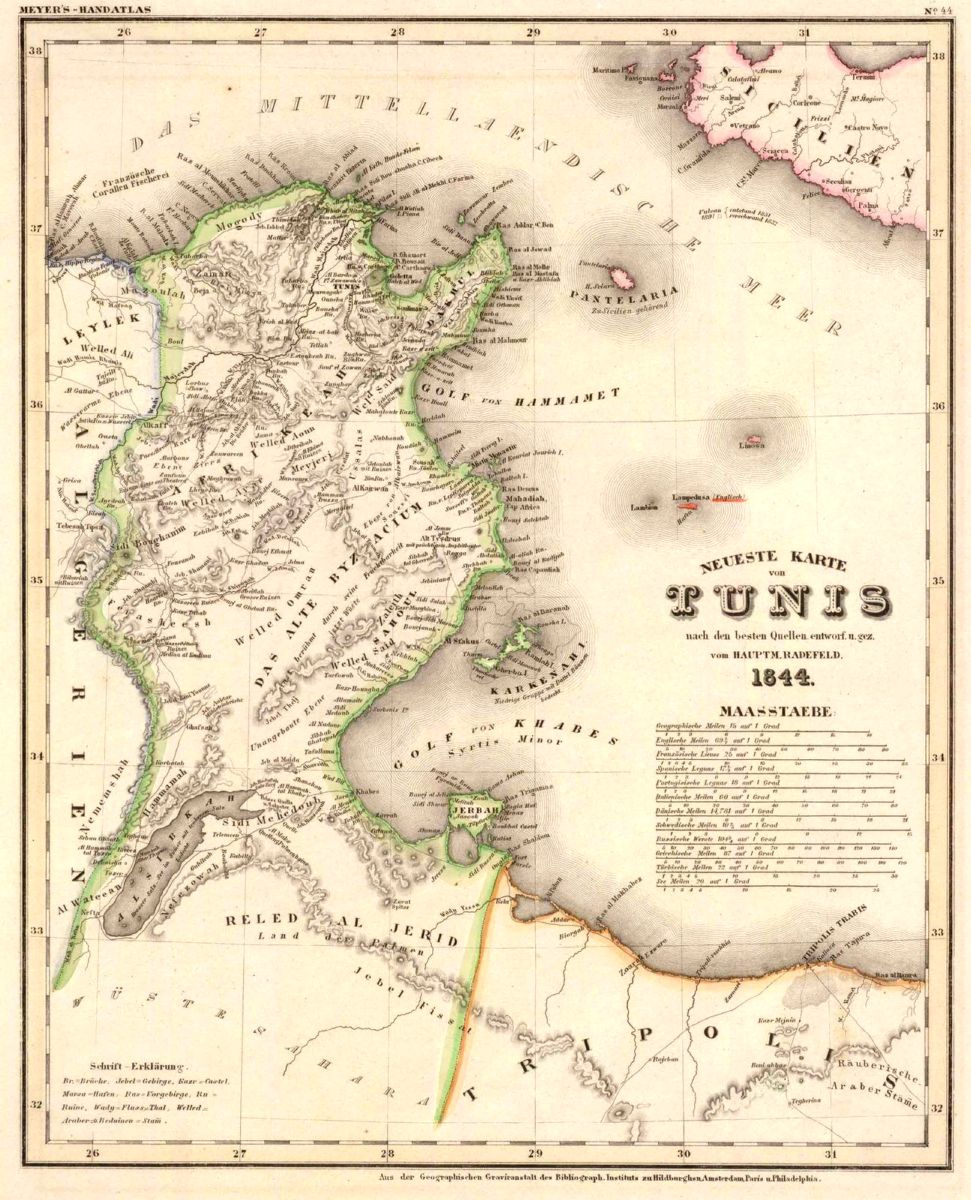
Tunisia's history is a tapestry woven with influences from various civilizations, including the Phoenicians, Romans, and Ottomans. The ancient city of Carthage was a major power in the Mediterranean until its destruction by Rome in 146 BC, marking a significant turning point in the region's history.

In the 20th century, Tunisia gained independence from French colonial rule in 1956. Since then, it has navigated political changes, including the Arab Spring in 2011, which led to a democratic transition. Today, Tunisia is known for its rich cultural heritage and vibrant society.

Photo: Wikipedia / Wikimedia Commons