kiomigo
search
search
add New trip
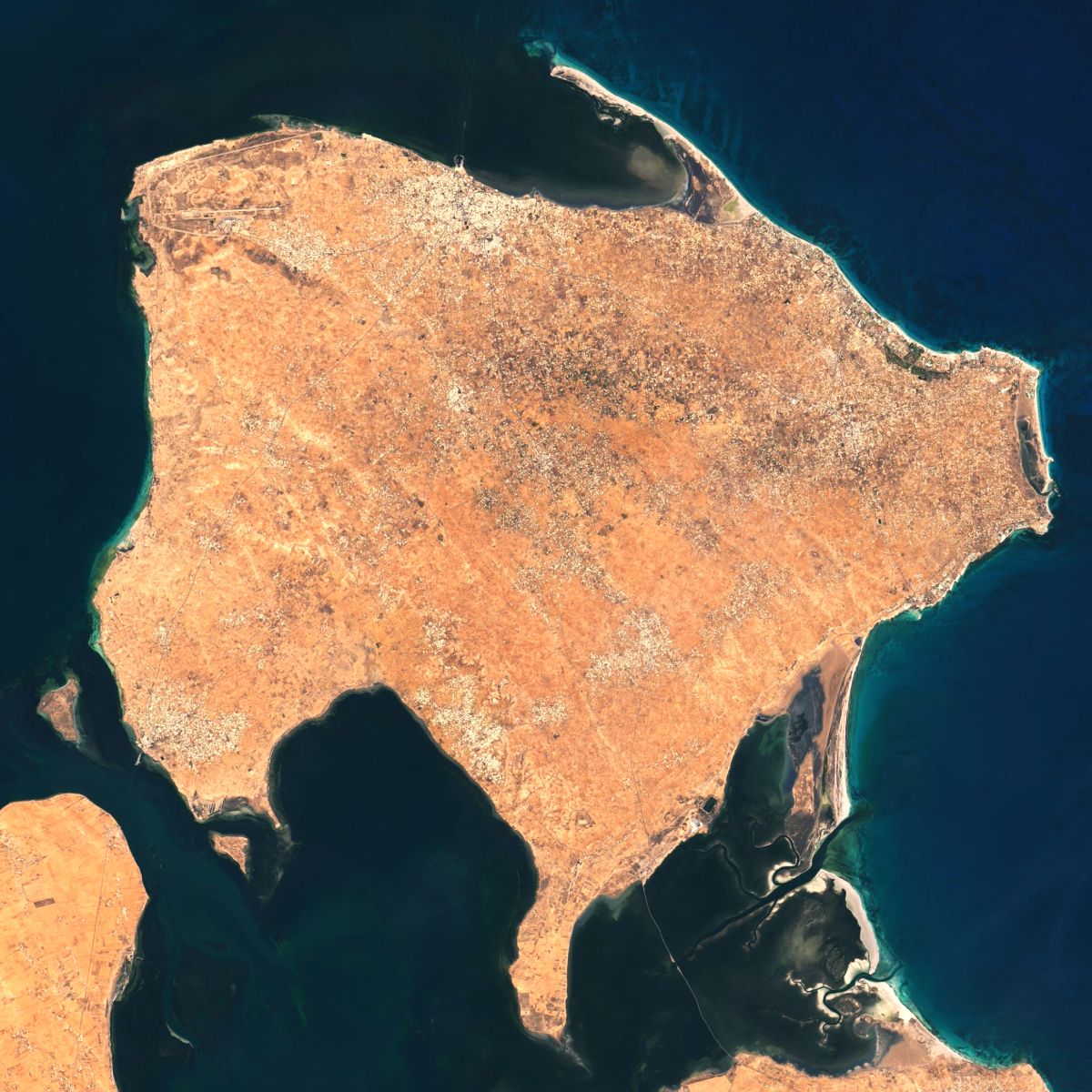
Djerba

Djerba

Population: 160.000 Since: Founded around 600 BC Price: Mid-range
accessible Accessibility: Some areas are wheelchair accessible, but not all.

Introduction

Djerba, an island off the coast of Tunisia, offers a unique blend of Mediterranean charm and North African culture. Visitors are greeted by whitewashed buildings, palm trees swaying in the breeze, and a laid-back atmosphere that invites relaxation.

The island is known for its beautiful beaches and rich history, making it a perfect spot for both sun-seekers and culture enthusiasts. However, the pace of life can be slow, so be prepared for a different rhythm than bustling cities.

In pictures

Lag BaOmer festival in Djerba
Saint Joseph Catholic Church in Houmt El Souk

Sightseeing

Houmt Souk: the island's capital with vibrant markets
El Ghriba Synagogue: one of the oldest synagogues in the world
Djerba Explore Park: a cultural and amusement park
Borj El Kebir: a historic fortress with stunning views
Guellala Museum: dedicated to Djerba's heritage and pottery
Mediterranean beaches: pristine sands and clear waters
The Crocodile Farm: a unique attraction for families
The traditional markets: perfect for local crafts and souvenirs

"A serene island of culture and sun"Djerba

Things to do

Relax on the beaches: unwind on soft sands
Explore the markets: hunt for local crafts and spices
Visit the museums: learn about Djerba's rich history
Take a cooking class: discover Tunisian cuisine
Enjoy water sports: try windsurfing or snorkeling

Local food and drinks

Couscous: a staple dish often served with meat and vegetables
Brik: a popular pastry filled with egg and tuna
Harissa: a spicy chili paste used in many dishes
Mint tea: a refreshing traditional drink
Local seafood: fresh catches from the Mediterranean

Local traditions

Midsummer Festival: celebrating local culture and traditions
Jewish Pilgrimage: attracting visitors to El Ghriba Synagogue
Traditional music: featuring local instruments and rhythms
Craftsmanship: known for pottery and weaving skills
History - Djerba

History

Djerba has a rich history that dates back to ancient times, with influences from various civilizations including the Phoenicians, Romans, and Arabs. It was known as the island of the Lotus Eaters in Homer's Odyssey, highlighting its long-standing allure.

Over the centuries, Djerba has been a melting pot of cultures, with a significant Jewish community that has thrived for centuries. Today, remnants of its diverse past can be seen in its architecture, traditions, and vibrant markets.

Things to know

Watch out for tourist traps in markets, as prices can be inflated
Public transport can be limited, so consider renting a car
Be cautious of the sun, especially in summer months
Some areas may not be wheelchair accessible

Do's and don'ts

Try local dishes at family-run restaurants
Bargain in markets for the best prices
Respect local customs and dress modestly
Learn a few Arabic phrases to connect with locals
Don't ignore the sun safety tips, wear sunscreen
Don't rush your visit, embrace the slower pace
Don't take photos of people without permission
Don't forget to try the local seafood

Good to know

Accessibility: Some areas are wheelchair accessible, but not all.
Island: yes
Price level: mid-range

Photo: Wikipedia / Wikimedia Commons