Bamiyan
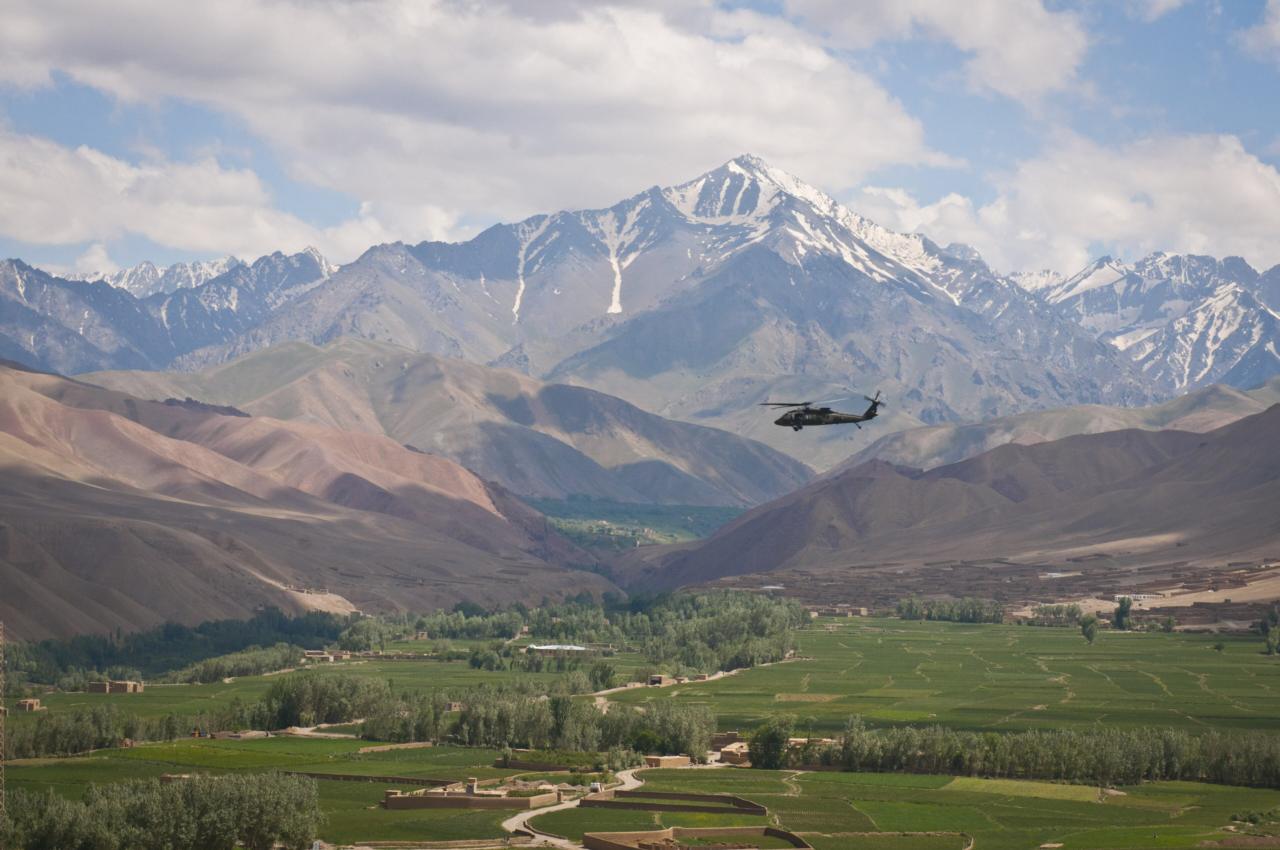
Bamiyan is a serene town nestled in the heart of Afghanistan, known for its breathtaking landscapes and rich cultural heritage. Visitors are often struck by the dramatic cliffs and the remnants of ancient Buddhist statues that once towered over the valley, creating a unique blend of history and natural beauty.
Read more
The atmosphere is peaceful, with a slower pace of life compared to larger cities. Travelers can expect warm hospitality from the locals, who are eager to share their stories and traditions, making it a memorable stop for those exploring Afghanistan's diverse regions.
Highlights
Bamiyan Valley
Stunning landscapes perfect for hiking
Buddha Statues
Historic site of ancient Buddhist art
Koh-i-Baba Mountains
Ideal for trekking and nature lovers
Shahr-e Gholghola
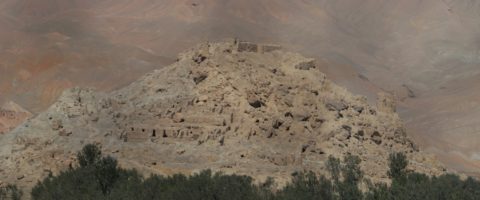
Ancient ruins with historical significance
Sightseeing
Things to do
Local food and drinks

Local traditions
Do's and don'ts
Practical
At a glance
- Founded
- 200 BC
- Population
- 50.000
- Accessibility
- Some areas are challenging for limited mobility
- Price level
- Budget
Things to know
History
Bamiyan has a rich history that dates back to the 1st century AD, serving as a significant stop along the Silk Road. It was once a thriving center for Buddhism, evidenced by the monumental statues carved into the cliffs, which stood as symbols of the region's cultural importance.
Over the centuries, Bamiyan has faced numerous challenges, including invasions and natural disasters. The destruction of the Buddha statues in 2001 marked a tragic moment in its history, but the town continues to be a symbol of resilience and cultural heritage, attracting visitors interested in its storied past.
Photo: Wikipedia / Wikimedia Commons