search
search
add New trip
Afghanistan

Afghanistan

AF calendar_monthMar–May, Sep–Octbest time schedule10 daysplan for confirmation_numberBudgetprice flagKabulcapital paymentsAfghan Afghanicurrency translateDari, Pashtolanguage
AfghanistanYour own route Plan a trip here →

Afghanistan is a land of rugged beauty and rich history, offering travelers a unique glimpse into a culture shaped by centuries of tradition and resilience. The diverse landscapes range from towering mountains to arid deserts, making it a captivating destination for adventurous souls.

In pictures

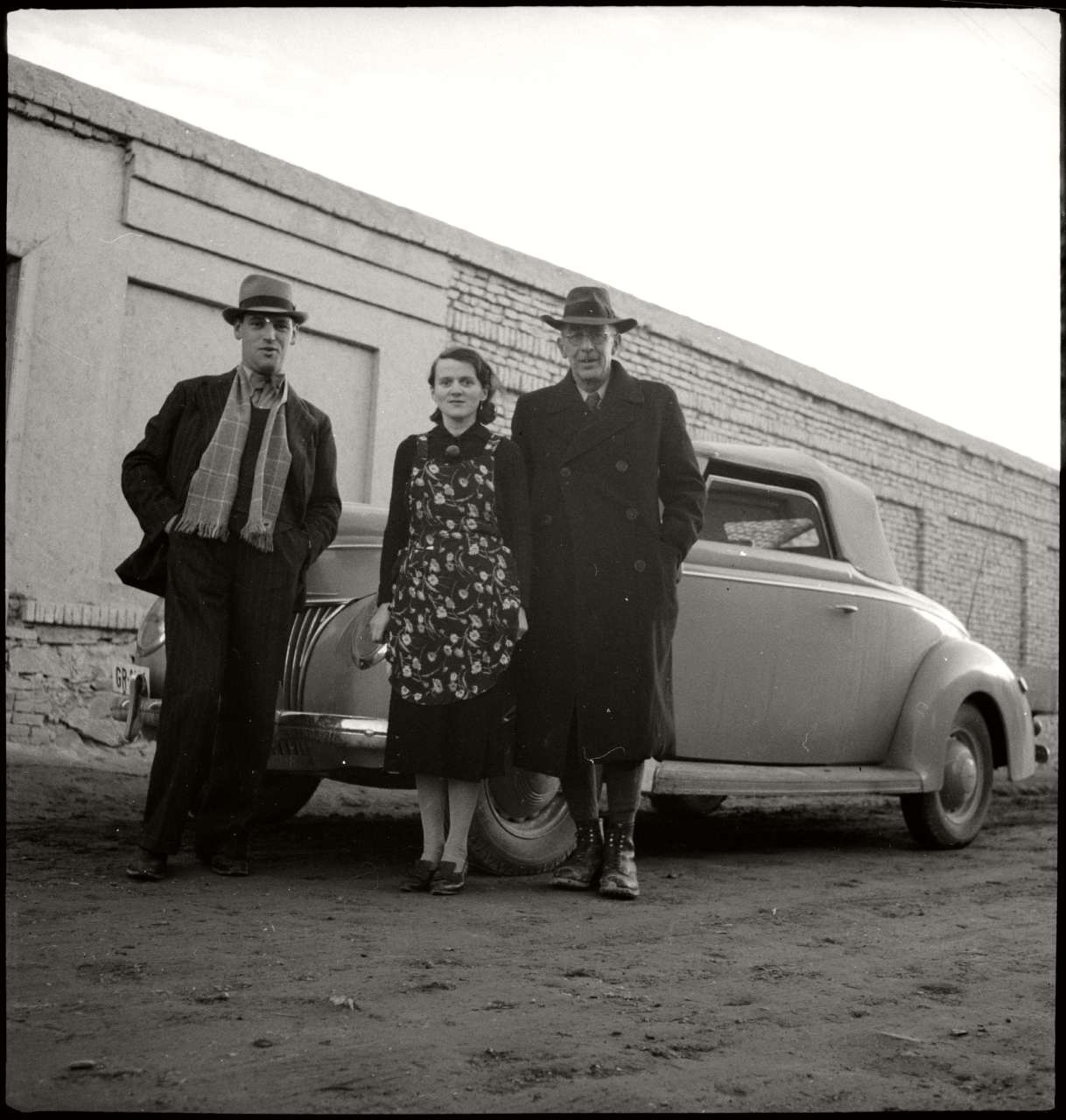
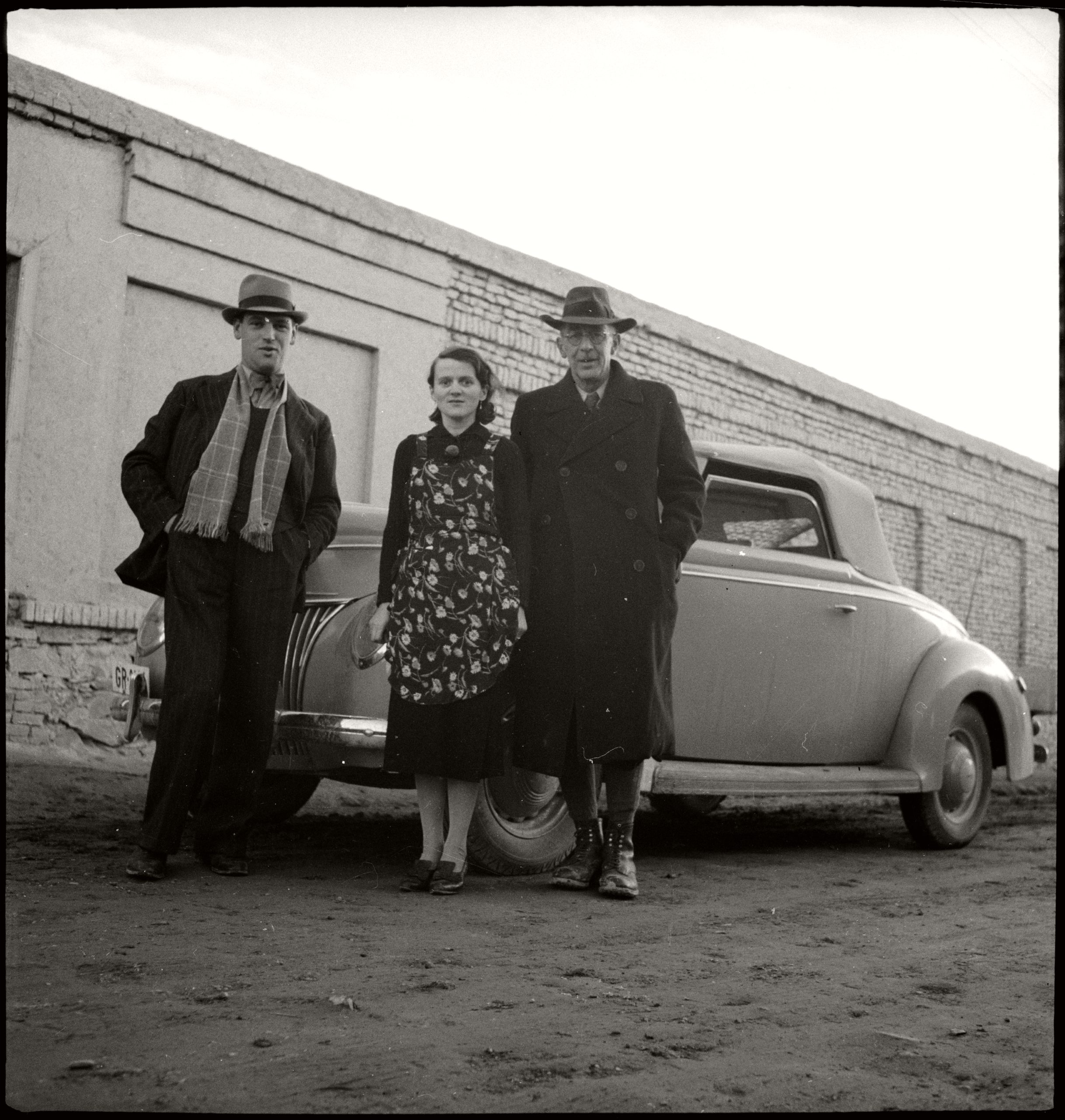
Foreign tourists in Kabul, c. 1940
Badakhshan Province
Badakhshan Province
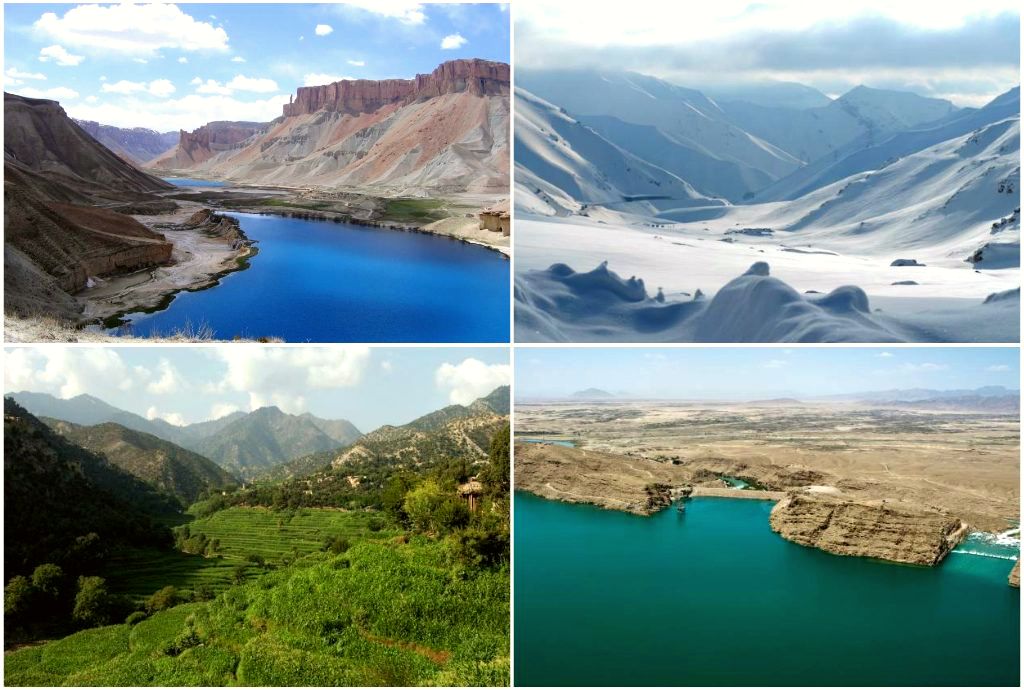
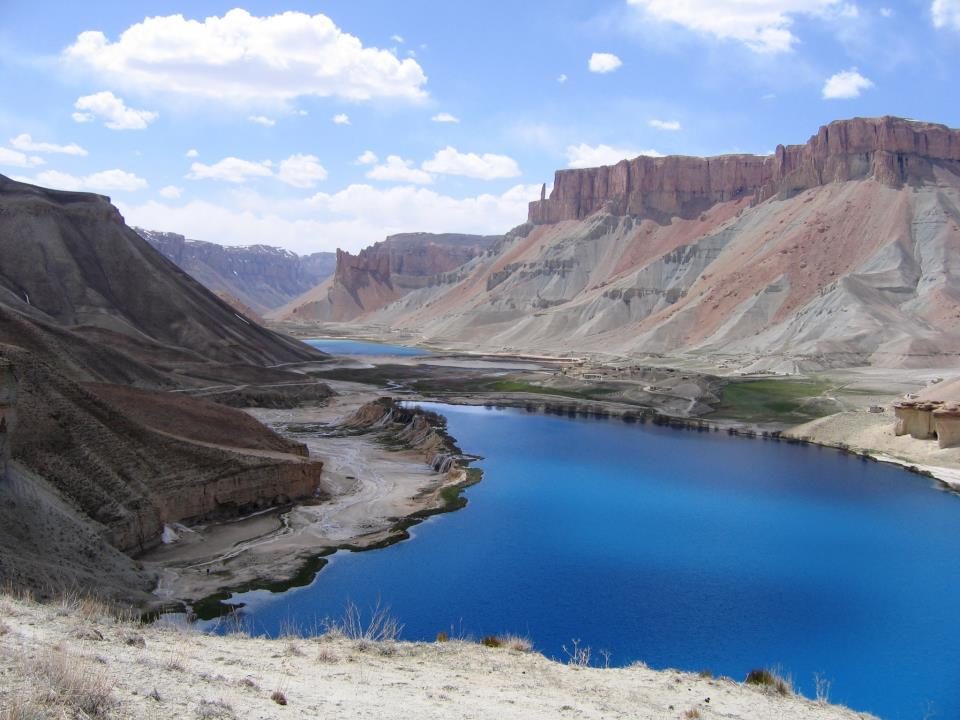
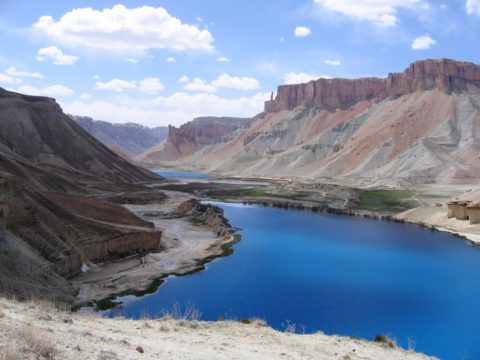
Band-e Amir National Park in the Bamyan Province of Afghanistan
Herat Citadel in Herat, Afghanistan
Inside the Kabul Serena Hotel
The shrine of Baba Wali next to the Arghandab River in Kandahar
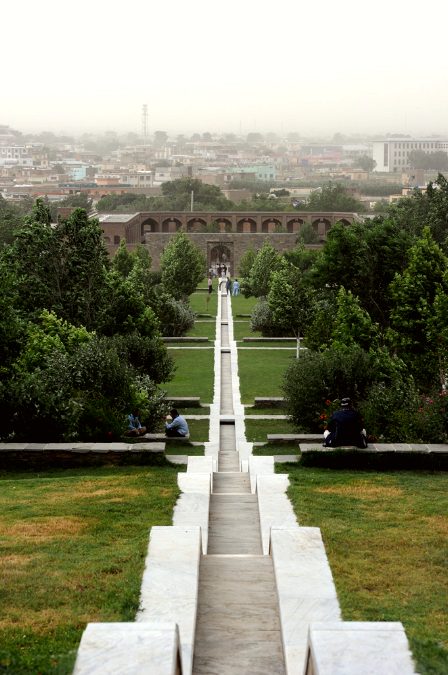
Gardens of Babur
Gardens of Babur
The Qargha picnic area is between Kabul and Paghman

Sightseeing

Kabul: the bustling capital with historical sites
Bamiyan: home to the famous Buddhas and stunning valleys
Herat: known for its beautiful architecture and vibrant bazaars
Mazar-i-Sharif: the site of the Blue Mosque, a pilgrimage destination
Panjshir Valley: a picturesque area with breathtaking scenery
Band-e Amir: Afghanistan's first national park, famous for its lakes
Kandahar: rich in history and cultural significance
Badakhshan: known for its natural beauty and traditional crafts

"A land of beauty and resilience"Afghanistan

Things to do

Explore ancient ruins: visit historical sites like the Buddhas of Bamiyan
Trek in the mountains: experience the stunning landscapes of the Hindu Kush
Visit local bazaars: immerse yourself in the vibrant market culture
Engage with locals: learn about Afghan traditions and hospitality
Attend cultural festivals: experience local celebrations and customs
Try traditional crafts: participate in workshops for carpet weaving or pottery
Local food and drinks - Afghanistan

Local food and drinks

Kabuli Pulao: a flavorful rice dish with meat and raisins, best enjoyed in Kabul
Mantu: steamed dumplings filled with meat, popular in local restaurants
Ashak: leek-filled dumplings served with yogurt sauce, a must-try in Kabul
Qabili Palau: a festive rice dish often served at weddings
Chai: traditional tea served throughout the day, perfect for socializing
Naan: freshly baked bread, a staple with every meal
Local traditions - Afghanistan

Local traditions

Nowruz: Persian New Year celebrated with festivities and feasts
Buzkashi: a traditional sport involving horse riding and a goat carcass
Weddings: elaborate ceremonies with rich customs and celebrations
Hospitality: offering tea and food to guests is a cherished tradition
Cultural storytelling: oral traditions are vital for preserving history

Do's and don'ts

Respect local customs and dress codes
Engage with locals to learn about their culture
Try to learn a few words in Dari or Pashto
Be patient and flexible with travel plans
Support local businesses when possible
Don't take photos of military or government buildings
Don't discuss politics or sensitive topics openly
Don't assume everyone speaks English; be prepared for language barriers
Don't engage in public displays of affection
Don't ignore local customs regarding gender interactions
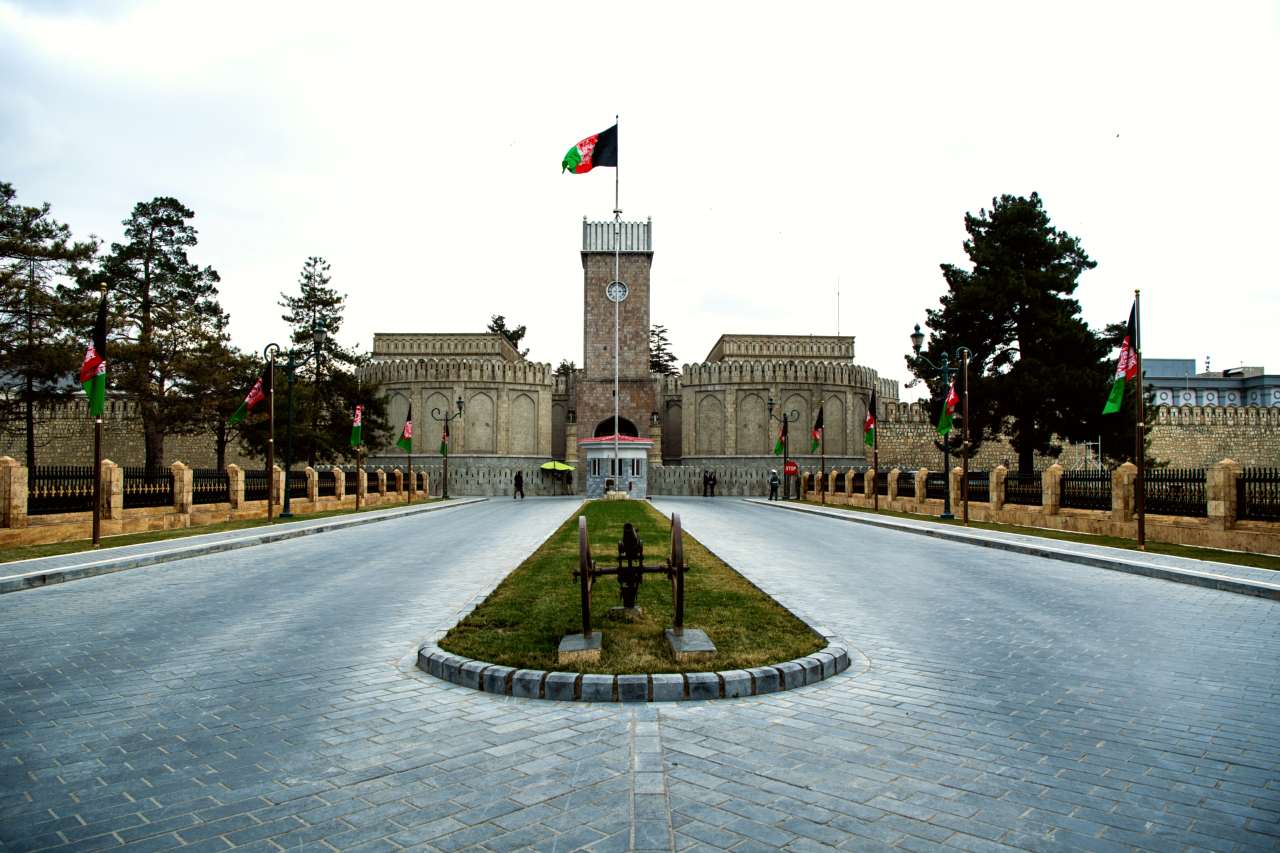
A doorway to Kabul's vibrant street life

A doorway to Kabul's vibrant street life

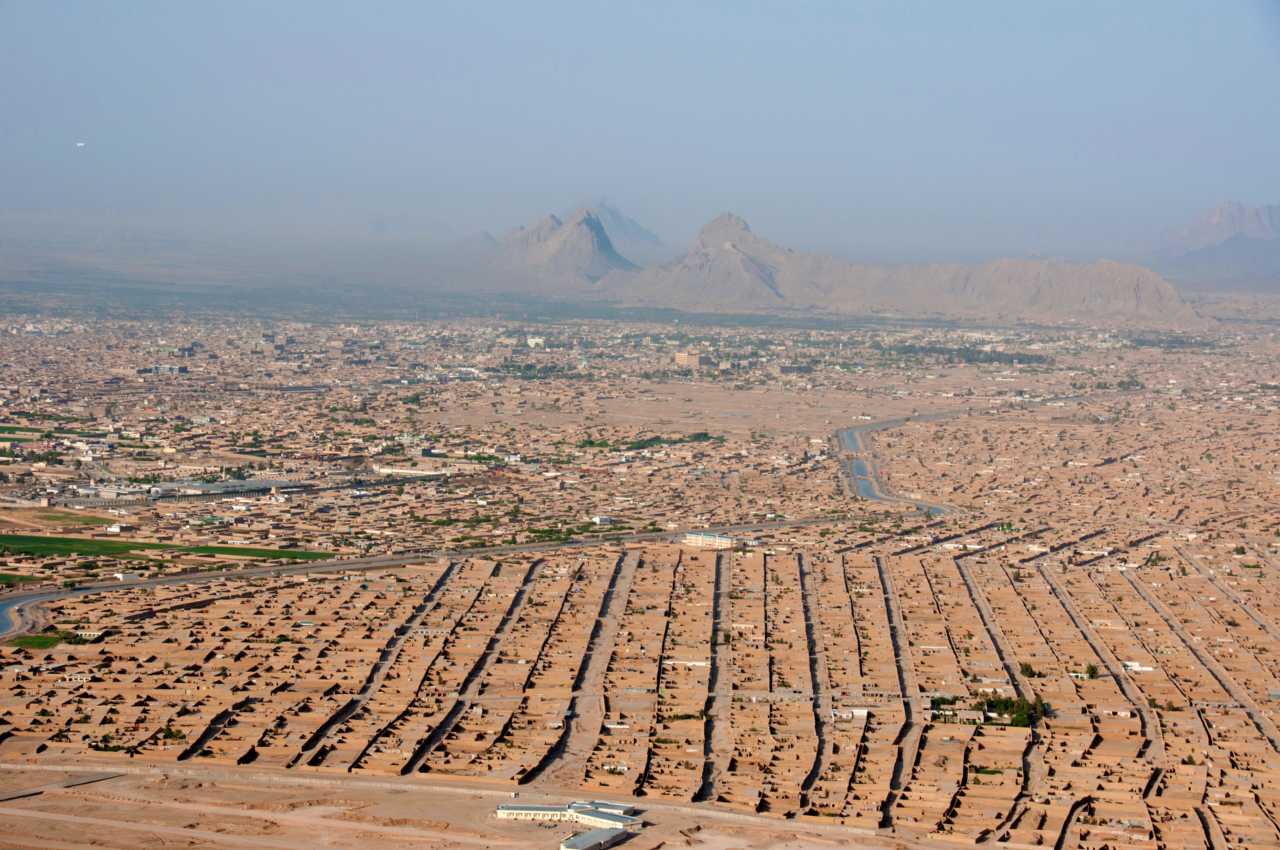
The doorway in Kabul opens to a scene filled with the sounds of daily life. Here, the streets are alive with vendors selling fresh bread and spices, a reflection of the city’s rich culinary traditions. Kabul, located in the eastern part of Afghanistan, serves as a cultural hub, contrasting sharply with the more remote regions like Badakhshan. Travelers can expect a mix of modern and traditional influences, especially during spring when the gardens bloom. Engaging with local artisans and markets can offer insights into the resilience of Afghan culture.
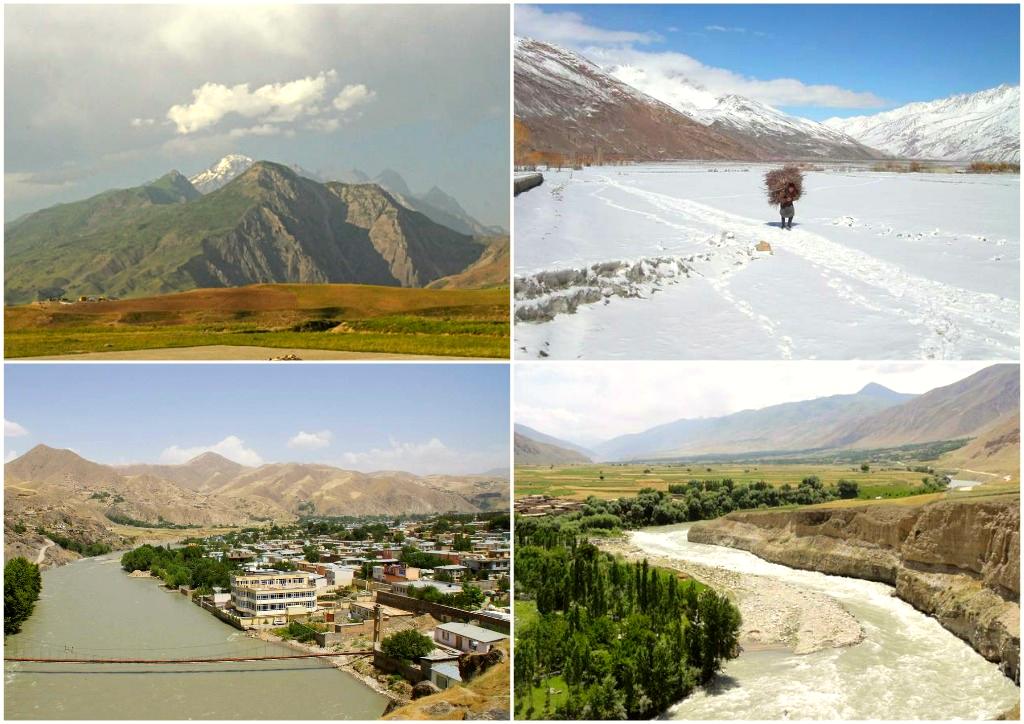
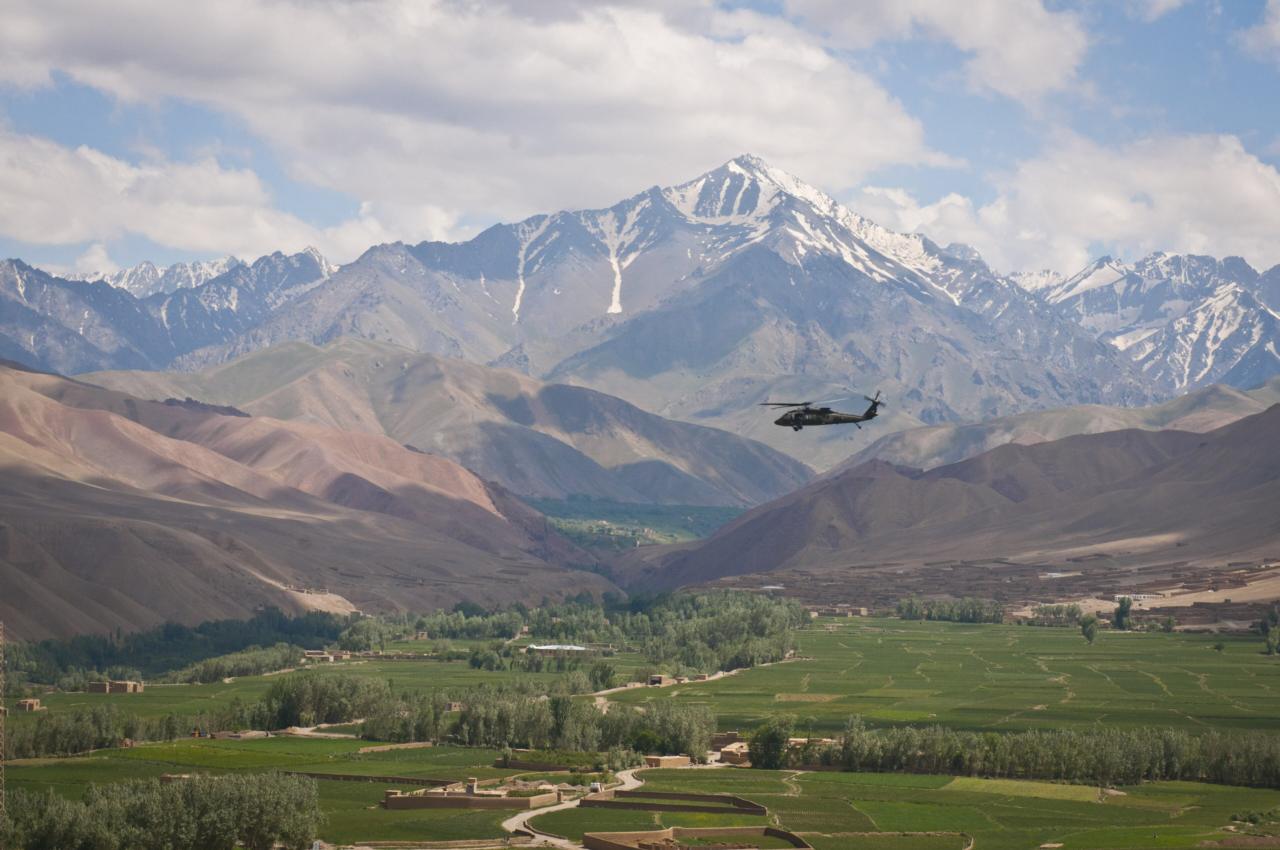
Mountains and valleys of Badakhshan

Mountains and valleys of Badakhshan

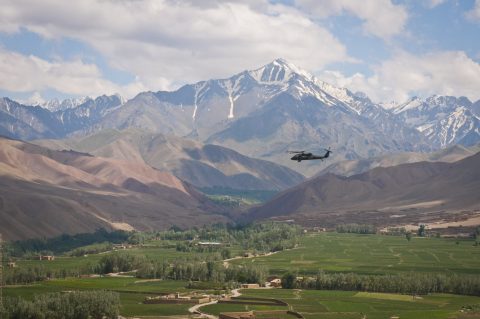
The view of Badakhshan's mountains reveals a landscape shaped by ancient trade routes and natural beauty. This region, known for its rugged terrain, is distinct from the arid plains of southern Afghanistan. It is ideal for trekking and exploring remote villages, particularly in summer when the weather is milder. Travelers can experience the hospitality of local communities, but it is important to be mindful of the challenges posed by limited access to resources. The region's rich history and stunning scenery make it a rewarding destination for those willing to venture off the beaten path.
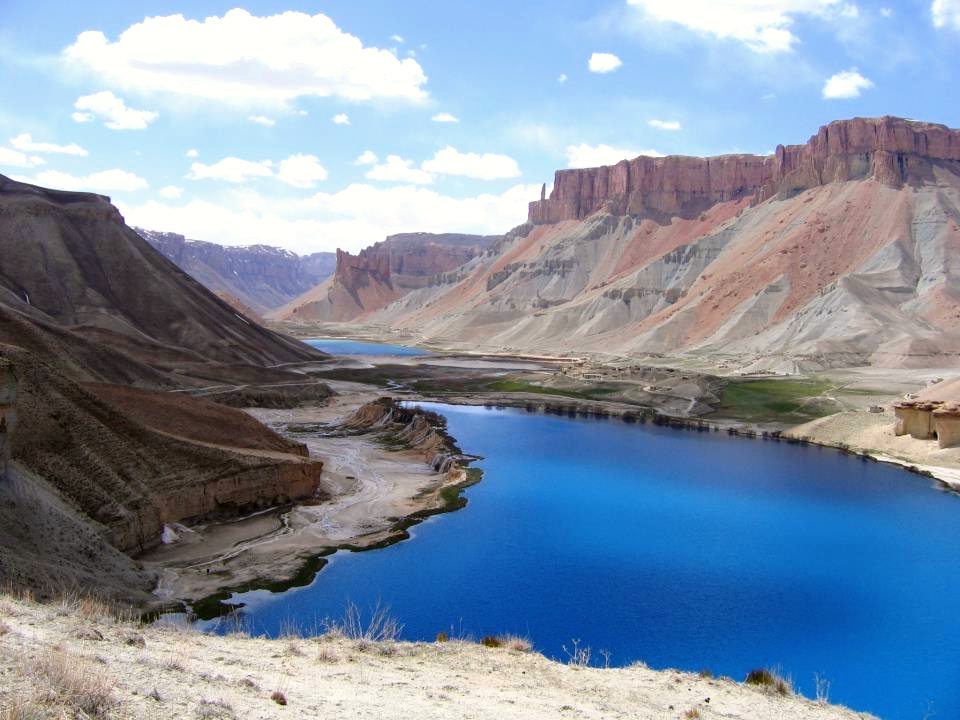
Exploring Afghanistan's Grand Canyon

Exploring Afghanistan's Grand Canyon

The doorway to Afghanistan's Grand Canyon opens to a dramatic landscape carved by the Amu Darya River. This natural wonder, located in the northern part of the country, offers a stark contrast to the lush valleys of the south. The best time to visit is during the fall when the colors of the canyon are particularly striking. This area is less frequented by tourists, providing a sense of solitude and connection to nature. Travelers should prepare for a rugged adventure, as the remote location requires careful planning and respect for the environment.
info_outlinePracticalexpand_more
Population: 40.000.000
Best time: Spring and autumn for pleasant weather

About Afghanistan

However, travel here comes with challenges. Security concerns and limited infrastructure can complicate journeys, so it's essential to stay informed and plan carefully. Engaging with local communities can provide rewarding experiences, but understanding cultural sensitivities is crucial.

Basic information

Capital: Kabul
Language: Dari, Pashto
Currency: Afghan Afghani
Best time to visit: Spring and autumn for pleasant weather

Travel information

Flights to Kabul are available from major cities, but check for security updates Local transport includes taxis and shared minibuses, though safety varies Cash is the primary payment method; ATMs are limited and often unreliable Mobile connectivity is improving, but internet access can be spotty Travel insurance is essential for safety and health coverage

Things to know

Security risks are prevalent; stay updated on travel advisories
Cultural norms are strict; dress modestly and respect local customs
Scams can occur; be cautious when dealing with strangers
Road conditions are poor; expect delays and plan accordingly
Language barriers may exist; learning basic Dari phrases can help

Good to know

Accessibility: Limited infrastructure makes mobility challenging.
Price level: budget
history_eduHistoryexpand_more
History - Afghanistan

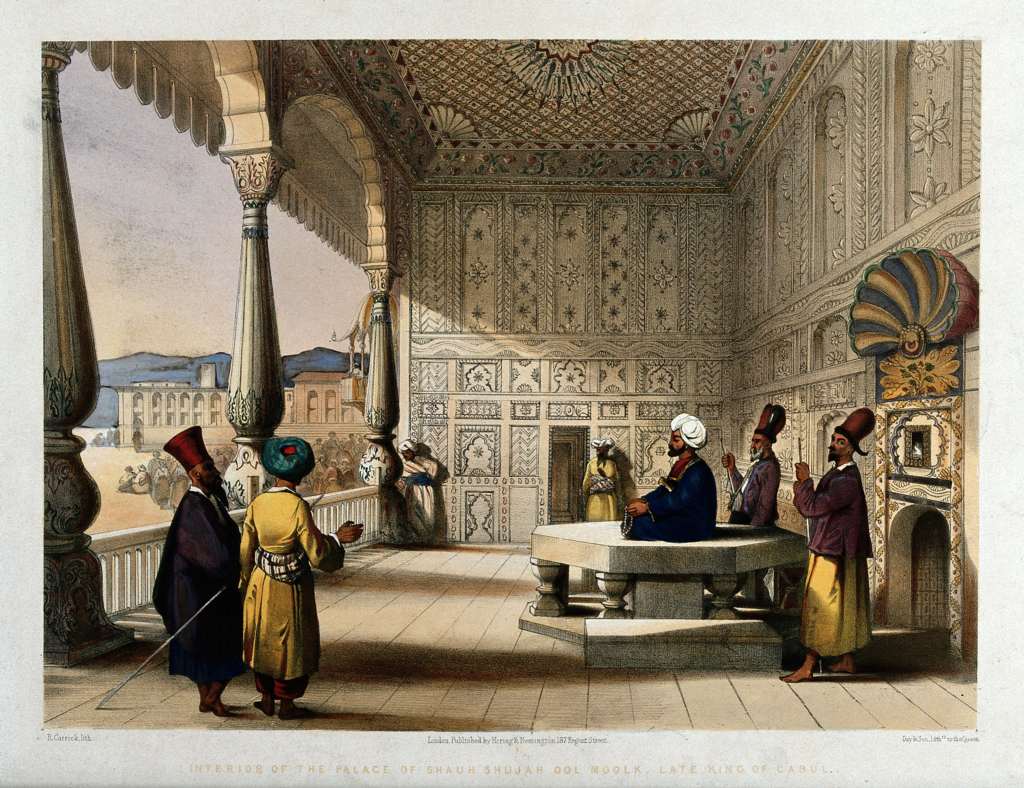
Afghanistan's history is marked by its strategic location along the Silk Road, making it a crossroads of cultures and civilizations. Over the centuries, it has seen the rise and fall of empires, from the Maurya to the Mongol Empire, each leaving a lasting impact on its rich tapestry.

In the 20th century, Afghanistan faced significant turmoil, including invasions and civil wars. The Soviet invasion in 1979 and subsequent conflicts have shaped its modern identity, leading to a resilient spirit among its people. Today, Afghanistan continues to navigate its complex history while striving for peace and stability.

Photo: Wikipedia / Wikimedia Commons