kiomigo
search
search
add New trip
Kabul

Kabul

Population: 5.000.000 Since: Founded around 2000 BC Price: Budget Capital city

Introduction

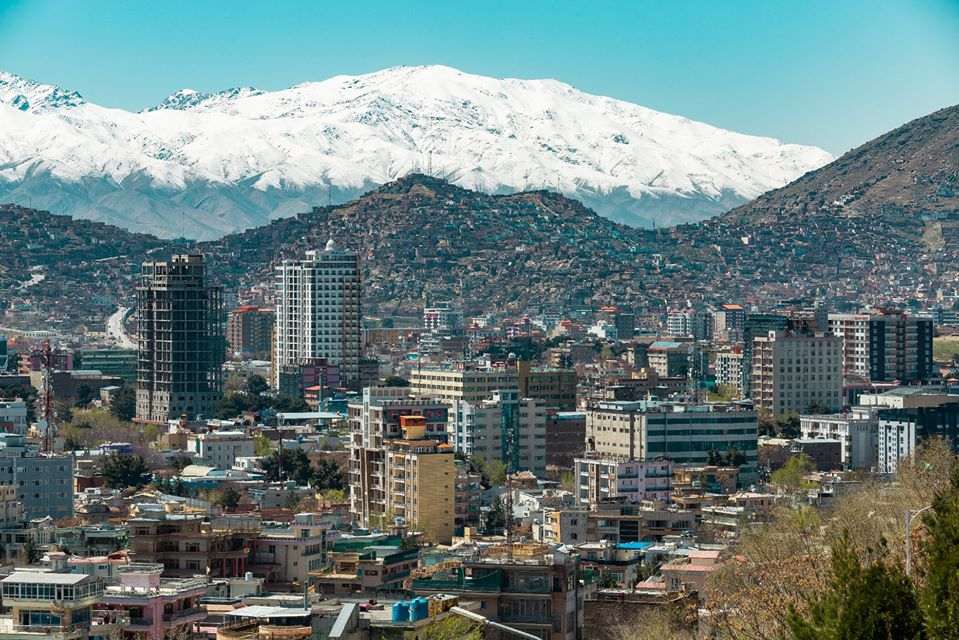
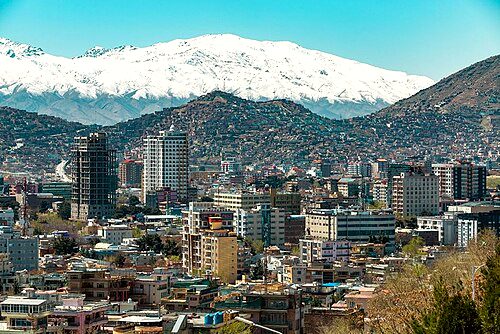
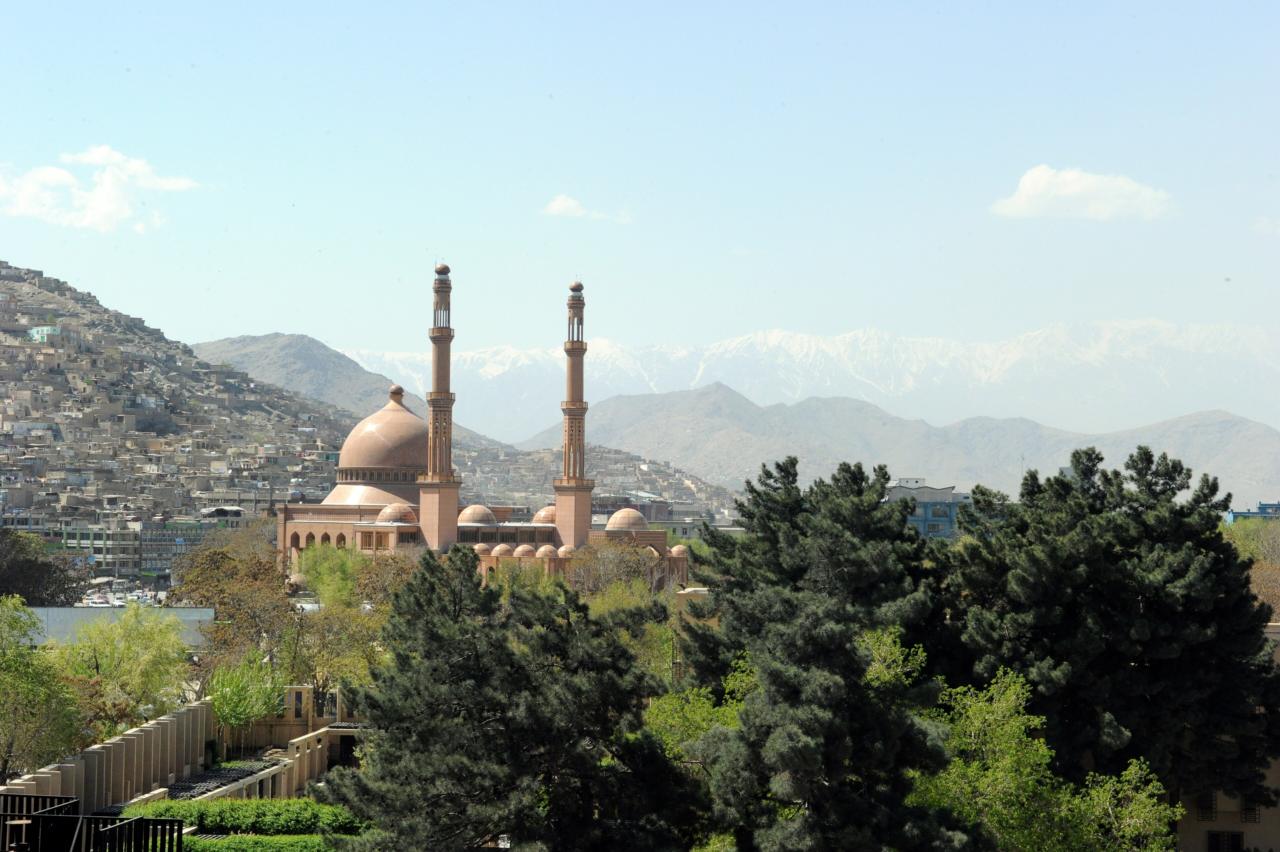
Kabul, the capital of Afghanistan, is a city steeped in history and resilience. Visitors will find a blend of ancient culture and modern challenges, with bustling bazaars and a backdrop of the stunning Hindu Kush mountains.

While the city has a vibrant atmosphere, it is important to remain aware of the ongoing complexities in the region. The warmth of the local people often shines through, making interactions memorable despite the city's tumultuous past.

In pictures

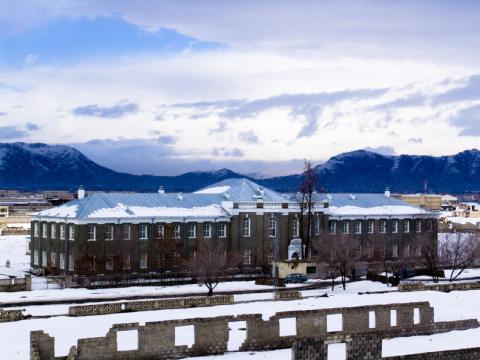
Kabul
Kabul
Kabul
Kabul
Map of Kabul and surroundings by the Survey of India, 1916
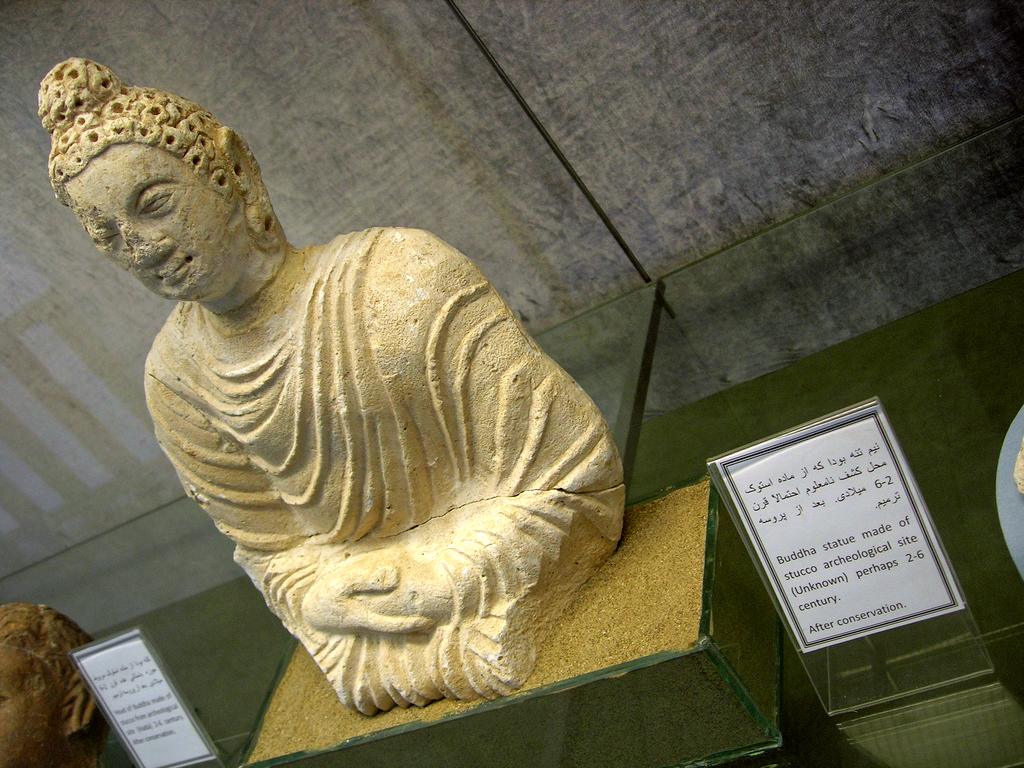
The Buddha, statue at the National Museum of Afghanistan, early 1st millennium

Sightseeing

Bala Hissar: a historic citadel offering panoramic views
National Museum of Afghanistan: home to a rich collection of artifacts
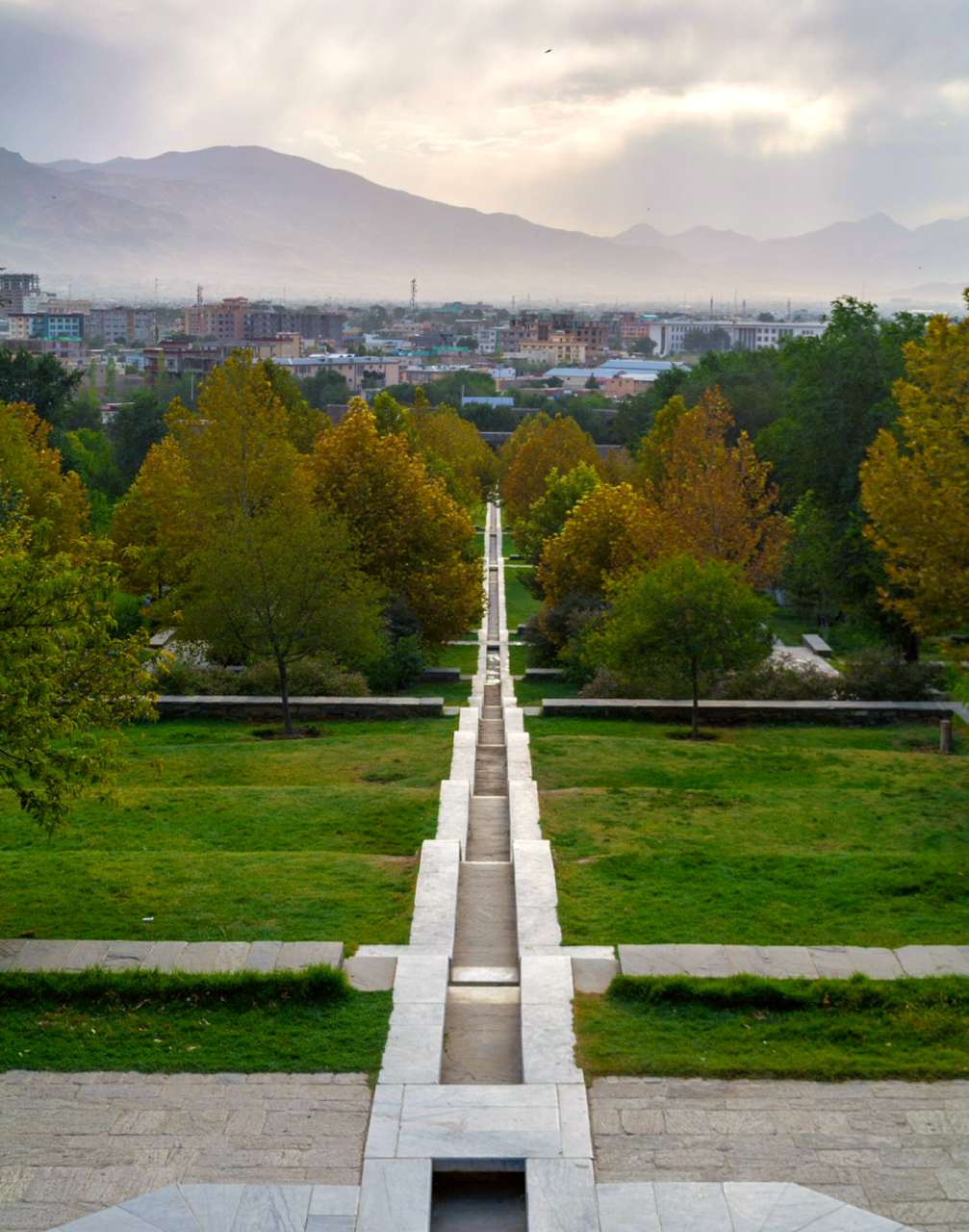
Gardens of Babur: a serene park with historical significance
Shahr-e Naw: a lively district with shops and cafes
Kabul Zoo: a small zoo with local and exotic animals
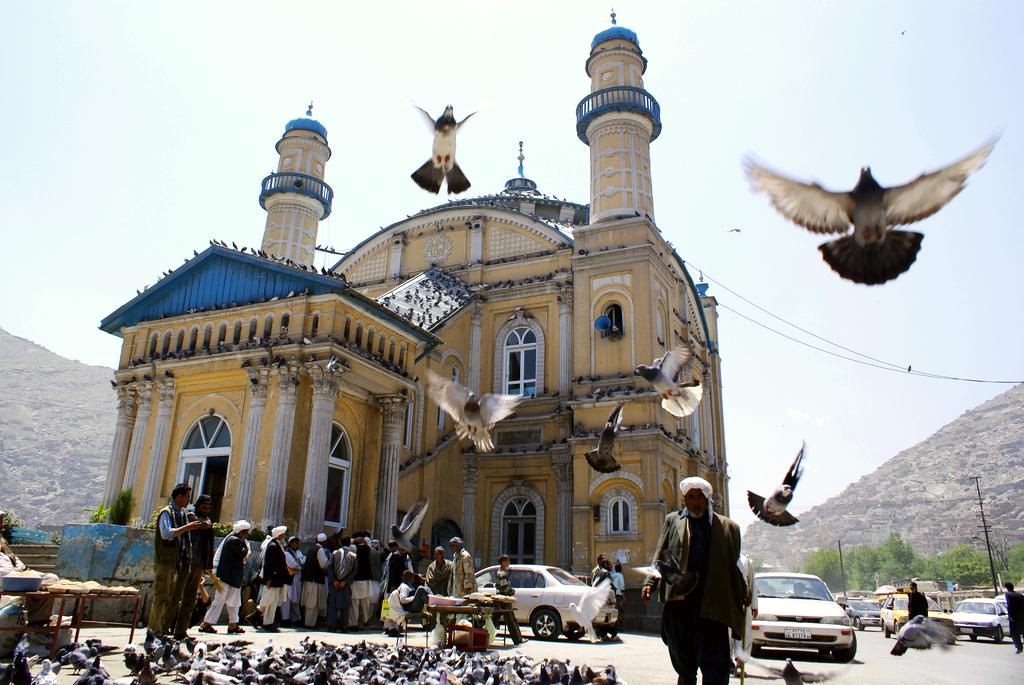
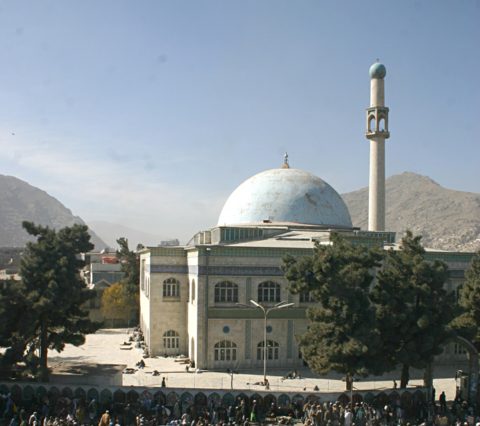
Pul-e Khishti Mosque: an important religious site
Kabul River: scenic views and local life along the banks
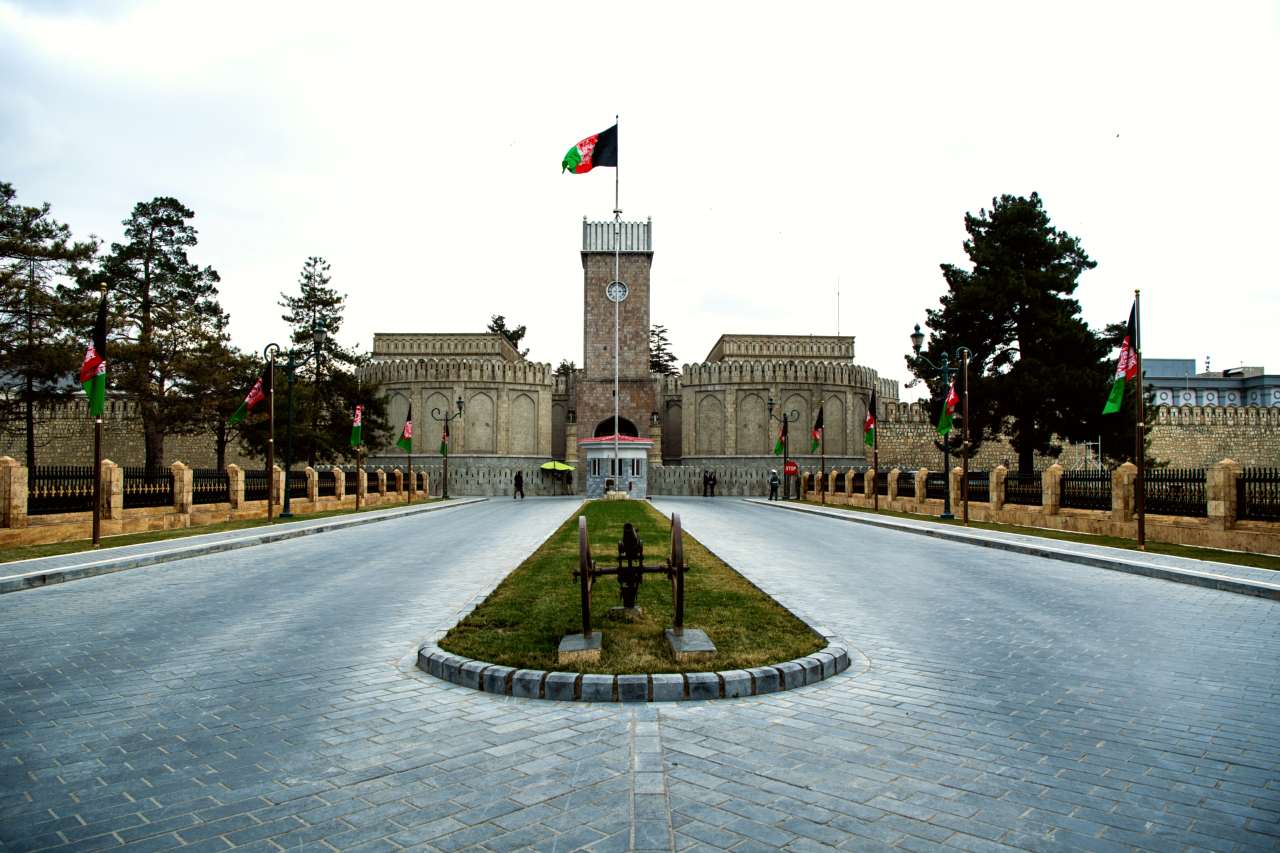
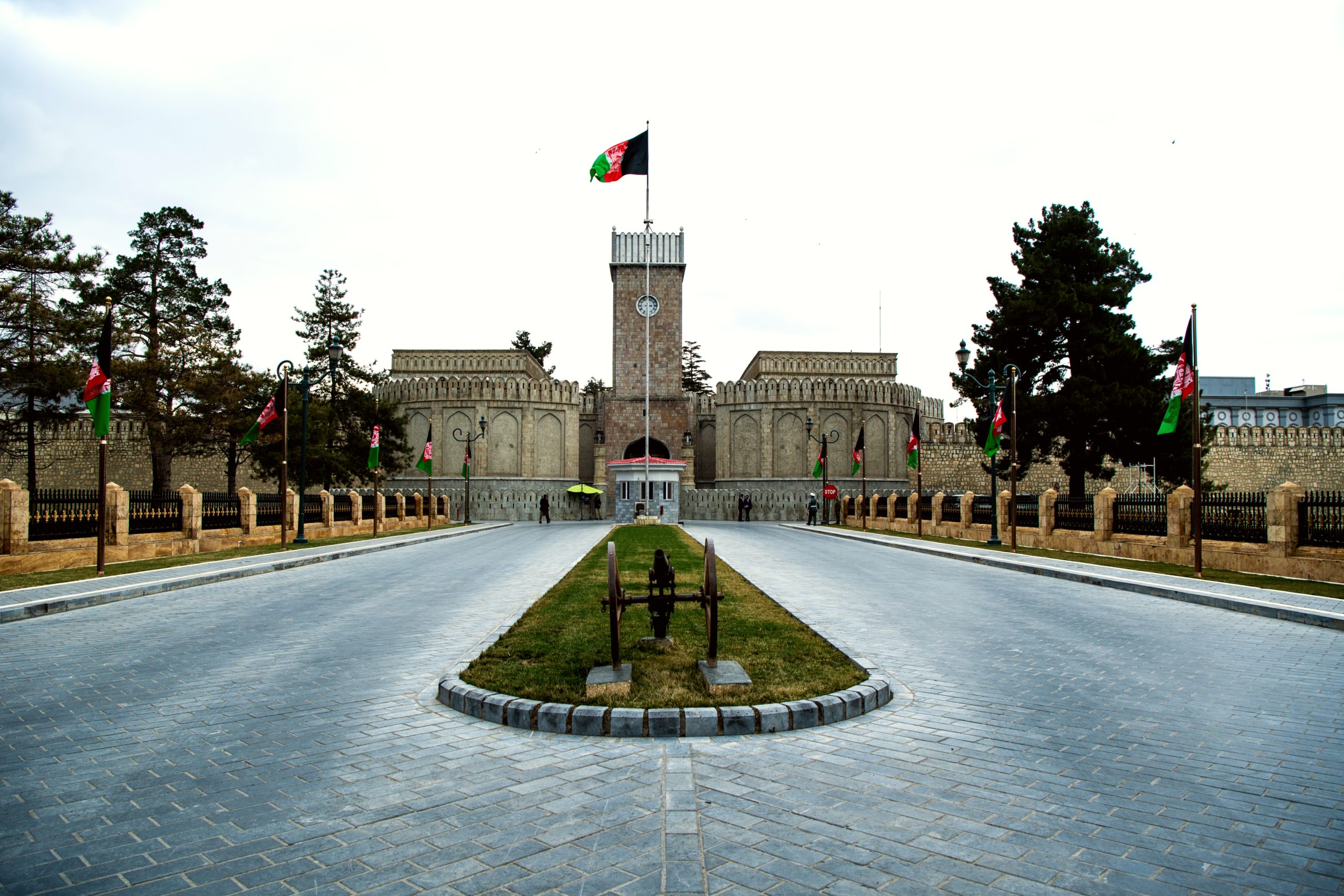
Sardar Mohammad Daoud Khan's Palace: a glimpse into royal history

"A city of resilience and history"Kabul

Things to do

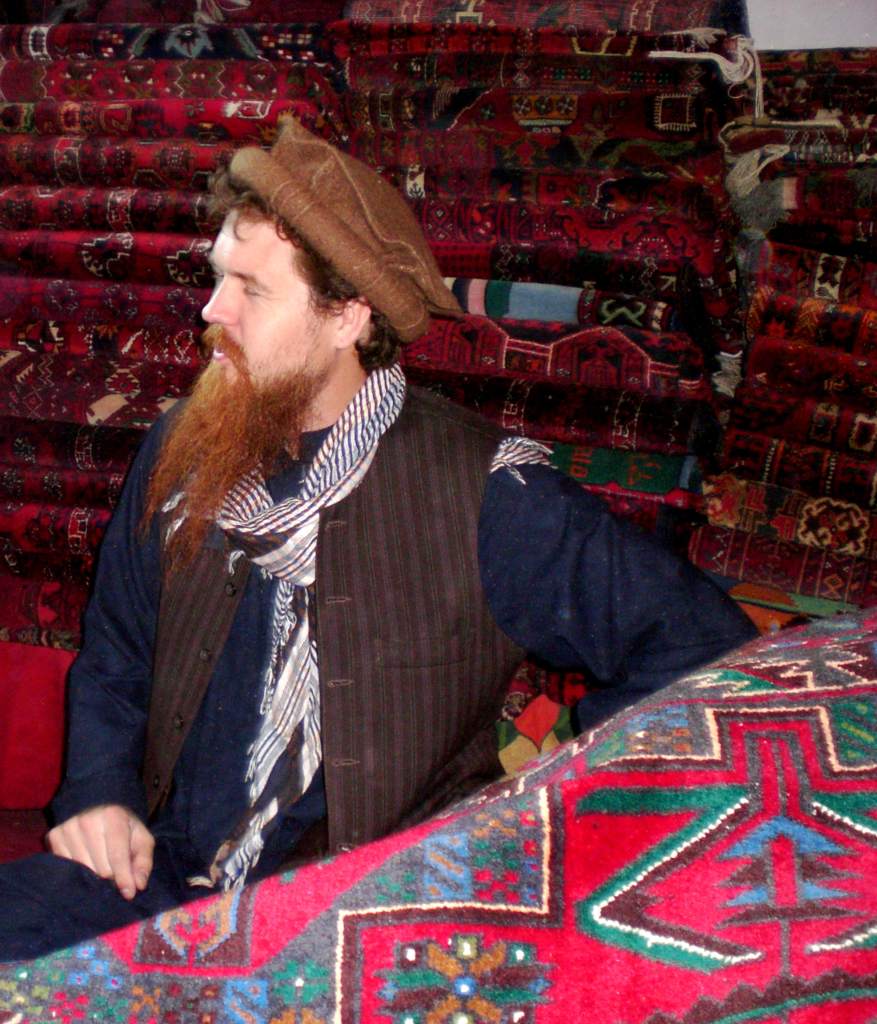
Explore the bazaars: vibrant markets full of local goods
Visit local tea houses: experience Afghan hospitality and culture
Take a walk in the Gardens of Babur: enjoy the peaceful environment
Engage with local artisans: discover traditional crafts and skills

Local food and drinks

Kabuli Pulao: the city's signature rice dish with meat and raisins
Mantu: steamed dumplings filled with spiced meat
Chai: traditional Afghan tea, often served with sugar
Naan: freshly baked bread, a staple in Afghan meals
Kofta: spiced meatballs, popular in local cuisine

Local traditions

Nowruz: the Persian New Year celebrated with festivities
Eid al-Fitr: a significant religious holiday with communal prayers
Weddings: elaborate celebrations often lasting several days
Traditional music: an integral part of Afghan culture, often performed at gatherings
History - Kabul

History

Kabul has a rich history that dates back over 3,500 years, serving as a crossroads for various civilizations. It has been influenced by Persian, Greek, and Islamic cultures, making it a melting pot of traditions and architecture.

In the 20th century, Kabul experienced significant turmoil, particularly during the Soviet invasion and subsequent civil wars. Despite these challenges, the city has shown remarkable resilience and continues to evolve, with efforts to rebuild and restore its cultural heritage.

Things to know

Be cautious of your surroundings, as safety can be a concern
Transport options are limited; plan your routes in advance
Avoid areas known for conflict or unrest
Bargaining is common in markets; be prepared to negotiate

Do's and don'ts

Respect local customs and dress modestly
Learn a few basic phrases in Dari or Pashto
Try local foods and engage with street vendors
Be patient and flexible with travel plans
Don't take photos of military or police personnel
Don't discuss politics or sensitive topics with locals
Don't wander alone at night in unfamiliar areas
Don't expect Western amenities in all establishments

Good to know

Accessibility: Limited accessibility in many areas
Price level: budget

Photo: Wikipedia / Wikimedia Commons