kiomigo
search
search
add New trip
Mazar-i-Sharif

Mazar-i-Sharif

Population: 500.000 Since: Founded around 600 BC Price: Mid-range

Introduction

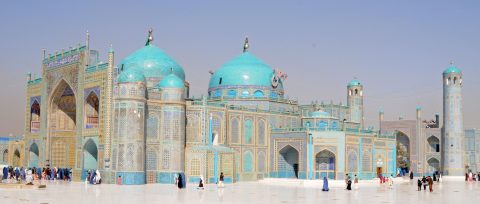
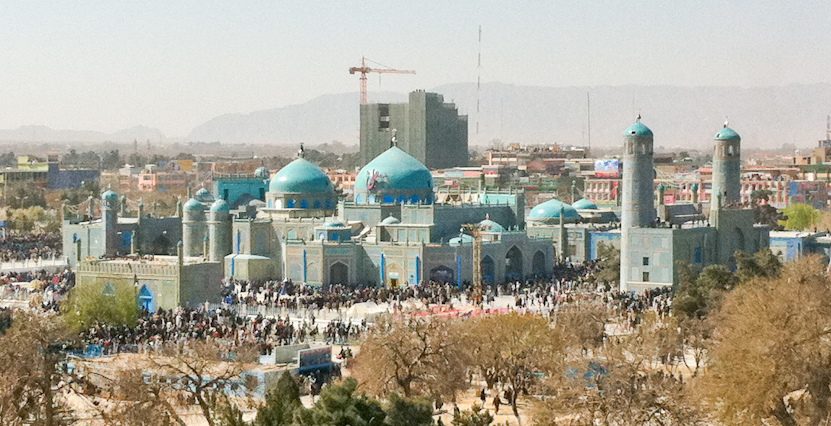
Mazar-i-Sharif is a vibrant city in northern Afghanistan, known for its rich history and cultural significance. Visitors are often struck by the stunning blue tiles of the Shrine of Hazrat Ali, which dominates the skyline and serves as a spiritual center for many.

The city has a warm and welcoming atmosphere, with bustling bazaars and friendly locals. However, the remnants of conflict are evident, and travelers should remain aware of their surroundings while exploring this unique destination.

Sightseeing

Shrine of Hazrat Ali: a stunning architectural marvel and pilgrimage site
Blue Mosque: famous for its intricate tile work and serene ambiance
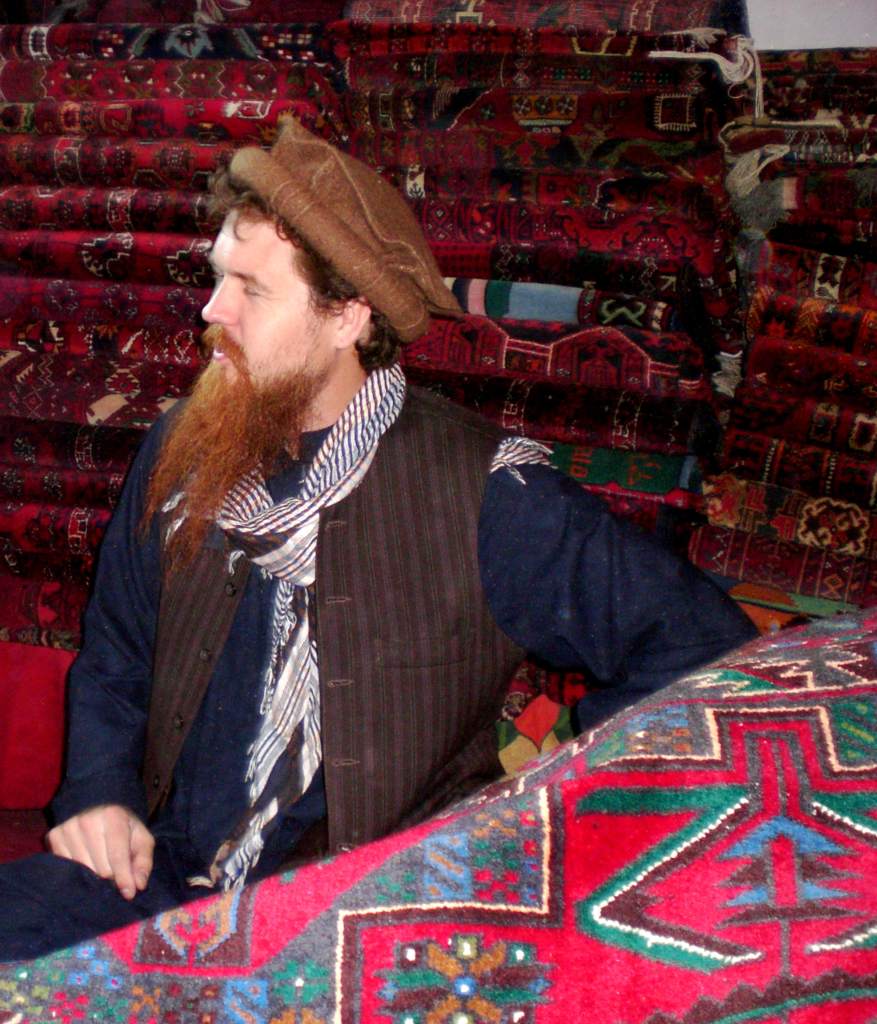
Mazar-i-Sharif Bazaar: a lively market offering local crafts and goods
Balkh: ancient city ruins nearby, rich in history
National Museum of Afghanistan: showcases the country's cultural heritage

"A city of history and hospitality"Mazar-i-Sharif

Things to do

Explore local bazaars: immerse yourself in the vibrant market culture
Visit historical sites: discover the rich history of the region
Attend local festivals: experience the lively celebrations and traditions
Take a guided tour: gain insights from knowledgeable locals

Local food and drinks

Qabili Palau: a traditional rice dish with meat and raisins
Mantu: steamed dumplings filled with meat and onions
Chai: local tea served throughout the day
Naan: freshly baked bread, a staple in Afghan cuisine
Kebab: grilled meat skewers, popular street food

Local traditions

Nowruz: Persian New Year celebrated with festivities
Eid al-Fitr: marks the end of Ramadan with communal prayers and feasting
Local weddings: elaborate celebrations with traditional music and dance
Hospitality: locals often invite visitors for tea and meals
History - Mazar-i-Sharif

History

Mazar-i-Sharif has a storied past, dating back to ancient times when it was a significant center of trade and culture along the Silk Road. The city has witnessed numerous empires and invasions, including the Greeks, Persians, and Mongols, each leaving their mark on its heritage.

In recent history, Mazar-i-Sharif gained prominence during the Afghan civil war and the Taliban regime. Today, it stands as a symbol of resilience and hope, with efforts to rebuild and restore its cultural landmarks.

Things to know

Be cautious of safety: some areas may be unstable
Transport can be challenging: limited public transport options exist
Respect local customs: dress modestly and be aware of cultural norms
Timing is crucial: visit during daylight hours for safety

Do's and don'ts

Engage with locals: they are often eager to share their culture
Dress modestly: respect local customs and traditions
Try local cuisine: experience the flavors of Afghan food
Learn a few phrases: basic Dari or Pashto can go a long way
Don't take photos of military or police: it can lead to misunderstandings
Don't wander alone at night: stick to well-lit and populated areas
Don't discuss politics: it can be a sensitive topic
Don't ignore local customs: be respectful of traditions and practices

Good to know

Accessibility: Limited accessibility, with uneven surfaces and few ramps
Price level: mid-range

Photo: Wikipedia / Wikimedia Commons