search
search
add New trip
Phnom Penh

Phnom Penh

calendar_monthNov–Marbest time schedule3 daysplan for child_careYeswith kids confirmation_numberMid-rangeprice
Phnom PenhYour own route Plan a trip here →

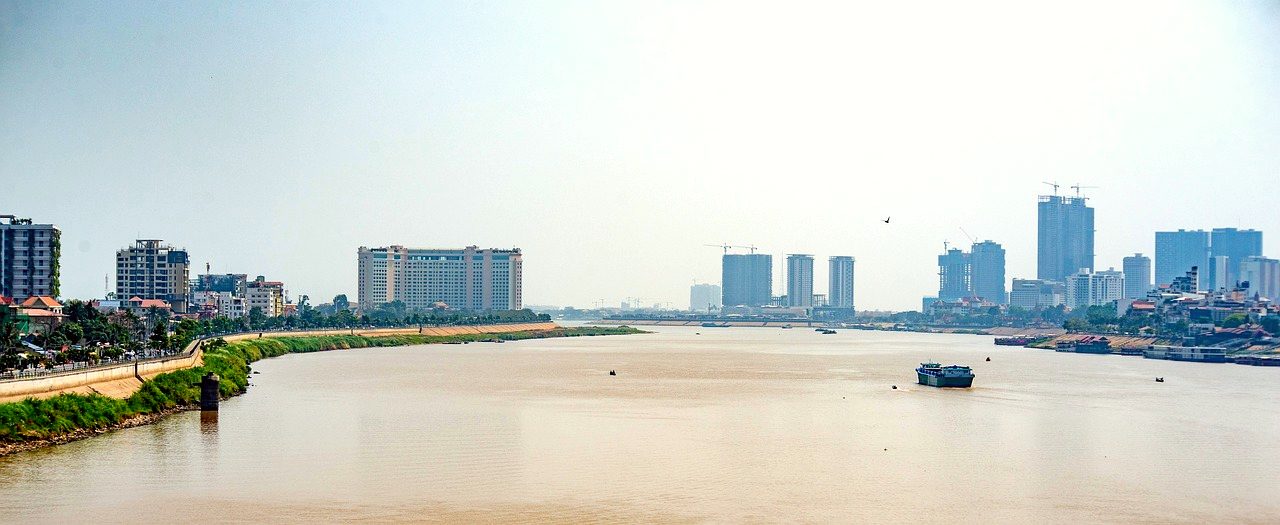
Phnom Penh, the capital of Cambodia, is a vibrant city where the past and present intertwine. Visitors are greeted by a mix of French colonial architecture, bustling markets, and the serene banks of the Mekong River, creating a unique atmosphere that invites exploration.

In pictures

Phnom Penh
Phnom Penh
Phnom Penh
Phnom Penh
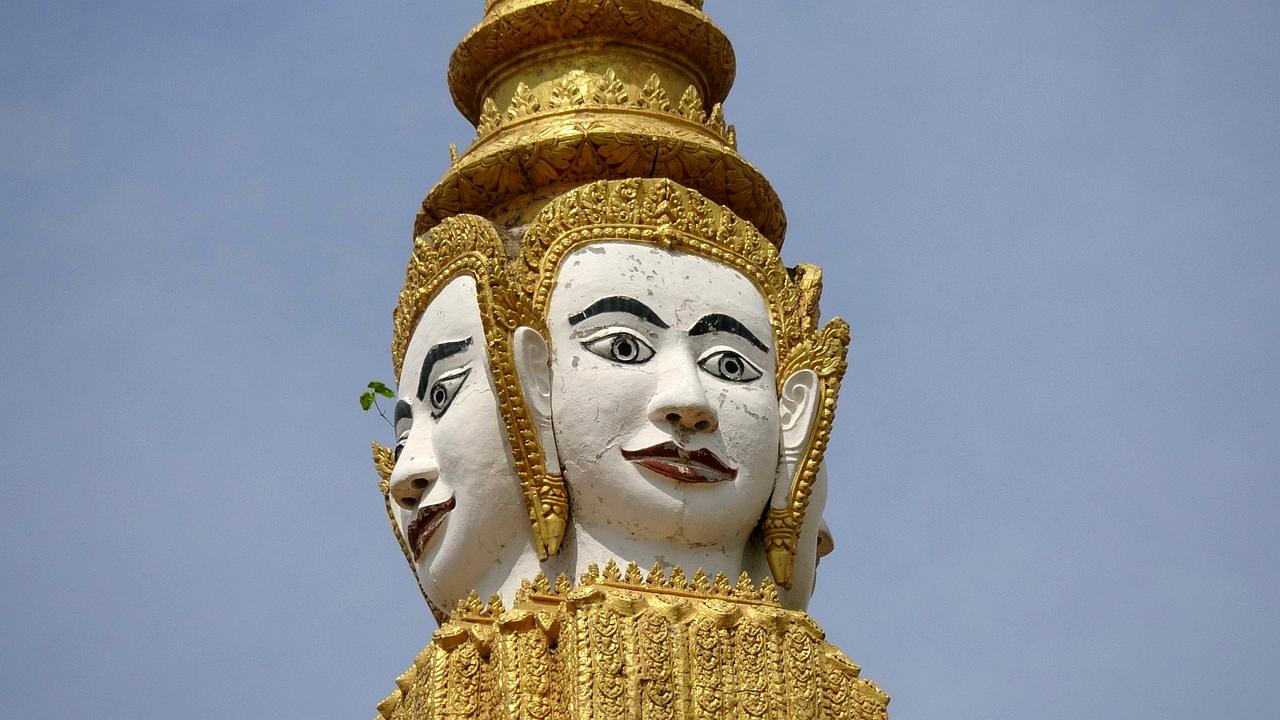
Stupa of King Ponhea Yat on the top of Wat Phnom
Phnom Penh from east drawn in 1887.

Sightseeing

Royal Palace: a stunning example of Khmer architecture
Silver Pagoda: home to a floor covered in silver tiles
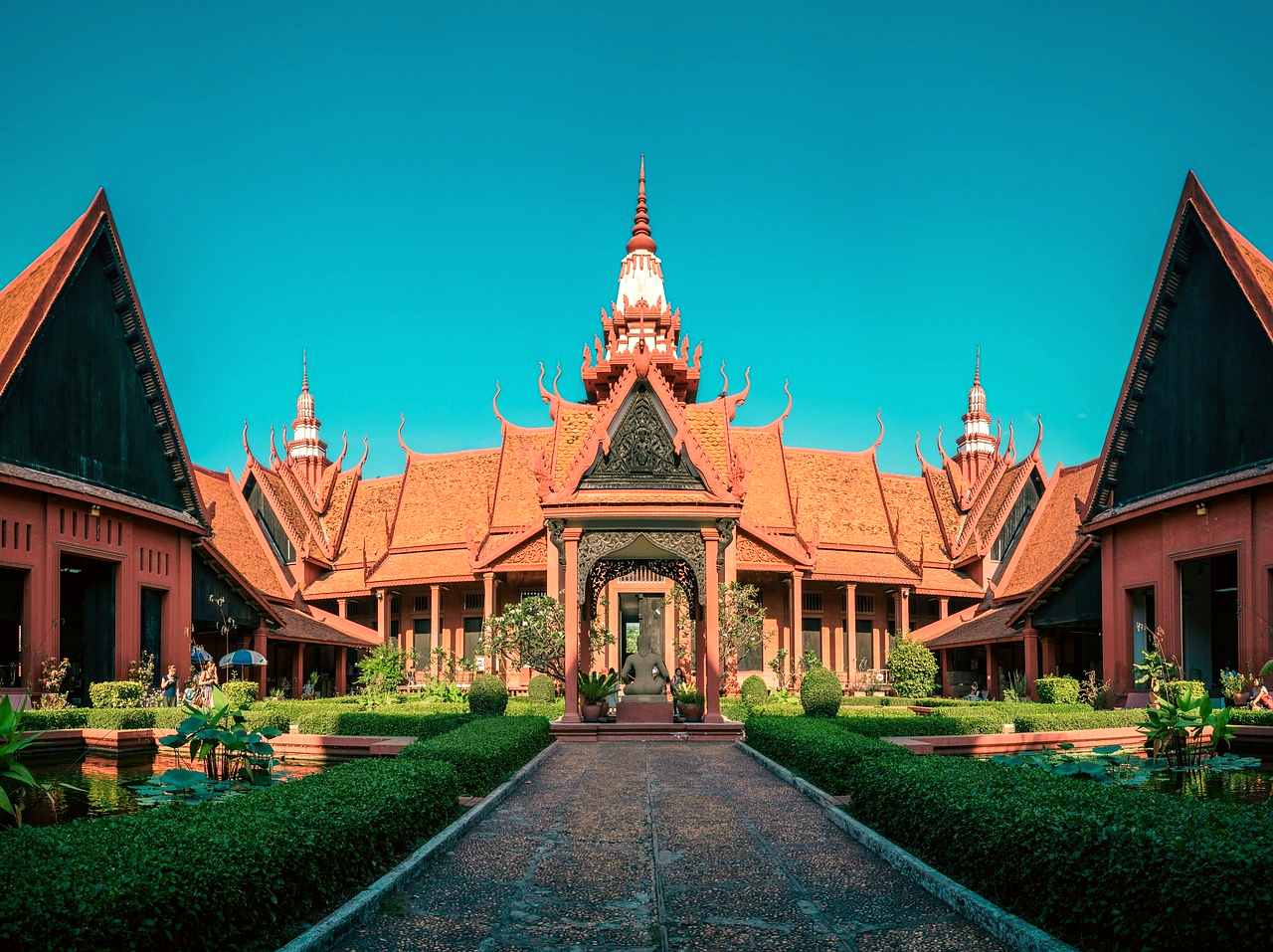
National Museum: showcases Cambodian art and history
Tuol Sleng Genocide Museum: a sobering reminder of the Khmer Rouge era
Choeung Ek Memorial: the infamous Killing Fields site
Wat Phnom: a hilltop temple offering city views
Central Market: a bustling hub for shopping and local culture
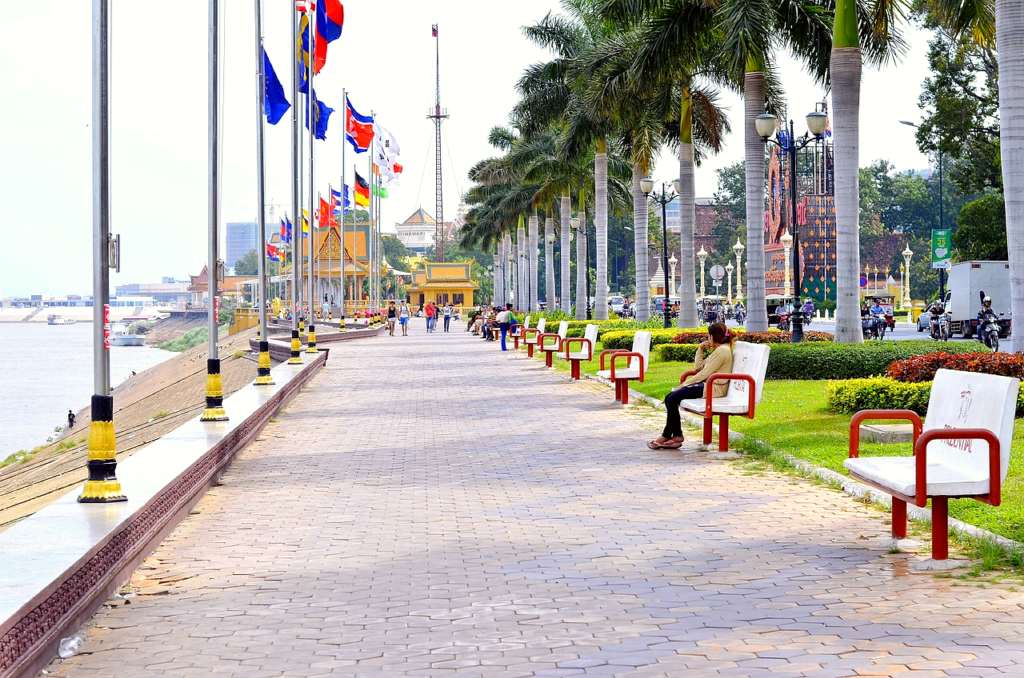
Sisowath Quay: a scenic riverside promenade

"A city of resilience and culture"Phnom Penh

Things to do

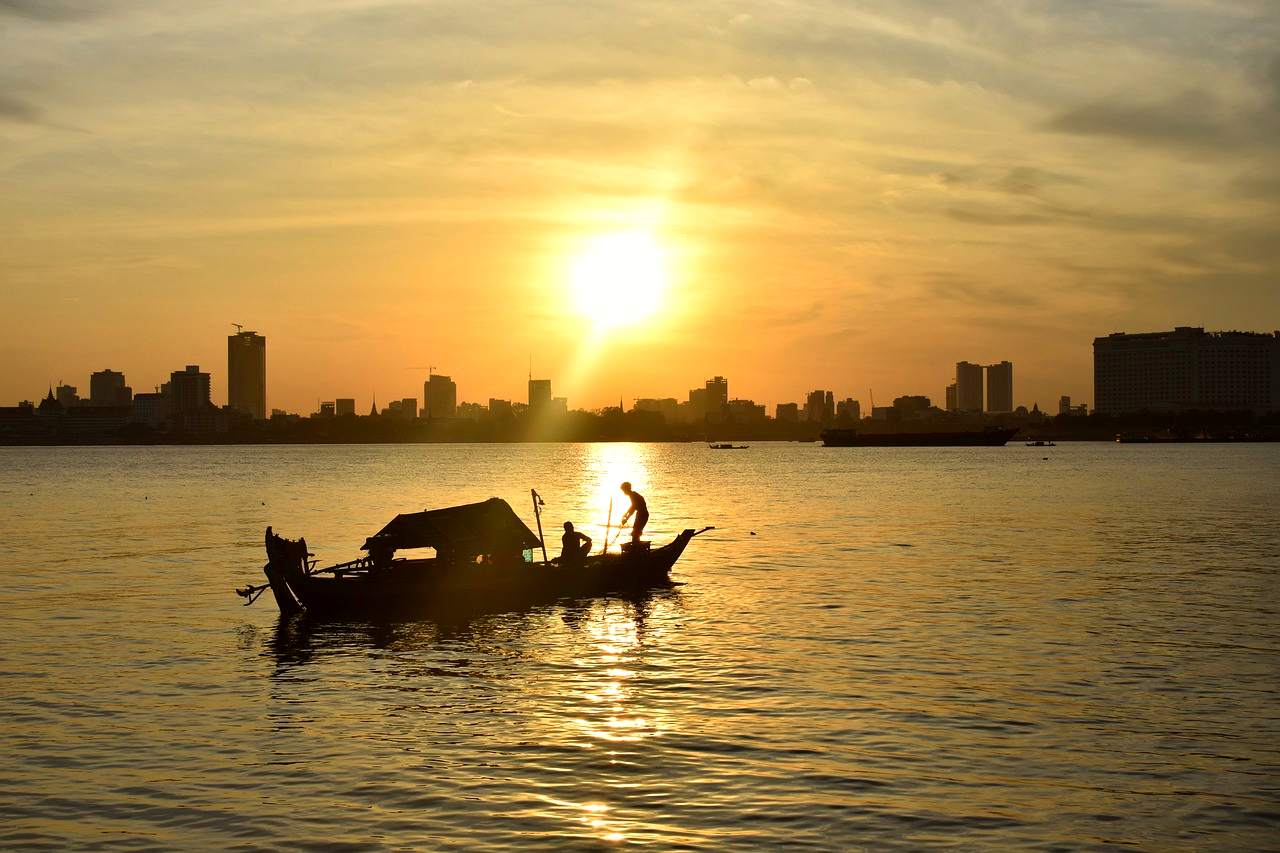
Take a boat cruise on the Mekong River: enjoy the city from the water.
Boats leave every evening, with many offering snacks or dinners at sunset for around US$8.
Visit local markets: experience the lively atmosphere at places like Central Market and shop for souvenirs.
Explore the nightlife: discover bars and clubs along Street 51 that cater to various tastes.
Attend a traditional dance performance: immerse yourself in Cambodian culture at the National Museum or the Royal Palace.
Join a cooking class: learn to prepare authentic Khmer dishes at places like the Cambodian Cooking Class.
Local food and drinks - Phnom Penh

Local food and drinks

Amok: a traditional fish curry served with rice
Lok Lak: stir-fried beef served with rice and lime
Num Banh Chok: a popular breakfast noodle dish
Sugarcane juice: a refreshing local drink
Street food stalls: try various snacks and local delicacies
Local traditions - Phnom Penh

Local traditions

Pchum Ben: a festival honoring deceased ancestors
Khmer New Year: a three-day celebration in April
Water Festival: a lively event celebrating the river's significance
Buddhist ceremonies: frequent rituals and offerings at temples

Do's and don'ts

Respect local customs and dress modestly at temples
Bargain politely at markets to get fair prices
Try to learn a few basic Khmer phrases
Support local businesses by eating at family-run restaurants
Don't take photos at sensitive sites without permission
Don't engage in illegal activities, as penalties can be severe
Don't assume everyone speaks English; be patient
Don't ignore local advice about safety and health precautions
info_outlinePracticalexpand_more
Since: Founded in the 15th century
Population: 2.000.000

About Phnom Penh

However, the city also bears the scars of its tumultuous history, which adds a layer of depth to its charm. As you wander through its streets, you will encounter both the lively spirit of its people and the poignant reminders of its past.

Things to know

Be cautious of scams in tourist areas, especially with tuk-tuk drivers.
Traffic can be chaotic, so plan your transport accordingly.
Avoid visiting during the hottest months, typically April and May, as temperatures can exceed 40 degrees Celsius.
Watch out for pickpockets in crowded places.

Good to know

Accessibility: Some areas are accessible, but many streets are uneven.
Price level: mid-range
history_eduHistoryexpand_more

Phnom Penh was founded in the 15th century, becoming the capital of Cambodia in the 1860s under French colonial rule. The city flourished, showcasing its rich culture and architecture, but faced devastation during the Khmer Rouge regime in the 1970s, which left deep scars on its population and infrastructure.

In recent years, Phnom Penh has been undergoing a transformation, with efforts to restore its heritage and promote tourism. The city now stands as a testament to resilience, blending its historical significance with modern development, making it a fascinating destination for travelers.

Photo: Wikipedia / Wikimedia Commons