search
search
add New trip
Cambodia

Cambodia

KH calendar_monthNov–Marbest time schedule10 daysplan for child_careYeswith kids confirmation_numberBudgetprice flagPhnom Penhcapital Cambodian Rielcurrency translateKhmerlanguage
CambodiaYour own route Plan a trip here →

Cambodia is a captivating blend of ancient history and vibrant culture, making it a unique destination for travelers. The country is known for its stunning temples, particularly Angkor Wat, and its warm, welcoming people who are eager to share their heritage.

In pictures

Tourists at Angkor Wat.
Angkor Wat
Angkor Wat
Angkor National Museum
Cambodian Cultural Village
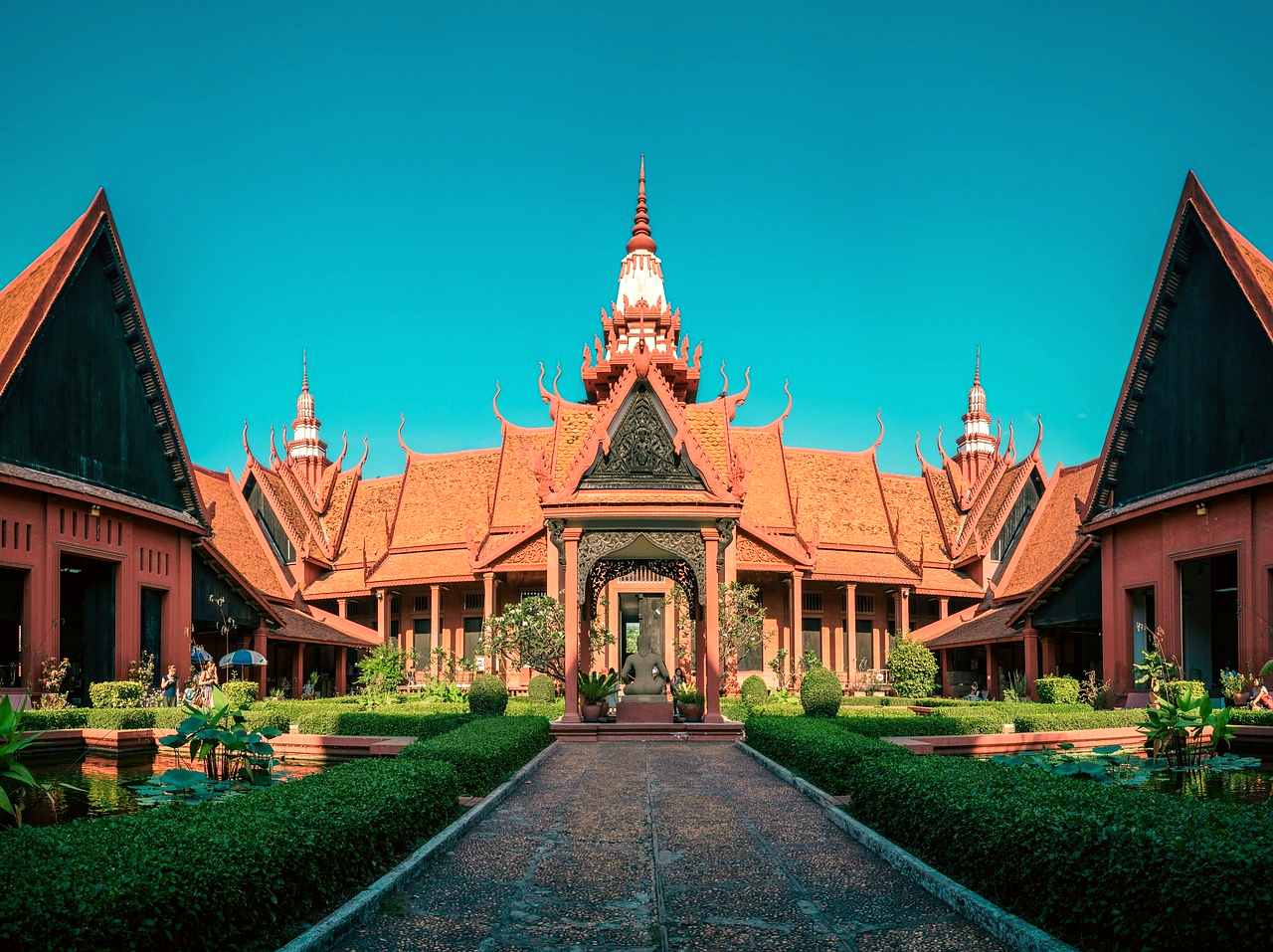
National Museum, Phnom Penh
Bou Sra Waterfall
Bou Sra Waterfall
Sambor Prei Kuk
Sambor Prei Kuk
Preah Vihear
Preah Vihear

Sightseeing

Angkor Wat: the largest religious monument in the world
Phnom Penh: the capital city with rich history
Siem Reap: gateway to the Angkor temples
Battambang: known for its colonial architecture
Koh Rong: beautiful island with pristine beaches
Tonle Sap Lake: a unique ecosystem and floating villages
Preah Vihear Temple: a stunning mountaintop temple
Sihanoukville: popular beach destination

"Discover the Heart of Southeast Asia"Cambodia

Things to do

Explore Angkor Archaeological Park: a UNESCO World Heritage site
Take a boat tour on Tonle Sap Lake: experience local life
Visit the Killing Fields: a sobering historical site
Enjoy a traditional Apsara dance performance: cultural experience
Relax on the beaches of Koh Rong: unwind in paradise
Cycle through rural villages: see daily life up close
Shop at local markets: find unique handicrafts
Attend a local festival: immerse in Cambodian culture
Local food and drinks - Cambodia

Local food and drinks

Amok: a coconut curry dish, try it in Phnom Penh
Lok Lak: stir-fried beef served with rice, popular in Siem Reap
Fish Sauce: a staple condiment, found everywhere
Khmer BBQ: grill your own meat at local restaurants
Num Banh Chok: traditional breakfast noodles, best in the morning
Palm Wine: a local alcoholic drink, enjoy it fresh
Local traditions - Cambodia

Local traditions

Pchum Ben: a festival honoring ancestors, celebrated in September
Khmer New Year: a major celebration in April
Water Festival: a vibrant event in November
Buddhist ceremonies: integral to daily life
Traditional silk weaving: a craft passed down through generations

Do's and don'ts

Respect local customs and traditions
Bargain politely at markets
Try to learn a few Khmer phrases
Remove shoes before entering homes and temples
Support local businesses and artisans
Don't touch someone's head, it's considered disrespectful
Don't take photos in restricted areas
Don't engage in public displays of affection
Don't assume everyone speaks English
Don't ignore local dress codes at temples
Angkor Wat at sunrise: a serene start

Angkor Wat at sunrise: a serene start

Watching the sunrise at Angkor Wat is a peaceful experience. The reflection of the temple in the water creates a moment of stillness before the day begins. Arrive early to avoid crowds and enjoy the tranquility. As the sun rises, the intricate carvings and towering spires come to life. Bring water and wear comfortable shoes, as exploring the vast temple complex can take several hours. Be prepared for the heat, especially during the dry season from November to April.

Discover Cambodia's history in Siem Reap

Discover Cambodia's history in Siem Reap

The Siem Reap Museum offers a deep dive into Cambodia's rich history. Exhibits showcase artifacts from the Angkor period, providing context to the temples you will visit. The museum is not large, so you can explore it in a couple of hours. Guided tours are available, which can enhance your understanding of the displays. Admission is affordable, making it a worthwhile stop before heading to the nearby temples. Consider visiting in the late afternoon to avoid the midday heat.

Preah Vihear: a temple with a view

Preah Vihear: a temple with a view

The Temple of Preah Vihear is perched on a mountaintop, offering sweeping views of the surrounding landscape. The journey to the temple involves a steep climb, but the panoramic vistas are rewarding. The temple itself is less crowded than Angkor Wat, allowing for a more intimate experience. Bring a camera for the views and be ready for a bit of a hike. The best time to visit is during the cooler months from November to February, when the weather is more pleasant.

info_outlinePracticalexpand_more
Population: 17.000.000
Best time: November to February

About Cambodia

While exploring Cambodia, expect a mix of bustling cities and serene countryside. The roads can be challenging, and public transport is limited, but the adventure of navigating this beautiful country is part of its charm.

Basic information

Capital: Phnom Penh
Language: Khmer
Currency: Cambodian Riel
Best time to visit: November to February

Travel information

Fly into Phnom Penh or Siem Reap for international access. Use tuk-tuks or motorbikes for local transport; negotiate fares in advance. Road conditions can be poor, especially in rural areas where unpaved roads are common. ATMs are widely available, but cash is preferred for smaller vendors. Mobile connectivity is good in cities, but expect limited service in rural areas.

Things to know

Be cautious of scams, especially in tourist areas like Siem Reap and Phnom Penh.
Respect local customs, particularly at religious sites such as Angkor Wat.
Dress modestly when visiting temples; women should cover shoulders and knees.
Be prepared for occasional power outages, especially during the rainy season from May to October.
Check for local holidays like Khmer New Year in April that may affect services.

Good to know

Accessibility: Many areas are challenging for limited mobility.
Price level: budget
history_eduHistoryexpand_more
History - Cambodia

Cambodia's history is marked by the Khmer Empire, which flourished from the 9th to the 15th century, leaving behind magnificent temples like Angkor Wat. The empire was a center of art, culture, and trade, influencing much of Southeast Asia.

In the 20th century, Cambodia faced turmoil during the Khmer Rouge regime, leading to significant loss of life and cultural heritage. Today, the country is rebuilding and embracing its rich history while looking towards a brighter future.

Photo: Wikipedia / Wikimedia Commons