kiomigo
search
search
add Neue Reise
Siem Reap

Siem Reap

Bevölkerung: 200.000 Seit: Founded around 802 AD Preis: Mid-range
accessible Barrierefreiheit: Some areas are wheelchair accessible, but many temples have steep stairs.

Einführung

Siem Reap is a vibrant city that serves as the gateway to the Angkor Wat temple complex. With a mix of rich history and modern amenities, it offers a unique blend of culture and adventure, making it a favorite among travelers.

The city is alive with markets, street food, and a lively nightlife scene. However, it can be overwhelming at times, especially during peak tourist seasons, so be prepared for crowds and a bustling atmosphere.

Sightseeing

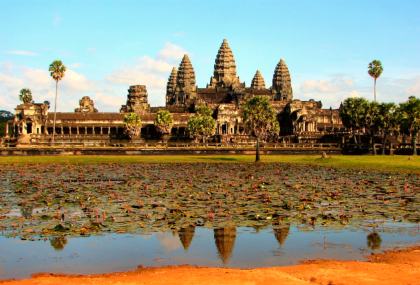
Angkor Wat: the largest religious monument in the world
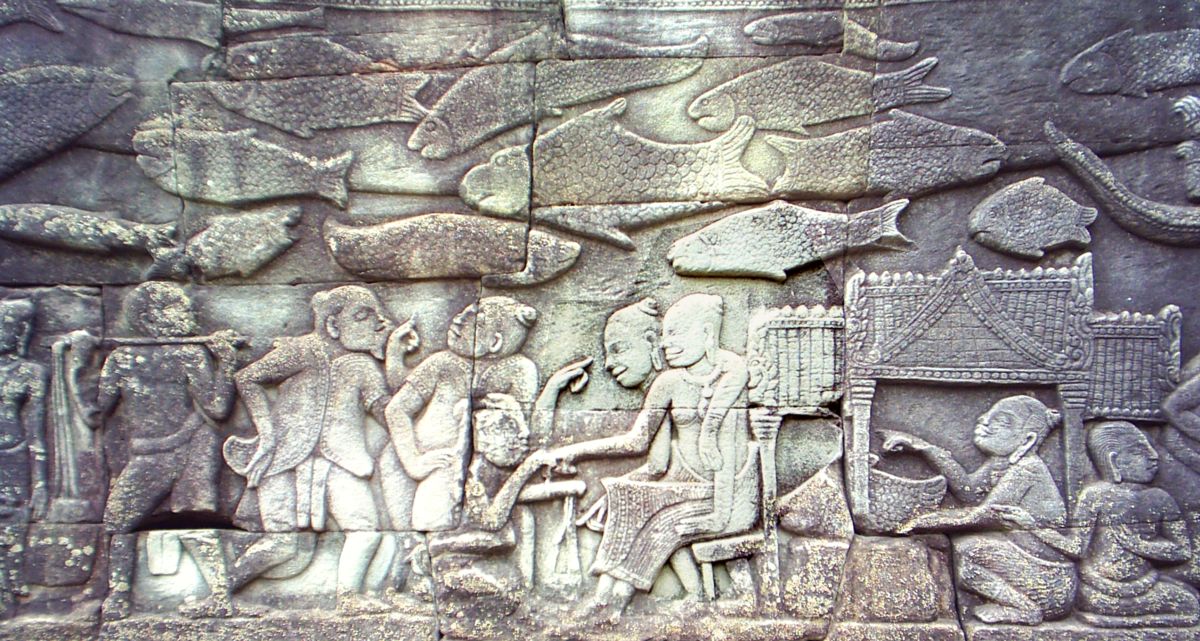
Bayon Temple: famous for its stone faces
Ta Prohm: known for its tree-covered ruins
Angkor National Museum: showcases Khmer history
Pub Street: the heart of Siem Reap's nightlife
Phare, The Cambodian Circus: a unique cultural performance
Banteay Srei: a temple known for its intricate carvings
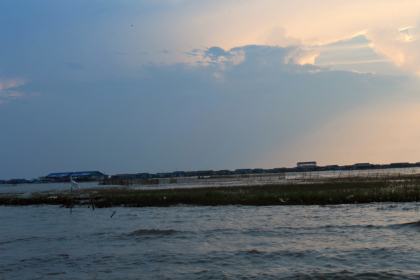
Tonle Sap Lake: a vast freshwater lake with floating villages

"Gateway to Ancient Wonders"Siem Reap

Things to do

Explore the Angkor Archaeological Park: a UNESCO World Heritage site
Take a hot air balloon ride: offers stunning aerial views
Visit local markets: experience authentic Cambodian culture
Enjoy a traditional Apsara dance performance: a glimpse into Khmer art
Take a cooking class: learn to make local dishes

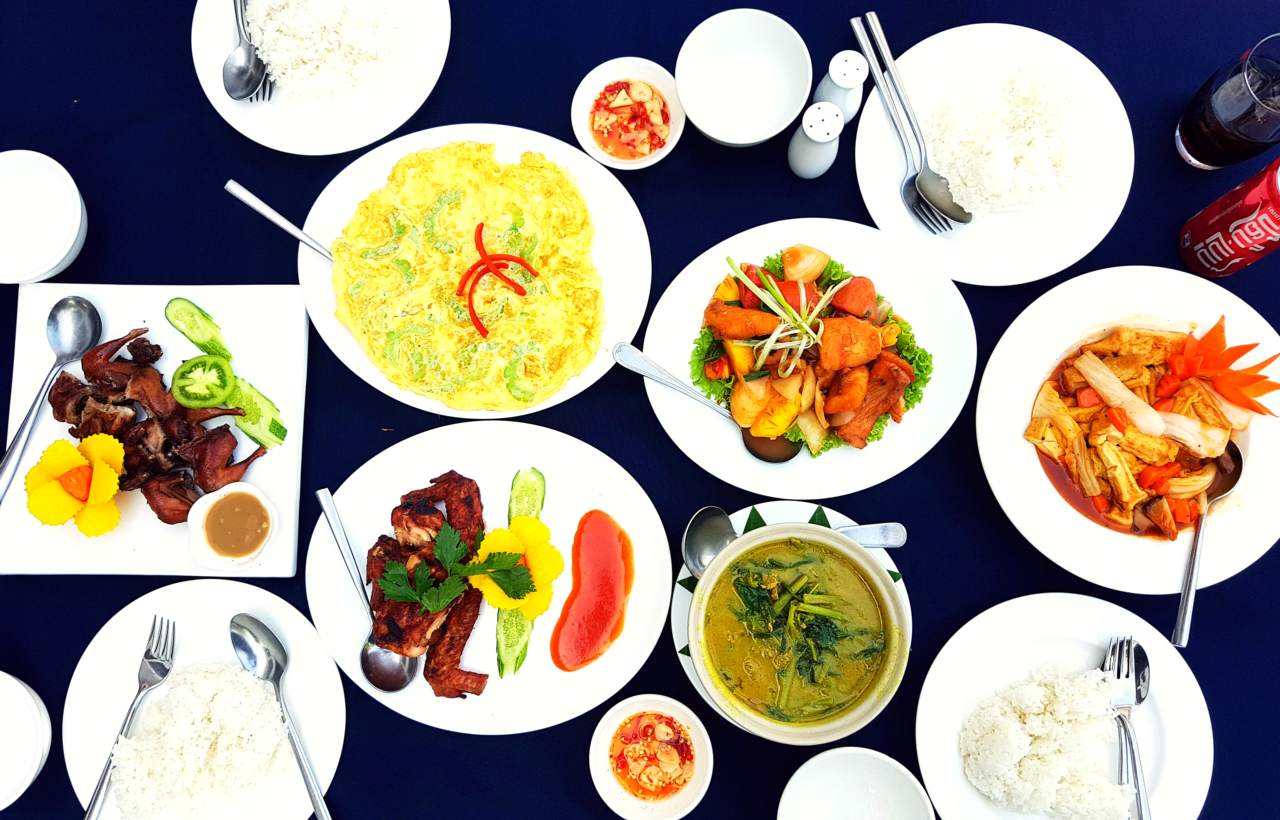
Lokales Essen und Trinken

Amok: a traditional Cambodian curry
Lok Lak: stir-fried beef served with rice
Fish Amok: a popular fish curry dish
Kuy Teav: a noodle soup enjoyed by locals
Street food stalls: try various snacks and dishes

Lokale Traditionen

Water Festival: a major celebration in November
Pchum Ben: a festival honoring ancestors
Khmer New Year: celebrated in April with various activities
Apsara Dance: a traditional dance form reflecting Khmer culture
Geschichte - Siem Reap

Geschichte

Siem Reap has a rich history that dates back to the Khmer Empire, which flourished from the 9th to the 15th centuries. The city was once a significant center for trade and culture, closely linked to the majestic temples of Angkor.

In the 20th century, Siem Reap transformed into a tourist hub, especially after the fall of the Khmer Rouge. Today, it balances its historical significance with modern tourism, making it a fascinating place to explore.

Wissenswertes

Be cautious of tourist traps, especially around temples
Transport can be chaotic; negotiate tuk-tuk fares upfront
Pickpocketing can occur in crowded areas, stay vigilant
The best time to visit is during the dry season, from November to March

Do's und Don'ts

Visit the temples at sunrise for fewer crowds
Bargain at local markets for the best prices
Try local street food for an authentic experience
Respect local customs and dress modestly at temples
Don't take photos where prohibited, especially at temples
Don't engage with aggressive vendors or beggars
Don't forget to stay hydrated in the heat
Don't rush through the temple visits, take your time

Gut zu wissen

Barrierefreiheit: Some areas are wheelchair accessible, but many temples have steep stairs.
Price level: mid-range

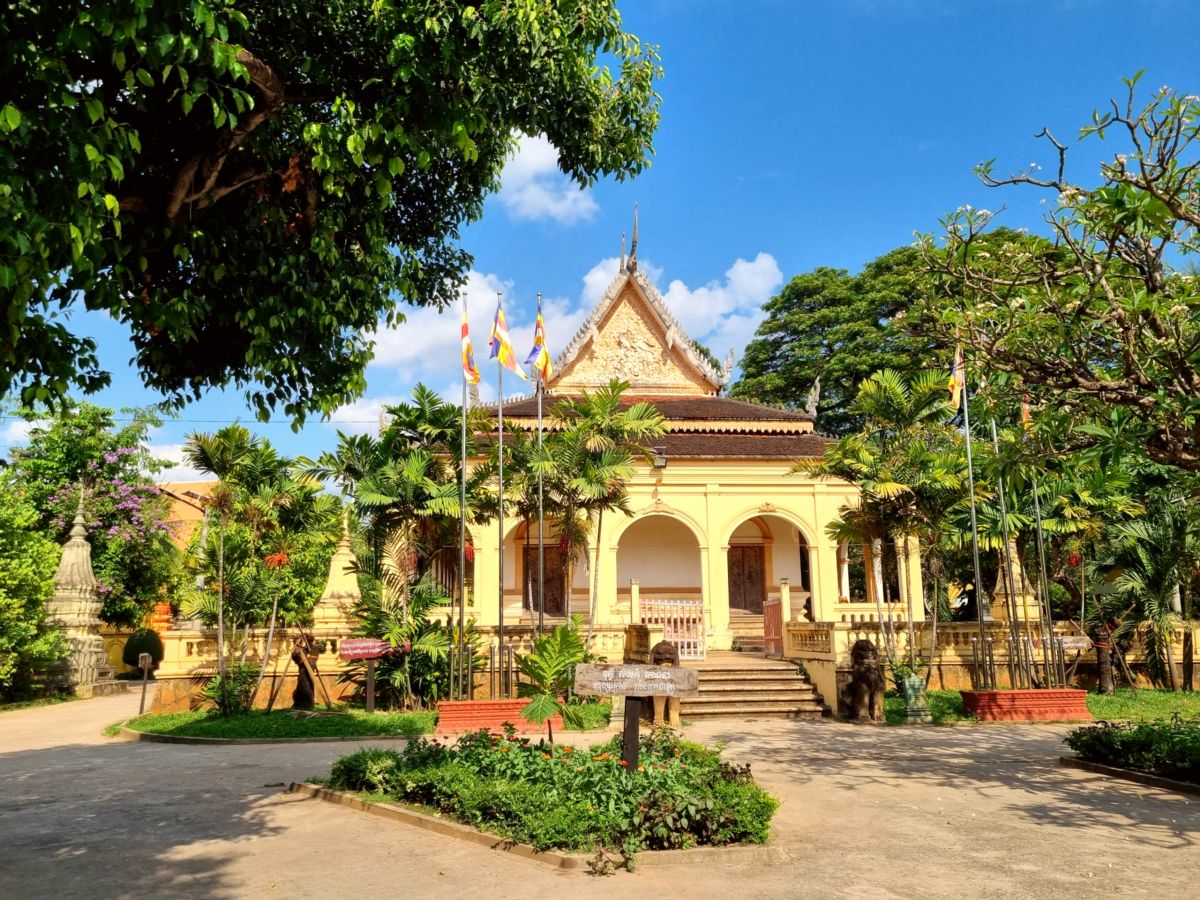
Foto: Wikipedia / Wikimedia Commons