search
search
add New trip
Sihanoukville

Sihanoukville

calendar_monthNov–Marbest time schedule5 daysplan for directions_car2 h 33from Phnom Penh child_careYeswith kids confirmation_numberMid-rangeprice
SihanoukvilleYour own route Plan a trip here →

Sihanoukville, a coastal city in Cambodia, offers a blend of vibrant beach life and a laid-back atmosphere. Visitors are drawn to its sandy shores and lively nightlife, but the city is also undergoing rapid development, which can change its character quickly.

In pictures

Sihanoukville
Sihanoukville
Sihanoukville
Sihanoukville
French civil servant Auguste Pavie (centre) and Pierre Lefèvre-Pontalis in 1893 with Cambodian interpreters
Sihanoukville in 1964.

Sightseeing

Ochheuteal Beach: popular for its lively atmosphere
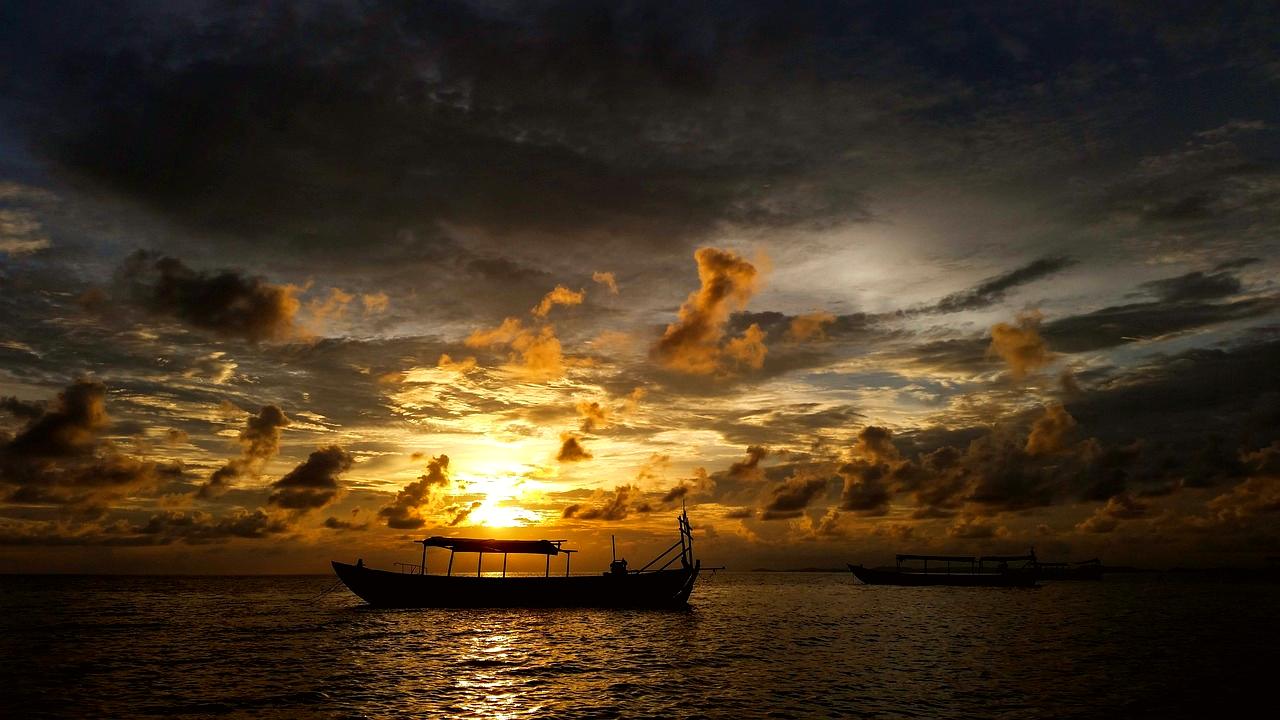
Serendipity Beach: known for its sunset views
Ream National Park: a natural reserve with diverse wildlife
Wat Leu: a hilltop temple offering panoramic views
Koh Rong: an island getaway with pristine beaches
Golden Lions Roundabout: a local landmark and meeting point
Phsar Leu Market: a bustling market for local goods
Independence Monument: a symbol of Cambodia's independence

"Where beaches meet vibrant culture"Sihanoukville

Things to do

Relax on the beaches: enjoy sunbathing and swimming at Ochheuteal Beach or Serendipity Beach.
Explore local markets: experience authentic Cambodian culture at Psaa Leu.
Take a boat trip: visit nearby islands like Koh Rong and Koh Rong Samloem.
Enjoy water sports: try jet skiing or snorkeling at Otres Beach.
Visit local temples: learn about Cambodian spirituality at Wat Leu.
Local food and drinks - Sihanoukville

Local food and drinks

Amok: a traditional Cambodian curry dish
Lok Lak: stir-fried beef served with rice
Fresh seafood: available at many beachside restaurants
Kuy Teav: a popular noodle soup
Palm sugar drinks: refreshing local beverages
Local traditions - Sihanoukville

Local traditions

Pchum Ben: a festival honoring ancestors
Water Festival: celebrated with boat races and festivities
Khmer New Year: a time for family gatherings and celebrations
Buddhist ceremonies: frequent events at local temples

Do's and don'ts

Explore local eateries: taste authentic Cambodian cuisine
Bargain at markets: it's expected and part of the experience
Respect local customs: dress modestly when visiting temples
Use reliable transport: opt for reputable taxi services
Don't ignore your belongings: petty theft can occur
Don't swim in unmonitored areas: safety is a concern
Don't engage with aggressive vendors: it can lead to uncomfortable situations
Don't rush your visit: take time to enjoy the slower pace
info_outlinePracticalexpand_more
Since: Founded in the 1960s
Population: 100.000

About Sihanoukville

While the beaches are beautiful, they can get crowded, especially during peak season. It's essential to explore beyond the main tourist areas to find quieter spots and experience local culture.

Things to know

Be cautious of beach vendors: some may overcharge.
Traffic can be chaotic: expect delays and crowded roads.
Safety can be an issue: keep an eye on your belongings.
Avoid peak season: beaches can be overcrowded during holidays, especially around Khmer New Year in April.

Good to know

Accessibility: Some areas are wheelchair accessible, but many are not.
Island: yes
Price level: mid-range
history_eduHistoryexpand_more

Sihanoukville was founded in the 1960s as a port city and quickly became a popular destination for both locals and tourists. Named after King Norodom Sihanouk, it was developed to promote trade and tourism along Cambodia's coastline.

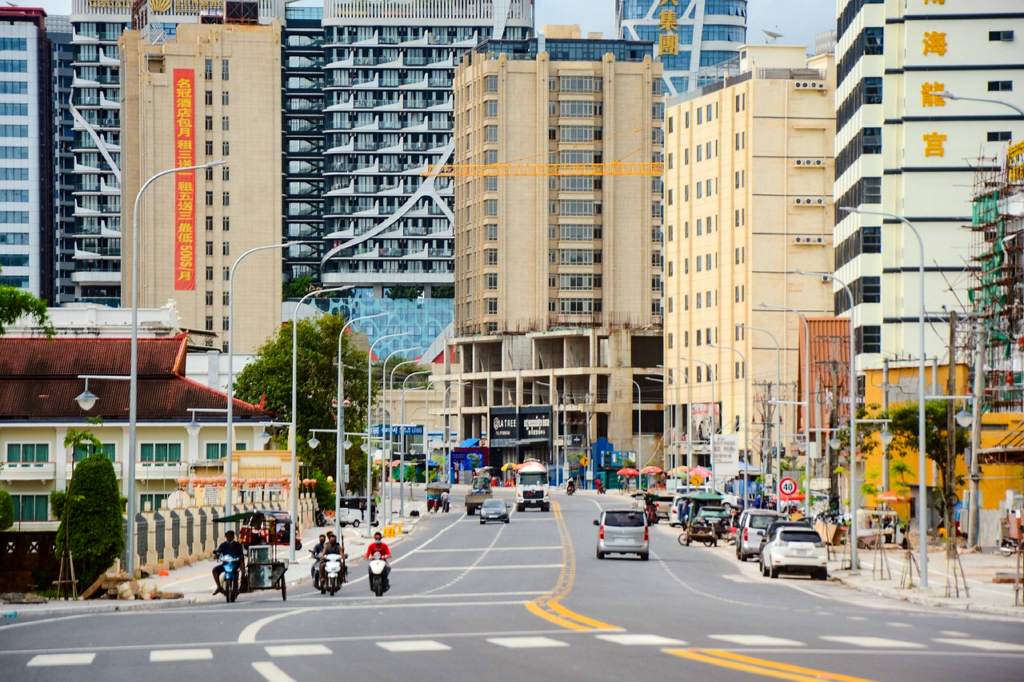
The city has seen significant changes over the decades, especially during the Khmer Rouge regime, which left it largely abandoned. In recent years, Sihanoukville has experienced a construction boom, transforming it into a bustling hub, but this rapid development has also raised concerns about environmental impact and cultural preservation.

Photo: Wikipedia / Wikimedia Commons