Guilin
Guilin is a picturesque city in southern China, renowned for its stunning karst landscape and the Li River. Visitors are often captivated by the dramatic limestone peaks and lush greenery that surround the area, creating a serene atmosphere perfect for exploration.
Read more
The city blends natural beauty with rich cultural heritage, offering a glimpse into traditional Chinese life. While it attracts many tourists, it retains a charm that makes wandering its streets and markets a delightful experience.
Highlights
Sightseeing
Things to do
Local food and drinks
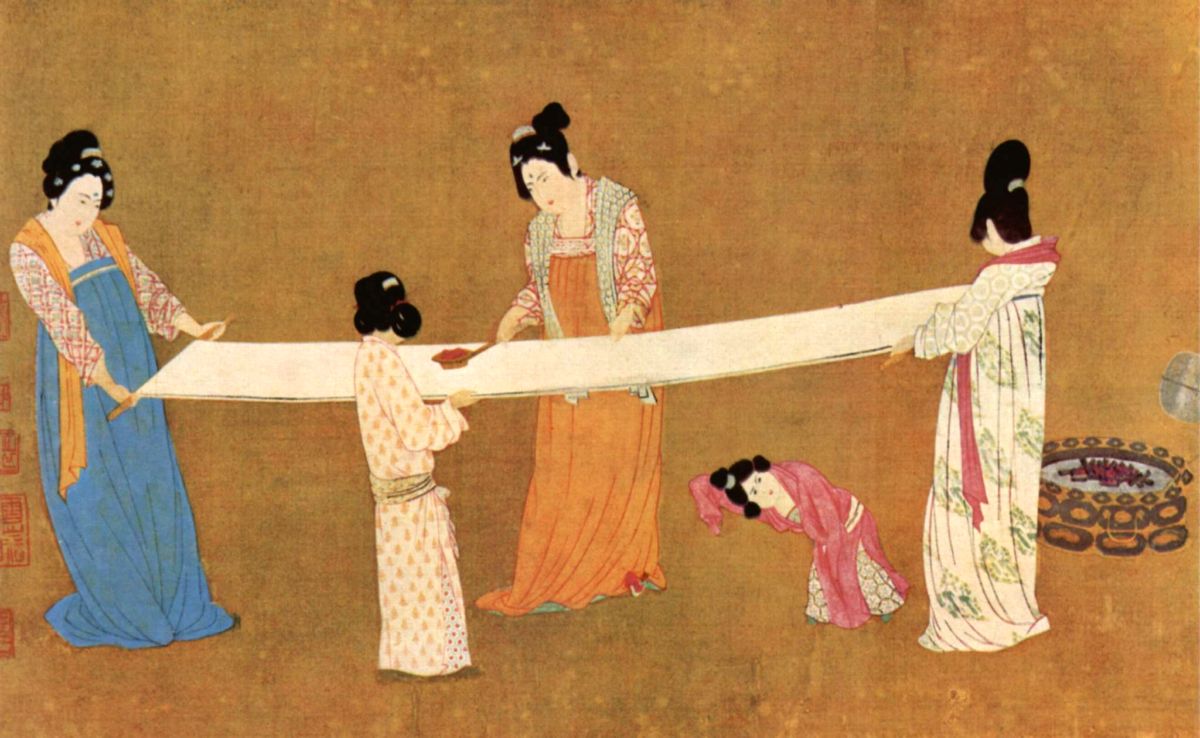 Meister nach Chang Hsüan · Public domain
Local traditions
Do's and don'ts
Practical
At a glance
- Founded
- 200 BC
- Population
- 700.000
- Accessibility
- Some areas are wheelchair accessible, but many attractions have stairs.
- Price level
- Mid-range
Things to know
History
Guilin's history dates back over 2,000 years, with its strategic location along the Li River making it an important trade hub. The city has been a cultural center since the Tang Dynasty, attracting poets and artists who were inspired by its natural beauty.
Throughout history, Guilin has witnessed various dynasties and conflicts, shaping its rich cultural tapestry. Today, it stands as a testament to both ancient traditions and modern development, making it a fascinating destination for history enthusiasts.