Shanxi
 Apr–May, Sep–Octbest time
7 daysplan for
Yeswith kids
Apr–May, Sep–Octbest time
7 daysplan for
Yeswith kids
Shanxi, located in northern China, is known for its rich history and cultural heritage. The region is home to ancient temples, traditional courtyard houses, and the famous Pingyao Ancient City, which offers a glimpse into China's past.
Read more
Travelers can explore the stunning landscapes of the Taihang Mountains and the Yellow River. The province is also recognized for its unique local cuisine, which features flavors and ingredients distinct to the area.
Sightseeing
Local food and drinks
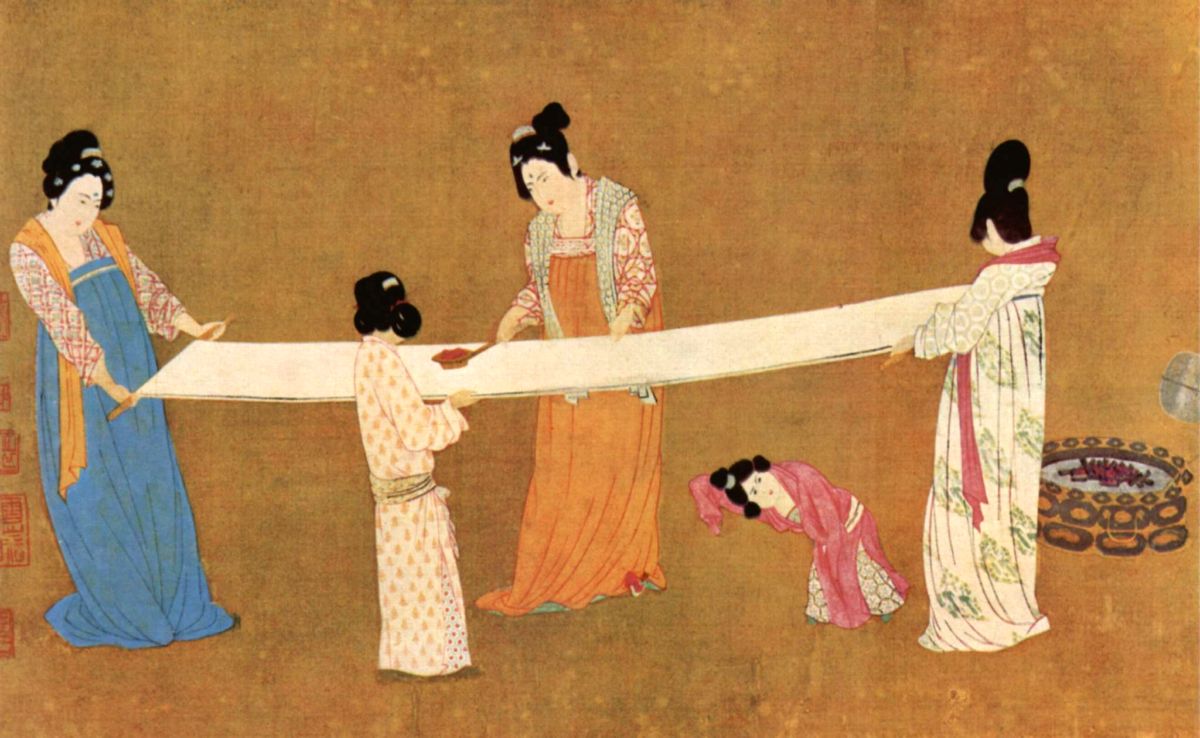 Meister nach Chang Hsüan · Public domain
Local traditions
Practical
At a glance
- Best time
- April to October
History
Shanxi has a long and storied history, dating back to ancient dynasties. It was a major center for trade and commerce, particularly during the Ming and Qing dynasties, when it became known for its banking and finance.
The region is also significant for its role in the development of Chinese culture, with many historical figures and events linked to its towns and cities. The preservation of ancient architecture and traditions reflects this rich heritage.