kiomigo
search
search
add New trip
Lhasa

Lhasa

Population: 200.000 Since: Founded around 600 AD Price: Mid-range Capital city
accessible Accessibility: Some areas are challenging for limited mobility

Introduction

Lhasa, the spiritual heart of Tibet, offers a unique blend of ancient culture and breathtaking landscapes. Visitors are often struck by the serene atmosphere and the vibrant colors of the monasteries that dot the city.

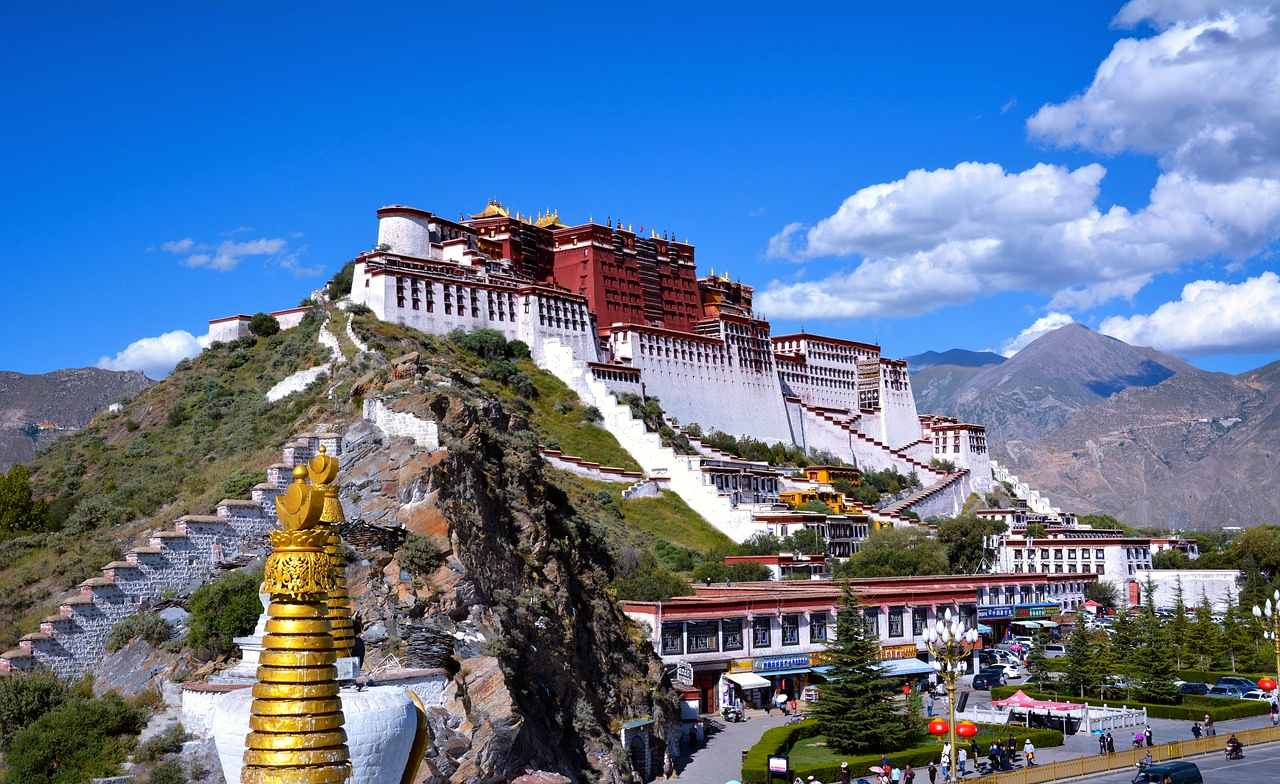
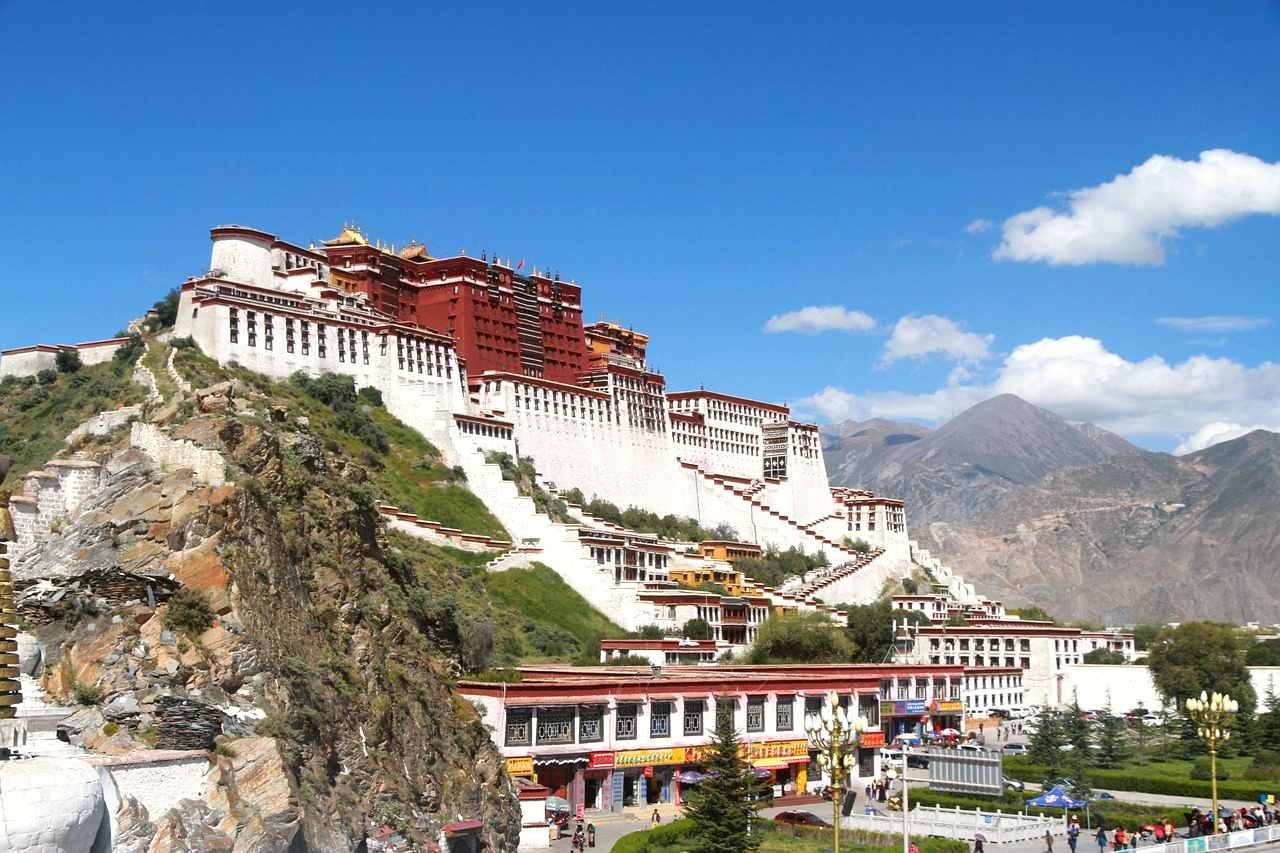
Walking through Lhasa feels like stepping back in time, with pilgrims circling the Jokhang Temple and the majestic Potala Palace looming above. The altitude can be challenging, so take it slow and soak in the rich history and traditions that permeate every corner.

In pictures

Lhasa
Lhasa
Lhasa
Lhasa
Lhasa
Lhasa

Sightseeing

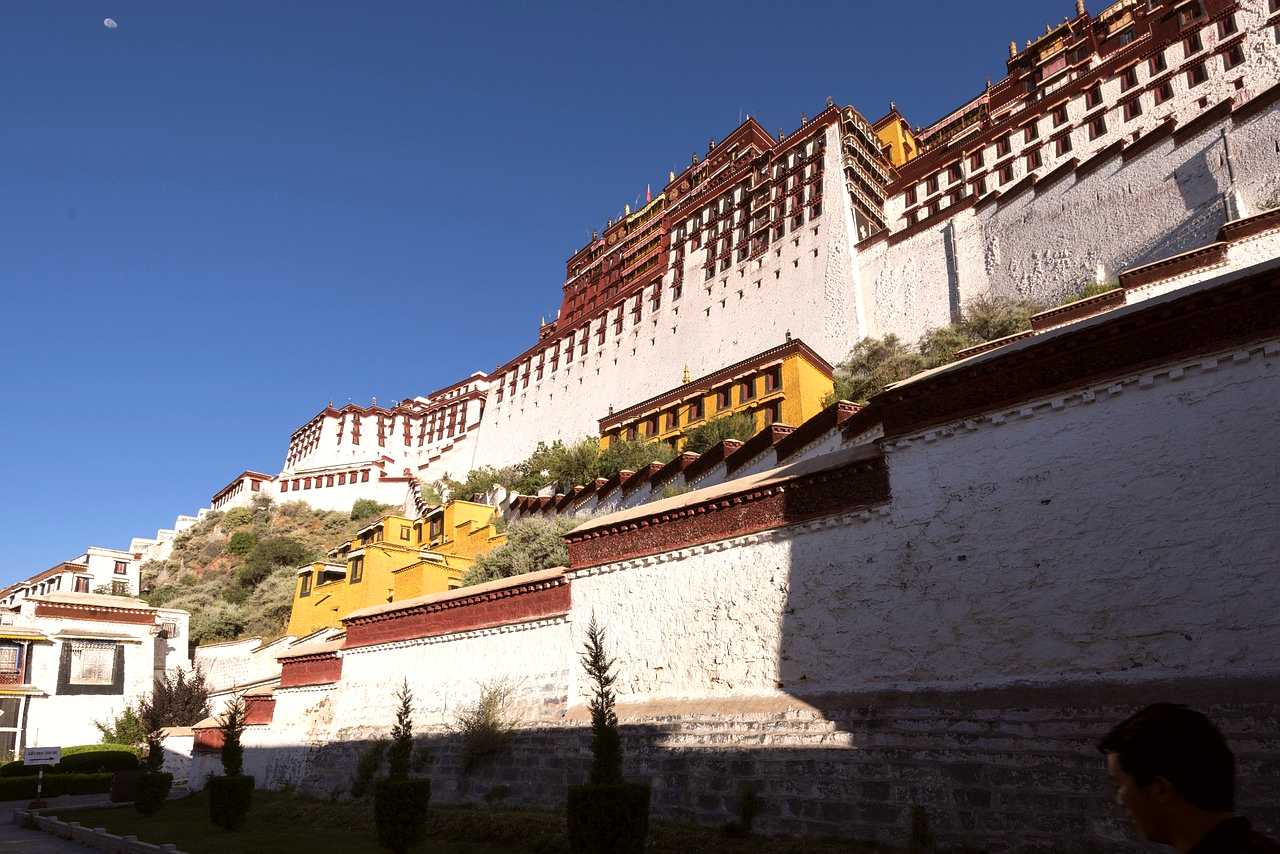
Potala Palace: iconic former residence of the Dalai Lama
Jokhang Temple: sacred site for Tibetan Buddhism
Barkhor Street: bustling market surrounding Jokhang
Sera Monastery: famous for its debating monks
Norbulingka: summer palace of the Dalai Lamas
Drepung Monastery: one of the largest monasteries in Tibet
Ramoche Temple: smaller but significant temple nearby
Tibet Museum: showcases Tibetan culture and history

"A Spiritual Journey Awaits You"Lhasa

Things to do

Explore the Potala Palace: marvel at its architecture and history
Walk the Barkhor Circuit: experience local culture and spirituality
Attend a monk debate at Sera Monastery: witness a unique tradition
Visit local markets: shop for handicrafts and souvenirs
Take a day trip to Yamdrok Lake: enjoy stunning natural beauty

Local food and drinks

Momos: Tibetan dumplings, a must-try
Thukpa: hearty noodle soup, perfect for cold days
Butter tea: traditional drink, an acquired taste
Tsampa: roasted barley flour, a staple food
Lhasa Beer: local brew, refreshing after a long day

Local traditions

Losar: Tibetan New Year celebration with festivities
Saga Dawa: month-long festival honoring Buddha's life
Pilgrimage: many locals undertake journeys to sacred sites
Monastic festivals: vibrant celebrations at various monasteries
History - Lhasa

History

Lhasa has been a cultural and religious center for centuries, with its roots tracing back to the 7th century when it became the capital of Tibet. The construction of the Potala Palace in the 17th century marked a significant period in Tibetan history, symbolizing the power of the Dalai Lamas.

Throughout the years, Lhasa has faced political changes and challenges, especially during the 20th century. Despite these upheavals, it remains a vital hub for Tibetan culture and spirituality, drawing visitors from around the world.

Things to know

Be prepared for high altitude sickness; acclimatization is essential
Transport can be limited; plan ahead for taxis and buses
Some areas may be crowded with tourists; seek quieter times
Respect local customs, especially in religious sites

Do's and don'ts

Respect local customs and dress modestly
Take time to acclimatize to the altitude
Engage with locals; they are often friendly and welcoming
Try local foods for an authentic experience
Don't take photos in restricted areas, especially in monasteries
Don't engage in political discussions; it's sensitive
Don't rush your visit; savor the atmosphere
Don't ignore altitude sickness; listen to your body

Good to know

Accessibility: Some areas are challenging for limited mobility
Price level: mid-range

Photo: Wikipedia / Wikimedia Commons