Pilgrims at Jokhang Temple
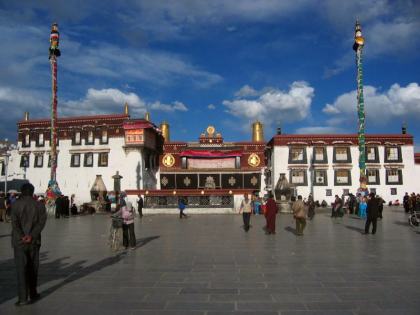
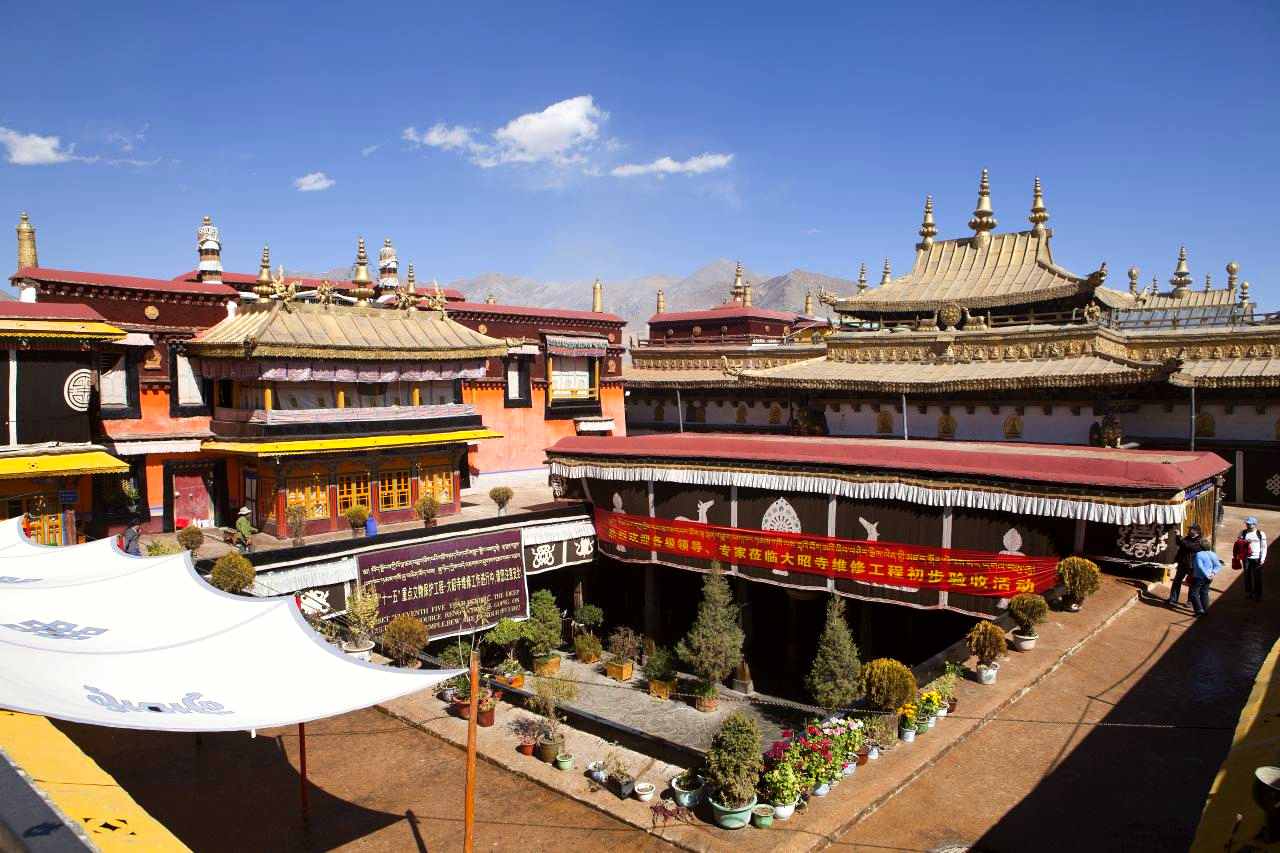
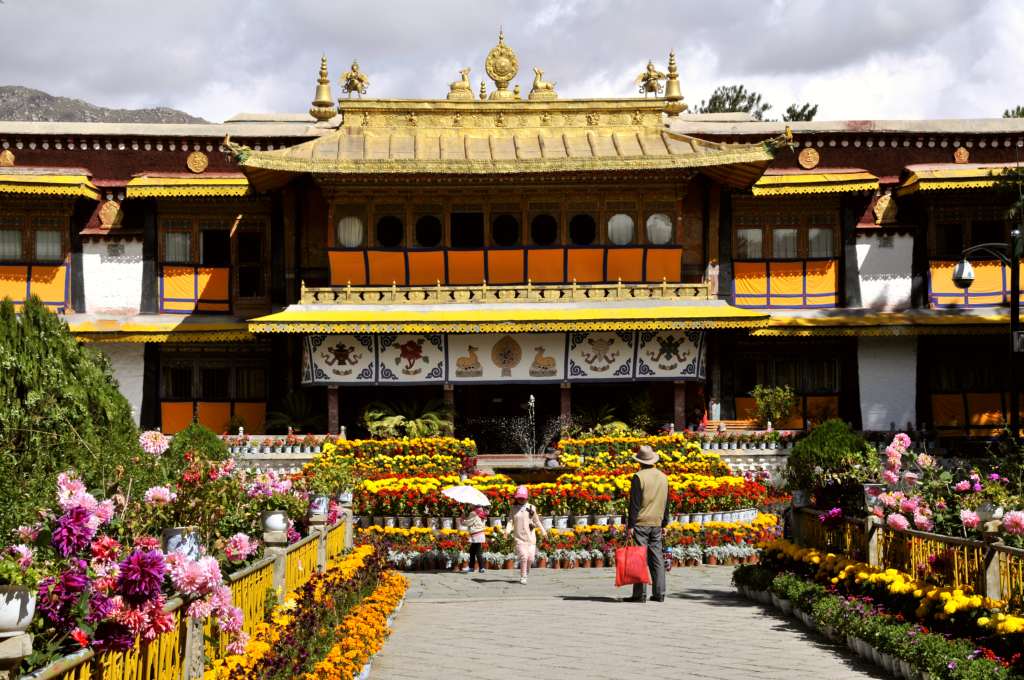
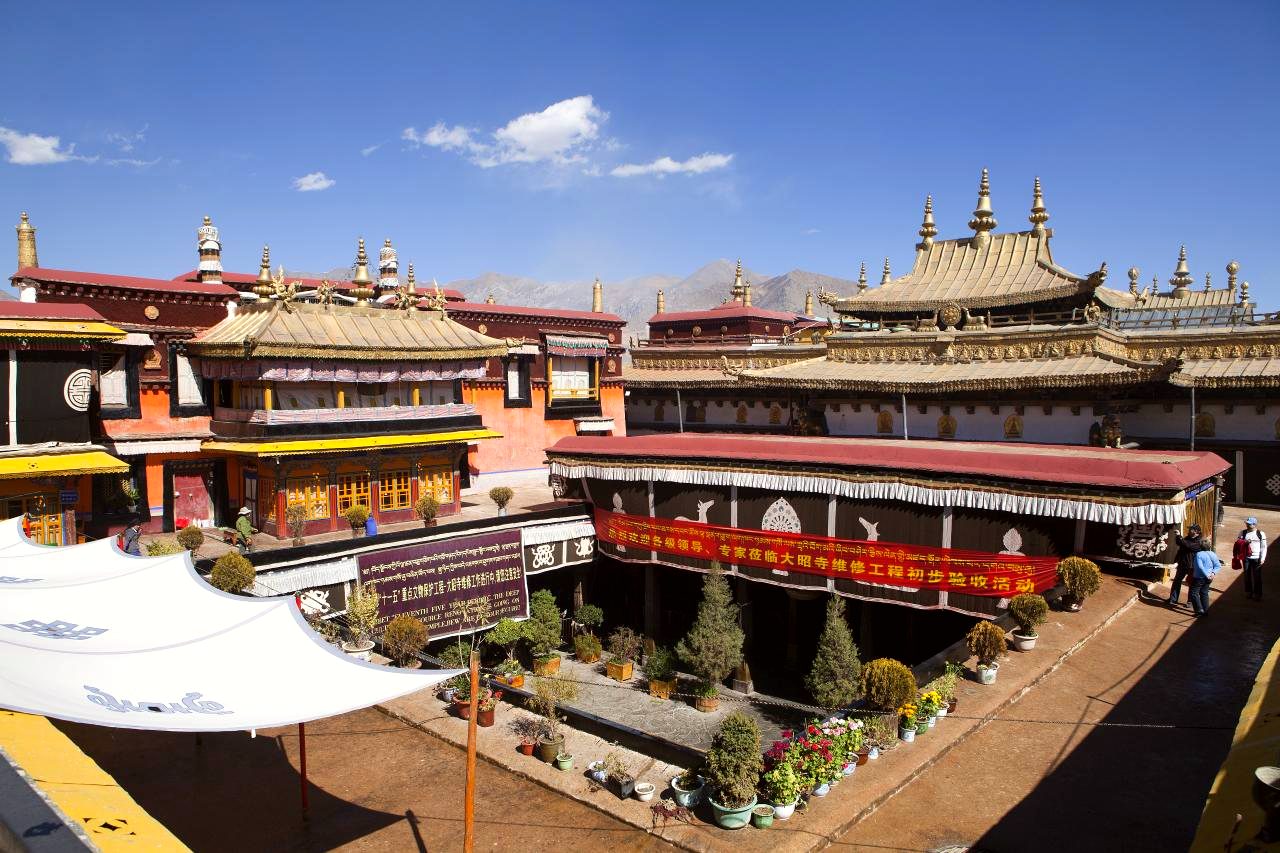
El Templo Jokhang es el centro espiritual de Lhasa. Aquí puedes ver a los peregrinos postrándose mientras dan la vuelta al templo. El ambiente está lleno del aroma del incienso y el sonido de los cantos. Tómate tu tiempo para observar las intrincadas tallas de madera y el techo dorado. El templo es un sitio de Patrimonio Mundial de la UNESCO y suele estar lleno de gente, especialmente durante los festivales. Llegar temprano por la mañana puede ofrecerte una experiencia más tranquila, permitiéndote apreciar la devoción de los locales.
Exploring Drepung Monastery
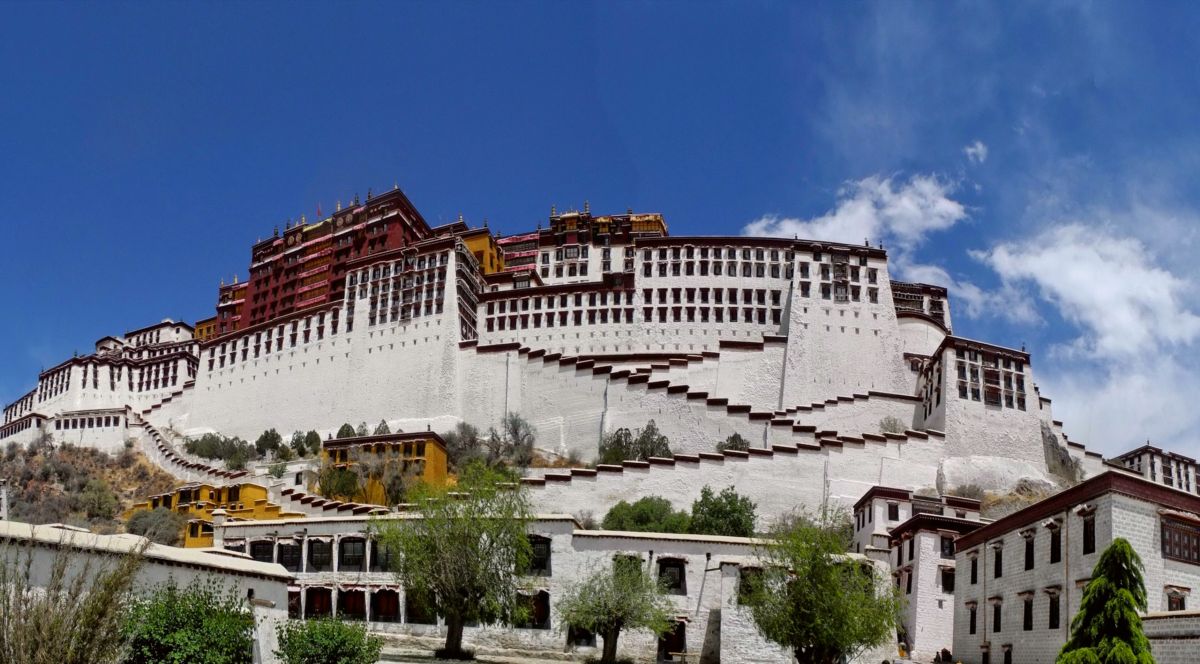
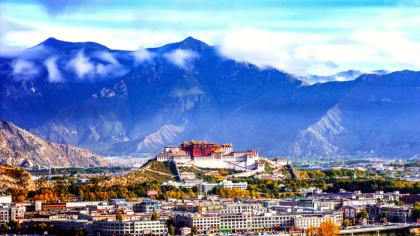
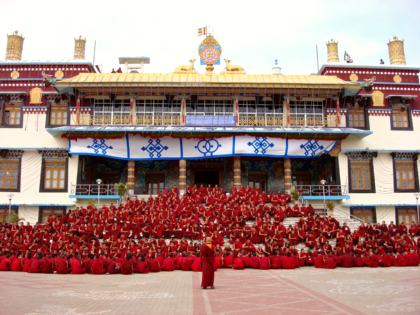
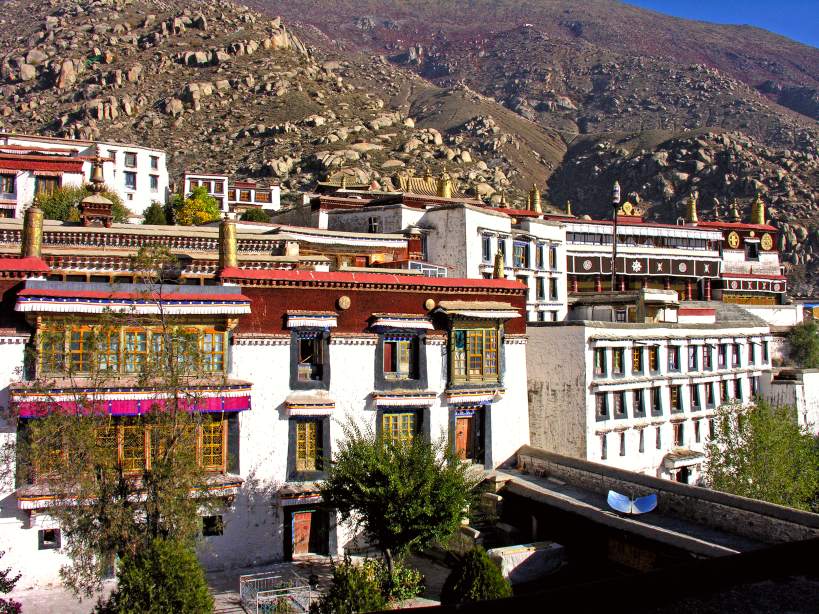
El Monasterio Drepung, que fue uno de los monasterios más grandes del mundo, está a un corto trayecto en coche de Lhasa. Los edificios encalados se alzan contra el telón de fondo de las montañas. Al caminar por sus pasillos, puedes ver a los monjes debatiendo y orando. El monasterio ofrece un vistazo a la vida monástica y al budismo tibetano. Prepárate para una subida empinada para llegar al salón de asambleas principal, pero las vistas de Lhasa desde arriba valen la pena. Visitar durante los meses de verano permite disfrutar de un clima agradable y menos multitudes.
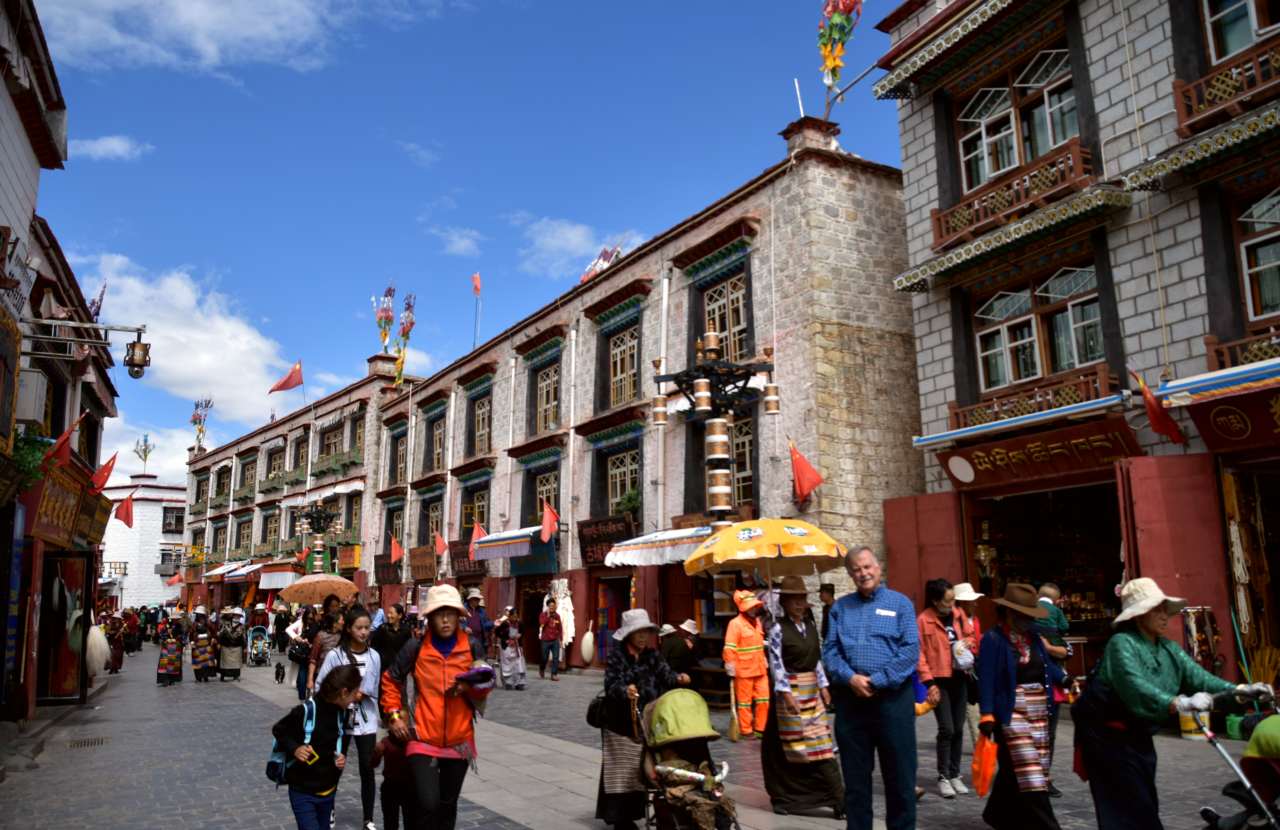
The lively Barkhor Street
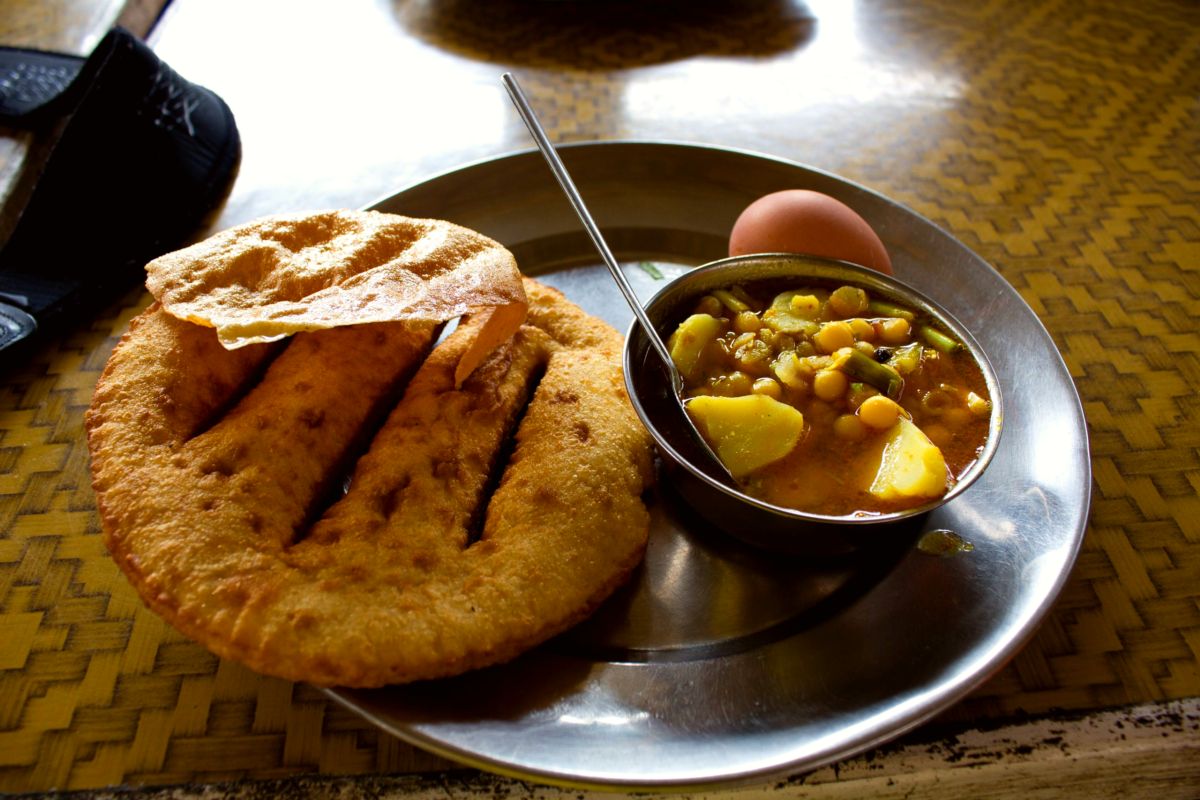
La Calle Barkhor rodea el Templo Jokhang y es un centro de vida local. Aquí puedes encontrar tiendas que venden artesanías tibetanas tradicionales, banderas de oración y bocadillos locales como el té de mantequilla de yak. La calle siempre está animada, con locales y turistas mezclándose. Tómate un momento para disfrutar de los artistas callejeros o únete al kora, la circunvalación del templo. La mejor hora para visitar es por la tarde, cuando la luz se suaviza y el ambiente se vuelve más relajado. Solo ten cuidado con tus pertenencias, ya que puede llenarse de gente.