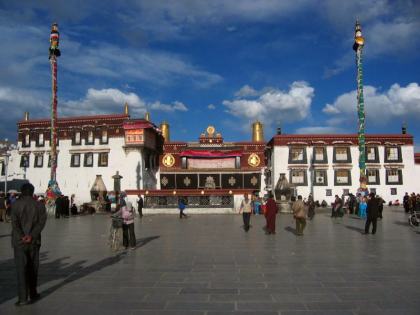
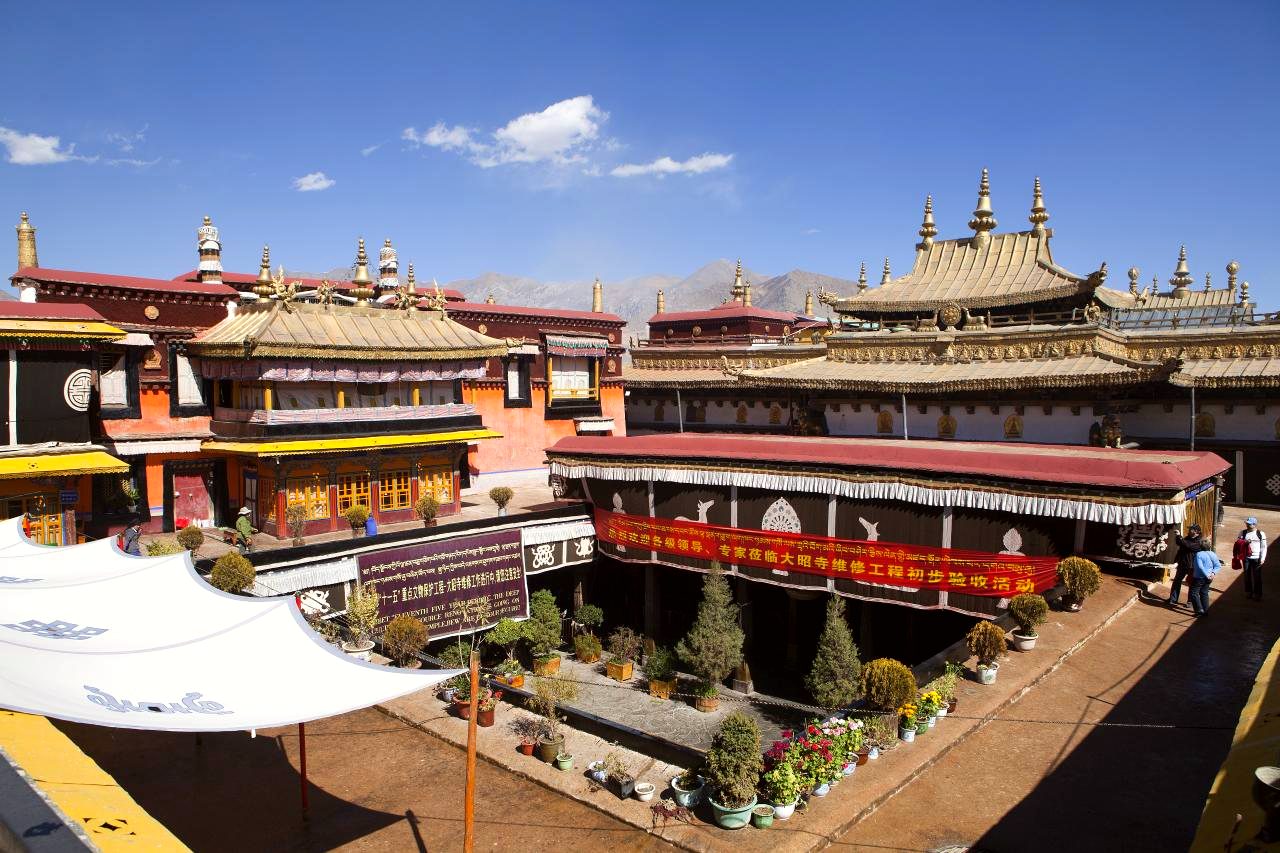
Pèlerins au temple Jokhang
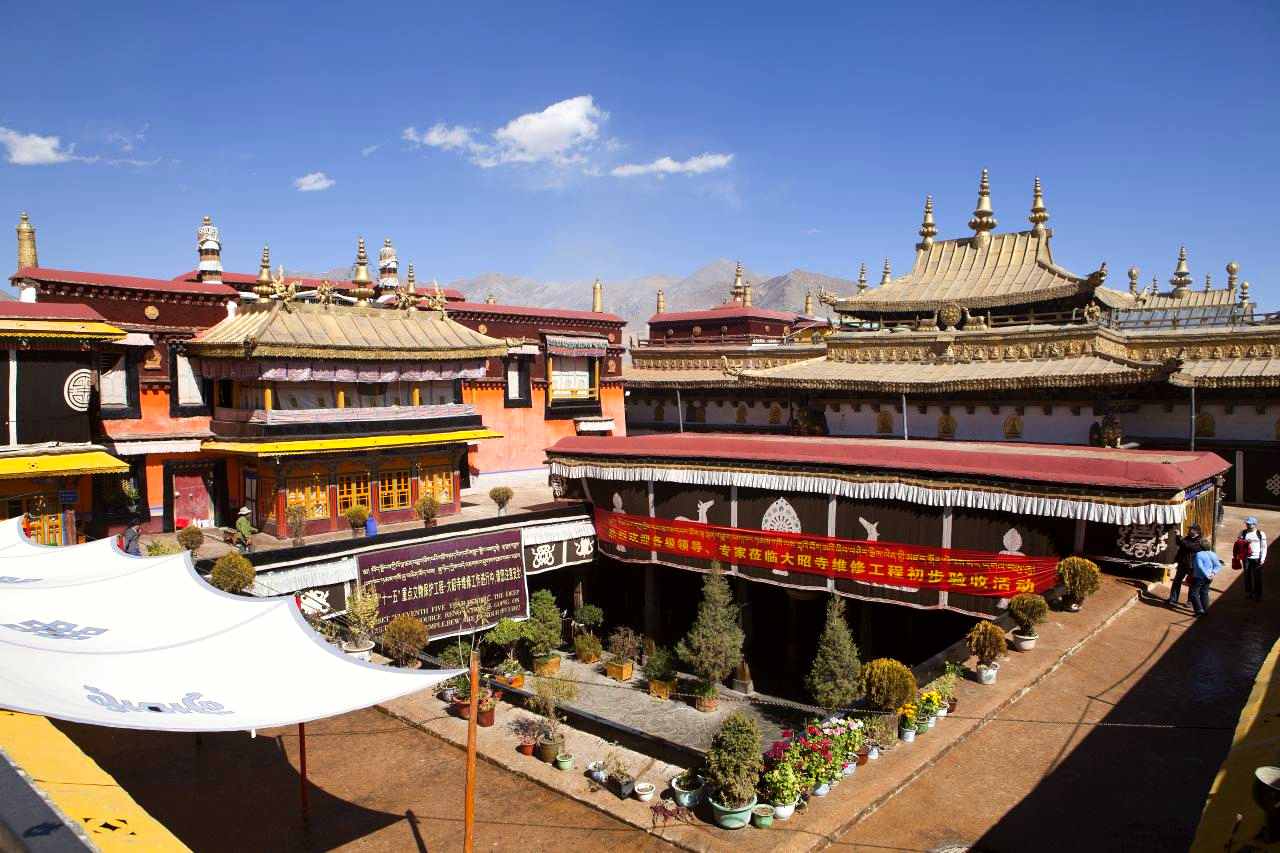
Le temple Jokhang est le centre spirituel de Lhassa. Ici, vous pouvez voir des pèlerins se prosterner en faisant le tour du temple. L'atmosphère est remplie de l'odeur de l'encens et du son des chants. Prenez le temps d'observer les sculptures en bois délicates et le toit doré. Le temple est un site du patrimoine mondial de l'UNESCO et est souvent bondé, surtout pendant les festivals. Arriver tôt le matin peut offrir une expérience plus calme, vous permettant d'apprécier la dévotion des habitants.
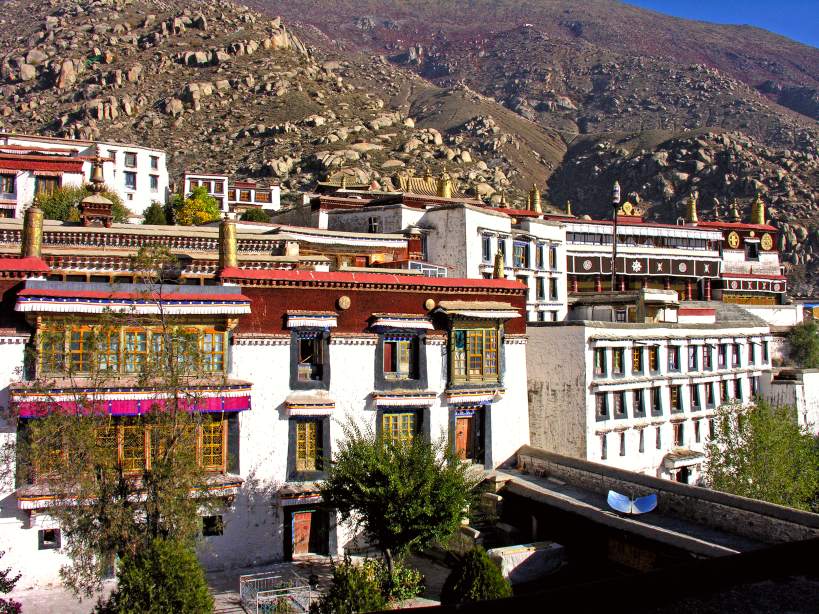
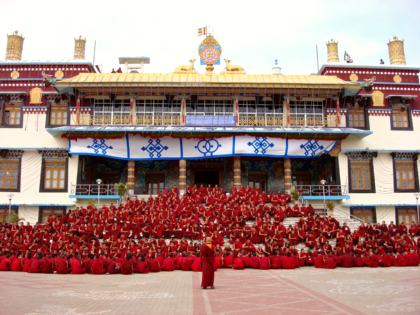
Exploration du monastère de Drepung
Le monastère de Drepung, autrefois l'un des plus grands monastères du monde, est à quelques minutes en voiture de Lhassa. Les bâtiments blanchis à la chaux se dressent sur fond de montagnes. En parcourant ses couloirs, vous pouvez voir des moines engagés dans des débats et des prières. Le monastère offre un aperçu de la vie monastique et du bouddhisme tibétain. Préparez-vous à une montée raide pour atteindre la salle d'assemblée principale, mais la vue sur Lhassa depuis le sommet en vaut la peine. Visiter pendant les mois d'été permet de profiter d'un temps agréable et de moins de monde.
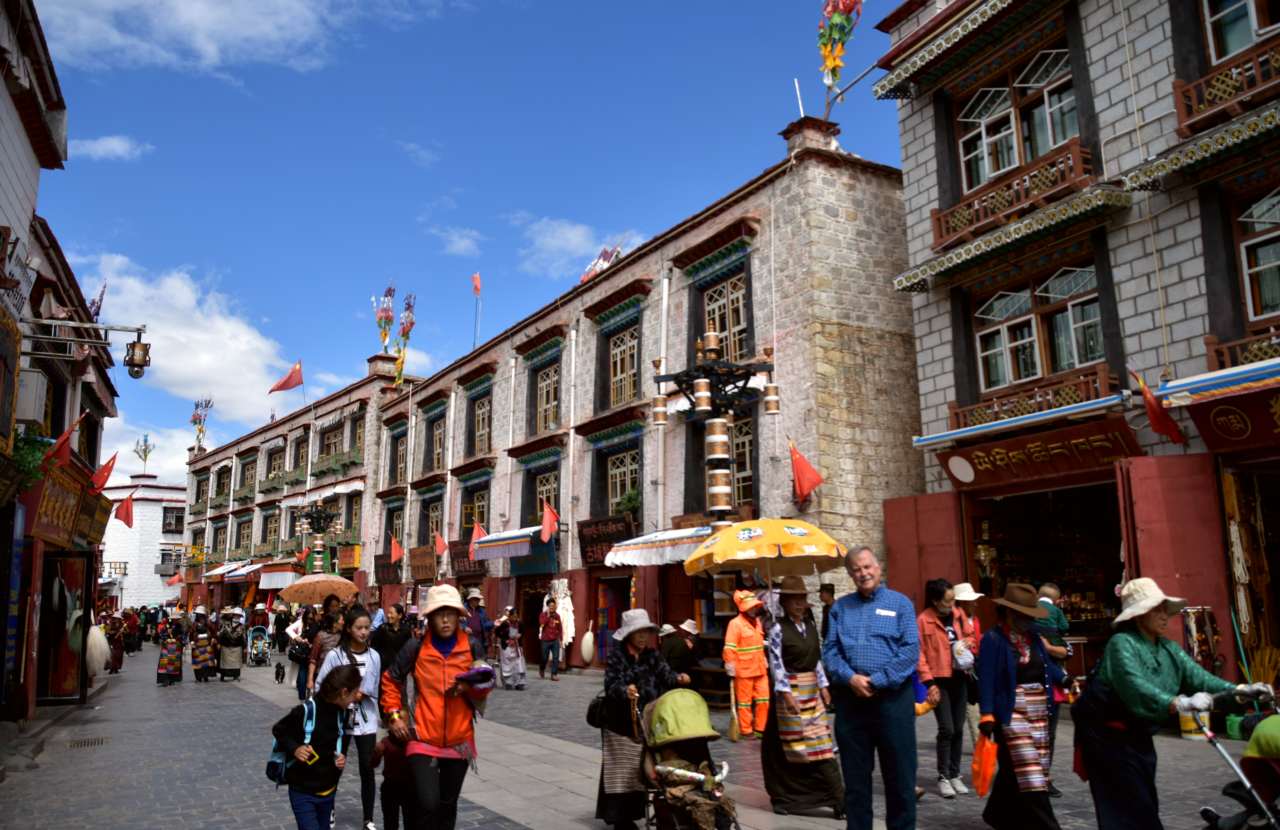
La rue animée de Barkhor
La rue Barkhor entoure le temple Jokhang et est un centre de la vie locale. Ici, vous pouvez trouver des boutiques vendant des artisanats tibétains traditionnels, des drapeaux de prière et des collations locales comme le thé au beurre de yak. La rue est toujours animée, avec des habitants et des touristes qui se croisent. Prenez un moment pour apprécier les artistes de rue ou participez au kora, la circumambulation du temple. Le meilleur moment pour visiter est en fin d'après-midi, lorsque la lumière s'adoucit et que l'atmosphère devient plus détendue. Faites juste attention à vos affaires, car cela peut devenir bondé.