kiomigo
search
search
add Nouveau voyage
Sundarbans

Sundarbans

Population: 400.000 Depuis: Founded around 600 BC Prix: Budget
accessible Accessibilité: Limited mobility may face challenges in some areas

Introduction

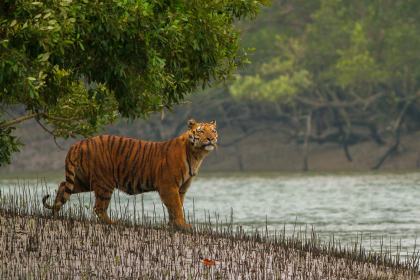
Sundarbans, a UNESCO World Heritage Site, is a mesmerizing delta region in India, known for its lush mangroves and rich biodiversity. Visitors are often captivated by the unique ecosystem, home to the elusive Bengal tiger and a variety of bird species, making it a paradise for nature lovers.

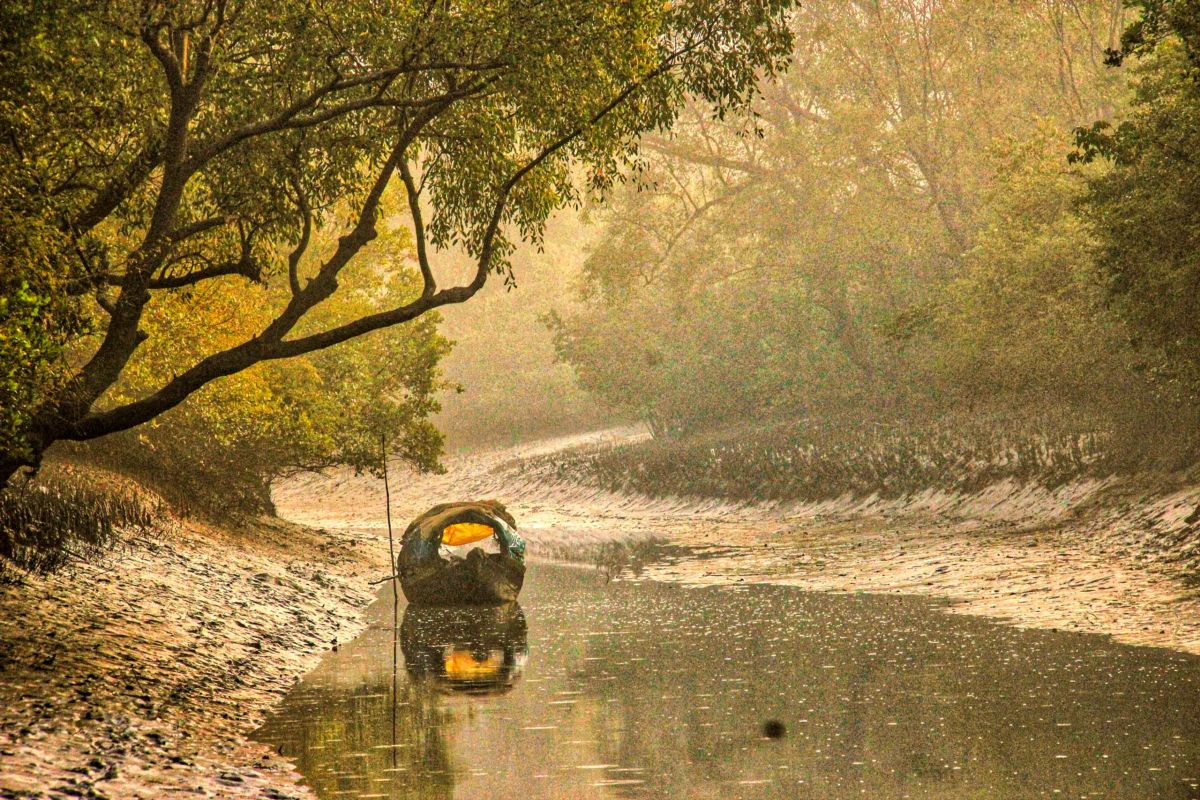
The atmosphere is tranquil yet vibrant, with local communities deeply connected to the land and water. The intricate network of rivers and islands offers a sense of adventure, but be prepared for the humidity and occasional mosquito swarms, which can be a nuisance during certain seasons.

Sightseeing

Sundarbans National Park: a vast expanse of mangroves and wildlife
Bengal Tiger Reserve: a chance to spot the majestic tiger
Netidhopani: ancient ruins and a temple site
Sundarbans Interpretation Centre: learn about the ecosystem
Pakhiralay: a picturesque village known for its scenic views

"Nature's Marvel in the Delta"Sundarbans

Things to do

Take a boat tour: explore the waterways and wildlife
Go birdwatching: spot migratory and native birds
Visit local villages: experience the culture and hospitality
Try fishing: engage with local fishermen and their techniques

Cuisine et boissons locales

Sundarbans Fish Curry: a local delicacy made with fresh catch
Prawn Malai Curry: creamy and flavorful, a must-try
Chingri Bhapa: steamed prawns with mustard paste
Sweets from local shops: try rasgulla and sandesh
Fresh coconut water: refreshing and hydrating

Traditions locales

Bengali New Year: celebrated with music, dance, and feasting
Durga Puja: a major festival with elaborate decorations
Chhath Puja: a festival dedicated to the Sun God
Local fishing festivals: showcasing traditional fishing methods
Histoire - Sundarbans

Histoire

The Sundarbans has a rich history that dates back centuries, shaped by the confluence of rivers and the Bay of Bengal. Historically, it has been a refuge for various communities, including pirates and traders, who navigated its complex waterways.

In the 20th century, the region gained recognition for its unique ecosystem and biodiversity, leading to conservation efforts. Today, it stands as a testament to the delicate balance between nature and human activity, attracting researchers and tourists alike.

À savoir

Be cautious of mosquito bites, especially in monsoon
Transport can be limited; plan your routes in advance
Some areas may be challenging to access without a guide
Watch out for tourist traps in popular spots

À faire et à éviter

Respect local customs and traditions
Carry insect repellent for comfort
Engage with local guides for a richer experience
Take your time to explore the natural beauty
Don't litter; keep the environment clean
Don't disturb wildlife; observe from a distance
Don't assume all areas are accessible; check beforehand
Don't rush; enjoy the slow pace of life

Bon à savoir

Accessibilité: Limited mobility may face challenges in some areas
Price level: budget

Photo: Wikipedia / Wikimedia Commons