search
search
add New trip
Kanazawa
Destinations › … › Japan › Ishikawa

Kanazawa

ChiemSeherin · Pixabay
calendar_monthApr–Jun, Sep–Octbest time schedule3 daysplan for child_careYeswith kids confirmation_numberMid-rangeprice
KanazawaYour own route Plan a trip here →

Kanazawa offers a unique blend of history and culture, with its well-preserved samurai and geisha districts. The city is compact, making it easy to explore on foot, with many attractions close to each other.

Read more

Visitors can enjoy the serene atmosphere of Kenroku-en Garden and the traditional streets of Higashi Chaya. However, the city is less frequented by international tourists, which can make for a more authentic experience, albeit with fewer English-speaking services.

Routes through here

Every route opens in the planner as your own copy: change any stop, any night.

In pictures
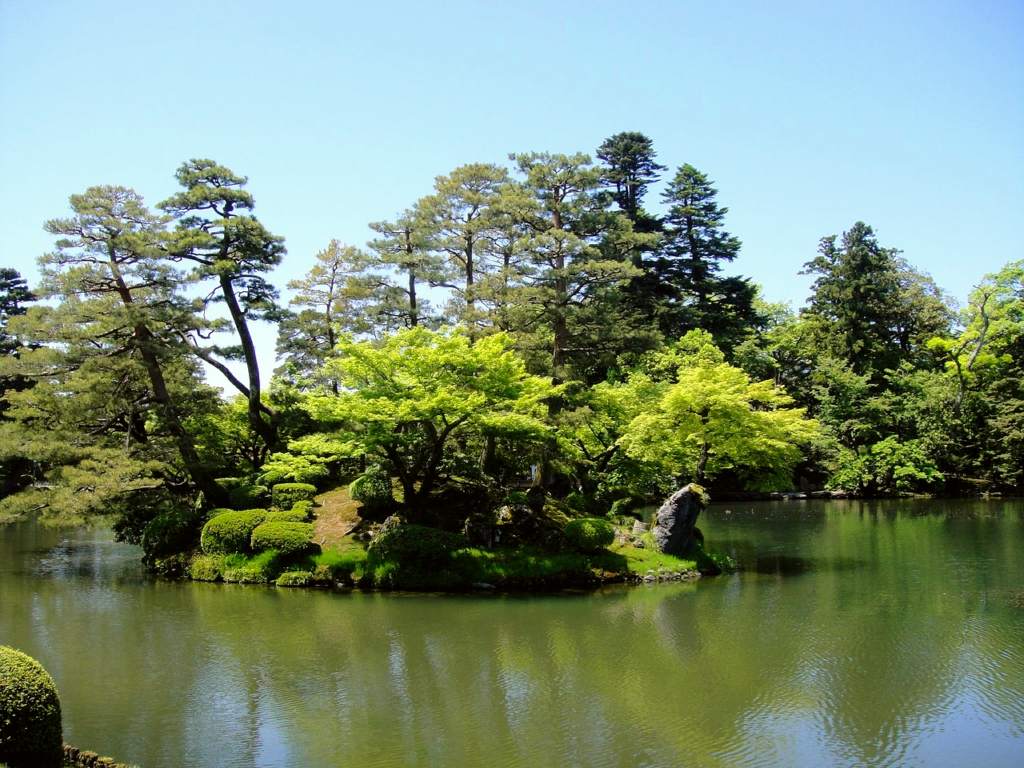
Kanazawa departure46 · Pixabay
Kanazawa Rulosan · Pixabay

Sightseeing

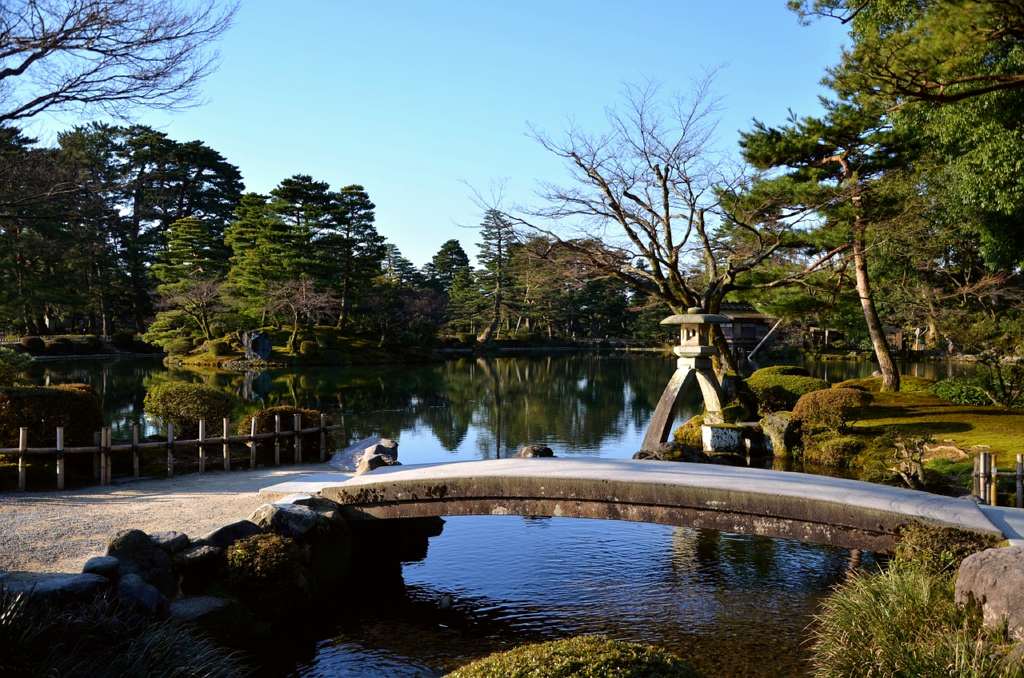
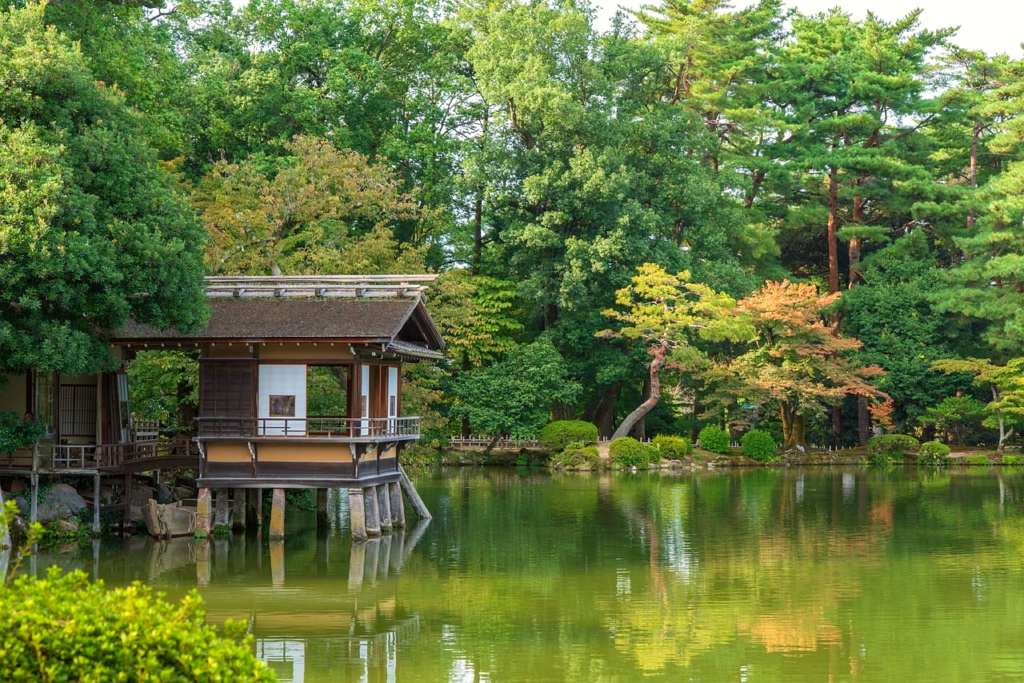
Kenroku-en Garden: One of Japan's top three gardens, known for its beauty.
Kanazawa Castle: A historic site with impressive architecture and gardens.
Higashi Chaya District: A preserved geisha district with tea houses.
21st Century Museum of Contemporary Art: Features modern art exhibitions.
Ninjadera Temple: A temple with hidden features and a unique history.

"Experience the heart of Japanese culture"Kanazawa

Things to do

Stroll through Kenroku-en Garden: Enjoy the seasonal beauty of this famous garden.
Explore the samurai district: Visit the preserved houses of former samurai.
Attend a tea ceremony: Experience traditional Japanese tea culture.
Visit the Omicho Market: Sample local seafood and produce.

Local food and drinks

Jibuni: A local dish made from duck and vegetables.
Zuwaigani: Hairless male crab, a winter delicacy.
Amaebi sushi: Sweet shrimp sushi from nearby waters.
Matcha tea: Traditional tea served in local teahouses.
Higashi sweets: Traditional Japanese confections served with tea.
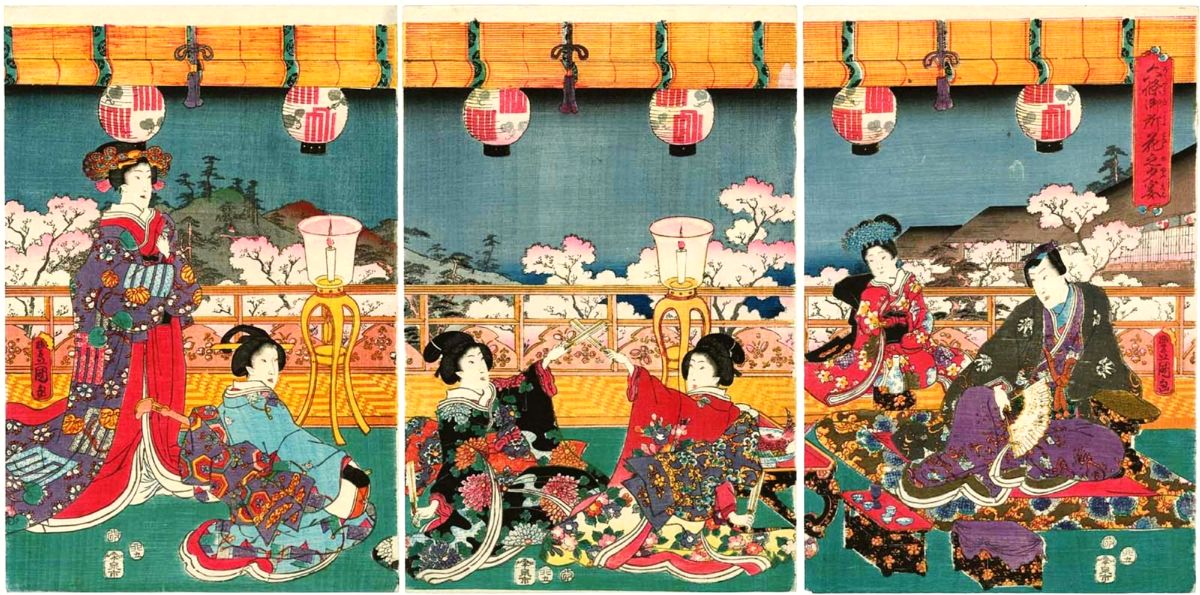
Local traditions - Kanazawa 歌川国貞 Utagawa Kunisada · Public domain

Local traditions

Hyakuman-goku Festival: Celebrated the first weekend in June, showcasing local culture.
Asanogawa Riverside Garden Party: Features cherry blossoms and traditional performances.
Tea ceremonies: A long-standing tradition reflecting Japanese hospitality.
Gold leaf production: A unique craft that Kanazawa is famous for.

Do's and don'ts

Visit local markets for fresh seafood.
Try the seasonal dishes unique to Kanazawa.
Take part in a traditional tea ceremony.
Explore the city on foot to discover hidden spots.
Don't expect extensive English-speaking services everywhere.
Don't miss the chance to try local seafood.
Don't rush your visit; take time to enjoy the gardens.
Don't forget to check the opening hours of attractions.

Practical

At a glance

Founded
the 16th century
Population
460.000
Accessibility
Most areas are walkable, but some have steep paths.
Price level
Mid-range

Things to know

English signage may be limited in some areas, so a translation app can help.
Public transport is reliable, but some bus routes may have infrequent service.
Kanazawa can be rainy, especially in summer, so pack an umbrella.
Some attractions may have limited opening hours, especially in winter.
history_eduHistoryexpand_more

Kanazawa's history dates back to the 16th century when it became the seat of the Maeda clan. The city flourished as a cultural and economic center, known for its crafts and arts. During the Edo period, Kanazawa developed a reputation for its samurai culture and geisha traditions, which are still evident today in its preserved districts.

Photo: ChiemSeherin · Pixabay Content License · Pixabay

Photo credits (2)