



search
search
add New trip
Japan

Japan

JP calendar_monthMar–May, Sep–Novbest time schedule10 daysplan for child_careYeswith kids flagTokyocapital ¥Yencurrency translateJapaneselanguage
JapanYour own route Plan a trip here →

Japan is a captivating blend of ancient traditions and cutting-edge modernity. From the serene temples of Kyoto to the bustling streets of Tokyo, every corner offers a unique experience. The country is known for its stunning landscapes, rich culture, and warm hospitality.

Routes through here

Every route opens in the planner as your own copy: change any stop, any night.

In pictures

Crowds of tourists at Nikkō Tōshō-gū
Throngs of tourists on their way to Himeji Castle in Himeji (WHS)
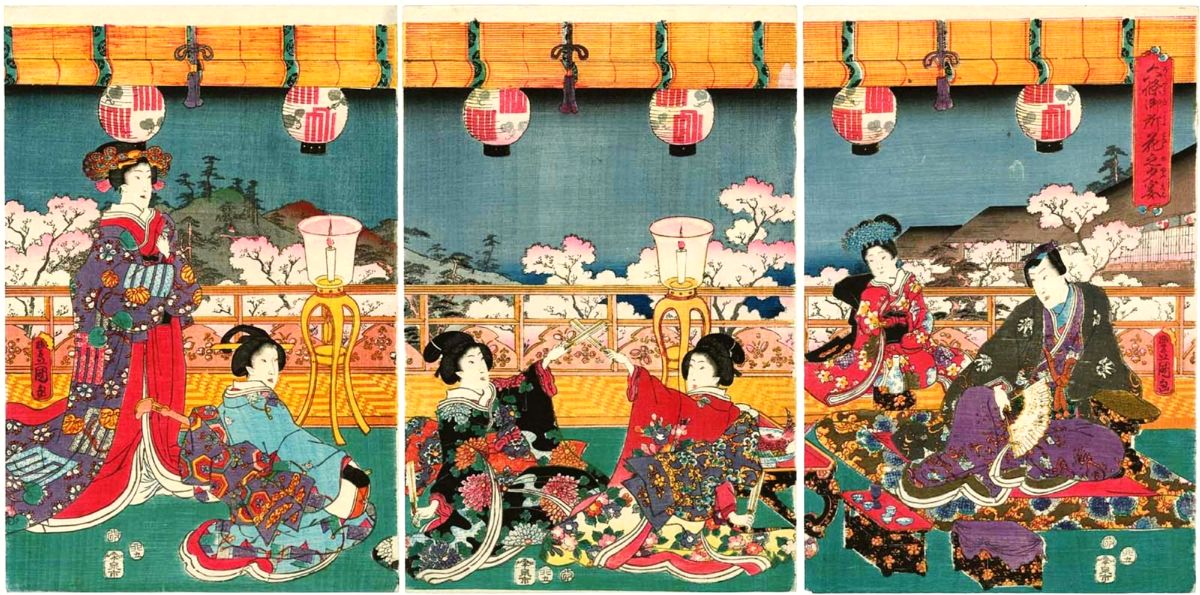
Travelling was popularised through travel literature and ukiyo-e
A 1930s travel advertisement by the Japanese Government Railways
The Visit Japan campaign, launched by the Koizumi administration in 2003 with the catchphrase 'Yokoso! Japan!', was the country's first government-backed initiative to promote inbound tourism.
Goko Five Lakes in Shiretoko (WHS)
Shirakami-Sanchi (WHS)
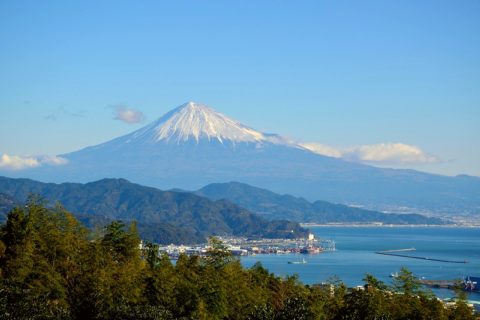
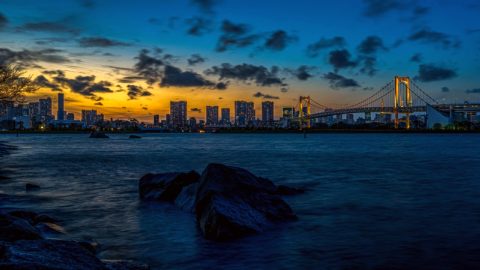
Shinjuku in Tokyo, and Mount Fuji

Sightseeing

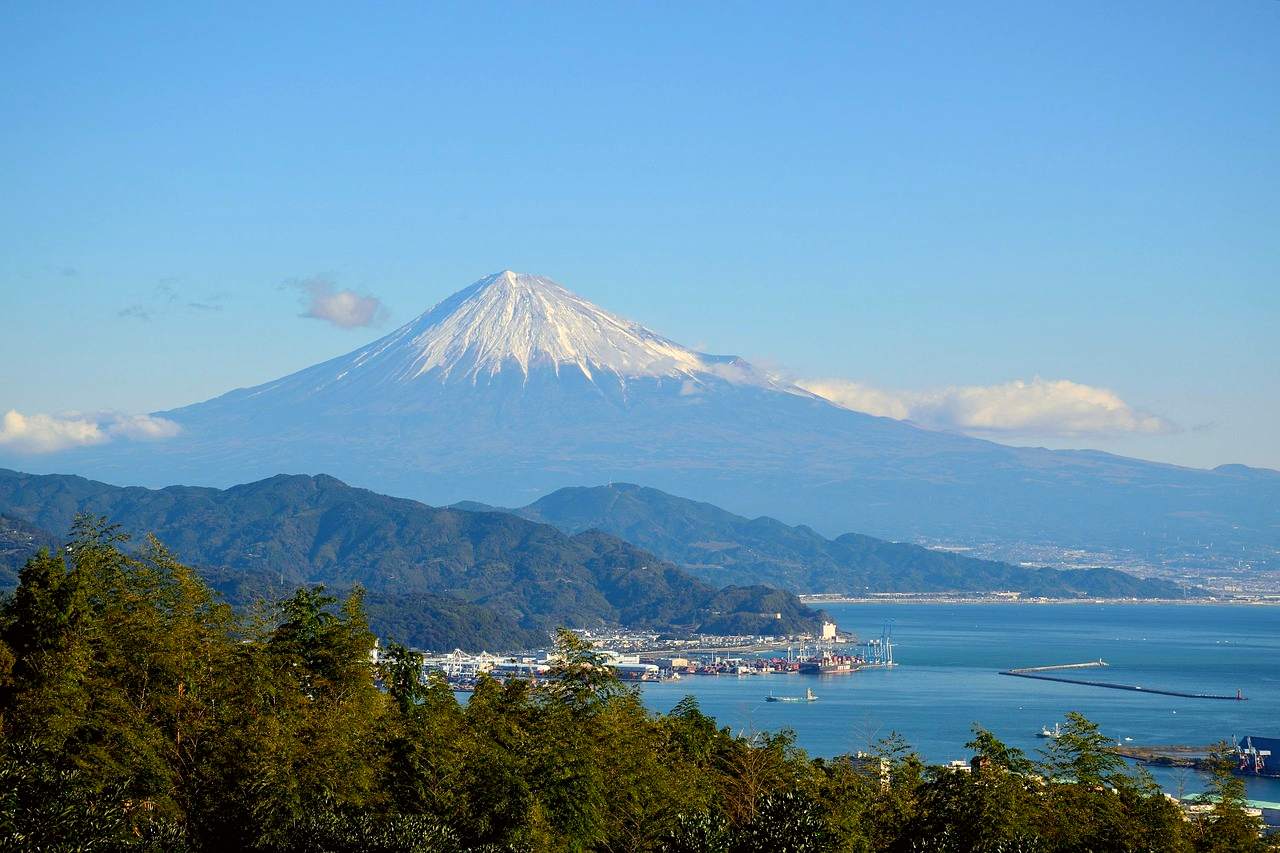
Mount Fuji: Japan's iconic peak and a UNESCO World Heritage site
Kyoto: The heart of traditional Japan with its temples and gardens
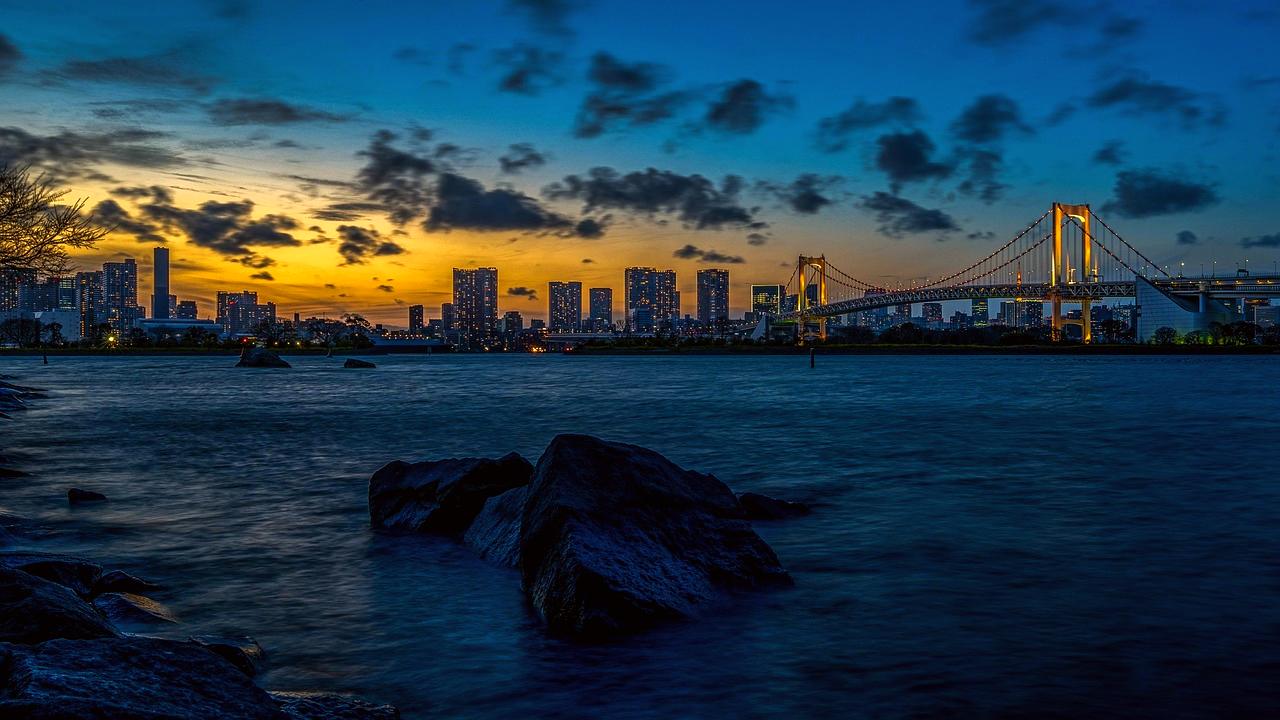
Tokyo: A vibrant metropolis known for its shopping and nightlife
Hiroshima: A city with a poignant history and memorials
Nara: Home to ancient temples and free-roaming deer
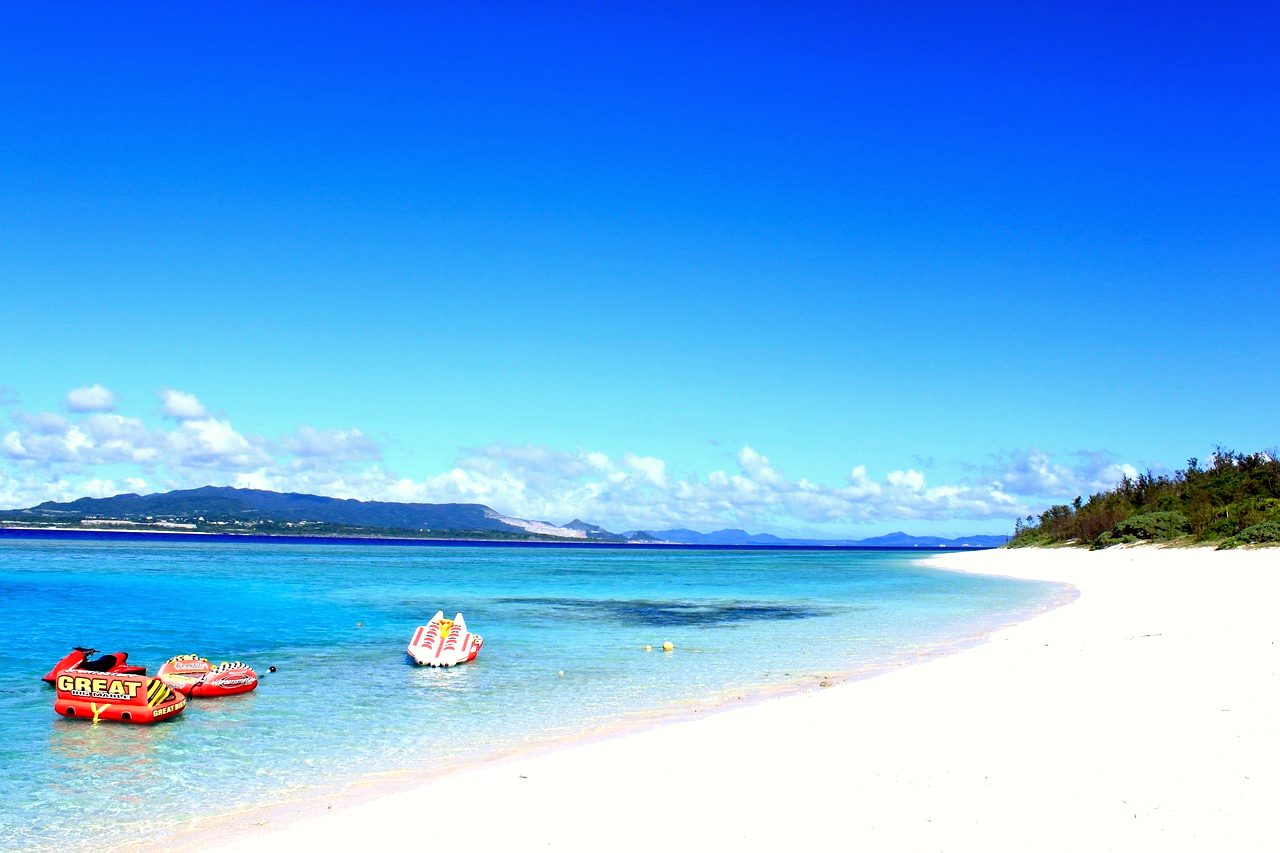
Okinawa: A tropical paradise with beautiful beaches
Hokkaido: Famous for its natural beauty and winter sports
Osaka: Known for its modern architecture and street food

"Experience the harmony of tradition and modernity"Japan

Things to do

Visit a traditional onsen: Experience Japan's hot springs
Explore ancient temples: Discover the spiritual heritage in Kyoto
Attend a sumo match: Witness Japan's national sport live
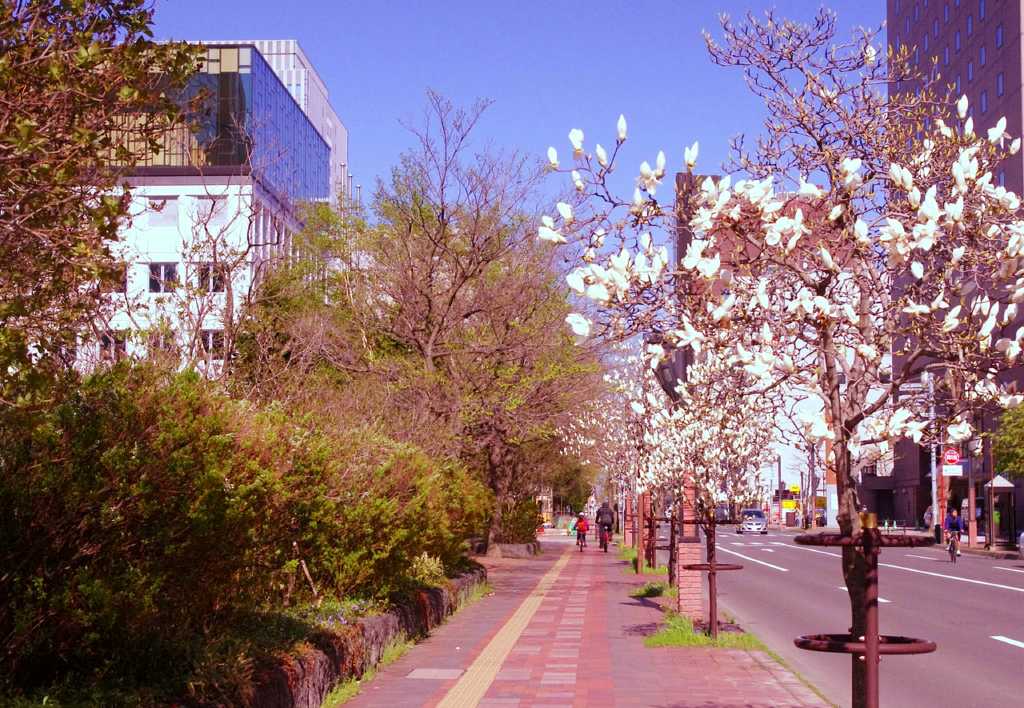
Enjoy cherry blossom viewing: A springtime tradition in parks
Take part in a tea ceremony: Learn about this cultural practice
Go skiing in Hokkaido: Enjoy world-class powder snow
Local food and drinks - Japan

Local food and drinks

Sushi: Fresh seafood served with vinegared rice, best in Tokyo
Ramen: Noodle soup with various toppings, try it in Fukuoka
Okonomiyaki: Savory pancake filled with ingredients, popular in Osaka
Matcha: Traditional powdered green tea, enjoy it in tea houses
Takoyaki: Octopus balls, a street food favorite in Osaka
Sake: Japanese rice wine, best sampled at local breweries
Local traditions - Japan

Local traditions

Hanami: Cherry blossom viewing festival in spring
Matsuri: Local festivals celebrating seasonal changes
Shichi-Go-San: A rite of passage for children at age 3, 5, and 7
Omotenashi: The spirit of selfless hospitality in Japanese culture
New Year: Celebrated with unique customs and family gatherings

Do's and don'ts

Learn basic Japanese phrases to enhance communication
Respect local customs and traditions during visits
Try to be punctual for appointments and transport
Use both hands when giving or receiving items
Participate in local festivals to immerse in culture
Don't speak loudly in public transport or restaurants
Don't point at people or things, as it is considered rude
Don't engage in public displays of affection
Don't take photos in restricted areas, especially temples
Don't assume everyone speaks English; be patient
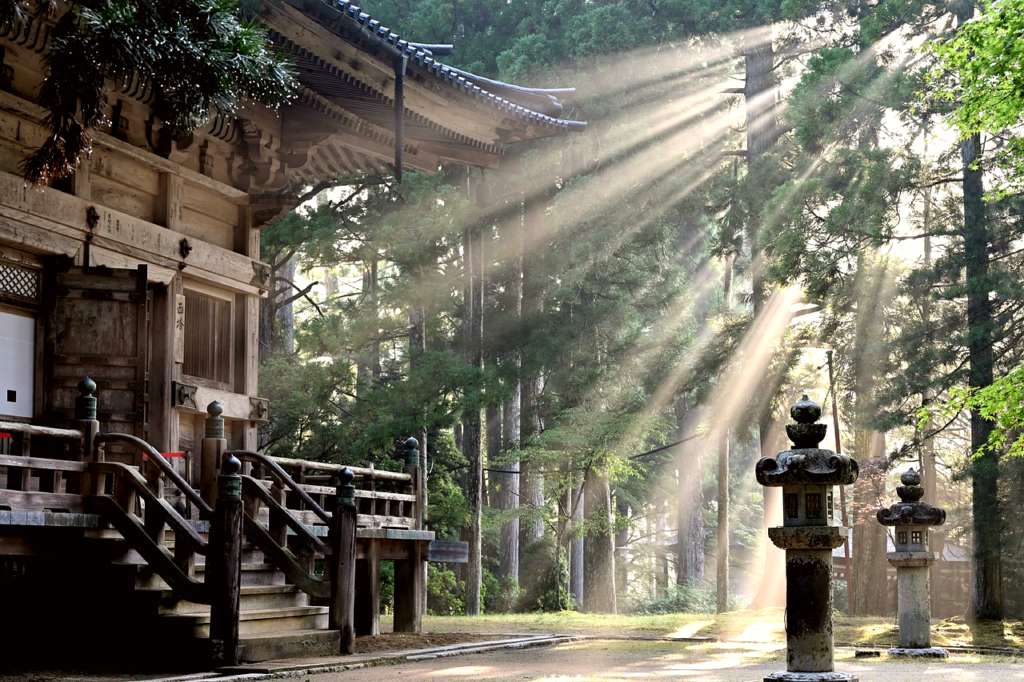
Explore the intricate details of Nikko's architecture

Explore the intricate details of Nikko's architecture

Nikko's Toshogu Shrine is a UNESCO World Heritage site, famous for its ornate Yomeimon Gate. The gate features over 500 intricate carvings, showcasing the artistry of the Edo period. Visiting in autumn offers a stunning backdrop of colorful foliage, enhancing the experience. Expect to spend a few hours wandering the grounds, where the peaceful atmosphere contrasts with the busy streets of nearby Tokyo. Be prepared for some steep paths and stairs, so wear comfortable shoes. The shrine can get crowded on weekends, so consider visiting on a weekday for a quieter experience.

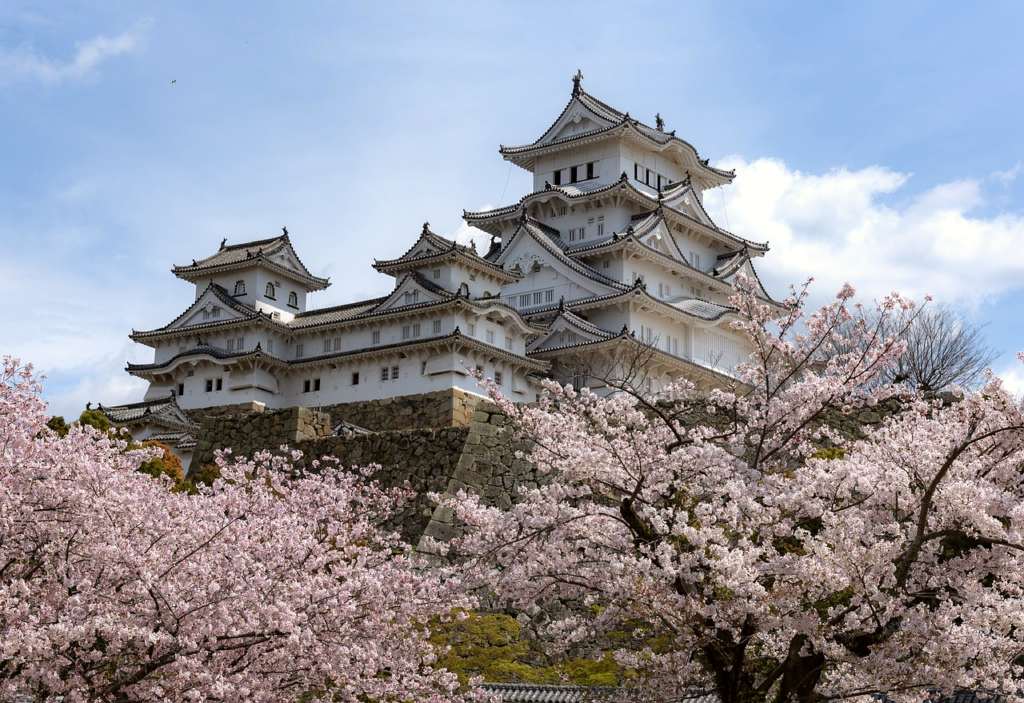
Himeji Castle: A symbol of Japan's feudal past

Himeji Castle: A symbol of Japan's feudal past

Himeji Castle, often referred to as the White Heron Castle, is one of Japan's most iconic landmarks. Its elegant white exterior and intricate design draw thousands of visitors each year. The castle's main keep offers panoramic views of the surrounding area, but be ready for a climb. The best time to visit is during cherry blossom season in spring, when the castle is framed by blooming sakura trees. However, the site can be quite busy, especially during holidays. Arrive early to avoid long lines and enjoy a more leisurely exploration of the castle's history.
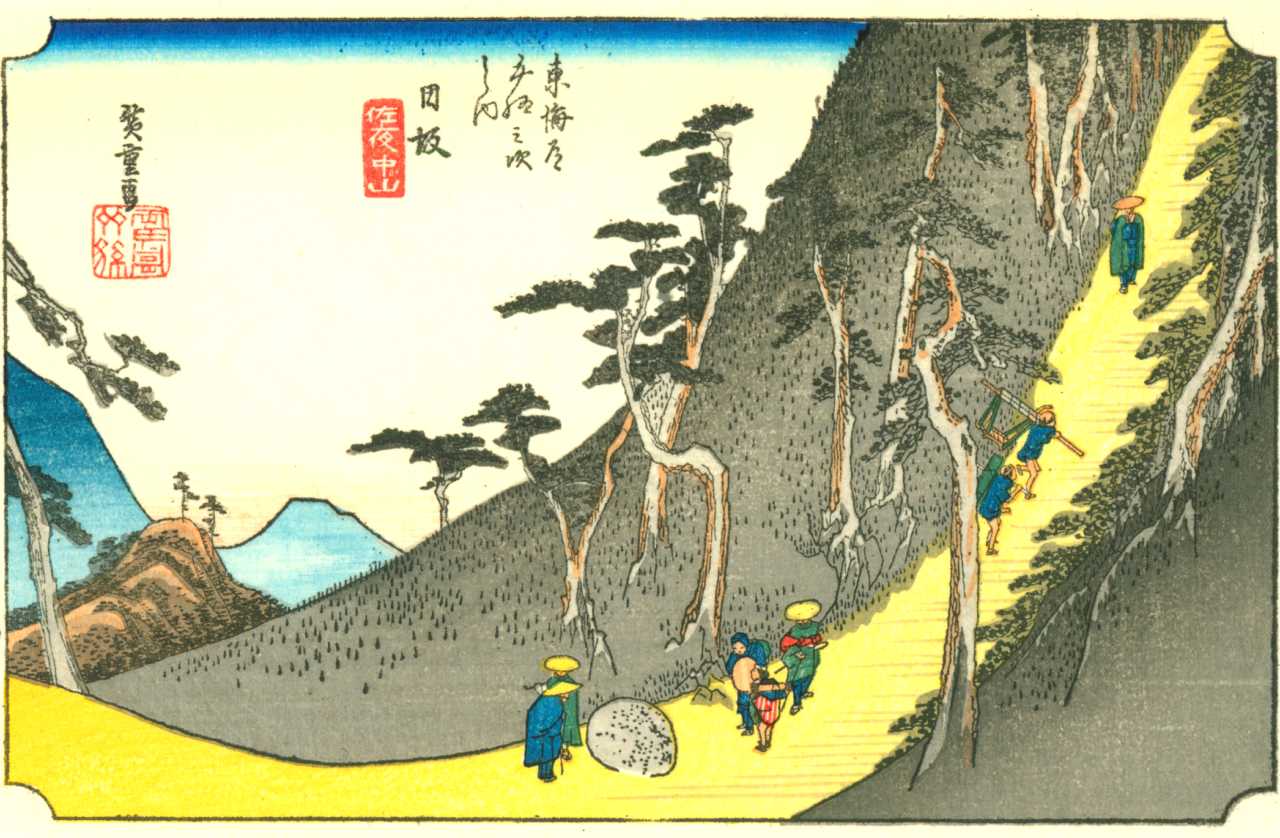
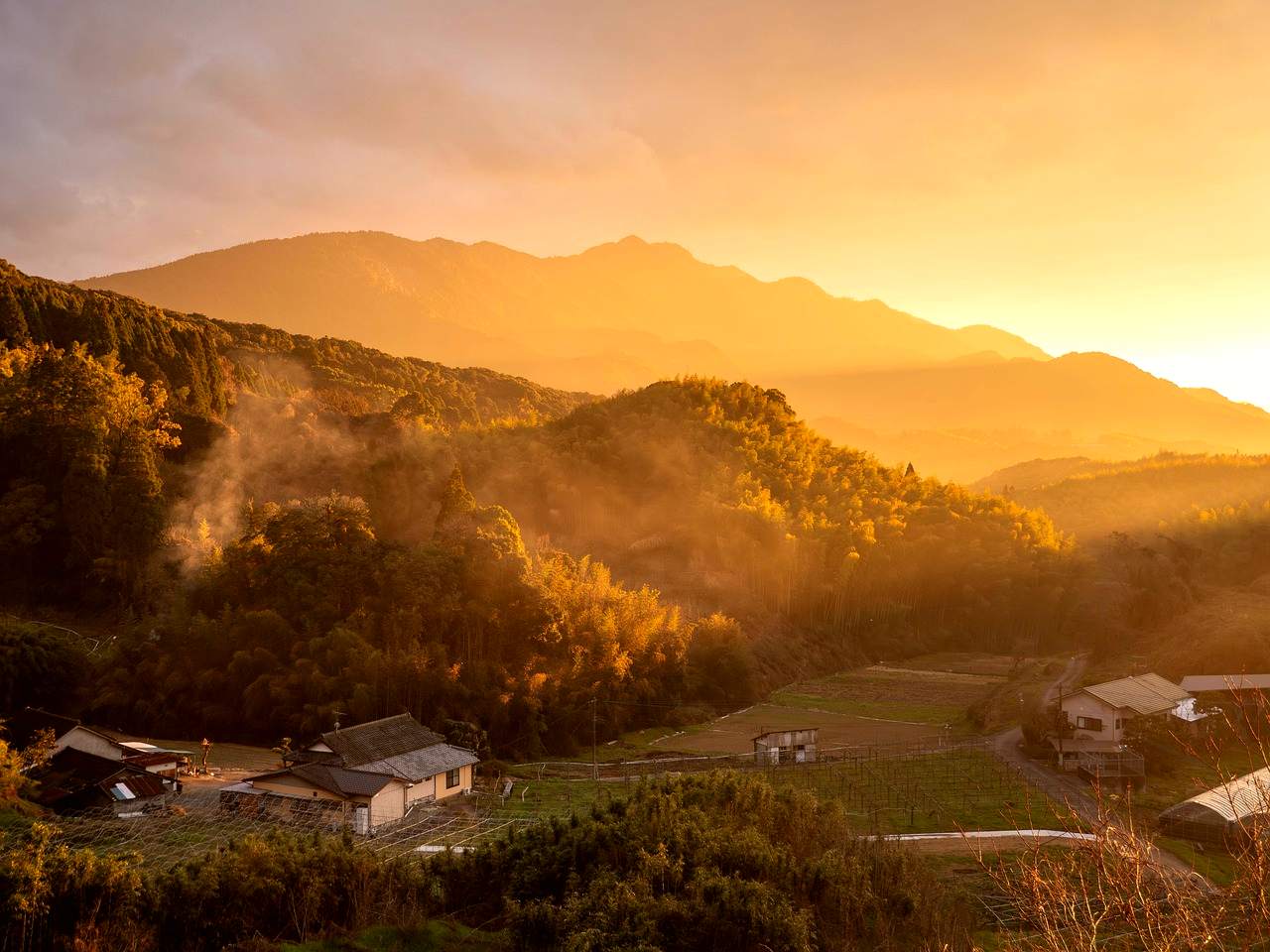
Experience the tranquility of Japan's landscapes

Experience the tranquility of Japan's landscapes

The Nissaka area, depicted in Hiroshige's famous woodblock prints, showcases Japan's natural beauty. Here, you can find serene rice fields and rolling hills that change with the seasons. Spring brings vibrant greens, while autumn offers warm hues of orange and red. This region is less frequented by tourists, providing a peaceful escape from the urban hustle. Take a leisurely walk or bike ride along the countryside paths to fully appreciate the landscape. Be mindful of local customs, especially when visiting small villages, as residents value their privacy.
info_outlinePracticalexpand_more
Population: 126.000.000
Best time: Spring and autumn

About Japan

Travelers will find efficient public transport, making it easy to explore urban and rural areas alike. However, language barriers can be a challenge, and understanding local customs is essential for a smooth journey.

Basic information

Capital: Tokyo
Language: Japanese
Currency: Yen
Best time to visit: Spring and autumn

Travel information

Fly into major airports like Narita or Kansai for international access. Use the Japan Rail Pass for convenient train travel across the country, especially if you plan to visit multiple cities. Public transport is punctual and efficient, particularly in urban areas like Tokyo and Osaka. Cash is still widely used, but credit cards are increasingly accepted in larger establishments. Free Wi-Fi is available in many urban areas, but it is less common in rural regions.

Things to know

Tipping is not customary and can be seen as rude.
Public behavior is generally quiet and respectful.
Some attractions may have limited English signage, especially in rural areas.
Be prepared for cash-only establishments in smaller towns.
Shoes must be removed in many traditional settings, such as ryokan and temples.
history_eduHistoryexpand_more
History - Japan

Japan's history is marked by periods of isolation and openness. The Jomon period saw the emergence of pottery, while the Heian period brought about a flourishing of art and literature. The country underwent significant changes during the Meiji Restoration in the late 19th century, transitioning from feudalism to a modern state.

World War II had a profound impact, leading to Japan's post-war economic miracle. Today, Japan is a global leader in technology and culture, balancing its rich heritage with modern advancements.

Photo: Wikipedia / Wikimedia Commons