Explore Kamakura's coastal beauty
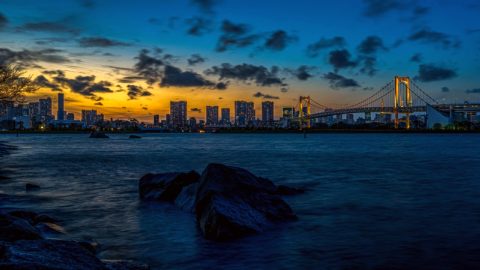
Kamakura's coastline offers a refreshing escape from the city. The sandy beaches, like Yuigahama, are perfect for a leisurely stroll or a picnic. As you walk along the shore, you can enjoy views of surfers catching waves or families playing in the sand. The sunsets here can be particularly beautiful, casting a warm glow over the water. If you visit in summer, expect a lively atmosphere with beachgoers and local vendors. However, be prepared for crowds on weekends, as many people flock to this coastal retreat.
Discover Kamakura's rich history
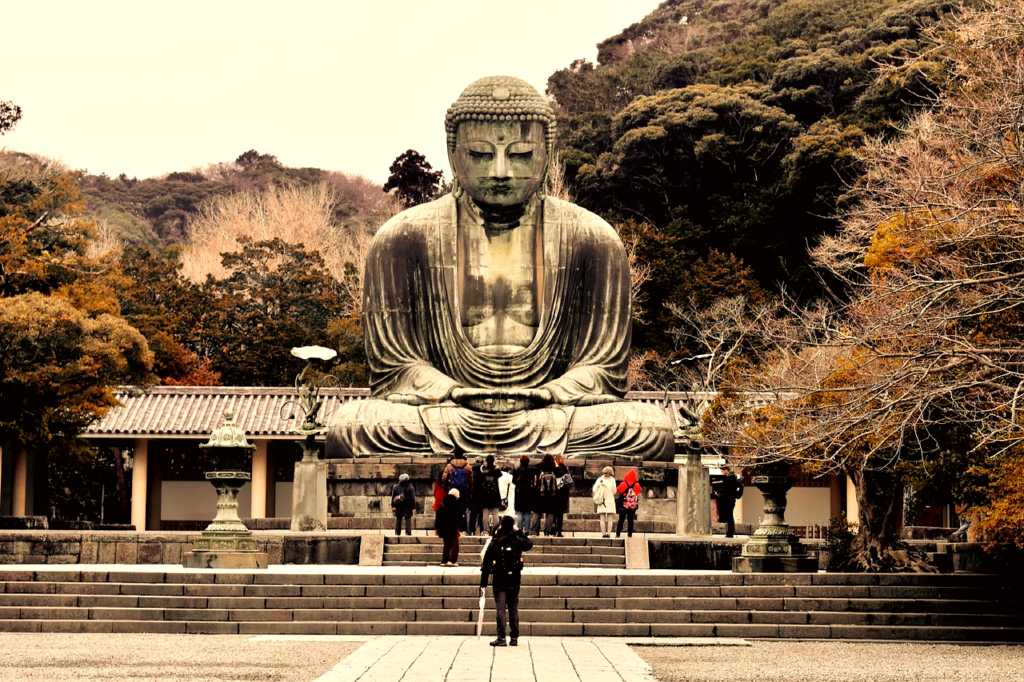
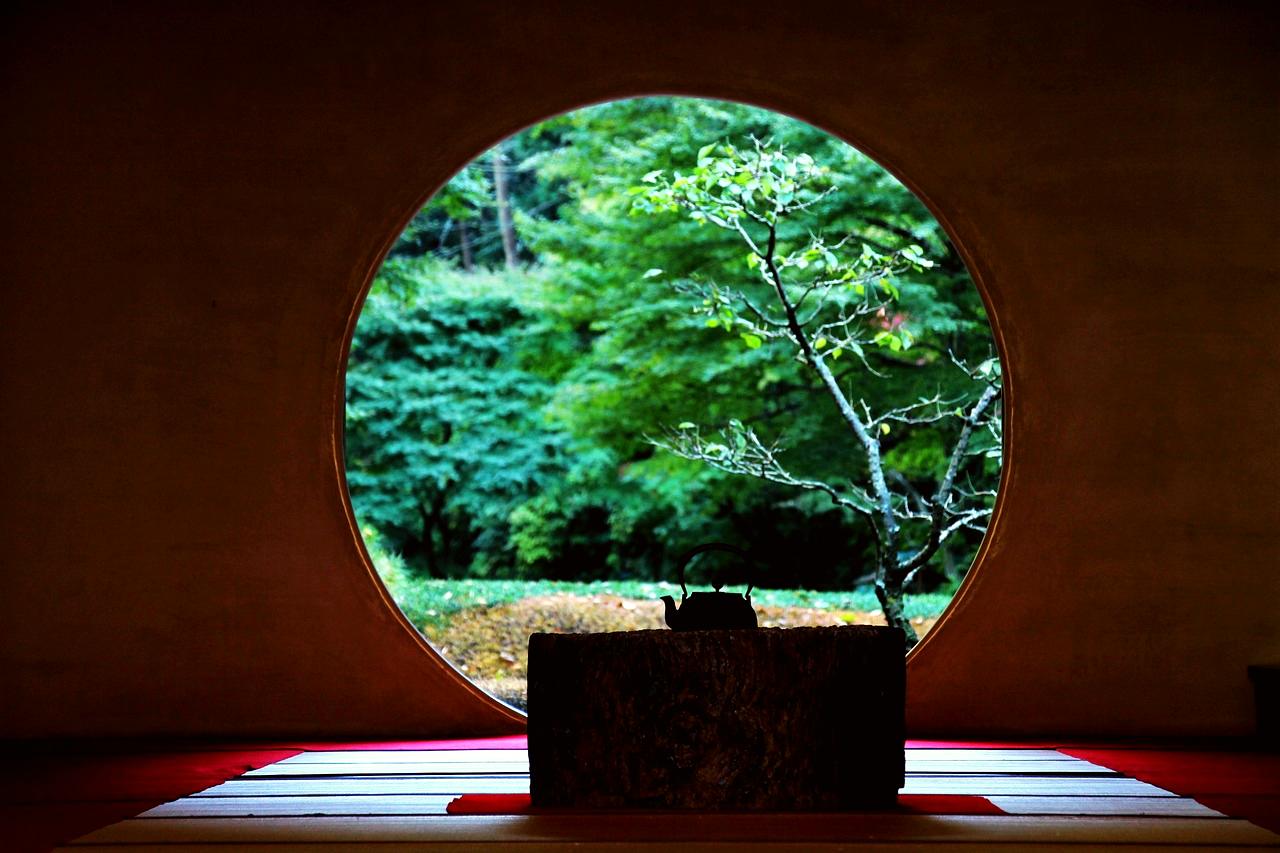
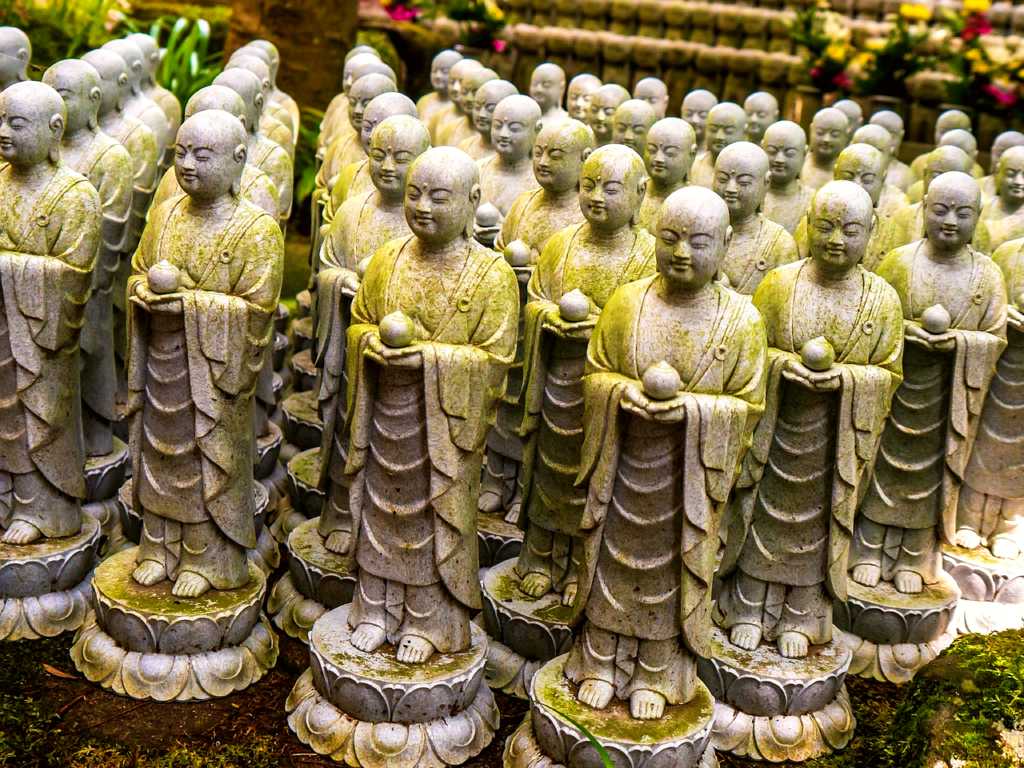
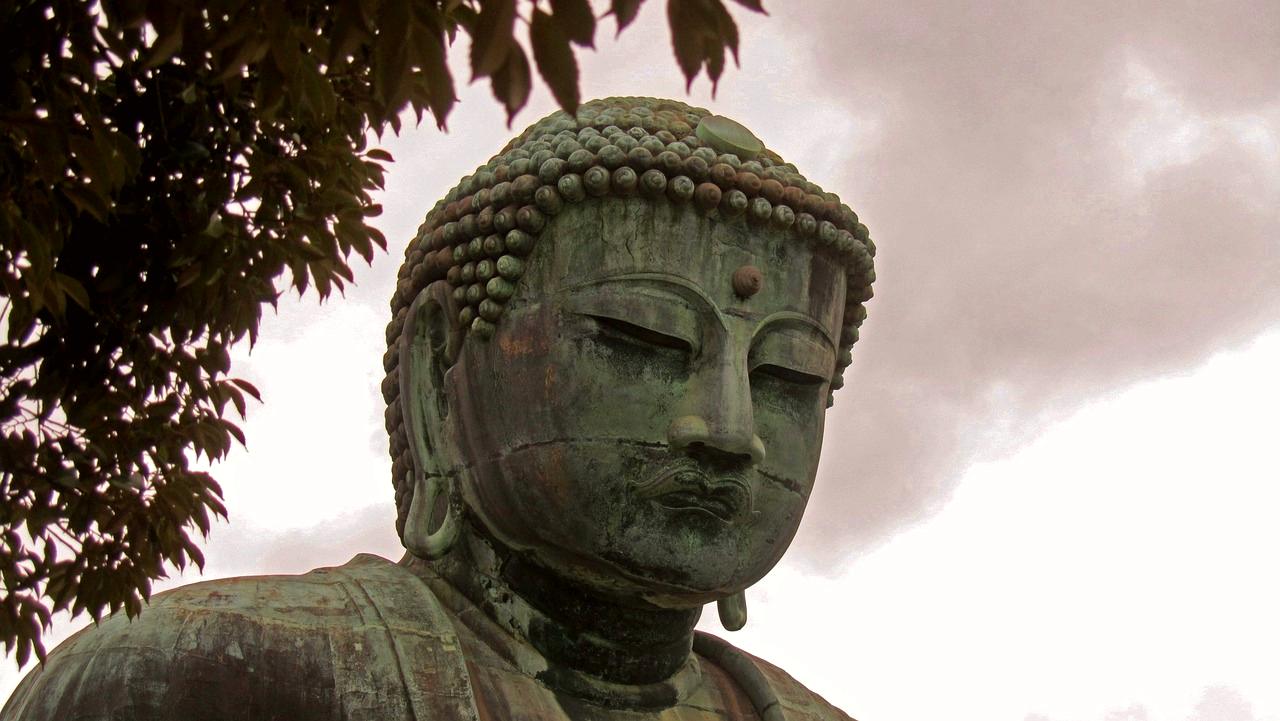
Kamakura is home to over 100 temples and shrines, each with its own unique story. Hase-dera Temple, famous for its wooden statue of Kannon, offers a peaceful atmosphere and beautiful gardens. The Great Buddha, or Daibutsu, is another iconic site, standing at 13.35 meters tall. While these sites attract many visitors, you can find quieter temples like Jomyo-ji, where you can enjoy a moment of solitude. Keep in mind that some temples may charge a small entrance fee, so plan accordingly.
Savor local flavors in Kamakura
Kamakura's food scene reflects its coastal location and rich culture. Be sure to try shirasu-don, a rice bowl topped with tiny whitebait, which is a local specialty. You can find this dish at various eateries around the town. For a sweet treat, visit a traditional wagashi shop to sample seasonal sweets made from rice flour and red bean paste. While many restaurants cater to tourists, exploring side streets can lead you to hidden spots where locals dine. Prices vary, but you can enjoy a satisfying meal for around 1,000 yen.