kiomigo
search
search
add New trip
Kyoto

Kyoto

Population: 1.470.000 Since: Founded in 794 AD Price: Mid-range
accessible Accessibility: Many areas are walkable, but some temples have steep paths.

Introduction

Kyoto, a city where tradition meets tranquility, offers visitors a glimpse into Japan's rich cultural heritage. With its stunning temples, serene gardens, and historic wooden houses, the city feels like a living museum, inviting exploration at every turn.

As you wander through its ancient streets, the scent of incense and the sound of temple bells create a calming atmosphere. However, be prepared for crowds, especially during peak seasons, as many travelers flock to experience its beauty and history.

In pictures

Kyoto
Kyoto
Kyoto
Kyoto
Kyoto
Kyoto

Sightseeing

Kinkaku-ji: The Golden Pavilion, a stunning Zen temple covered in gold leaf.
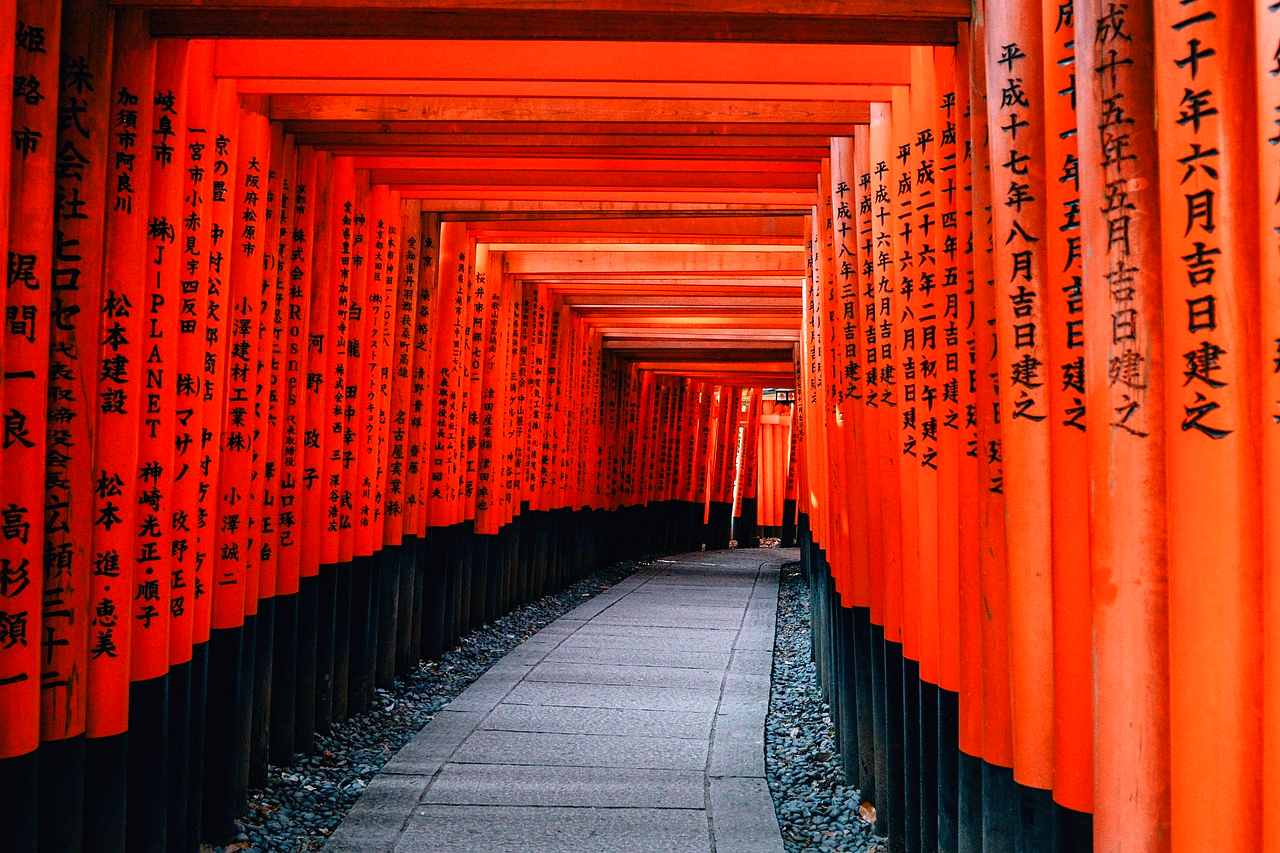
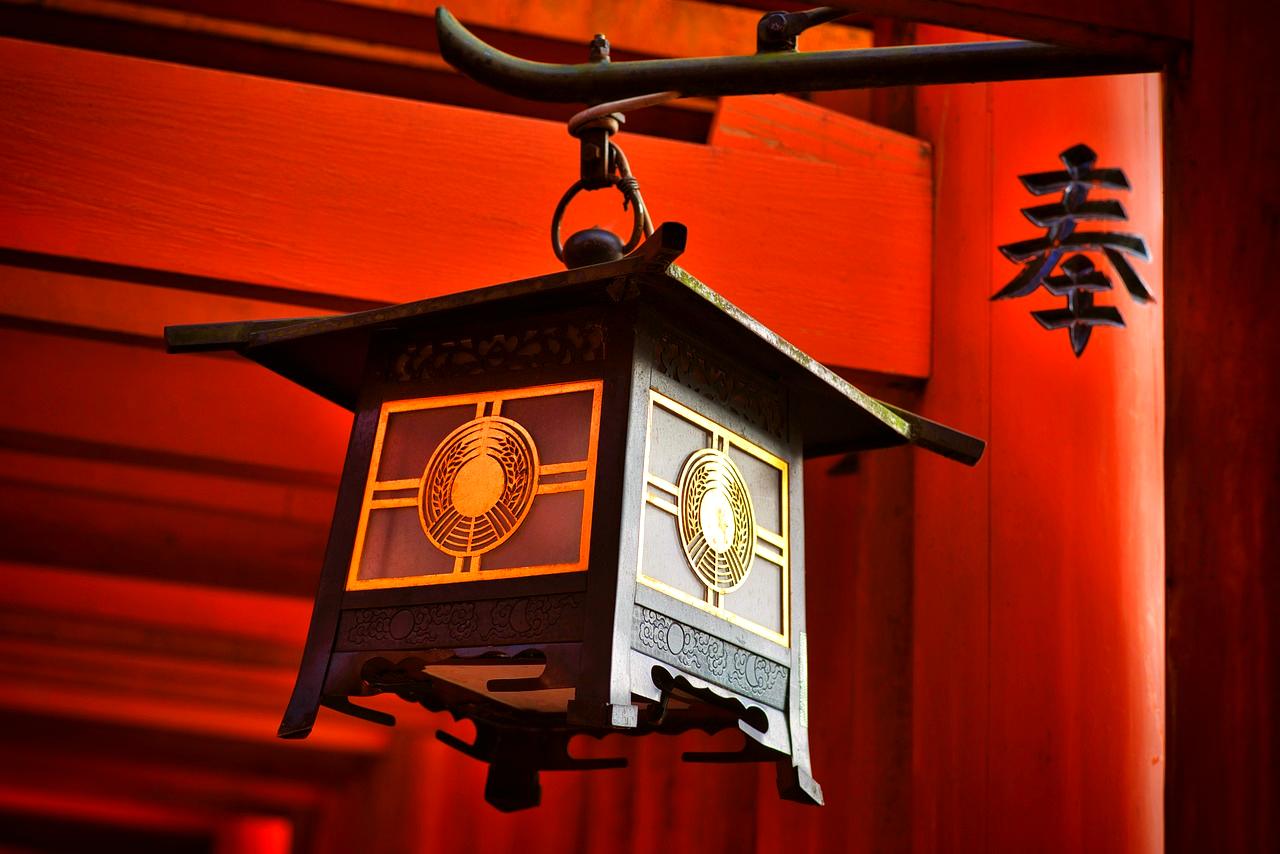
Fushimi Inari Taisha: Famous for its thousands of vermilion torii gates.
Kiyomizu-dera: A historic temple offering breathtaking views of the city.
Arashiyama Bamboo Grove: A serene path through towering bamboo stalks.
Nijo Castle: A UNESCO World Heritage site with beautiful gardens.
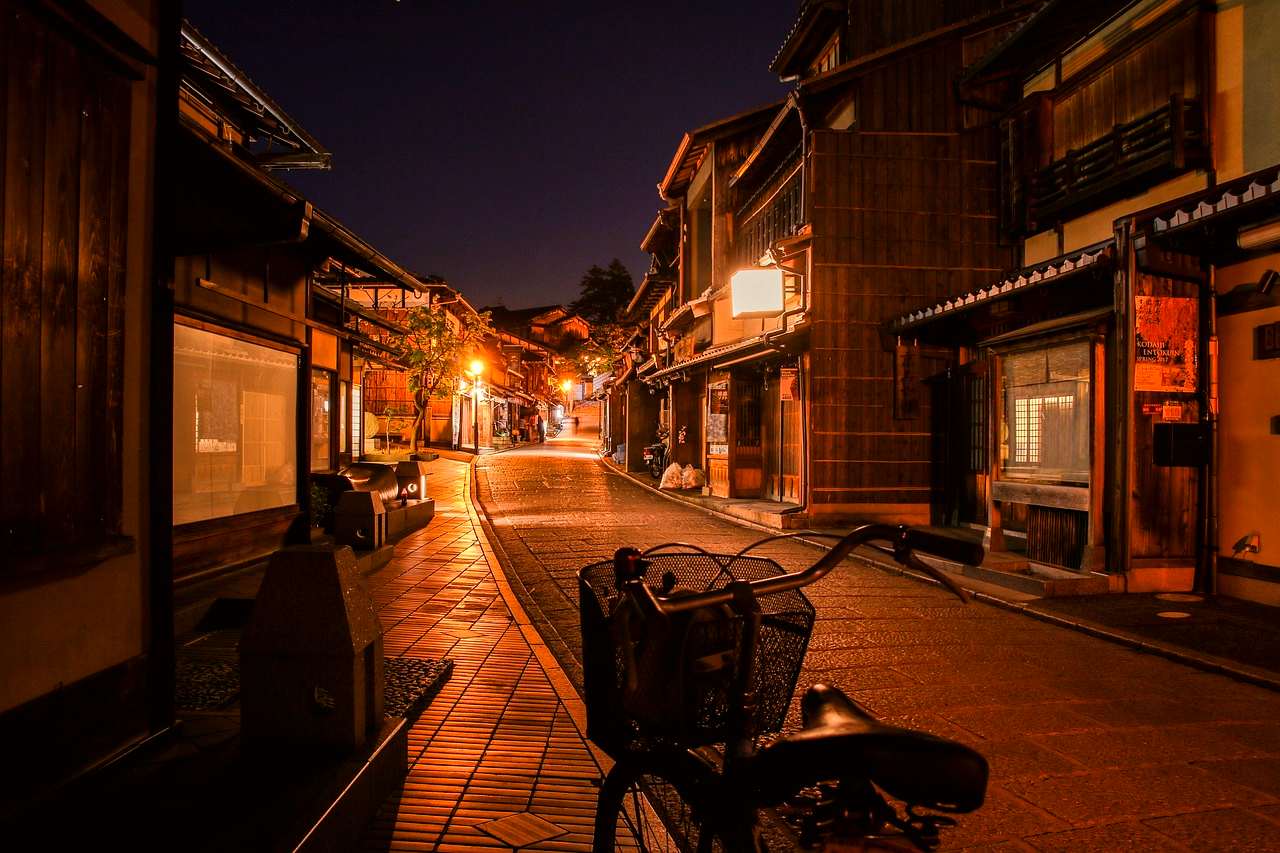
Gion District: The famous geisha district with traditional wooden machiya houses.
Philosopher's Path: A picturesque canal-side walkway lined with cherry blossoms.
Ryoan-ji: Renowned for its rock garden and Zen atmosphere.

"A Journey Through Japan's Heart"Kyoto

Things to do

Experience a traditional tea ceremony: A serene ritual that embodies Japanese culture.
Stroll through the Arashiyama district: Explore its natural beauty and quaint shops.
Attend a geisha performance: Witness the artistry and grace of Kyoto's geishas.
Visit local markets: Sample fresh produce and unique local snacks.
Take a cooking class: Learn to prepare authentic Kyoto cuisine.

Local food and drinks

Kaiseki: A multi-course meal showcasing seasonal ingredients.
Yudofu: A simple yet delicious tofu hot pot, perfect for cold days.
Matcha: High-quality powdered green tea, often served in tea houses.
Nishiki Market: A bustling market offering various local delicacies.
Yudofu Sagano: A popular restaurant known for its tofu dishes.

Local traditions

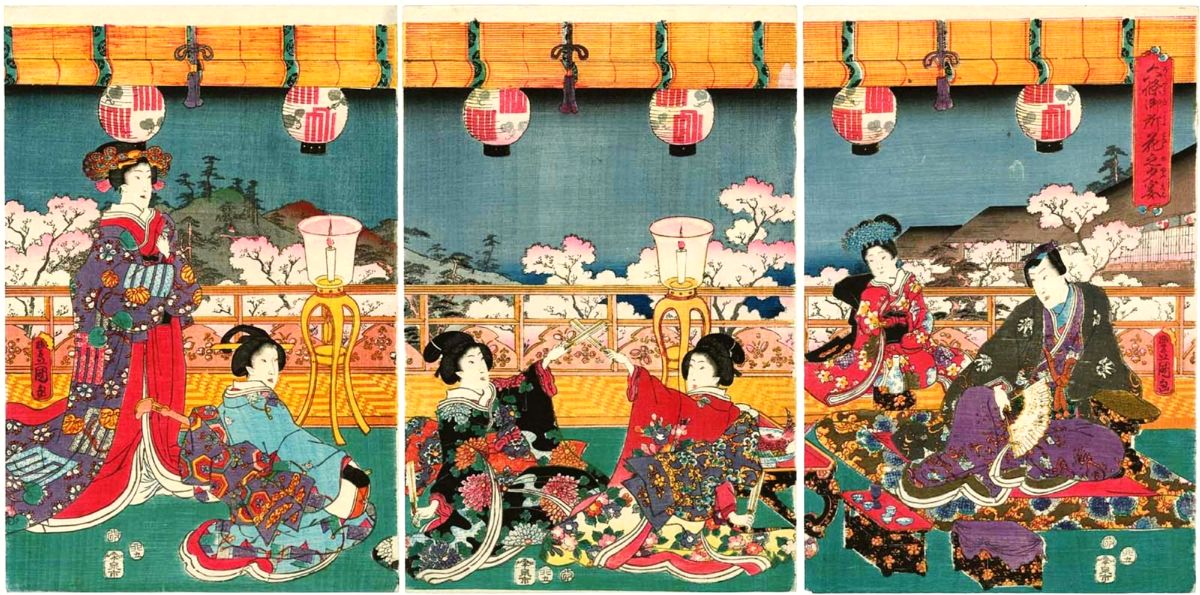
Hanami: Cherry blossom viewing parties held in spring.
Gion Matsuri: A month-long festival in July featuring parades and floats.
Obon: A festival honoring ancestors, celebrated with dances and lanterns.
Shichi-Go-San: A rite of passage for children aged three, five, and seven.

History

Kyoto served as Japan's capital for over a thousand years, from 794 until 1868. This long history has left a profound mark on the city, with numerous temples, shrines, and palaces that reflect its imperial past.

The city was also a center for art, culture, and religion, fostering the development of traditional crafts and practices. Despite suffering from bombings during World War II, Kyoto largely preserved its historical architecture and charm, making it a vital cultural hub today.

Things to know

Expect large crowds at popular sites, especially during cherry blossom season.
Public transport is efficient but can be confusing for first-time visitors.
Some temples may charge entrance fees, so check in advance.
Be mindful of local customs, such as removing shoes when entering homes.

Do's and don'ts

Respect local customs and etiquette.
Try to learn a few basic Japanese phrases.
Take your time to explore off-the-beaten-path areas.
Dress modestly when visiting temples and shrines.
Don't speak loudly in public spaces, especially in temples.
Don't take photos where prohibited, especially in sacred areas.
Don't rush through your visits; savor the experience.
Don't forget to try local specialties while dining.

Good to know

Accessibility: Many areas are walkable, but some temples have steep paths.
Price level: mid-range

Photo: Wikipedia / Wikimedia Commons