search
search
add New trip

Nara

warningHurricane1 warning calendar_monthMar–May, Oct–Novbest time schedule2 daysplan for child_careYeswith kids
NaraYour own route Plan a trip here →
Hurricane Tropical Cyclone CHAMPI-26

This concerns Japan as a whole. Check official travel advisories before you go. Details open_in_new

From GDACS, the disaster alert system of the UN and the EU.

Nara, Japan's first capital, is a serene city that beautifully blends history with nature. Visitors are often enchanted by its ancient temples, free-roaming deer, and tranquil parks, creating a peaceful atmosphere that invites exploration.

Read more

Strolling through Nara feels like stepping back in time, with its well-preserved heritage sites and traditional streets. However, be prepared for crowds, especially at popular attractions, which can detract from the otherwise calm experience.

Sightseeing

Todai-ji Temple: home to a giant Buddha statue
Nara Park: famous for its friendly deer
Kasuga-taisha Shrine: known for its hundreds of lanterns
Kofuku-ji Temple: a historic temple with a five-story pagoda
Naramachi: a preserved merchant district
Isuien Garden: a beautiful traditional garden
Nara National Museum: showcasing Japanese art and history
Himuro Shrine: a lesser-known shrine with a serene atmosphere

"Where history and nature meet"Nara

Things to do

Feed the deer in Nara Park: a unique experience.
Explore the ancient temples: Tōdai-ji is home to a giant Buddha statue.
Stroll through Naramachi: enjoy traditional architecture and visit local shops.
Visit the Nara National Museum: learn about Japanese culture and art.
Relax in Isuien Garden: a peaceful retreat with beautiful seasonal flowers.
If you are in Nara in January, consider attending the Mount Wakakusa Fire Festival, where the slopes are set ablaze, creating a spectacular sight.

Local food and drinks

Kakinoha-zushi: sushi wrapped in persimmon leaves
Nara Sake: local rice wine with a distinct flavor
Naramachi Katsu: a popular pork cutlet dish
Yaki-dofu: grilled tofu, a local specialty
Kuzu Mochi: a traditional sweet made from kudzu starch
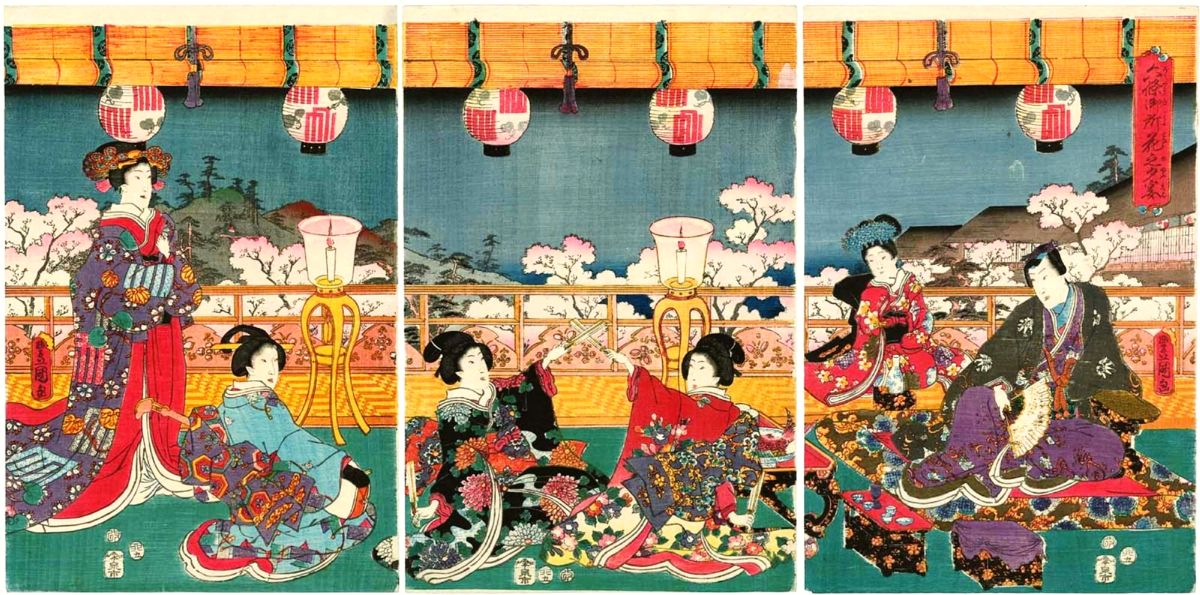
Local traditions - Nara 歌川国貞 Utagawa Kunisada · Public domain

Local traditions

Nara Tokae: a lantern festival held in August
Shinto rituals at Kasuga-taisha: showcasing local customs
Deer Feeding Ceremony: a unique cultural event
Nara's traditional crafts: including calligraphy and pottery

Do's and don'ts

Visit early in the morning for fewer crowds
Respect the deer and do not feed them inappropriate food
Take your time exploring the temples and gardens
Learn a few basic Japanese phrases to enhance your experience
Don't feed the deer anything other than special deer crackers
Don't rush through the attractions, savor the experience
Don't ignore local etiquette at temples and shrines
Don't expect a bustling nightlife, Nara is more laid-back

Practical

At a glance

Founded
710 AD
Population
360.000

Things to know

Watch out for aggressive deer in Nara Park, they can be demanding.
Public transport can be limited, especially late at night.
Some attractions may have entry fees, so check ahead.
Be mindful of local customs, especially at shrines and temples.
In 2023, the deer population has been monitored closely due to their interactions with visitors, so be cautious when feeding them.
history_eduHistoryexpand_more

Nara was established in 710 AD as Japan's first permanent capital, marking a significant shift in the country's political landscape. The city flourished as a cultural hub, attracting scholars and artists, and it became a center for Buddhism, influencing Japanese culture profoundly.

Over the centuries, Nara faced challenges, including the capital's relocation to Kyoto in 794. Despite this, Nara retained its historical significance, with many of its temples and shrines designated as UNESCO World Heritage Sites, preserving its rich legacy for future generations.