
search
search
add New trip
Okinawa

Okinawa

calendar_monthApr–Jun, Sep–Novbest time schedule7 daysplan for child_careYeswith kids confirmation_numberMid-rangeprice
OkinawaYour own route Plan a trip here →

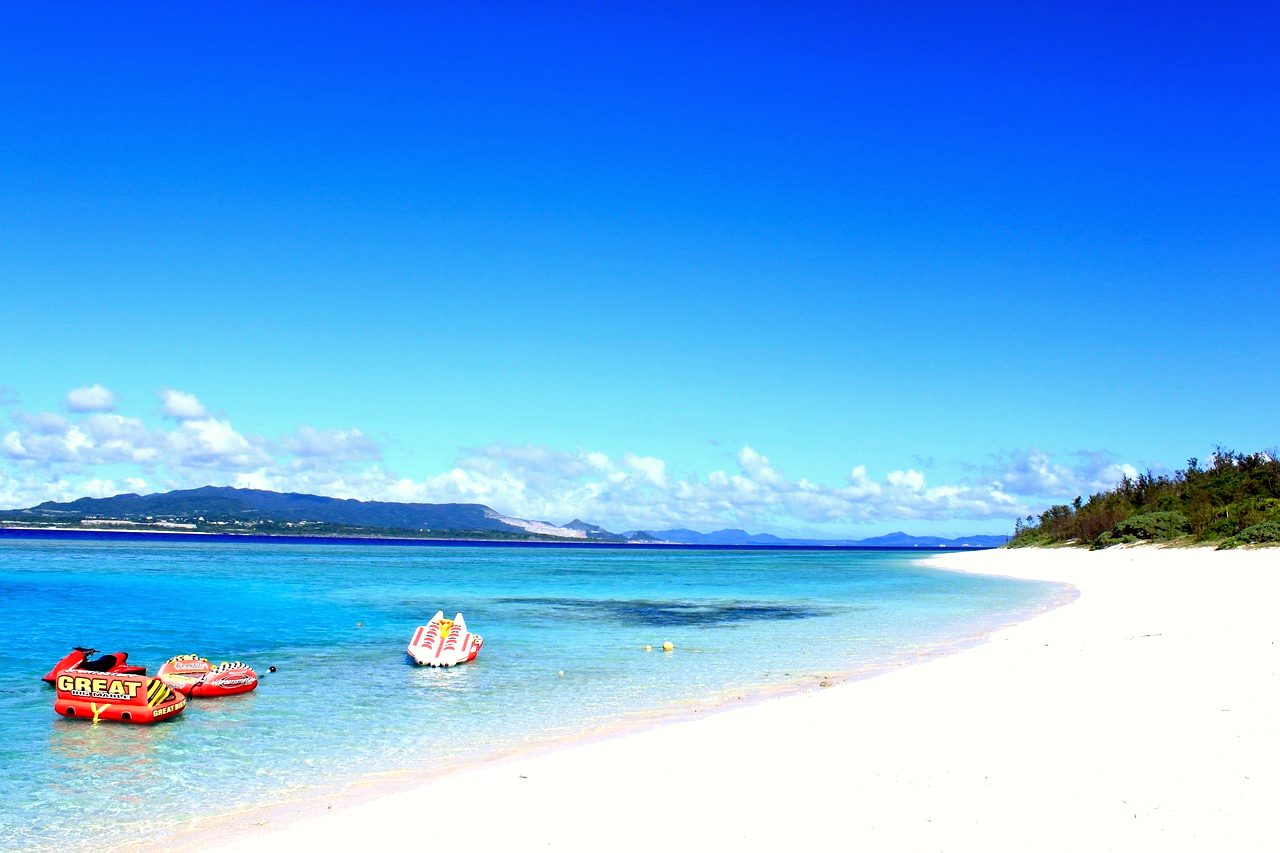
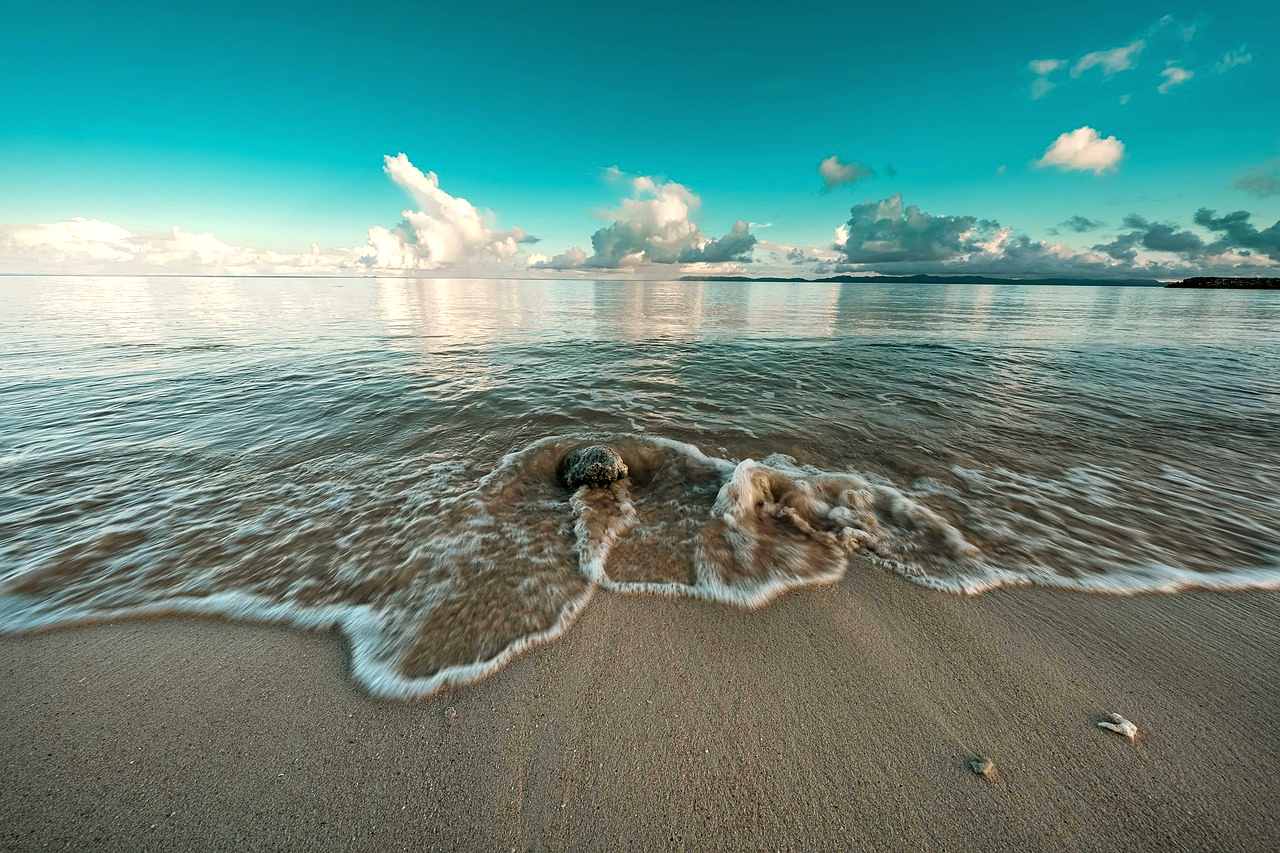
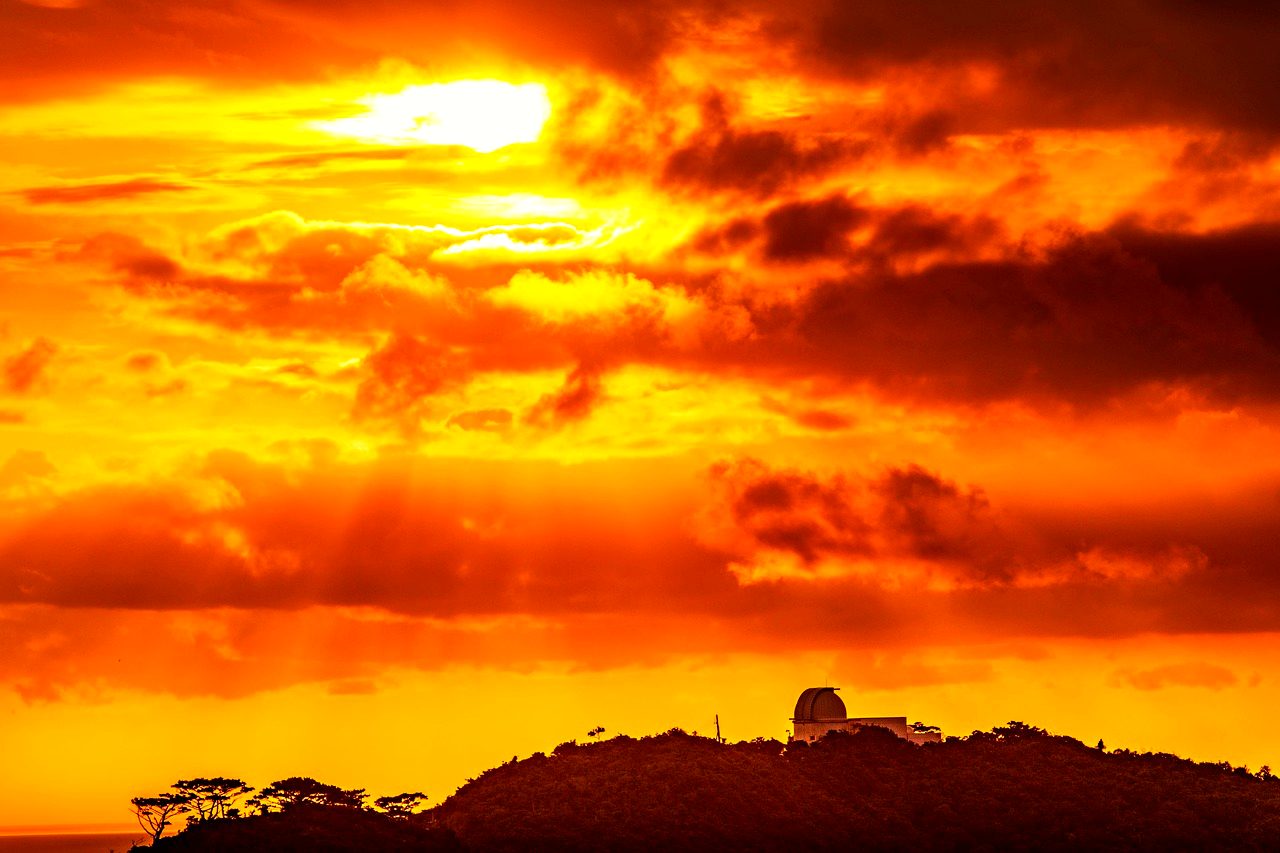
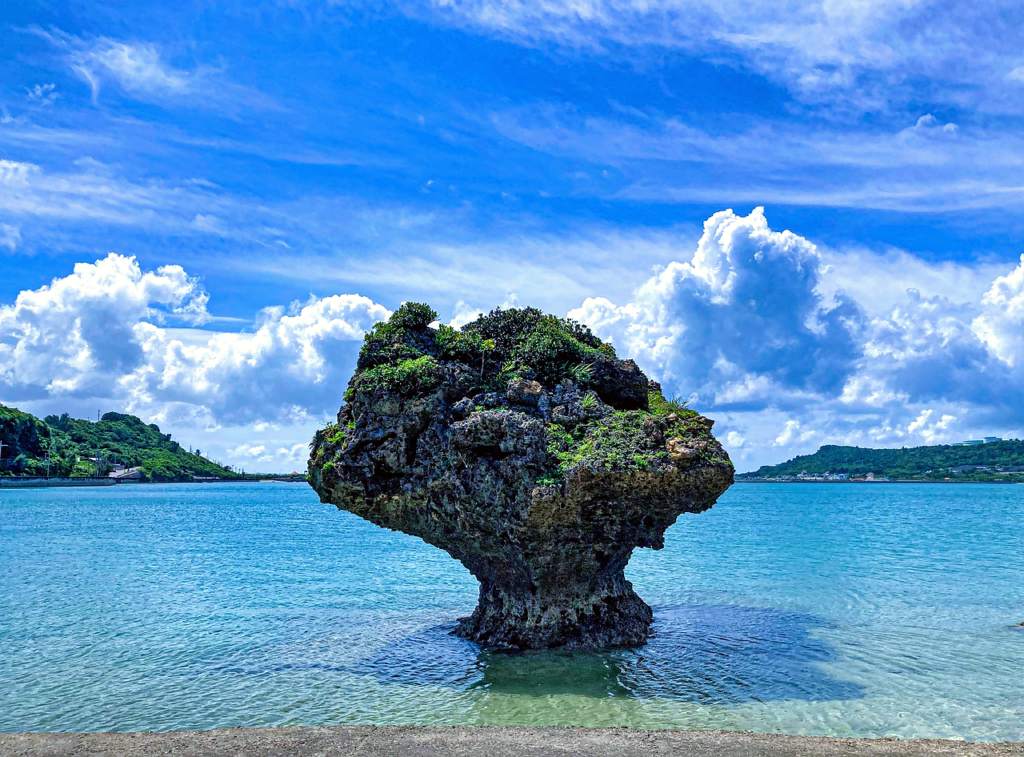
Okinawa is a vibrant blend of rich culture and stunning natural beauty. Visitors are greeted by warm hospitality, beautiful beaches, and a unique heritage that sets it apart from mainland Japan.

In pictures

Okinawa
Okinawa
Okinawa
Okinawa
Okinawa
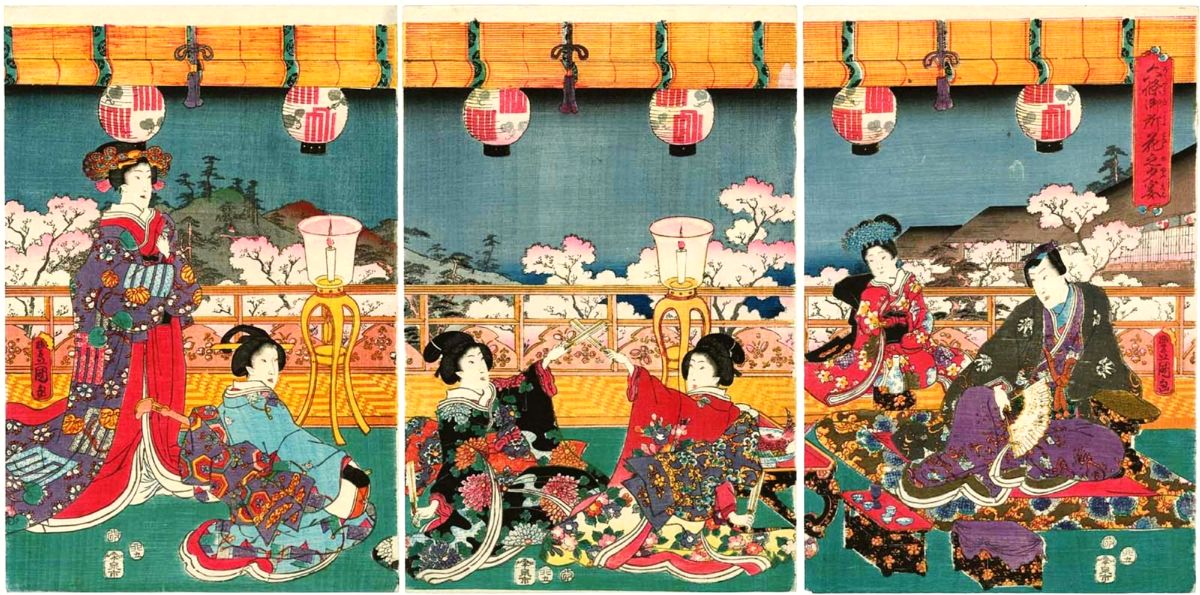
A depiction of the 1710 Ryukyuan mission to Edo

Sightseeing

Shuri Castle: a UNESCO World Heritage site with stunning architecture
Okinawa Churaumi Aquarium: home to diverse marine life, including whale sharks
Kokusai Street: a lively shopping street filled with local crafts and food
Cape Manzamo: a scenic cliff with breathtaking ocean views
Gyokusendo Cave: an impressive limestone cave with beautiful formations
Okinawa World: a cultural theme park showcasing local traditions
Nakijin Castle: ruins of a historic castle with panoramic views
Himeyuri Peace Museum: a poignant reminder of the Battle of Okinawa

"A Tropical Paradise with Unique Culture"Okinawa

Things to do

Snorkel at Kerama Islands: explore coral reefs with over 400 types of corals.
Visit local markets: experience authentic Okinawan culture and try purple sweet potato tarts.
Take a cooking class: learn to make traditional dishes like chanpurū.
Relax on the beaches: unwind at beaches like Naminoue and Emerald Beach.
Hike in Yanbaru National Park: discover lush forests and wildlife, including the rare Okinawa rail.
Local food and drinks - Okinawa

Local food and drinks

Okinawa Soba: a unique noodle dish with pork and broth
Goya Champuru: a stir-fry featuring bitter melon and tofu
Awamori: a local distilled spirit, often enjoyed chilled
Taco Rice: a fusion dish combining tacos and rice
Beni Imo Tart: a sweet dessert made from purple sweet potatoes
Local traditions - Okinawa

Local traditions

Eisa Festival: a vibrant dance festival held in summer
Shuri Castle Festival: celebrating the history and culture of the Ryukyu Kingdom
Okinawa's unique music: traditional folk music played with sanshin instruments
New Year celebrations: featuring traditional foods and customs

Do's and don'ts

Explore local markets for authentic souvenirs
Try traditional Okinawan dishes at local eateries
Respect local customs and traditions during festivals
Learn a few basic Japanese phrases to enhance your experience
Don't assume all locals speak English fluently
Don't miss out on trying the local cuisine
Don't forget to bring cash, as some places don't accept cards
Don't rush your visit; take time to soak in the culture
Explore the history at Shuri Castle

Explore the history at Shuri Castle

Shuri Castle, a UNESCO World Heritage site, showcases the unique Ryukyu Kingdom architecture. The castle's vibrant red walls and intricate details tell stories of Okinawa's past. As you walk through the grounds, take a moment to appreciate the panoramic views of Naha city. The castle is especially beautiful during cherry blossom season in January and February. However, be prepared for crowds, especially on weekends and holidays. The entrance fee is reasonable, but check for any special events that may affect access.

Cape Manzamo's iconic rock formation

Cape Manzamo's iconic rock formation

Cape Manzamo is famous for its elephant trunk-shaped rock formation that juts out into the East China Sea. The view from the cliff is particularly striking during sunset when the sky turns shades of orange and pink. This spot is popular for photography, so expect to share the space with other visitors. There are no entrance fees, but the area can get windy, so dress accordingly. Nearby, you can find local stalls selling snacks like Okinawa soba and fresh fruit.

Relax at Kabira Bay's serene waters

Relax at Kabira Bay's serene waters

Kabira Bay is known for its clear turquoise waters and white sandy beaches. The bay is a great spot for kayaking or simply relaxing on the shore. You can also take a glass-bottom boat tour to see the coral reefs. The area is less crowded than other beaches, making it perfect for a peaceful day. However, swimming is not allowed due to strong currents, so be cautious. Local vendors offer fresh seafood, including the popular goya champuru, a stir-fry dish with bitter melon.

info_outlinePracticalexpand_more
Since: Founded around 600 AD
Population: 1.450.000

About Okinawa

The island's laid-back atmosphere invites exploration, whether through its lush landscapes or bustling markets. However, be prepared for the subtropical climate, which can be quite humid, especially in summer.

Things to know

Be cautious of tourist traps, especially in busy areas.
Public transport can be limited; consider renting a car.
Summer heat can be intense; stay hydrated and wear sunscreen.
Some attractions may have limited English signage.
In winter, temperatures rarely dip below 15°C, making it a mild escape from colder regions.

Good to know

Accessibility: Many areas are accessible, but some attractions have limited mobility options.
Island: yes
Price level: mid-range
history_eduHistoryexpand_more
History - Okinawa

Okinawa has a rich history that dates back to the Ryukyu Kingdom, which flourished from the 15th to the 19th century. This unique kingdom was a hub for trade between Japan, China, and Southeast Asia, leading to a diverse cultural exchange.

The island was later annexed by Japan in the late 19th century. During World War II, Okinawa was the site of a significant battle, resulting in extensive destruction and loss of life. Today, the island embraces its heritage while looking towards the future.

Photo: Wikipedia / Wikimedia Commons