kiomigo
search
search
add New trip
Osaka

Osaka

Population: 2.700.000 Since: Founded around 600 AD Price: Mid-range
accessible Accessibility: Many areas are accessible, but some attractions have stairs.

Introduction

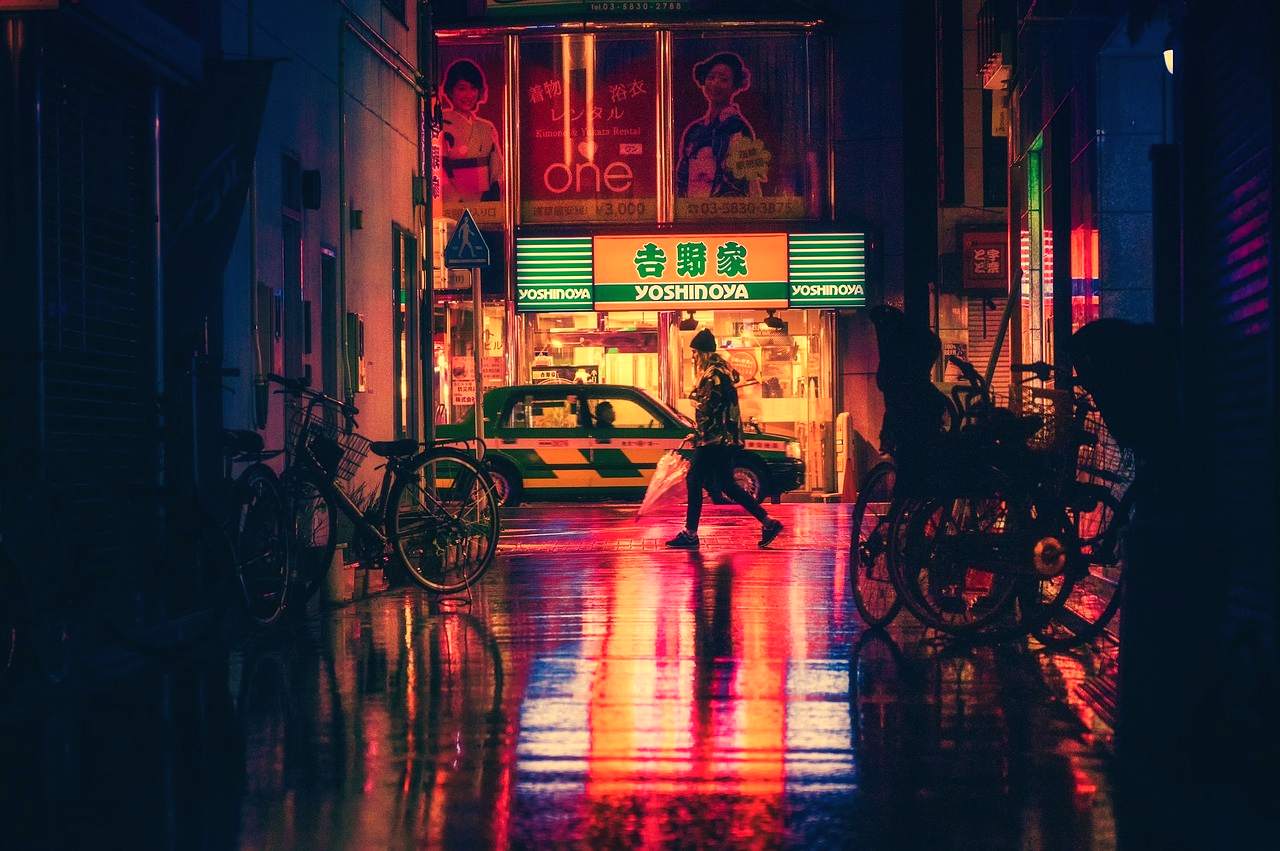
Osaka is a vibrant city known for its dynamic street life and rich culinary scene. Visitors are often drawn to its unique blend of modernity and tradition, with neon-lit districts juxtaposed against historic temples.

The city's atmosphere is lively, particularly in areas like Dotonbori, where the sounds of laughter and sizzling street food create an inviting ambiance. However, it can be overwhelming during peak tourist seasons, so plan your visit accordingly.

In pictures

Osaka
Osaka
Osaka
Osaka
Osaka
Osaka

Sightseeing

Osaka Castle: a historic landmark with beautiful gardens
Shitennoji Temple: one of Japan's oldest temples
Dotonbori: famous for its neon lights and street food
Universal Studios Japan: a popular theme park with attractions
Osaka Aquarium Kaiyukan: one of the largest aquariums in the world
Tsutenkaku Tower: offers panoramic views of the city
Namba Parks: a shopping complex with a rooftop garden
Sumiyoshi Taisha: a serene shrine with unique architecture

"A city of food and fun"Osaka

Things to do

Explore Kuromon Ichiba Market: a food lover's paradise
Take a river cruise: see the city from a different perspective
Visit Osaka's street food stalls: try local delicacies
Experience the nightlife in Namba: vibrant bars and clubs

Local food and drinks

Takoyaki: savory octopus balls, a must-try
Okonomiyaki: a savory pancake filled with various ingredients
Kushikatsu: deep-fried skewers, popular in Osaka
Negiyaki: a green onion pancake, lighter than okonomiyaki
Local sake: enjoy a glass at a traditional izakaya

Local traditions

Tenjin Matsuri: one of Japan's top festivals, held in July
Sumiyoshi Taisha's New Year celebrations: traditional rituals
Osaka's unique dialect: known as Kansai-ben, adds local flavor
Street food culture: a vital part of daily life and tradition
History - Osaka

History

Osaka has a rich history that dates back to ancient times, originally known as Naniwa, a key port city. It served as the capital of Japan during the 7th century, playing a significant role in trade and culture.

Over the centuries, Osaka evolved into a commercial hub, known for its merchant class and vibrant economy. The city faced challenges during World War II but has since rebuilt and modernized, becoming a major urban center.

Things to know

Beware of tourist traps in Dotonbori, where prices can be inflated
Public transport is efficient but can be crowded during rush hours
Safety is generally good, but watch for pickpockets in busy areas
Language barriers may exist, so learn a few basic phrases

Do's and don'ts

Try local street food at Dotonbori
Visit a traditional onsen for relaxation
Explore the city's parks for a break from the hustle
Engage with locals to learn about their culture
Don't rush through meals; savor the flavors
Don't ignore local customs, such as bowing
Don't take photos in restricted areas, especially temples
Don't rely solely on English; learn some Japanese phrases

Good to know

Accessibility: Many areas are accessible, but some attractions have stairs.
Price level: mid-range

Photo: Wikipedia / Wikimedia Commons