search
search
add New trip
Baguio City

Baguio City

calendar_monthOct–Maybest time schedule4 daysplan for child_careYeswith kids
Baguio CityYour own route Plan a trip here →

Baguio City, known as the Summer Capital of the Philippines, offers a refreshing escape from the tropical heat. Nestled in the mountains, its cool climate and vibrant flower gardens create a unique charm that attracts both locals and tourists.

Sightseeing

Burnham Park: a central park with boating and gardens
Mines View Park: offers panoramic views of the mountains
The Mansion: the official summer residence of the Philippine president
Baguio Cathedral: a stunning Gothic-style church
Wright Park: known for its pool of pine trees and horseback riding
Session Road: the main commercial street filled with shops and cafes
Tam-awan Village: an artist's village showcasing local art
Botanical Garden: a serene space with diverse plant species

"Cool Climate, Warm Hearts"Baguio City

Things to do

Explore the Night Market: shop for local goods and street food like strawberry taho and grilled corn.
Visit the Baguio Public Market: experience local produce, fresh vegetables, and handmade crafts.
Hike to Mount Yangbew: enjoy views of the surrounding mountains and fresh air.
Attend the Panagbenga Festival in February: witness the flower float parade and street dancing.
Take a stroll in Burnham Park: relax by the lake or rent a bike for a leisurely ride.
Try horseback riding at Wright Park: a fun activity for all ages, with rides available for around 100 PHP.
Local food and drinks - Baguio City

Local food and drinks

Strawberry Taho: a sweet snack with fresh strawberries
Ube Jam: a local delicacy made from purple yam
Baguio Longganisa: a flavorful local sausage
Pinikpikan: a traditional chicken dish, often served during festivals
Cafe by the Ruins: a popular spot for local coffee and pastries
Local traditions - Baguio City

Local traditions

Panagbenga Festival: a month-long flower festival in February
Baguio Arts Festival: showcases local artists and their work
Baguio's Christmas Village: a festive display during the holiday season
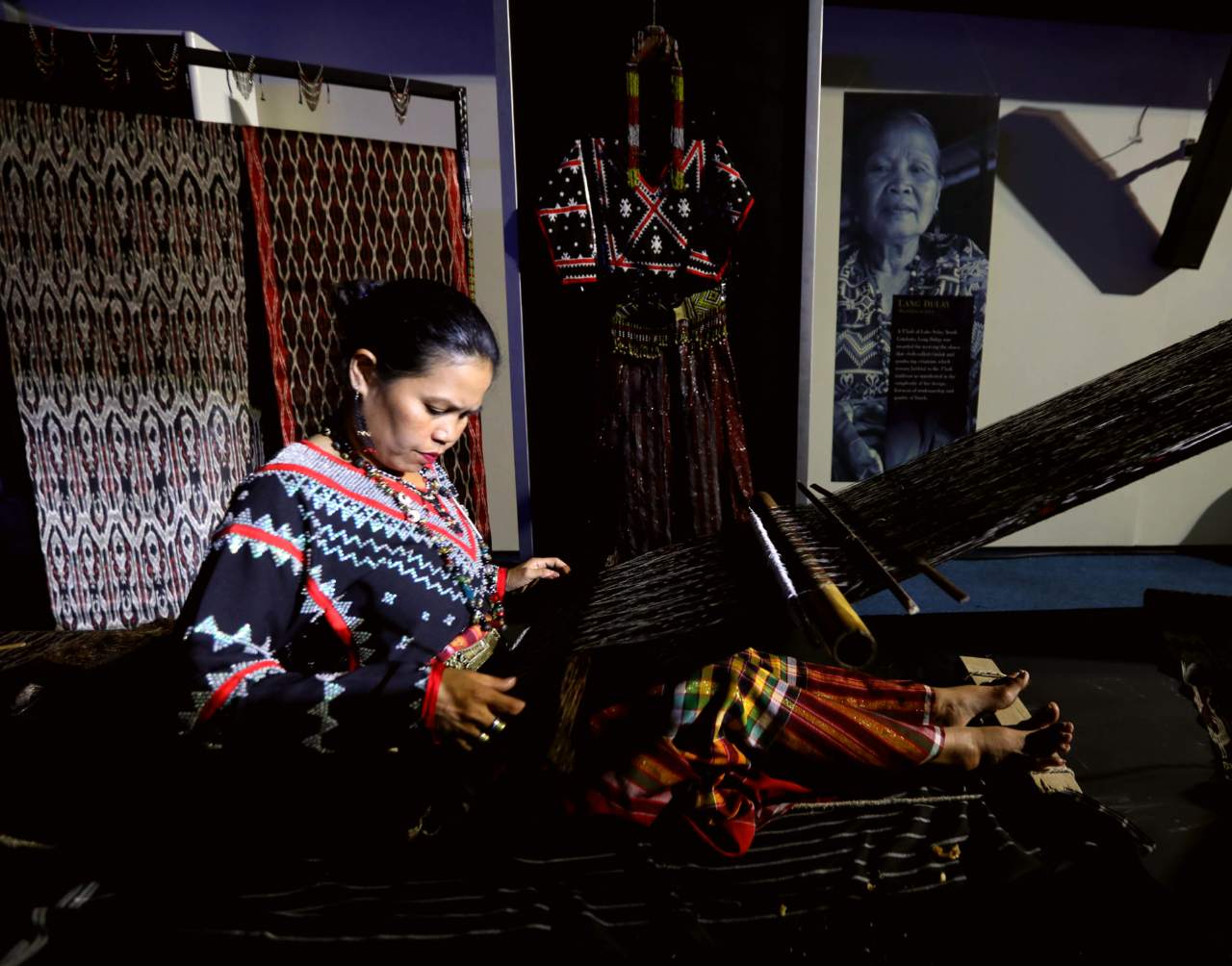
Local weaving traditions: preserving indigenous craftsmanship

Do's and don'ts

Try local delicacies at the public market
Visit during the Panagbenga Festival for vibrant celebrations
Respect local customs and traditions
Explore the surrounding nature trails
Don't litter in public spaces
Don't haggle aggressively at markets
Don't ignore local traffic rules
Don't visit during peak season if you dislike crowds
info_outlinePracticalexpand_more
Since: Founded around 1900
Population: 345.000

About Baguio City

Visitors will find a blend of modern amenities and rich cultural heritage, with bustling markets and serene parks. The city's pine-scented air and stunning views make it a perfect destination for nature lovers and those seeking a peaceful retreat.

Things to know

Be cautious of traffic congestion, especially on weekends.
Popular areas can have tourist traps, so keep an eye out for overpriced items.
Public transport options are limited, consider renting a vehicle for convenience.
The weather can change quickly, so dress in layers to stay comfortable throughout the day.
history_eduHistoryexpand_more
History - Baguio City

Baguio City was established as a hill station by the Americans in the early 1900s, chosen for its cool climate and scenic beauty. It quickly became a popular retreat for those seeking relief from the heat of the lowlands, and its development was marked by the construction of roads and infrastructure.

Over the years, Baguio has evolved into a vibrant city, blending its colonial past with modern influences. It has faced challenges such as the 1990 earthquake, which significantly impacted its landscape and infrastructure, but the city has shown resilience and continues to thrive as a cultural and tourist hub.

Photo: Wikipedia / Wikimedia Commons