search
search
add New trip
Philippines

Philippines

PH calendar_monthNov–Maybest time schedule10 daysplan for child_careYeswith kids flagManilacapital $Philippine Pesocurrency translateFilipino, Englishlanguage
PhilippinesYour own route Plan a trip here →

The Philippines is a stunning archipelago of over 7,000 islands, offering diverse landscapes from pristine beaches to lush mountains. Travelers are drawn to its vibrant culture, friendly locals, and rich history, making it a unique destination in Southeast Asia.

In pictures

Philippines
Philippines
Philippines
Philippines
Philippines
Philippines
Philippines
Philippines

Sightseeing

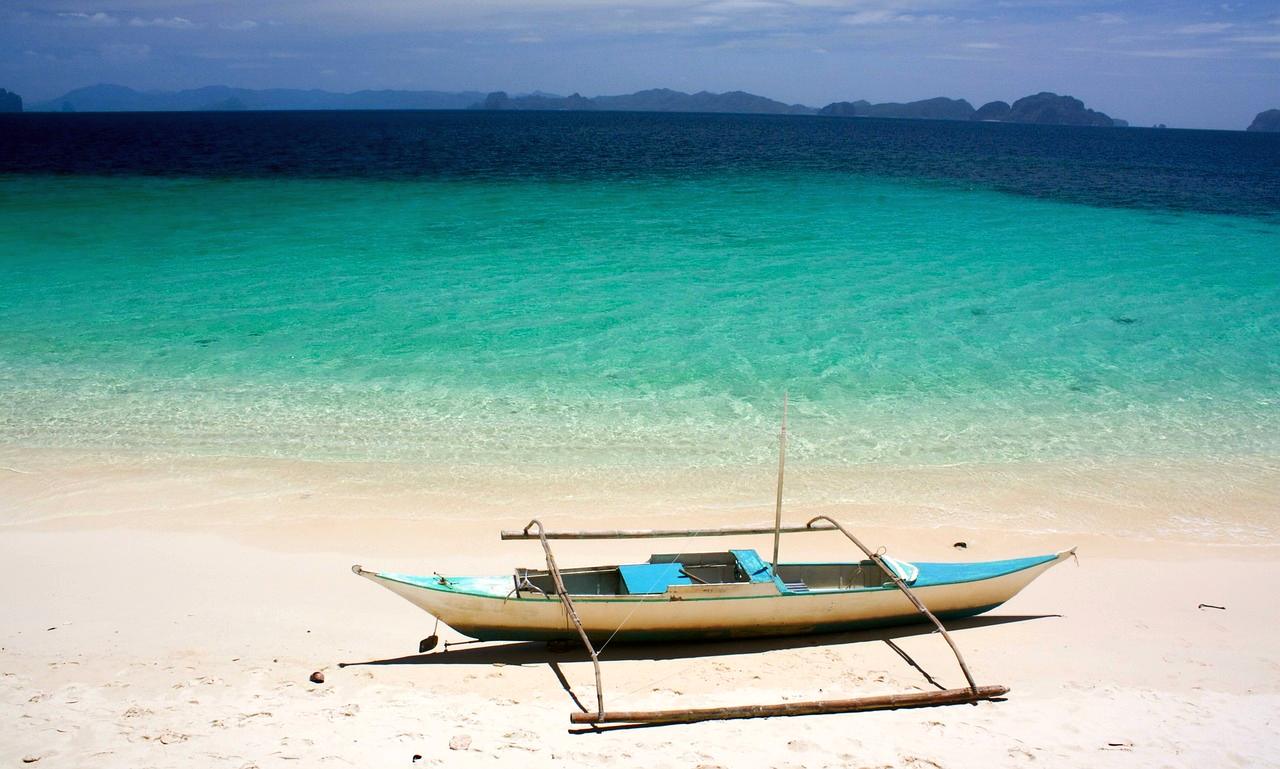
Palawan: known for its breathtaking limestone cliffs and clear waters
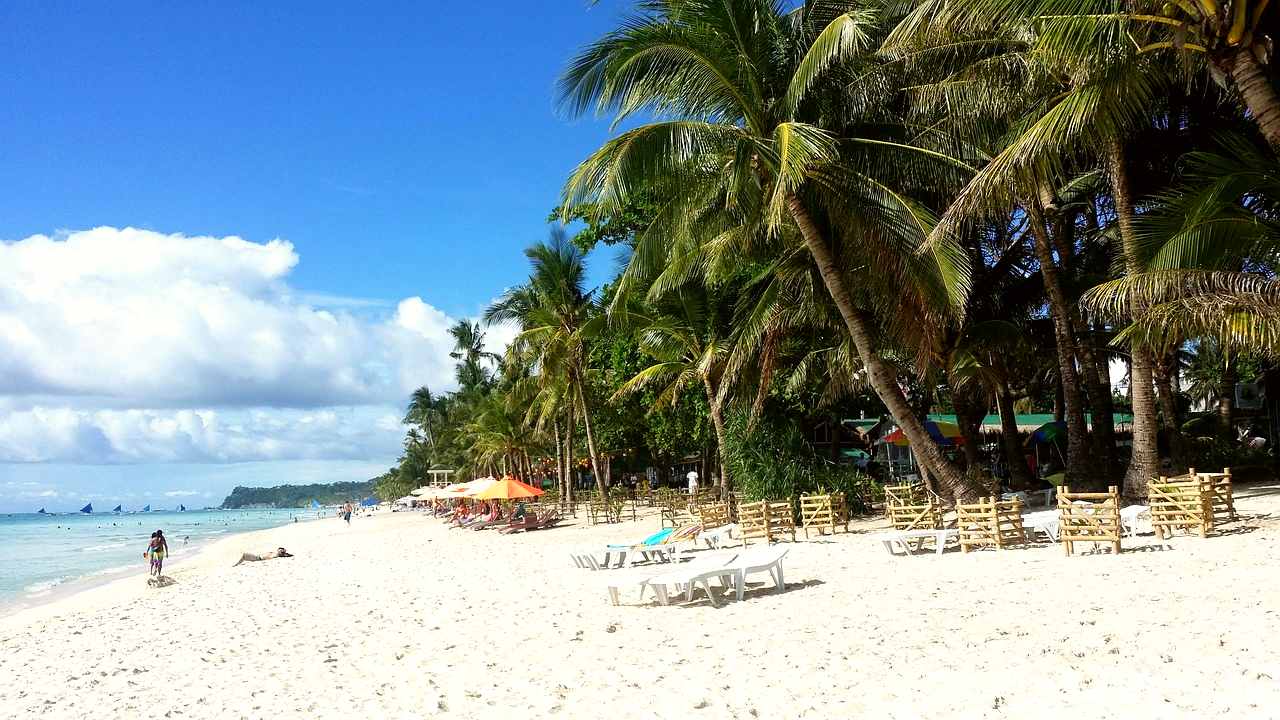
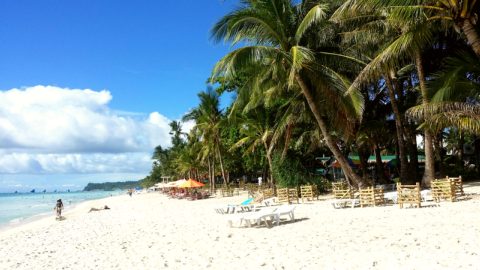
Boracay: famous for its powdery white sand beaches
Banaue Rice Terraces: a UNESCO World Heritage site showcasing ancient agricultural practices
Manila: the bustling capital with a mix of history and modernity
Cebu: rich in history and beautiful beaches
Siargao: a surfer's paradise with stunning lagoons
Vigan: a well-preserved Spanish colonial town
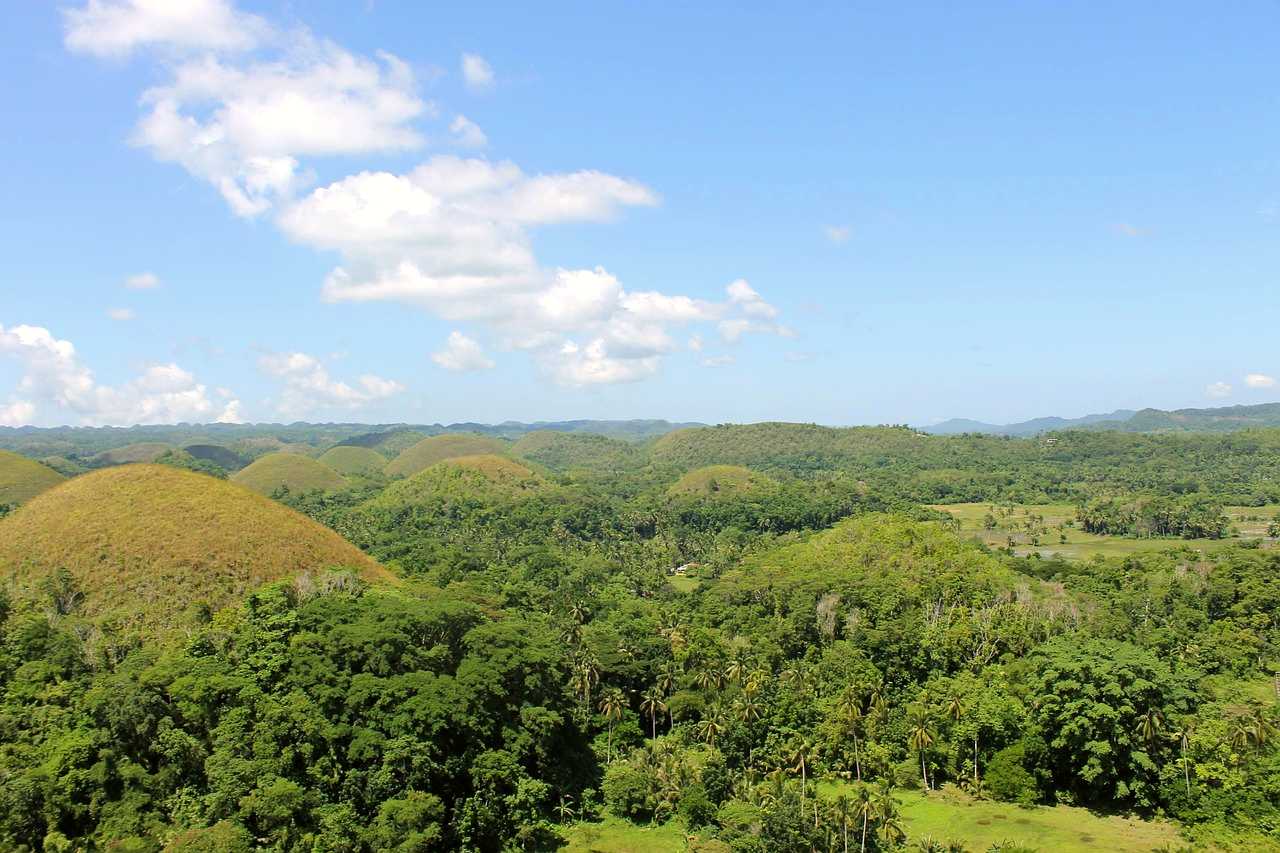
Chocolate Hills: unique geological formations in Bohol

"It's more fun in the Philippines"Philippines

Things to do

Island hopping: explore the diverse islands and hidden beaches
Snorkeling and diving: discover vibrant marine life in crystal-clear waters
Trekking: hike through lush mountains and rice terraces
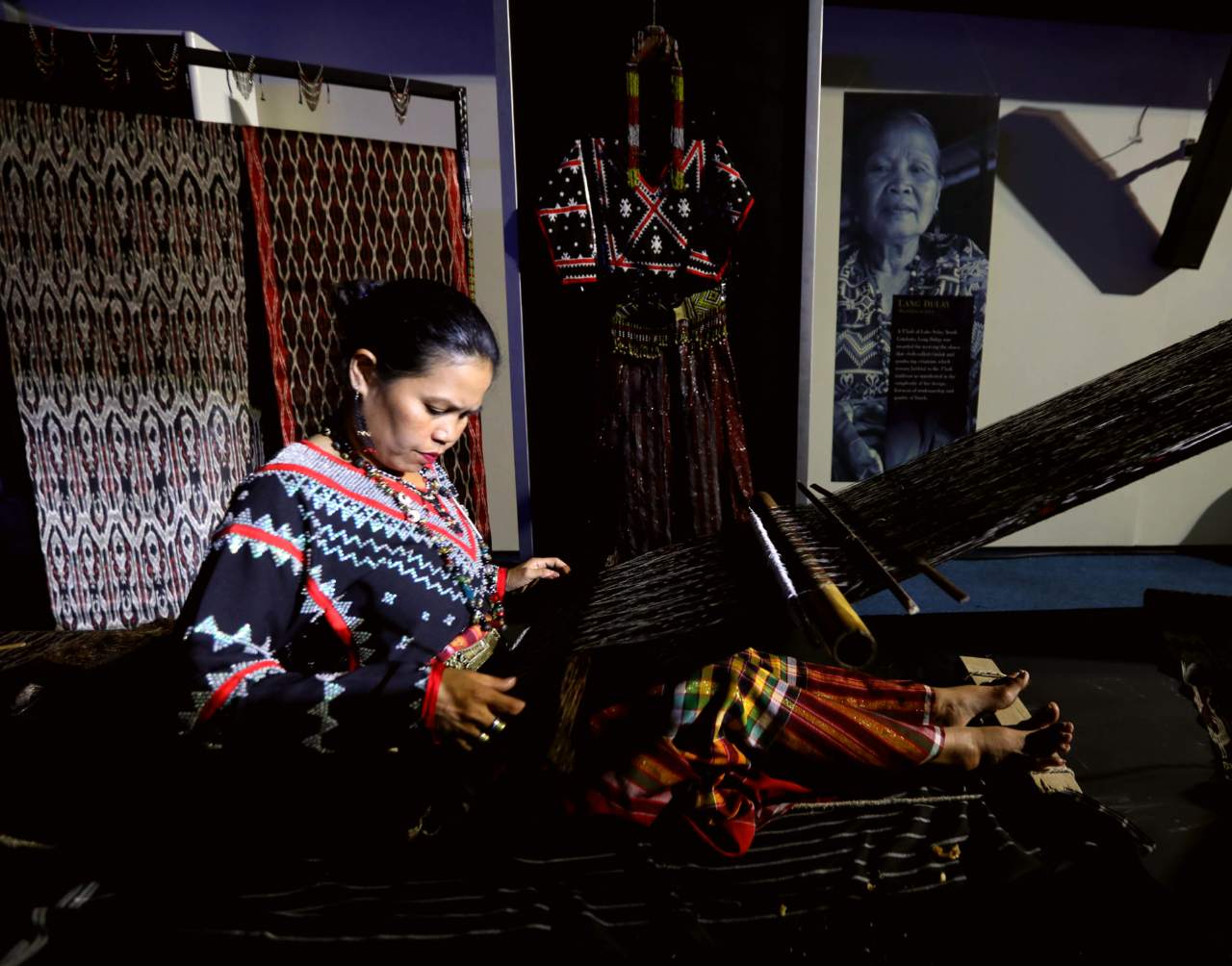
Cultural tours: learn about local traditions and history
Surfing: ride the waves in popular surf spots
Food tours: indulge in local cuisine and street food
Local food and drinks - Philippines

Local food and drinks

Adobo: a savory dish made with meat marinated in vinegar, soy sauce, and spices, try it in local eateries
Sinigang: a sour soup made with tamarind, often served with pork or shrimp, perfect for rainy days
Lechon: roasted pig, a festive dish best enjoyed during celebrations
Halo-halo: a refreshing dessert with shaved ice, fruits, and sweet beans, ideal for hot weather
Lumpia: Filipino spring rolls, commonly found at street food stalls
Tanduay Rum: a local rum, great for cocktails or sipping
Local traditions - Philippines

Local traditions

Fiesta: vibrant local festivals celebrating patron saints with food and music
Bayanihan: the spirit of communal unity and cooperation, often seen in local communities
Pahiyas Festival: a colorful harvest festival in Lucban, showcasing rice and agricultural products
Christmas celebrations: known for being one of the longest in the world, filled with unique traditions
Traditional dances: such as Tinikling, showcasing Filipino culture and history

Do's and don'ts

Respect local customs and traditions
Learn a few basic Filipino phrases
Try to haggle at markets, it's part of the culture
Be mindful of environmental conservation, especially on beaches
Engage with locals to enrich your travel experience
Don't assume everyone speaks English, especially in rural areas
Don't take photos of people without permission, especially in remote communities
Don't litter; keep the beautiful landscapes clean
Don't engage in political discussions, as they can be sensitive
Don't rush; embrace the local pace of life
A tribute to a national hero

A tribute to a national hero

The Rizal Monument in Manila honors José Rizal, a key figure in the Philippines' fight for independence. Standing tall in Rizal Park, this site is not just a monument but a gathering place for locals and tourists alike. You can often find families enjoying picnics nearby or students learning about their history. The park is a great spot to relax after exploring the busy streets of Manila. Just be mindful of the heat, especially during the summer months, and bring water to stay hydrated.

Step into history at Fort Santiago

Step into history at Fort Santiago

The Gate of Fort Santiago is a significant historical landmark in Intramuros, Manila. This fort played a crucial role during the Spanish colonial period and offers a glimpse into the past. Walking through the gate, you can feel the weight of history. The surrounding gardens provide a peaceful escape from the city's hustle. However, be prepared for uneven pathways and some areas that may not be well-maintained. Visiting early in the morning can help you avoid crowds and the midday heat.

Explore the beauty of San Agustin Church

Explore the beauty of San Agustin Church

San Agustin Church, the oldest stone church in the Philippines, is a UNESCO World Heritage site located in Intramuros. Its baroque architecture and intricate details are captivating. Inside, you can admire the ornate altars and beautiful ceiling murals. However, be respectful of the ongoing services and the quiet atmosphere. The church can get crowded during weekends, so visiting on a weekday is advisable for a more serene experience. Don't forget to check out the adjacent museum for more insights into the church's history.

info_outlinePracticalexpand_more
Population: 113.000.000
Best time: November to April

About Philippines

However, navigating the islands can be challenging due to limited infrastructure and varying transport options. While some areas are well-developed, others may lack basic amenities, so it's essential to plan ahead and be prepared for unexpected situations.

Basic information

Capital: Manila
Language: Filipino, English
Currency: Philippine Peso
Best time to visit: November to April

Travel information

Flights are available to major cities like Manila and Cebu from various international destinations Domestic flights and ferries connect the islands, but travel times can vary Public transportation includes jeepneys, tricycles, and buses, often crowded and colorful Credit cards are widely accepted in urban areas, but cash is essential in rural regions Internet connectivity is improving, but may be limited in remote areas

Things to know

Be cautious of pickpockets in crowded areas, especially in Manila
Some tourist spots may have entrance fees, so carry cash
Respect local customs and dress modestly when visiting religious sites
Expect delays in transportation, especially during peak travel seasons
Tap water is not safe to drink; opt for bottled water instead
history_eduHistoryexpand_more
History - Philippines

The Philippines has a rich history influenced by various cultures, from indigenous tribes to Spanish colonization in the 16th century. The archipelago was named after King Philip II of Spain and became a crucial trade hub in Asia.

After over 300 years of Spanish rule, the Philippines declared independence in 1898, only to be ceded to the United States. The country faced challenges during World War II and later transitioned to independence in 1946, shaping its modern identity.

Photo: Wikipedia / Wikimedia Commons