search
search
add New trip
Boracay

Boracay

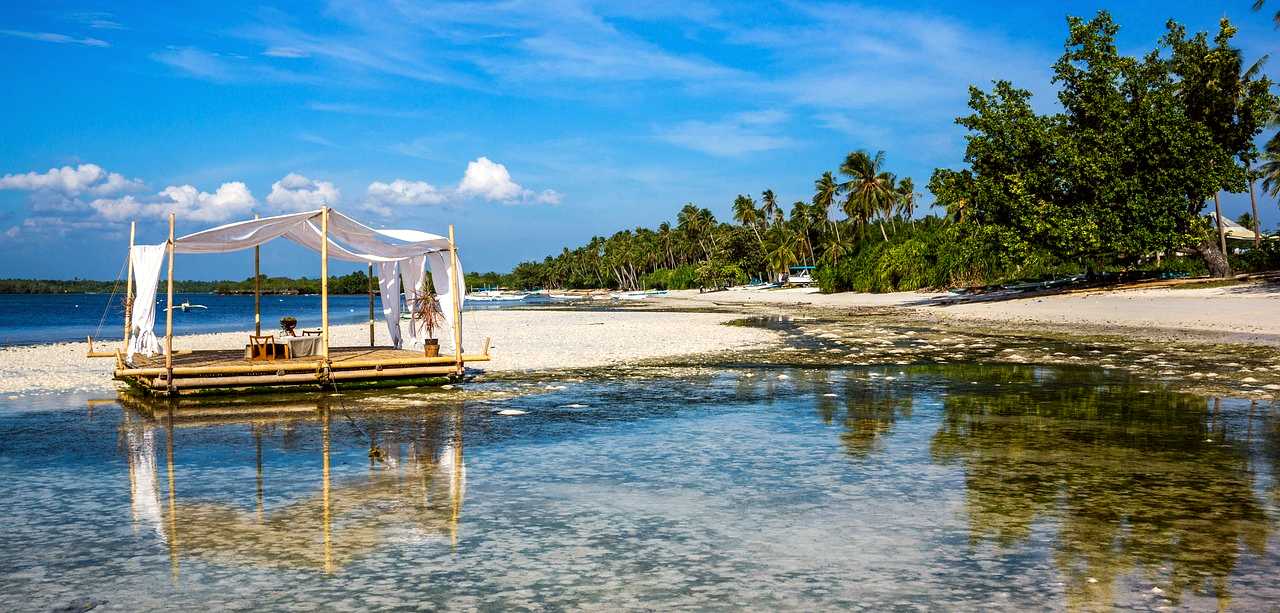
tttboram · Pixabay
tttboram · Pixabay
calendar_monthNov–Maybest time schedule5 daysplan for child_careYeswith kids confirmation_numberMid-rangeprice
BoracayYour own route Plan a trip here →

Boracay is a small island in the Philippines known for its stunning white-sand beaches and vibrant nightlife. Visitors are drawn to its crystal-clear waters and a laid-back atmosphere that invites relaxation and adventure alike.

Read more

While the island is a paradise for beach lovers, it can get crowded, especially during peak season. The local culture is warm and welcoming, but be prepared for a mix of touristy spots and authentic local experiences.

In pictures

Boracay RichardMc · Pixabay
Boracay 路小飞 · Pixabay
Boracay Tivistar · Pixabay
Boracay BANITAtour · Pixabay

Sightseeing

White Beach: famous for its powdery sand and vibrant atmosphere
Puka Shell Beach: quieter alternative with beautiful shells
Mount Luho: offers panoramic views of the island
Diniwid Beach: a serene spot for relaxation
Boracay's Crystal Cove: a small island with caves and lagoons
Bulabog Beach: popular for water sports like kite surfing
Willy's Rock: iconic rock formation and photo spot
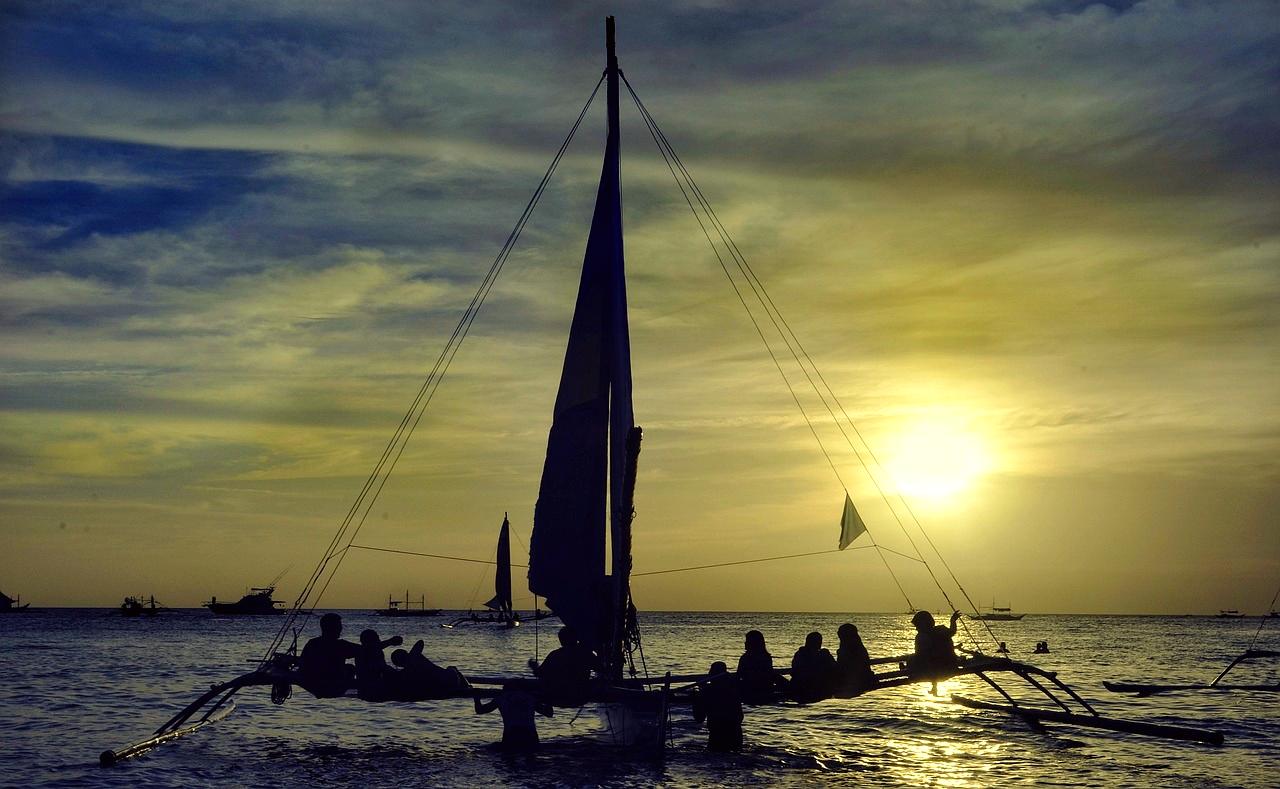
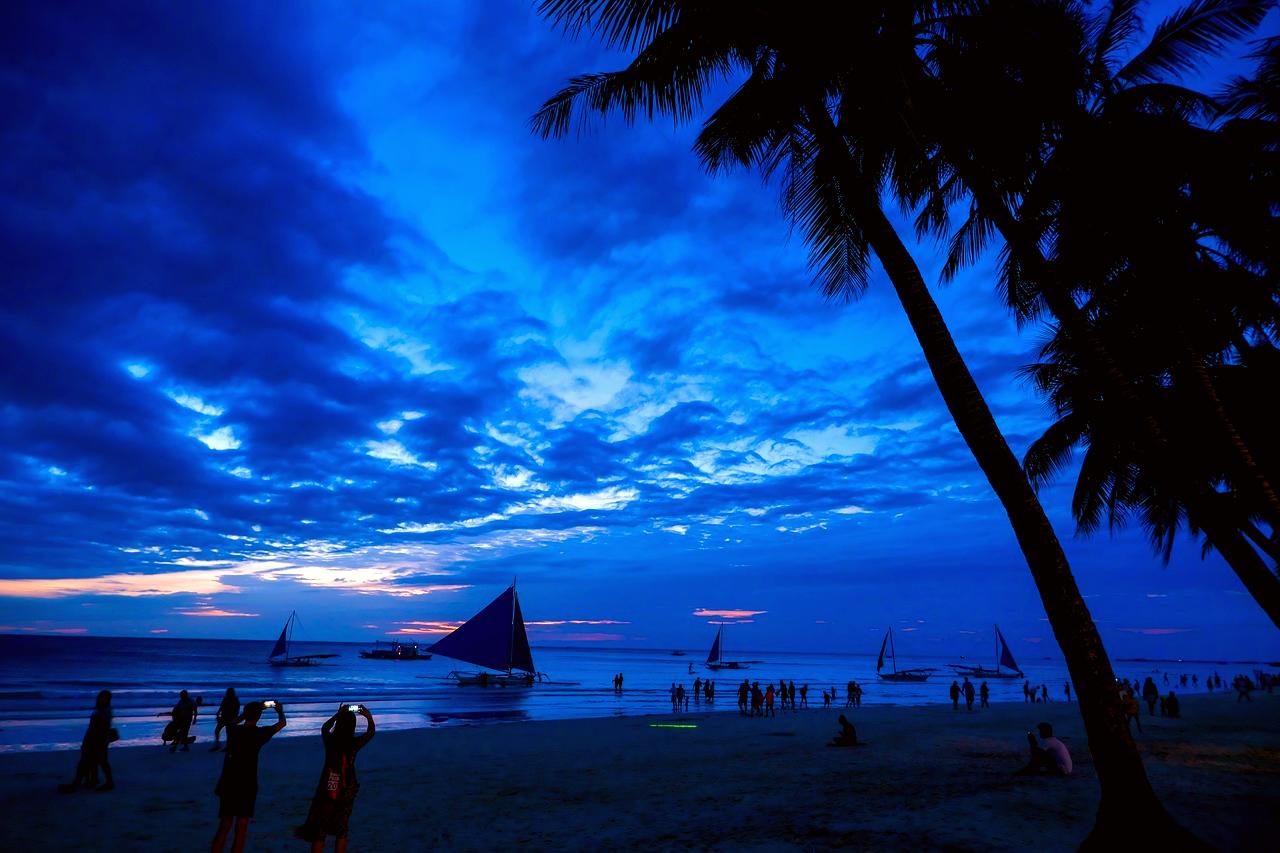
Boracay Sunset: breathtaking sunsets that draw crowds

"Paradise Awaits on Boracay"Boracay

Things to do

Snorkeling: explore the coral reefs and diverse marine life around the island.
Kite surfing: experience thrilling water sports on Bulabog Beach, particularly popular from November to April.
Island hopping: visit nearby islands and quieter beaches like Puka Shell Beach.
Spa treatments: indulge in relaxing massages and wellness therapies at various resorts.
Nightlife: enjoy bars and clubs near Stations 1 and 2 that come alive after dark.
For scuba diving enthusiasts, expect to pay around ₱1600 per dive, which includes equipment rental, with numerous dive centers available along White Beach.

Local food and drinks

Chori Burger: local grilled sausage burger
Sinigang: tangy tamarind soup, a Filipino favorite
Lechon: roasted pig, a must-try dish
Halo-Halo: refreshing dessert with mixed ingredients
Mango Shake: a popular tropical drink
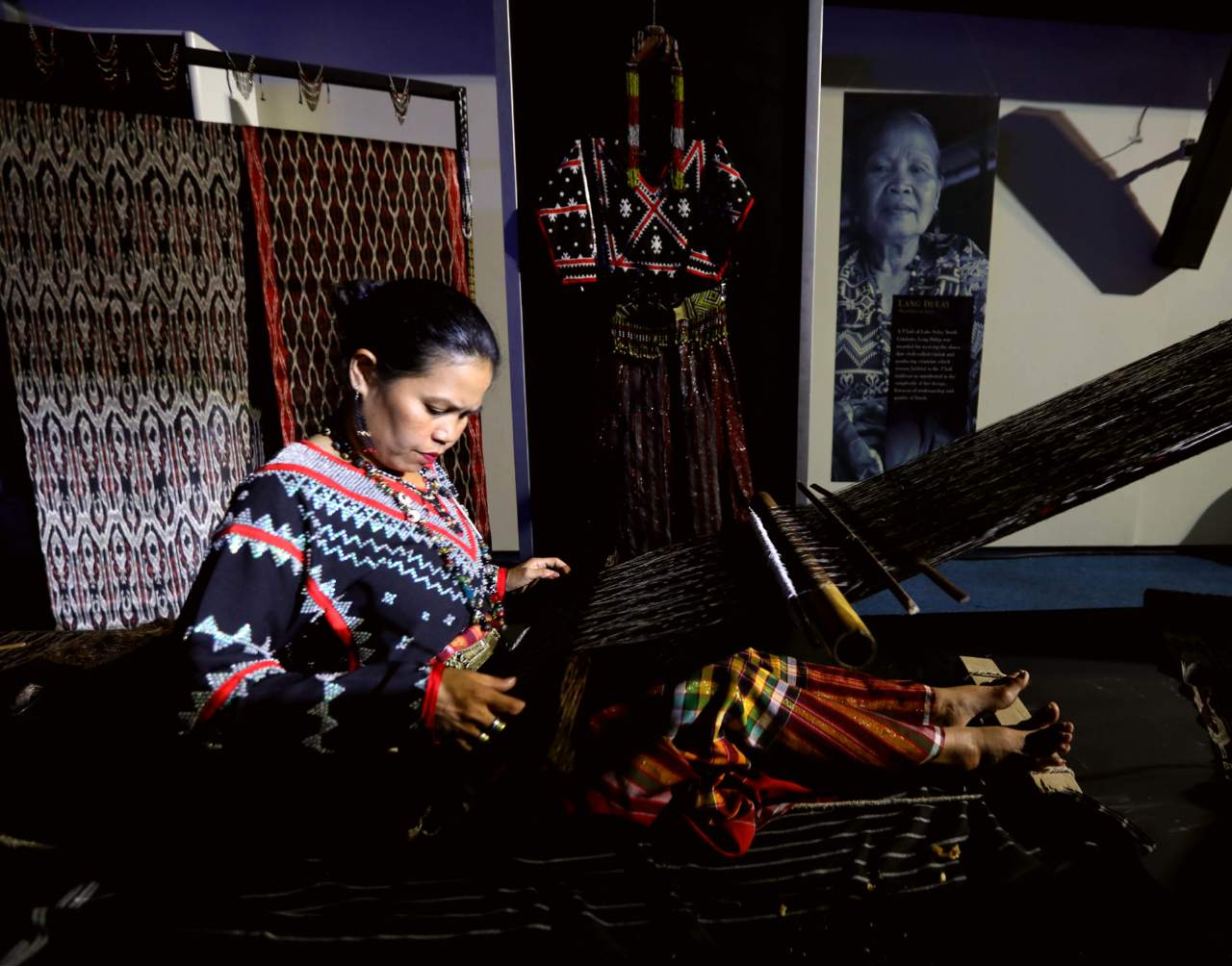
Local traditions - Boracay Rico H. Borja for the Philippine News Agency · Public domain

Local traditions

Ati-Atihan Festival: a vibrant celebration in January
Local fishing practices: traditional methods still in use
Bamboo crafts: local artisans create unique items
Fiesta celebrations: community gatherings with food and music

Do's and don'ts

Explore beyond White Beach for quieter spots
Try local dishes at small eateries
Respect the environment and clean up after yourself
Engage with locals to learn about their culture
Don't litter; keep the beaches clean
Don't haggle aggressively; be respectful in negotiations
Don't ignore safety warnings about swimming conditions
Don't rely solely on credit cards; carry cash for small vendors

White sands and clear waters await you

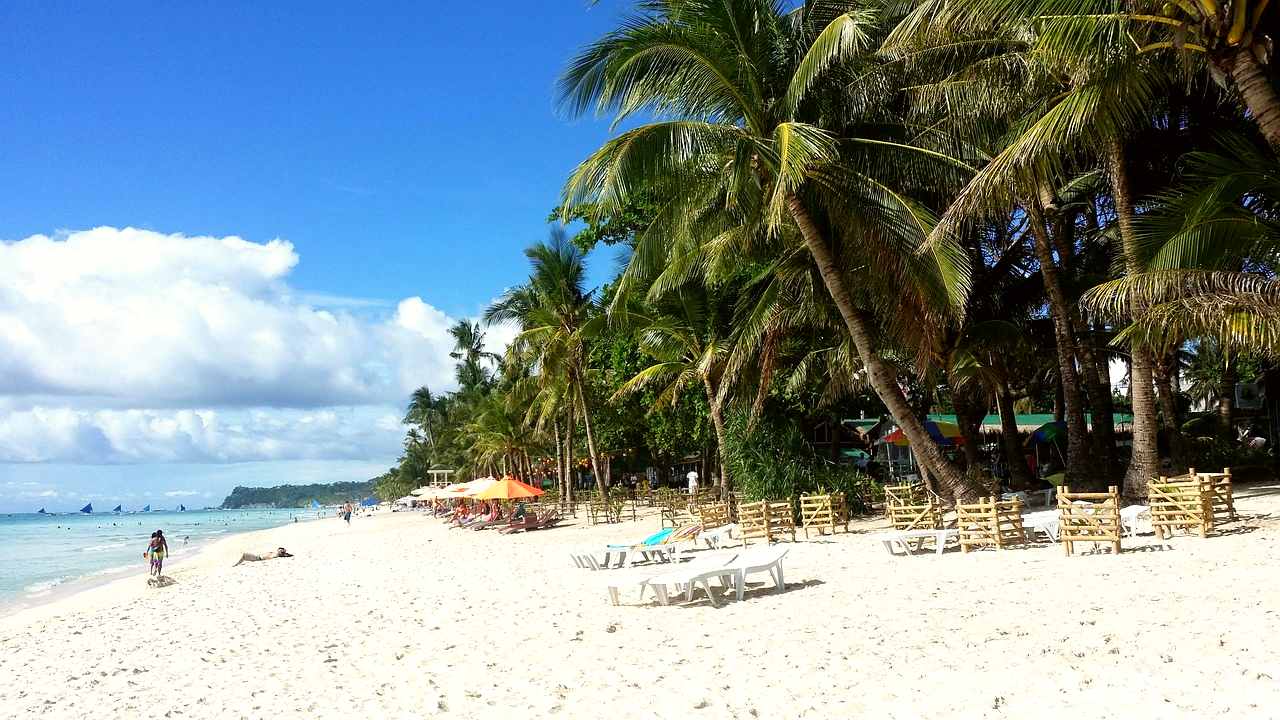
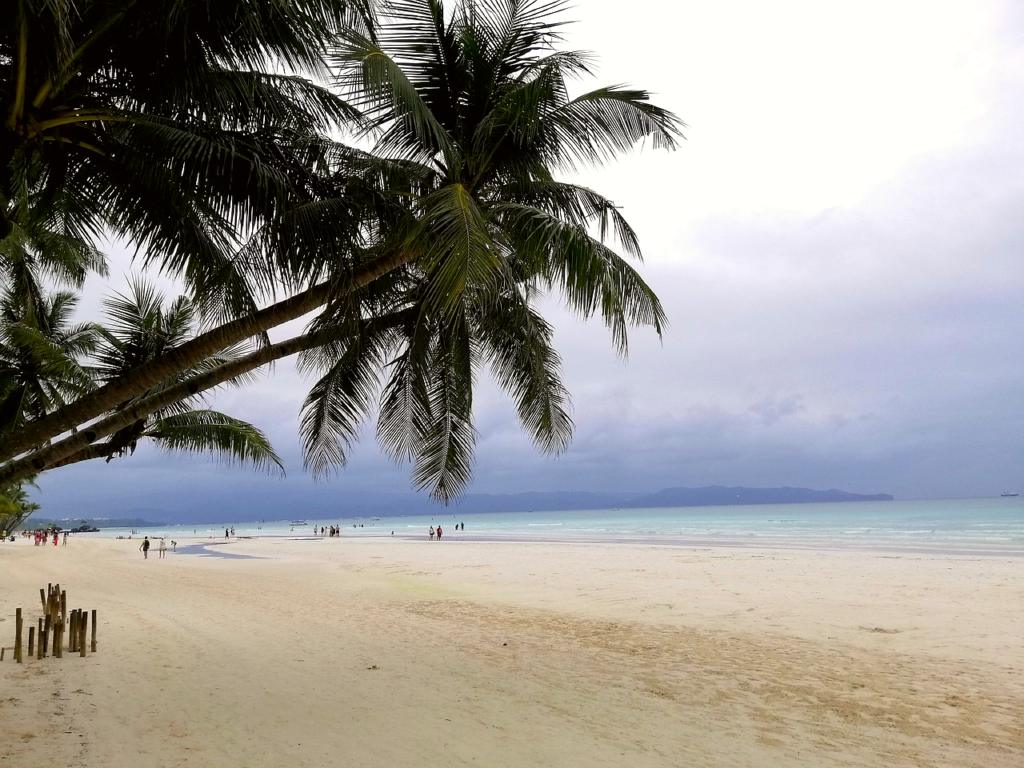
White Beach is the heart of Boracay, stretching over four kilometers. The powdery sand feels soft underfoot, perfect for sunbathing or leisurely walks. You can find various beach bars and restaurants lining the shore, offering everything from fresh seafood to tropical cocktails. However, be mindful of the crowds, especially during the dry season from November to April. Arriving early in the morning or visiting during the shoulder months can provide a more tranquil experience. Don't forget to catch the sunset; the sky transforms into a canvas of colors, making it a memorable sight.

Experience Boracay's rich history

The Old Boracay area offers a glimpse into the island's past. Here, you can wander through narrow streets lined with traditional Filipino houses and local shops. Try the local delicacy, 'chicken inasal', at a nearby eatery. The atmosphere is more relaxed compared to the busy beachfront. You might also encounter friendly locals who are eager to share stories about the island's transformation over the years. This area is less commercialized, so expect a more authentic experience, but be prepared for limited dining options.

A panoramic view of paradise

Climbing Mount Luho, the highest point on the island, rewards you with a panoramic view of Boracay. The hike is moderate, taking about 30 minutes, and is best done in the early morning or late afternoon to avoid the heat. At the top, you can see the famous beaches and the surrounding sea. Bring water and wear comfortable shoes. The viewpoint can get busy, so consider visiting during off-peak hours for a quieter experience. It’s a great spot for photos and to appreciate the island’s natural beauty.

Practical

At a glance

Founded
600 AD
Population
32.000
Accessibility
Some areas are accessible, but many paths are uneven.
Island
yes
Price level
Mid-range

Things to know

Expect high prices during peak season, especially for accommodations.
Transportation can be tricky; tricycles are the main mode of transport.
Be cautious of tourist traps, especially in busy areas.
Respect local customs and the environment, as preservation efforts are ongoing.
The dry season runs from November to April, with the northeast monsoon affecting conditions from December to March.
Note that the island has implemented stricter regulations to protect its natural beauty, so be prepared for occasional beach closures or restrictions.
history_eduHistoryexpand_more

Boracay was relatively unknown until the 1970s when it began to attract backpackers and adventurous travelers. Its stunning beaches and natural beauty quickly gained recognition, leading to increased tourism and development.

In recent years, the island has faced challenges with over-tourism and environmental concerns. Efforts have been made to restore its natural beauty and promote sustainable tourism practices.

Photo: tttboram · Pixabay Content License · Pixabay

Photo credits (4)