search
search
add New trip
Cebu
calendar_monthNov–Maybest time schedule5 daysplan for child_careYeswith kids confirmation_numberMid-rangeprice
CebuYour own route Plan a trip here →

Cebu is a vibrant city that blends rich history with modern urban life. Visitors are greeted by warm locals, stunning landscapes, and a lively atmosphere that makes it a popular destination in the Philippines.

In pictures

Cebu
Cebu
Cebu
Cebu
Cebu
Cebu

Sightseeing

Magellan's Cross: a historical landmark marking the arrival of Christianity
Basilica Minore del Santo Niño: the oldest Roman Catholic church in the Philippines
Fort San Pedro: a military defense structure from the Spanish colonial period
Taoist Temple: a colorful temple offering panoramic views of the city
Cebu Heritage Monument: a tribute to Cebu's rich history and culture
Mactan Island: famous for its beautiful beaches and water sports
Tops Lookout: a viewpoint offering stunning sunset views over the city
Sirao Flower Farm: a vibrant flower garden popular for photos

"Cebu, where history meets adventure"Cebu

Things to do

Explore historical sites: visit Magellan's Cross and Fort San Pedro to learn about Cebu's past.
Enjoy water sports: try snorkeling at Moalboal or diving in Malapascua.
Visit local markets: check out Carbon Market for fresh produce and local snacks.
Take a food tour: sample Cebu's famous lechon at places like Rico's Lechon and other delicacies like sutukil.
Hike to waterfalls: visit Kawasan Falls for a refreshing swim in its turquoise waters.
Local food and drinks - Cebu

Local food and drinks

Lechon: Cebu's famous roasted pig, a must-try
Puso: rice wrapped in woven coconut leaves, a local staple
Sutukil: a seafood dish that combines grilling, stewing, and raw preparations
Chorizo de Cebu: a flavorful local sausage, often enjoyed with rice
Cebuano coffee: locally grown coffee that offers unique flavors
Local traditions - Cebu

Local traditions

Sinulog Festival: a vibrant celebration held every January
Fiesta celebrations: local fiestas honoring patron saints throughout the year
Cebuano hospitality: known for their warmth and friendliness towards visitors
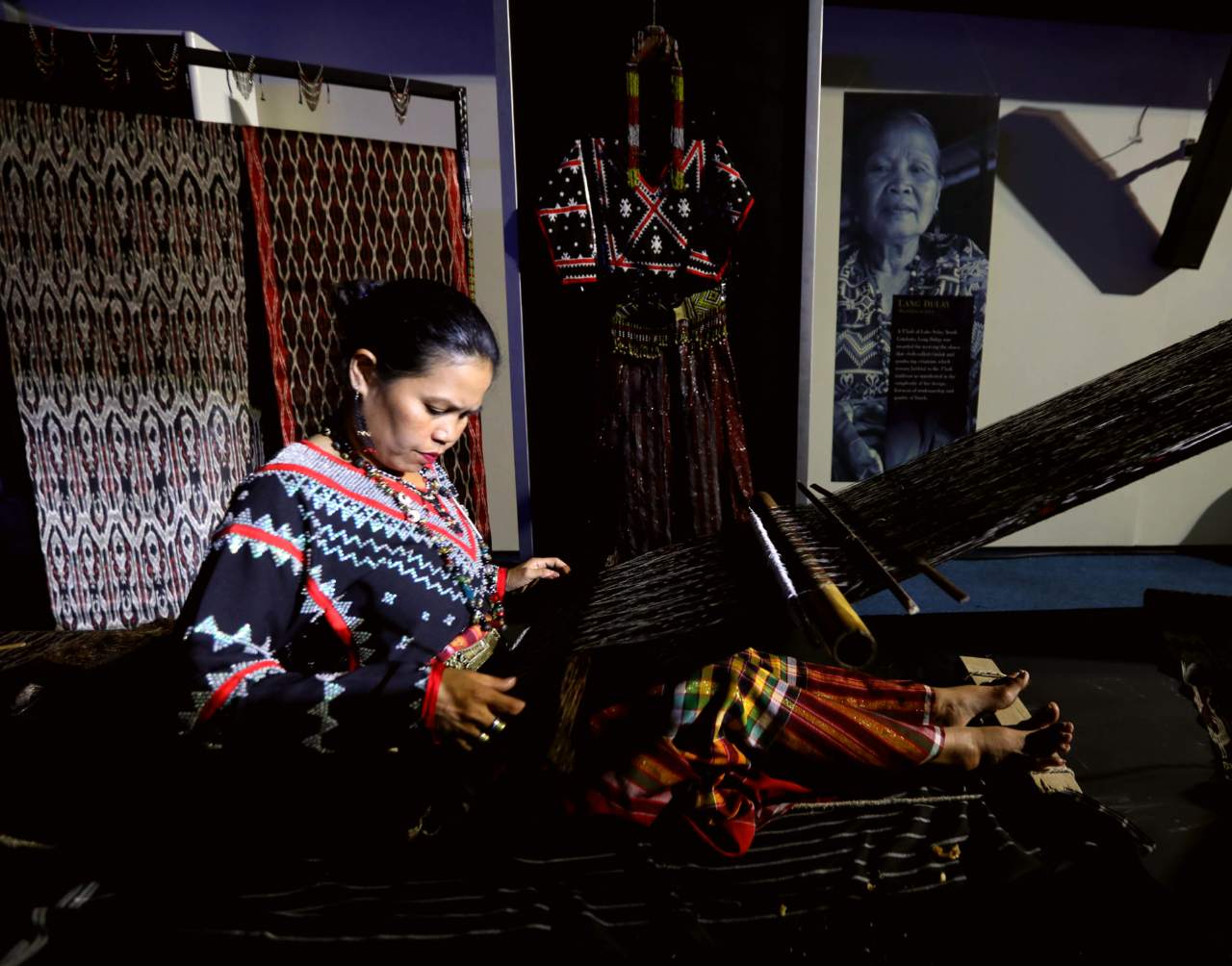
Traditional crafts: local artisans continue to practice weaving and pottery

Do's and don'ts

Respect local customs and traditions
Bargain politely at markets
Try local dishes and street food
Use sunscreen and stay hydrated while exploring
Don't engage in aggressive bargaining
Don't litter or disrespect public spaces
Don't take photos in restricted areas without permission
Don't forget to try the local delicacies
A piece of history in Cebu

A piece of history in Cebu

Mactan Shrine commemorates the Battle of Mactan, where local hero Lapu-Lapu defeated Ferdinand Magellan in 1521. The shrine features a statue of Lapu-Lapu and a small museum detailing the events of that day. Visitors can stroll through the surrounding park, which offers a peaceful atmosphere amid the historical significance. Be prepared for local vendors selling souvenirs nearby. The site is easily accessible and can be a quick stop on your way to other attractions in Cebu.

Nature's beauty at Kawasan Falls

Nature's beauty at Kawasan Falls

Kawasan Falls is a popular spot for those seeking adventure and relaxation. The turquoise waters cascade down three levels, creating natural pools perfect for swimming. You can also try canyoneering, which involves navigating through the river and jumping into the pools. The best time to visit is during the dry season, from November to April, when the water is clear and the trails are less muddy. Expect a bit of a hike to reach the falls, so wear comfortable shoes.

Cebu Cathedral's architectural charm

Cebu Cathedral's architectural charm

Cebu Cathedral, officially known as the Basilica Minore del Santo Niño, is a significant religious site in the city. The cathedral features a mix of Baroque and Romanesque architecture, with beautiful stained glass windows and intricate details. Inside, you can find the revered Santo Niño de Cebu statue, which attracts many pilgrims. The cathedral is located near other historical sites, making it easy to explore the area. Keep in mind that it can get crowded during mass, so plan your visit accordingly.

info_outlinePracticalexpand_more
Since: Founded around 1521
Population: 922.611

About Cebu

The city is known for its historical significance, being the site of the first Spanish settlement in the country. Its bustling markets, beautiful beaches, and cultural landmarks offer a diverse experience for travelers seeking both adventure and relaxation.

Things to know

Be cautious of pickpockets in crowded areas, especially markets.
Traffic can be congested, so plan travel times accordingly.
Public transport options may be limited, consider using ride-hailing apps like Grab.
Some tourist spots can be overcrowded during peak seasons, particularly from December to February.

Good to know

Accessibility: Some areas are accessible, but others may pose challenges
Island: yes
Price level: mid-range
history_eduHistoryexpand_more

Cebu is often referred to as the 'Queen City of the South' and has a rich history dating back to the arrival of Ferdinand Magellan in 1521. It became the first Spanish settlement in the Philippines, which laid the groundwork for the country's colonial history.

Over the centuries, Cebu has evolved from a trading hub to a bustling metropolis. The city played a significant role in the Philippine Revolution and has preserved many historical sites that reflect its storied past, making it a fascinating destination for history enthusiasts.

Photo: Wikipedia / Wikimedia Commons