search
search
add New trip
Davao City

Davao City

calendar_monthJan–Junbest time schedule5 daysplan for child_careYeswith kids confirmation_numberMid-rangeprice
Davao CityYour own route Plan a trip here →

Davao City is a vibrant urban center in the Philippines, known for its rich cultural diversity and stunning natural landscapes. Visitors are often struck by the warm hospitality of the locals and the city's unique blend of modernity and tradition.

In pictures

Davao City
Davao City
Davao City
Davao City
Aerial view of Davao, 1935
Davao City Hall was established in 1926 as the Municipal Hall when it was still a town.

Sightseeing

Mount Apo: The highest peak in the Philippines, ideal for hiking.
Philippine Eagle Center: Home to the critically endangered Philippine Eagle.
People's Park: A beautifully landscaped park featuring local art.
Davao Crocodile Park: A wildlife park showcasing various reptiles.
San Pedro Cathedral: A historic church with stunning architecture.
Museo Dabawenyo: A museum dedicated to Davao's history and culture.
Buda: A scenic area known for its cool climate and nature.
Eden Nature Park: A mountain resort with various outdoor activities.

"Davao, the Land of Promise"Davao City

Things to do

Hike Mount Apo: Experience breathtaking views and diverse flora.
Visit the Philippine Eagle Center: Learn about conservation efforts for the eagle.
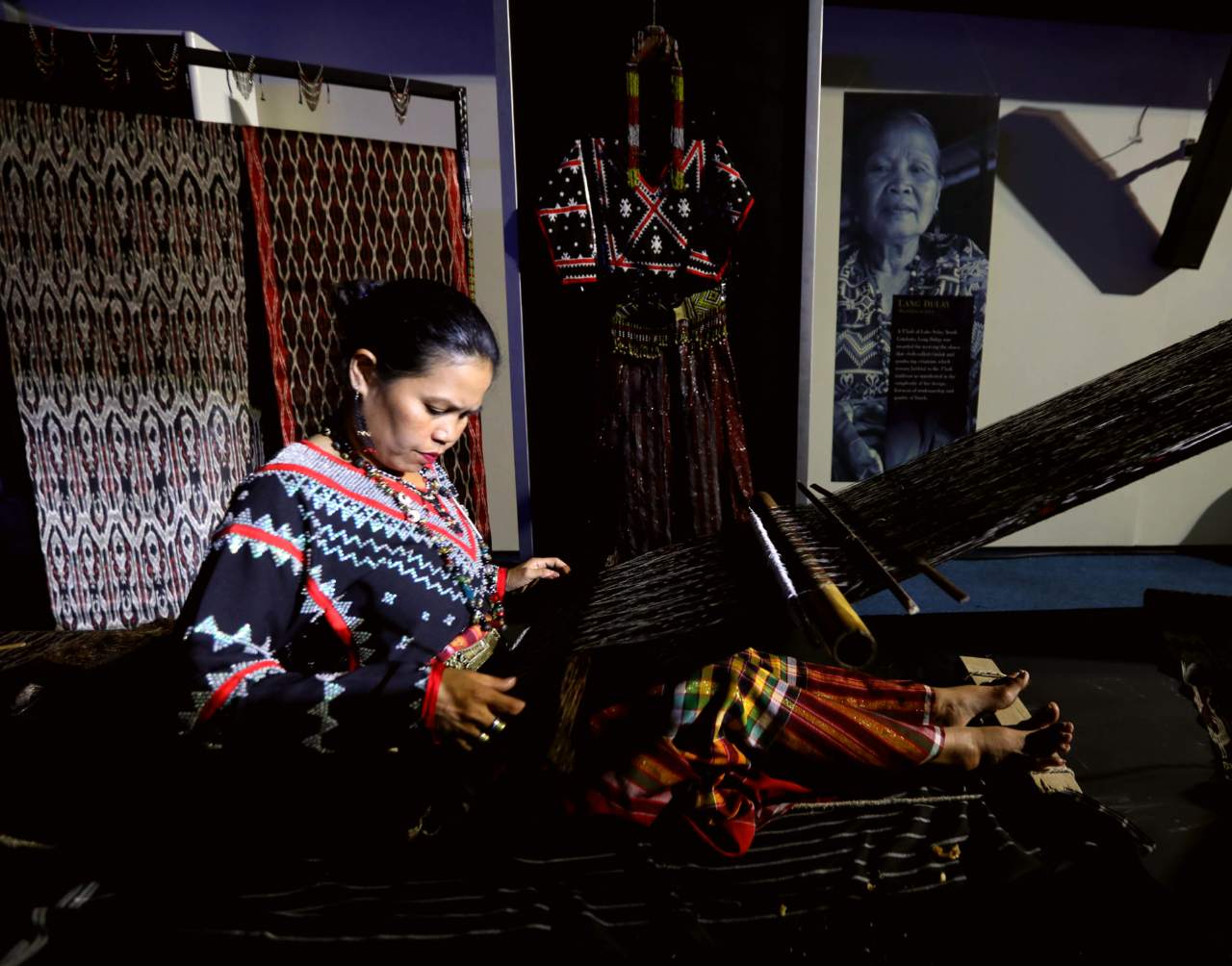
Explore local markets: Discover fresh produce and handmade crafts.
Enjoy water sports at Samal Island: Try snorkeling and diving in clear waters.
Attend the Kadayawan Festival: Celebrate Davao's cultural heritage each August.
Local food and drinks - Davao City

Local food and drinks

Durian: Famous local fruit known for its strong smell.
Sinigang na Baboy: A sour pork soup, a Filipino favorite.
Barbecue skewers: Street food staple, often grilled to perfection.
Kinilaw: A fresh ceviche-style dish using local fish.
Buko Pandan: A refreshing dessert made with coconut and pandan.
Local traditions - Davao City

Local traditions

Kadayawan Festival: An annual celebration of Davao's cultural heritage.
Araw ng Dabaw: A citywide celebration marking Davao's founding.
Bayanihan: The spirit of communal unity and cooperation.
Pahiyas Festival: A colorful harvest festival celebrated in nearby areas.

Do's and don'ts

Try local delicacies: Experience the unique flavors of Davao.
Respect local customs: Be mindful of cultural practices.
Bargain at markets: Negotiating prices is common.
Explore beyond the city: Discover nearby natural attractions.
Don't underestimate the heat: Stay hydrated and wear sunscreen.
Don't litter: Keep the city clean and beautiful.
Don't engage in illegal activities: Stay within the law for safety.
Don't ignore safety warnings: Be aware of your surroundings.
info_outlinePracticalexpand_more
Since: Founded in 1848
Population: 1.700.000

About Davao City

The city is surrounded by lush mountains and is home to the iconic Mount Apo, the highest peak in the Philippines. Davao offers a mix of urban attractions and outdoor adventures, making it a great destination for both relaxation and exploration.

Things to know

Be cautious of street vendors: Some may sell overpriced goods.
Traffic can be unpredictable: Plan travel times accordingly.
Public transport is limited: Consider using ride-hailing apps.
Durian is banned in some hotels: Check policies before bringing it inside.

Good to know

Accessibility: Most areas are accessible, but some attractions may have limited access.
Price level: mid-range
history_eduHistoryexpand_more

Davao City has a rich history that dates back to the early 1900s when it was established as a settlement by American colonizers. The city grew rapidly due to its agricultural potential, particularly in the cultivation of crops like abaca and durian.

During World War II, Davao was occupied by Japanese forces, which significantly impacted its development. Post-war, the city transformed into a major economic hub, attracting migrants and investors, leading to its current status as one of the largest cities in the Philippines.

Photo: Wikipedia / Wikimedia Commons