search
search
add New trip

Iloilo City

calendar_monthNov–Maybest time schedule3 daysplan for child_careYeswith kids
Iloilo CityYour own route Plan a trip here →

Iloilo City is a charming blend of history and modernity, offering visitors a warm welcome with its friendly locals and vibrant culture. The city is known for its well-preserved Spanish colonial architecture, lush parks, and a lively culinary scene that reflects its rich heritage.

Read more

As you stroll through the streets, you'll encounter a mix of bustling markets and serene waterfronts. The city's laid-back atmosphere makes it an ideal spot for travelers looking to immerse themselves in Filipino culture while enjoying the comforts of urban life.

Sightseeing

Iloilo River Esplanade: a scenic riverside walkway perfect for leisurely strolls
Jaro Cathedral: a historic church known for its beautiful architecture
Molo Mansion: a heritage house showcasing local history
Fort San Pedro: remnants of a Spanish fort with a view of the city
Iloilo Museum of Contemporary Art: a hub for modern art enthusiasts
Calle Real: a street lined with heritage buildings and shops
Miagao Church: a UNESCO World Heritage site with stunning baroque design
The Molo Market: a vibrant local market with fresh produce and goods

"Experience the Heart of the Philippines"Iloilo City

Things to do

Explore the Iloilo River: take a boat tour to enjoy the views and spot local wildlife.
Visit the local markets: experience daily life at the Iloilo Central Market, where you can find fresh produce and local snacks.
Attend the Dinagyang Festival: witness the street dancing and cultural performances every January, with the main events taking place on the last weekend of the month.
Relax at the parks: enjoy a picnic at La Paz Plaza or stroll along the Iloilo Esplanade, which is especially pleasant in the cooler months from December to February.
Take a food tour: sample local delicacies like La Paz Batchoy, a noodle soup served with pork broth, and Pancit Molo, a dumpling soup that is a staple in the area.

Local food and drinks

La Paz Batchoy: a hearty noodle soup unique to Iloilo
Pancit Molo: a local dumpling soup that’s a must-try
Biscocho Haus: famous for its crunchy garlic bread
Robinsons Place Iloilo: a popular mall with diverse dining options
Iloilo's fresh seafood: enjoy dishes at local seaside restaurants
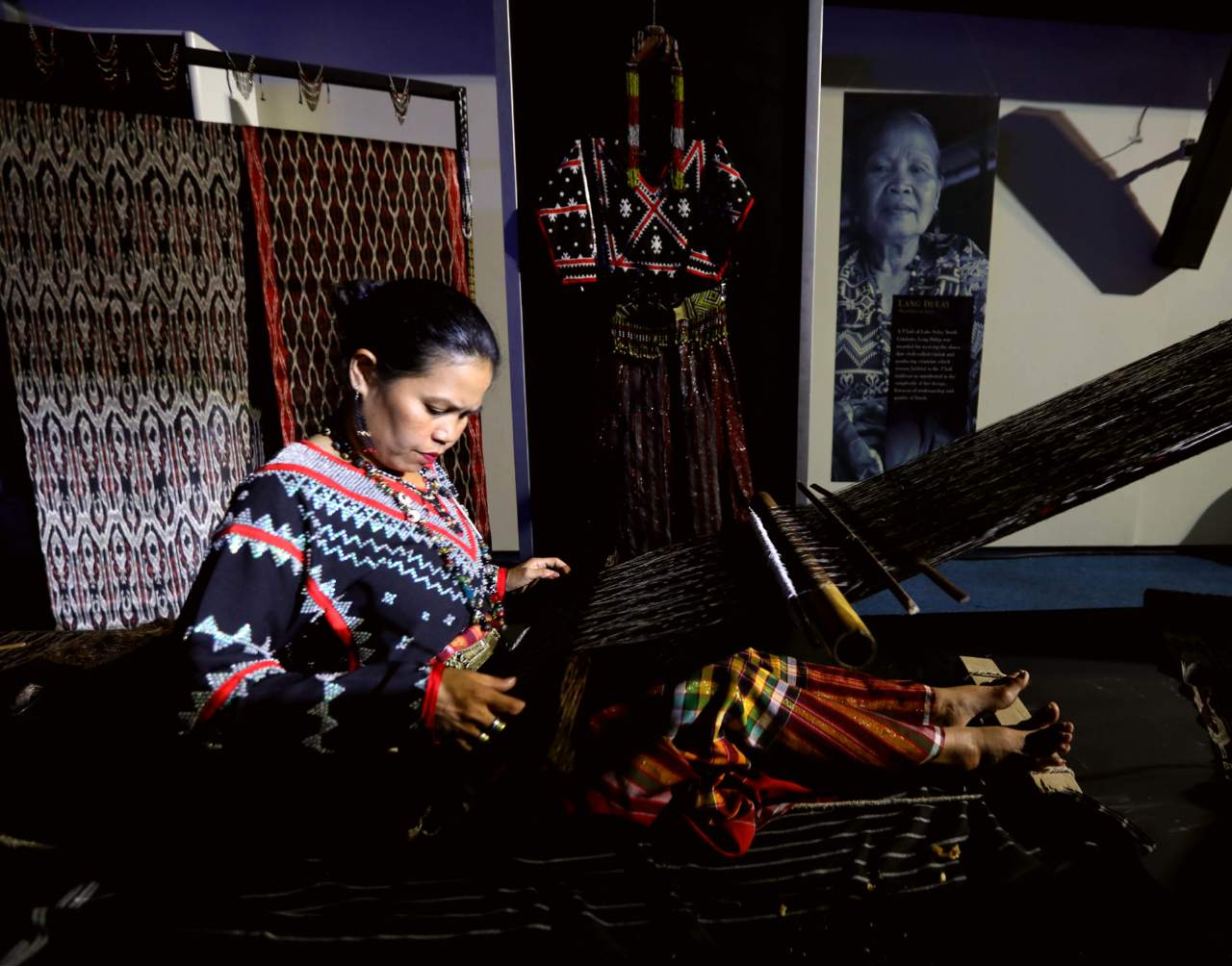
Local traditions - Iloilo City Rico H. Borja for the Philippine News Agency · Public domain

Local traditions

Dinagyang Festival: a vibrant celebration of culture and faith
Parade of Lights: a festive event showcasing local artistry
Iloilo's Ati-Atihan: a traditional festival honoring the indigenous people
Local family gatherings: strong emphasis on community and family ties

Do's and don'ts

Try the local delicacies at street vendors
Respect local customs and traditions
Engage with locals to learn more about the culture
Use public transport for an authentic experience
Don't rush your visit; take time to explore
Don't ignore local advice on safety
Don't miss out on trying the street food
Don't take photos in restricted areas without permission

Practical

At a glance

Founded
1581
Population
500.000

Things to know

Be cautious of pickpockets in crowded areas.
Public transport can be confusing for first-time visitors.
Some attractions may have limited opening hours.
The rainy season typically runs from June to November, so plan your visit outside these months for better weather.
As of 2023, traffic can be heavier during rush hours, especially in the downtown area.
history_eduHistoryexpand_more

Iloilo City has a rich history that dates back to the Spanish colonial period, when it became a significant trading hub in the Philippines. The city played a crucial role in the sugar industry during the 19th century, which contributed to its economic growth and cultural development.

Over the years, Iloilo has evolved while preserving its historical landmarks and traditions. The city was officially declared a city in 1937, and it continues to thrive as a center of commerce, education, and culture in the Visayas region.