search
search
add New trip
Zamboanga City

Zamboanga City

calendar_monthNov–Maybest time schedule5 daysplan for child_careYeswith kids
Zamboanga CityYour own route Plan a trip here →

Zamboanga City, known as the 'City of Flowers', offers a unique blend of cultures, with influences from Spanish, Muslim, and indigenous traditions. Visitors are greeted by vibrant street life, colorful markets, and a stunning coastal landscape that invites exploration.

Sightseeing

Fort Pilar: a historic military defense structure with a museum
Paseo del Mar: a scenic promenade perfect for sunset views
Zamboanga City Hall: an architectural gem reflecting colonial history
Bongao Peak: offers panoramic views of the surrounding islands
Taluksangay Mosque: a beautiful representation of local Islamic architecture
Cawa-Cawa Boulevard: a popular spot for evening strolls and local food
Zamboanga Heritage Museum: showcases the city's rich cultural history
Buluan Island: a tranquil escape with pristine beaches

"Experience the Heart of the South"Zamboanga City

Things to do

Explore the local markets for unique crafts, especially at the Zamboanga City Public Market.
Take a boat tour to Sta Cruz Island for its pink sand beach.
Visit the Fort Pilar Shrine to learn about the city's history.
Enjoy water sports at Pasonanca Park, where you can swim in natural pools.
Attend the Zamboanga Hermosa Festival for a deep dive into local culture.
Local food and drinks - Zamboanga City

Local food and drinks

Satti: a local grilled meat dish served with rice
Curacha: a crab delicacy unique to the region
Banga: a traditional coconut dish often served at celebrations
Churros: sweet pastries popular in local cafes
Seafood at the waterfront restaurants: fresh and flavorful
Local traditions - Zamboanga City

Local traditions

Fiesta Pilar: a grand celebration honoring the city's patroness
Zamboanga Hermosa Festival: showcases local culture and arts
Kakanin Festival: highlights traditional rice cakes and sweets
Bamboo Dance: a traditional dance performed during festivities

Do's and don'ts

Try the local cuisine at street vendors
Respect local customs and traditions
Engage with locals for a richer experience
Bargain politely in markets
Don't wander into unfamiliar areas at night
Don't take photos of people without permission
Don't assume everyone speaks English fluently
Don't rush through your visit, take your time
info_outlinePracticalexpand_more
Since: Founded in 1635
Population: 861.799

About Zamboanga City

The city is also a gateway to beautiful beaches and rich marine biodiversity, making it a haven for nature lovers. However, the bustling atmosphere can be overwhelming, and navigating the local transport system may require patience and a sense of adventure.

Things to know

Be cautious of your belongings in crowded areas.
Public transport can be limited and confusing, especially outside the city center.
Some areas may have safety concerns, so stay informed through local news and advisories.
Timing your visit around the Zamboanga Hermosa Festival in October can enhance your experience.
history_eduHistoryexpand_more
History - Zamboanga City

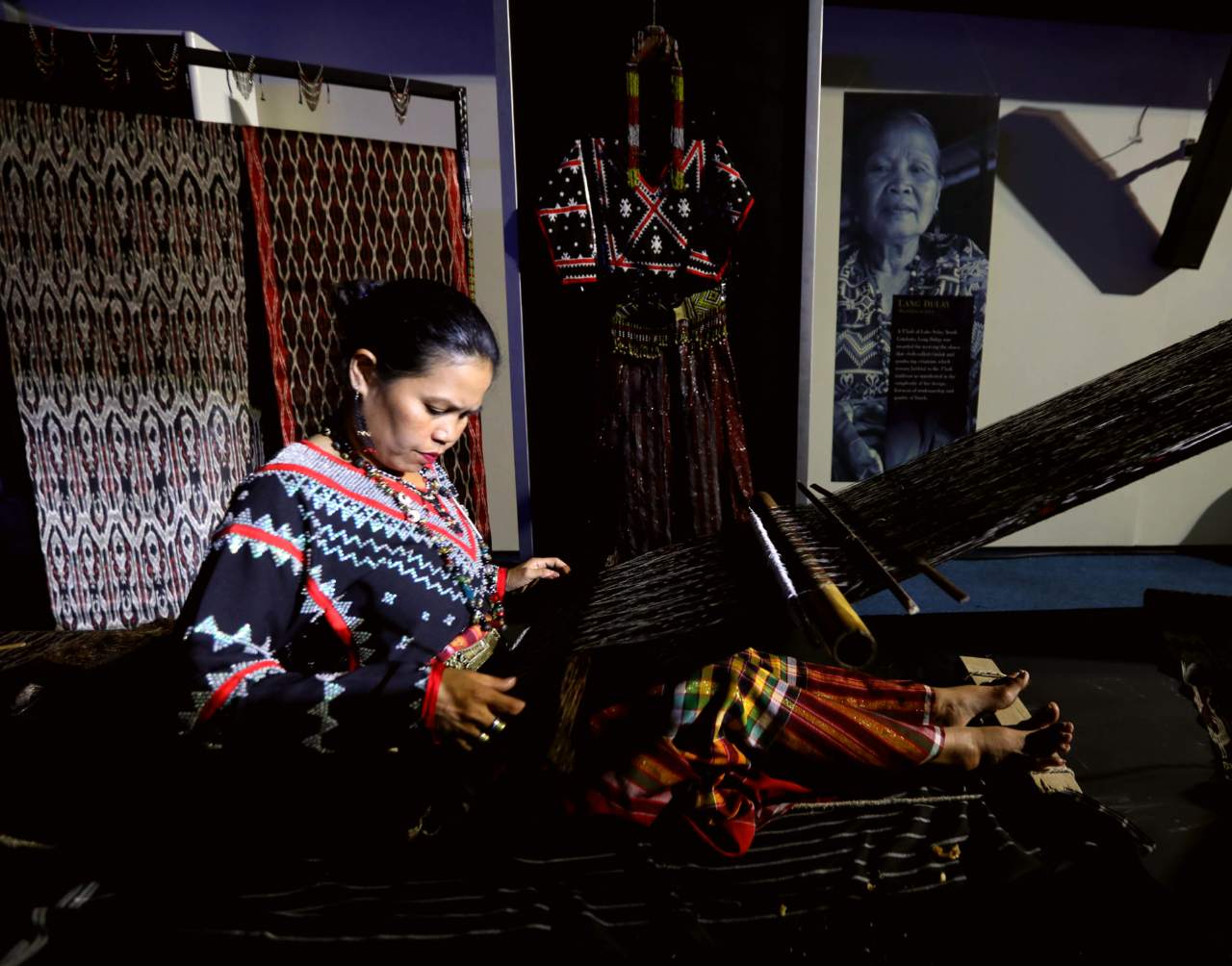
Zamboanga City has a rich history dating back to the Spanish colonial period, when it served as a military outpost. The city has been a melting pot of cultures, with influences from various ethnic groups, particularly the Tausug and Chavacano people.

In the 20th century, Zamboanga became a significant economic hub in the southern Philippines, known for its trade and agriculture. Today, it stands as a vibrant city that reflects its diverse heritage and resilience through various challenges.

Photo: Wikipedia / Wikimedia Commons