kiomigo
search
search
add Nuevo viaje
Polonnaruwa

Polonnaruwa

Población: 50.000 Desde: Founded around 1070 AD Precio: Mid-range
accessible Accesibilidad: Some areas are accessible, but many sites have uneven terrain.

Introducción

Polonnaruwa, a UNESCO World Heritage site, is a treasure trove of ancient ruins and serene landscapes. Visitors are often captivated by its rich history and the impressive remnants of a once-thriving kingdom, making it a must-visit for history enthusiasts and nature lovers alike.

The city offers a unique blend of archaeological wonders and vibrant local culture. As you wander through the ancient temples and palaces, you can also enjoy the lush greenery and tranquil lakes that surround the area, providing a peaceful escape from the hustle and bustle of modern life.

Sightseeing

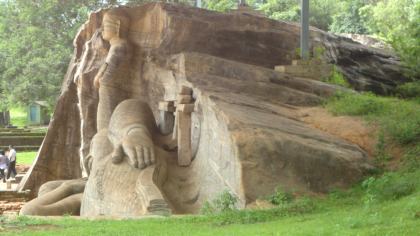
Gal Vihara: a stunning rock temple with impressive Buddha statues
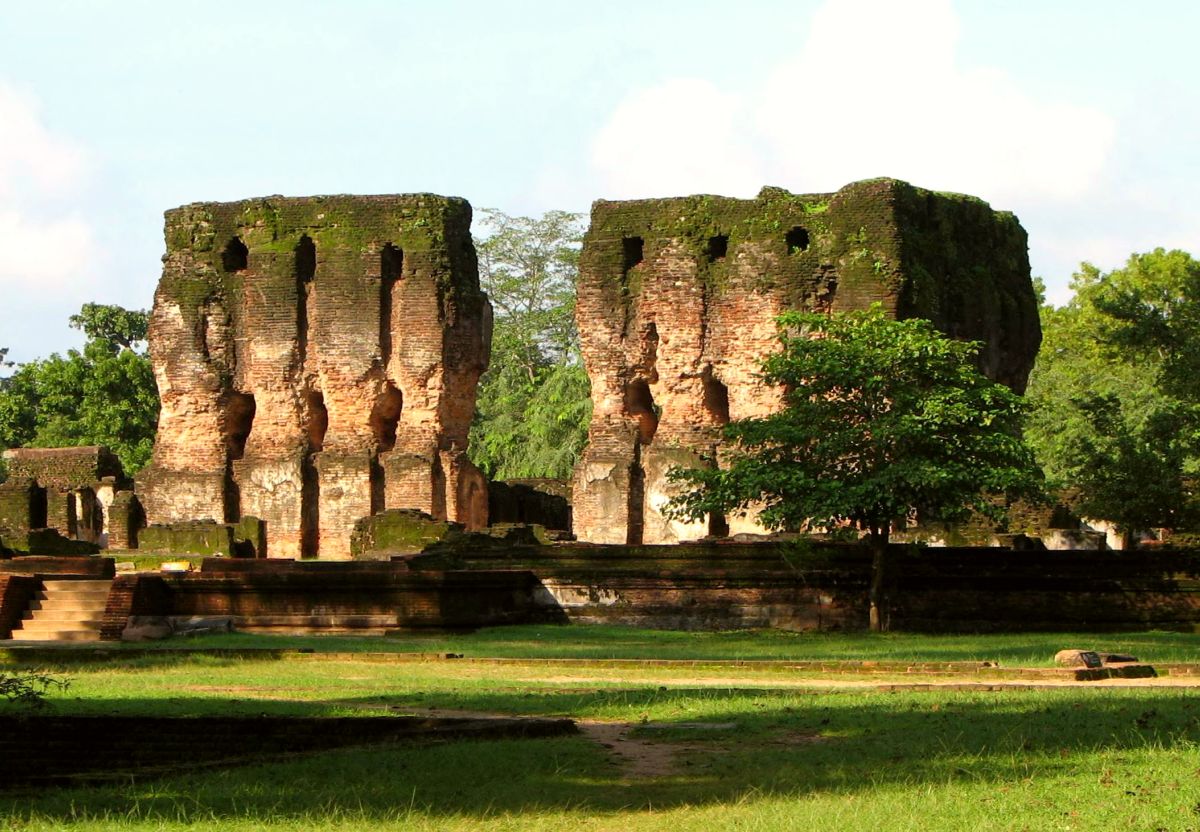
Royal Palace: remnants of the ancient king's residence
Lankatilaka Temple: an architectural marvel with intricate carvings
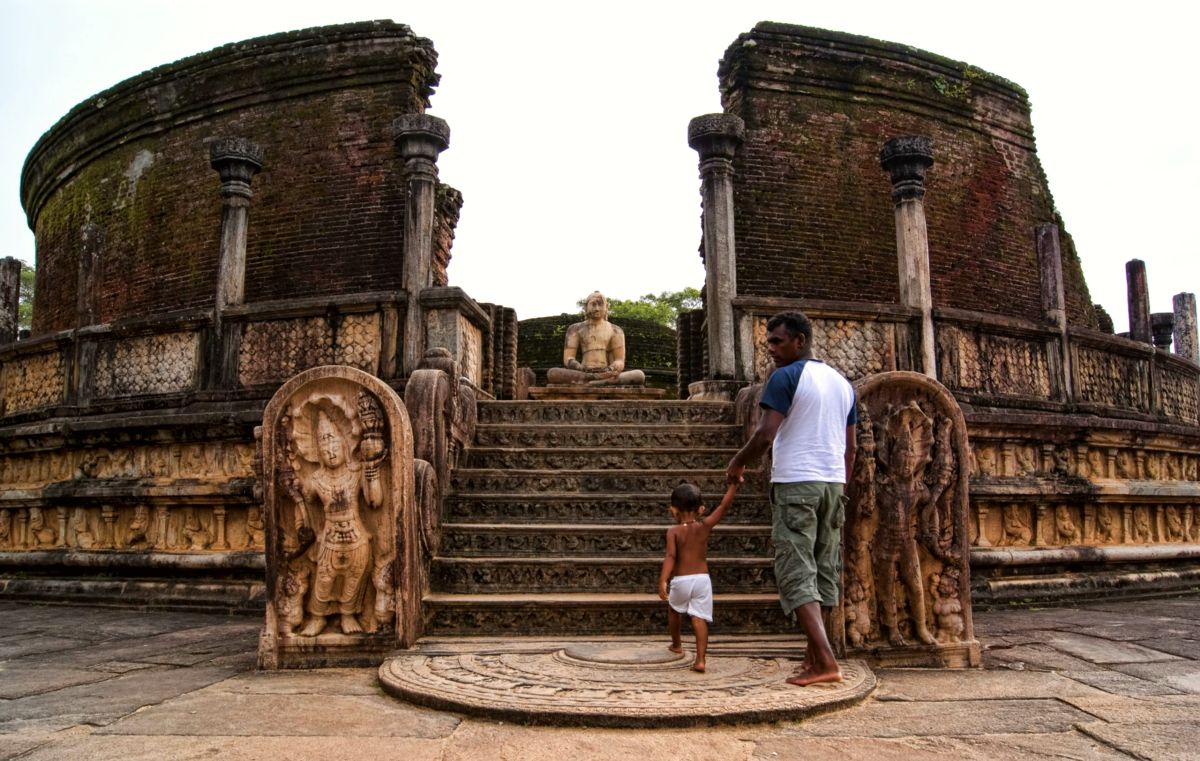
Vatadage: a circular relic house showcasing exquisite stonework
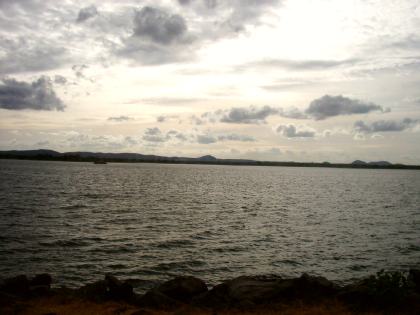
Parakrama Samudra: a vast reservoir reflecting the ingenuity of ancient engineering
Kiri Vehera: a significant stupa with historical importance
Siva Devalaya: a temple dedicated to the Hindu god Shiva
Nissanka Latha Mandapaya: a beautifully crafted pavilion with historical significance

"A Journey Through Ancient Splendor"Polonnaruwa

Things to do

Explore ancient ruins: immerse yourself in the history of the city
Cycle around the archaeological park: a great way to see the sights
Visit local markets: experience the vibrant culture and local produce
Take a boat ride on Parakrama Samudra: enjoy the serene views and wildlife
Attend a cultural show: witness traditional Sri Lankan dance and music

Comida y bebida local

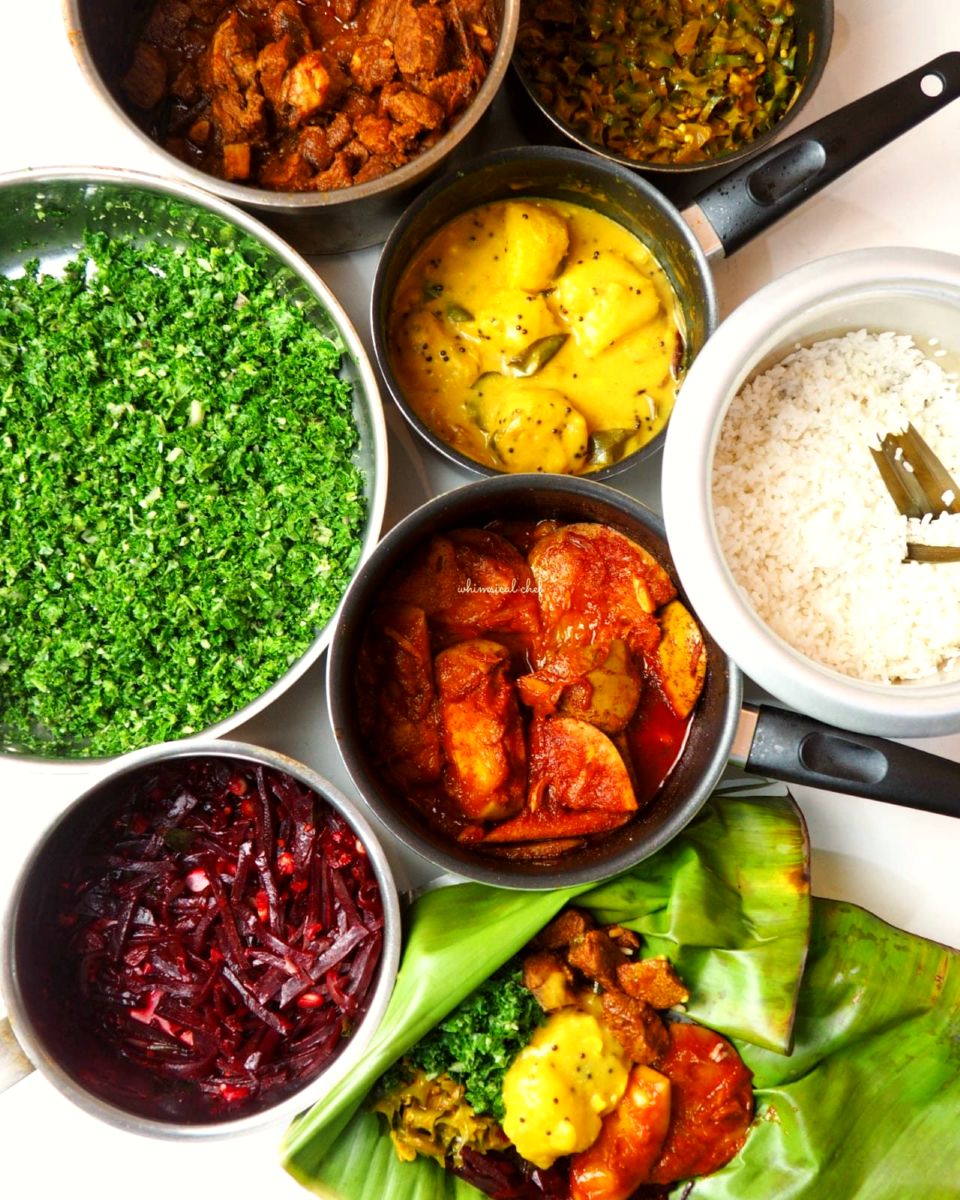
Hoppers: a popular local dish made from fermented rice flour
Kottu Roti: a stir-fried dish with chopped roti and vegetables
Pol Sambol: a spicy coconut relish that accompanies many meals
Curd and Treacle: a sweet dessert made from buffalo curd and palm treacle
Local tea: enjoy a refreshing cup of Sri Lankan tea at local cafes

Tradiciones locales

Poson Festival: celebrates the introduction of Buddhism to Sri Lanka
Vesak: commemorates the birth, enlightenment, and death of Buddha
Local crafts: traditional pottery and weaving are still practiced
Poya Days: full moon days are significant for Buddhist observances
Historia - Polonnaruwa

Historia

Polonnaruwa was the second capital of Sri Lanka, established in the 11th century after the fall of Anuradhapura. It flourished under the reign of King Parakramabahu I, who is credited with significant developments in agriculture, irrigation, and architecture, leaving behind a legacy of stunning monuments.

The city served as a political and cultural center for several centuries, showcasing the grandeur of ancient Sri Lankan civilization. However, by the 13th century, it began to decline due to invasions and shifting trade routes, leading to its eventual abandonment and rediscovery centuries later.

Cosas que saber

Be cautious of tourist traps near major attractions
Transport can be limited; consider renting a bicycle or tuk-tuk
Dress modestly when visiting temples to respect local customs
The heat can be intense; stay hydrated and wear sunscreen

Qué hacer y qué evitar

Visit early in the morning to avoid crowds
Respect local customs and traditions at religious sites
Try local street food for an authentic experience
Engage with local artisans to learn about their crafts
Don't litter; keep the city clean and beautiful
Don't take photos in restricted areas, especially in temples
Don't rush through the archaeological sites; take your time
Don't ignore local advice on safety and transport

Bueno saber

Accesibilidad: Some areas are accessible, but many sites have uneven terrain.
Price level: mid-range

Foto: Wikipedia / Wikimedia Commons