Manawatu-Wanganui
 Jan–Apr, Oct–Novbest time
7 daysplan for
Yeswith kids
Jan–Apr, Oct–Novbest time
7 daysplan for
Yeswith kids
Manawatu-Wanganui offers a mix of natural beauty and cultural experiences. The region features rolling hills, rivers, and the iconic Mount Ruapehu, making it ideal for outdoor enthusiasts and those seeking adventure.
Read more
Visitors can explore charming towns like Whanganui, known for its historic architecture and vibrant arts scene. The region also hosts various outdoor activities, from hiking to river rafting, providing a taste of New Zealand's diverse landscapes.
Sightseeing
Local food and drinks
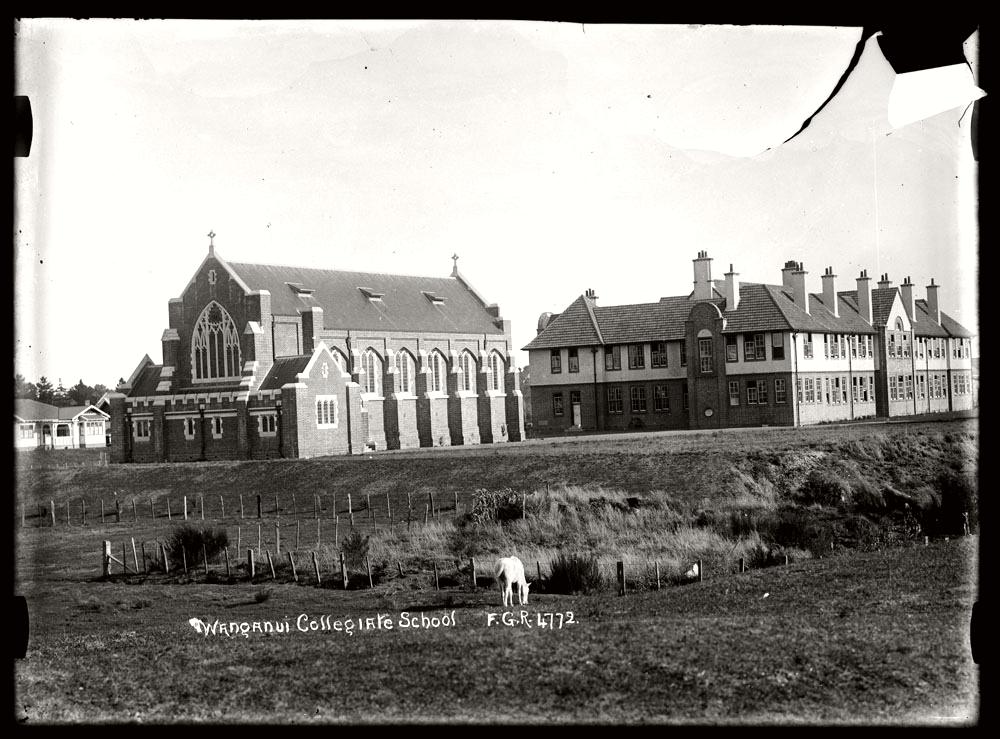 Frederick George Radcliffe · Public domain
Local traditions
Practical
At a glance
- Best time
- September to April
History
Manawatu-Wanganui has a rich history shaped by Māori and European settlers. The region was originally inhabited by Māori tribes, who relied on the rivers and fertile land for sustenance. European settlement began in the 19th century, leading to agricultural development and the establishment of towns.
The area played a significant role in New Zealand's military history, with training camps and battles occurring during both World Wars. Today, the region reflects a blend of its indigenous heritage and colonial past, evident in its architecture and cultural events.
Photo credits (1)
- Frederick George Radcliffe · Public domain · Wikimedia Commons