Whanganui
Whanganui is a city with a rich history and a strong connection to its river. The Whanganui River, recognized as a legal person, shapes the community's identity and offers unique experiences for visitors. The city's architecture reflects its colonial past, with many buildings dating back to the 19th century.
Read more
Visitors can enjoy a mix of cultural attractions and outdoor activities. The local art scene is vibrant, with galleries showcasing both historical and contemporary works. The annual Wanganui in Bloom event fills the streets with colorful flower displays, making a stroll through the city particularly pleasant during the summer months.
Highlights
Sightseeing
Things to do
Local food and drinks
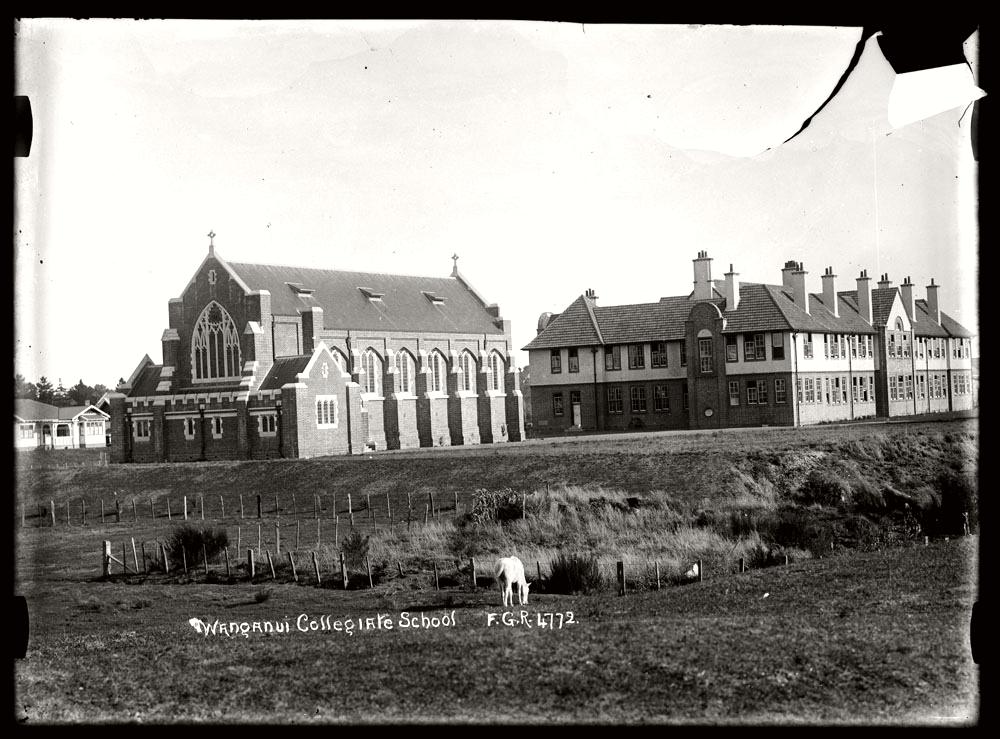 Frederick George Radcliffe · Public domain
Local traditions
Do's and don'ts
Practical
At a glance
- Founded
- 1840
- Population
- 40.000
- Accessibility
- Most areas are accessible, but some attractions have stairs.
- Price level
- Mid-range
Things to know
History
Whanganui was founded in 1840 and was initially named Petre until 1852. It is one of New Zealand's oldest European settlements, with a rich Maori heritage that predates European arrival. The city developed around the Whanganui River, which has been central to its economy and culture.
Over the years, Whanganui has evolved from a colonial outpost to a vibrant community. The river's legal recognition as a person reflects the deep cultural significance it holds for the local Maori people. Today, Whanganui blends its historical roots with modern life, attracting visitors interested in both history and nature.