search
search
add New trip
Papua New Guinea

Papua New Guinea

PG calendar_monthMay–Sepbest time schedule10 daysplan for flagPort Moresbycapital paymentsPapua New Guinean kinacurrency
Papua New GuineaYour own route Plan a trip here →

Papua New Guinea is a vibrant tapestry of cultures and landscapes, offering travelers a unique experience. With over 800 languages spoken and diverse indigenous communities, the country is rich in traditions and customs, making it a fascinating destination for cultural exploration.

In pictures

Hiri Moale Festival
Hiri Moale Festival
Papua New Guinea
Papua New Guinea
Aerial photo of Port Moresby, Papua New Guinea, 1921
The long-closed Burns Philp department store, in the mid-1990s having been used as a private school building
Front side of the parliament building
Walter Bay from hills immediately east of downtown Port Moresby
Papua New Guinea

Sightseeing

Port Moresby: the bustling capital with cultural museums
Kokoda Track: famous trekking route with historical significance
Tufi: stunning fjords and diving spots
Rabaul: volcanic landscapes and World War II history
Mount Hagen: vibrant markets and cultural festivals
Sepik River: traditional villages and unique art
Milne Bay: beautiful islands and snorkeling
Buka Island: serene beaches and local culture

"Discover the land of a thousand cultures"Papua New Guinea

Things to do

Trek the Kokoda Track: a challenging but rewarding hike
Explore local markets: experience vibrant culture and crafts
Dive in Tufi: discover stunning underwater ecosystems
Visit traditional villages: learn about indigenous lifestyles
Attend a sing-sing: witness colorful cultural performances
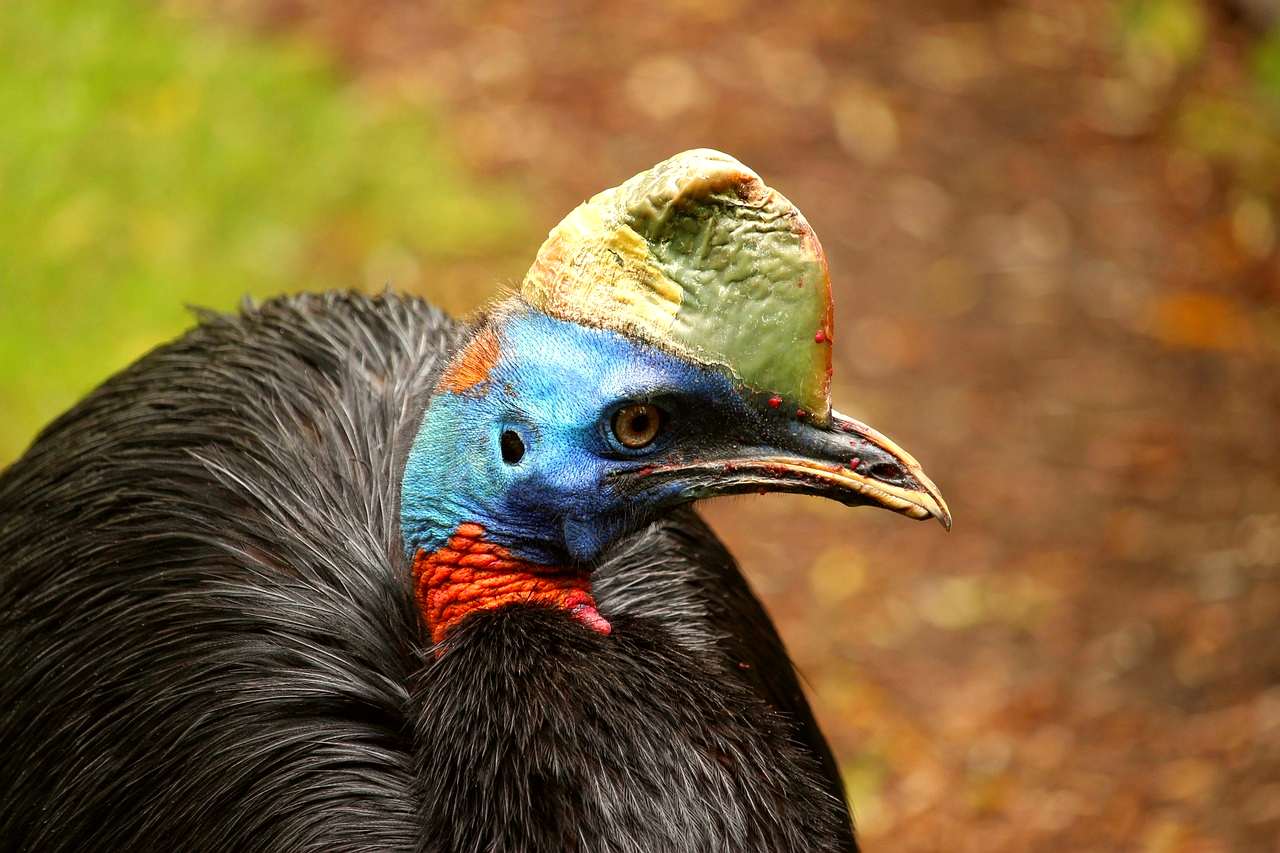
Go birdwatching: spot unique species in rainforests
Take a boat tour: explore remote islands and waterways
Experience local festivals: immerse in community celebrations
Local food and drinks - Papua New Guinea

Local food and drinks

Mumu: traditional feast cooked in an underground oven, often enjoyed during celebrations
Kaukau: local sweet potato, commonly served with meals
Sago: starch from the sago palm, used in various dishes
Kopi Luwak: unique coffee made from civet droppings, best enjoyed in cafes
Kokoda: fresh fish salad with lime and coconut, popular in coastal areas
Buka beer: local brew, perfect for relaxing after a day of exploration
Local traditions - Papua New Guinea

Local traditions

Sing-sing: vibrant cultural performances showcasing dance and music
Hiri Moale Festival: annual celebration of maritime culture
Customary land ownership: deeply rooted in local customs
Tattooing: traditional body art with cultural significance
Bamboo dancing: communal dance reflecting unity and celebration

Do's and don'ts

Engage with locals: show interest in their culture
Ask permission before taking photos: respect privacy
Participate in local customs: embrace the experience
Learn a few words of Tok Pisin: it shows respect
Support local artisans: buy handmade crafts
Don't assume English is widely spoken: learn basic phrases
Don't touch sacred objects: respect cultural beliefs
Don't bargain aggressively: be polite in negotiations
Don't wander alone in remote areas: prioritize safety
Don't ignore local advice: heed warnings about customs
Experience the vibrant Hiri Moale Festival

Experience the vibrant Hiri Moale Festival

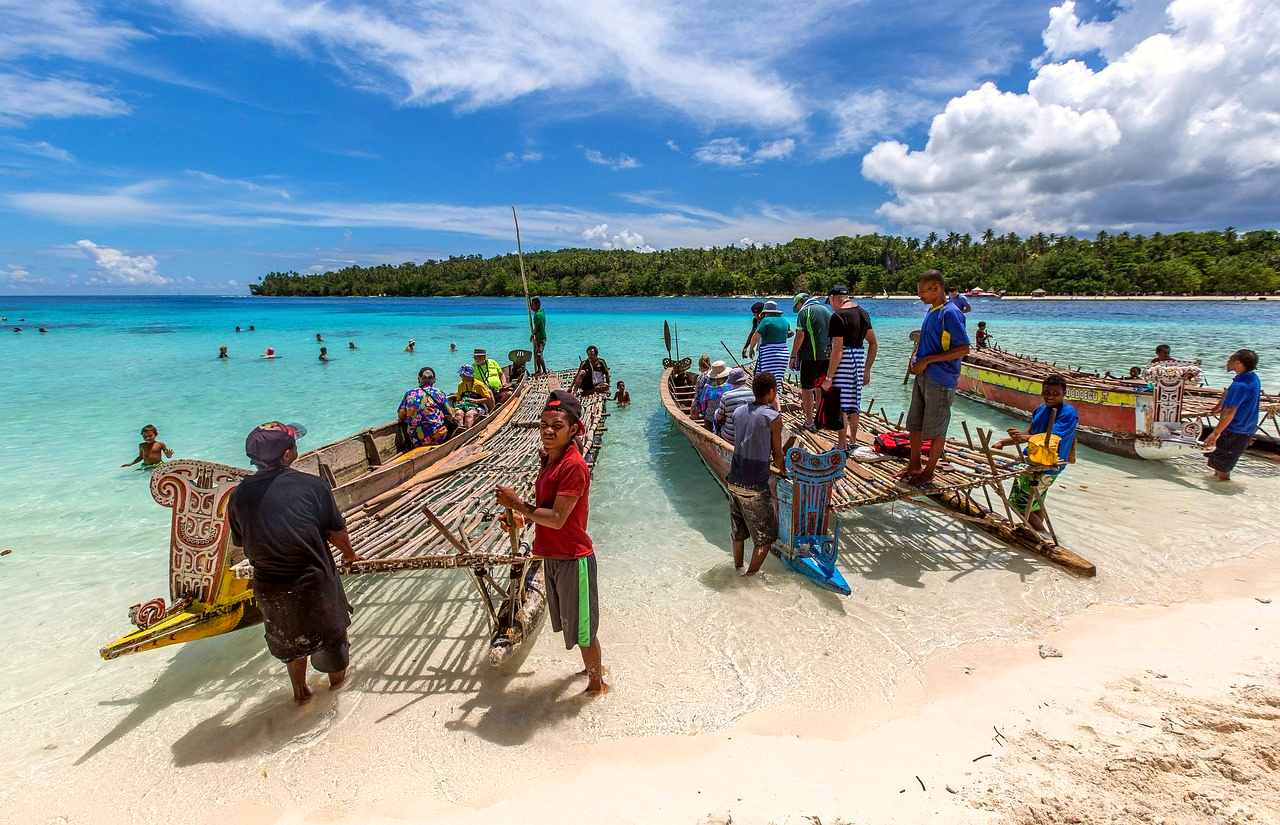
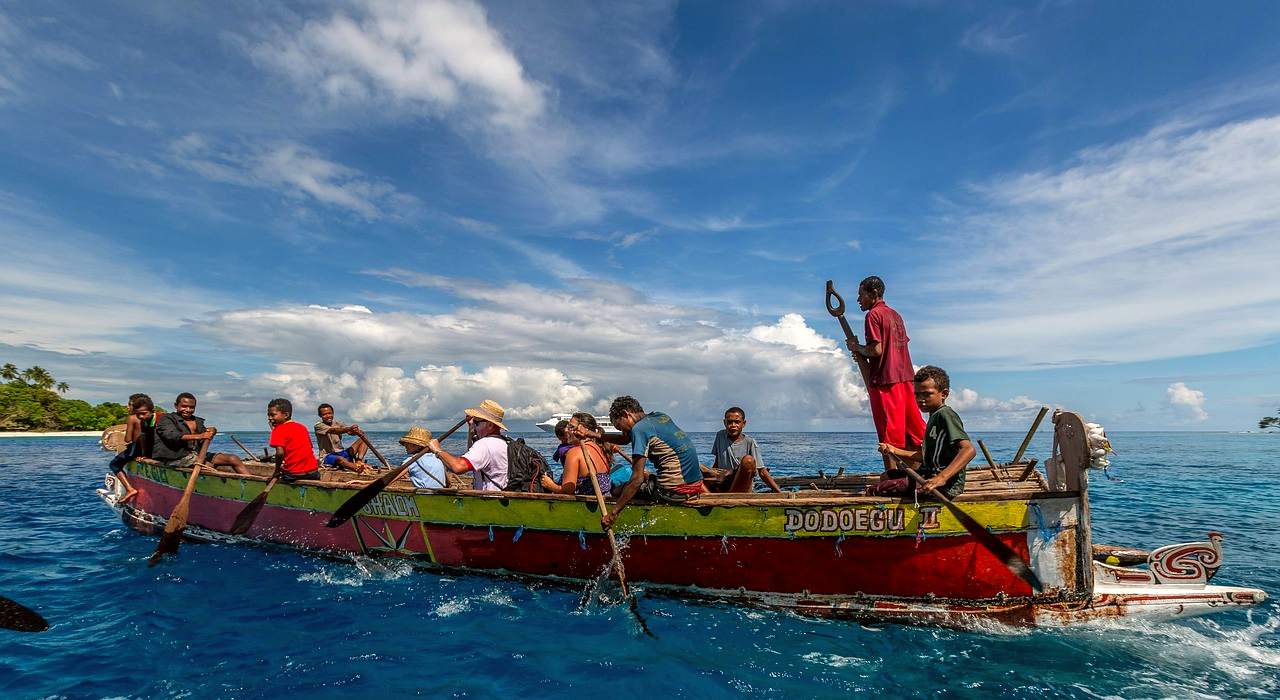
The Hiri Moale Festival is a colorful celebration of the Motu-Koita culture, held annually in Port Moresby. This lively event showcases traditional dances, music, and the iconic Hiri canoes, which are beautifully decorated. Travelers can immerse themselves in the rich cultural heritage of Papua New Guinea, witnessing the pride of local communities as they share their customs and stories. However, be prepared for large crowds and limited accommodation options during the festival, so plan ahead to secure your stay.

Gateway to Papua New Guinea's adventures

Gateway to Papua New Guinea's adventures

Port Moresby International Airport serves as the main entry point for travelers venturing into Papua New Guinea. While the airport has improved over the years, it can still feel chaotic, with long lines and limited amenities. Once you navigate through, you will find yourself on the brink of exploring a land rich in culture and natural beauty. Keep in mind that flights can be delayed, and it is wise to have a flexible itinerary as you embark on your journey through this diverse country.

Breathtaking views of Walter Bay

Breathtaking views of Walter Bay

The stunning vistas from the hills overlooking Walter Bay are a must-see for any traveler. The lush greenery and crystal-clear waters create a picturesque backdrop for relaxation and adventure. Hiking in this area offers a chance to connect with nature, but be aware that trails can be steep and challenging. It is advisable to wear sturdy footwear and carry plenty of water. The beauty of Walter Bay is undeniable, but it is essential to respect the environment and local customs while enjoying this serene landscape.

info_outlinePracticalexpand_more
Population: 9.000.000
Best time: May to October

About Papua New Guinea

The stunning natural beauty ranges from lush rainforests to pristine beaches, providing ample opportunities for adventure. However, infrastructure can be challenging, and travelers should be prepared for varying levels of comfort and accessibility in remote areas.

Basic information

Capital: Port Moresby
Language: Tok Pisin, Hiri Motu, English
Currency: Papua New Guinean kina
Best time to visit: May to October

Travel information

International flights arrive at Port Moresby, with limited connections Domestic flights are essential for reaching remote areas Road conditions vary; 4WD vehicles are recommended for rural travel Cash is preferred; ATMs are limited outside major cities Mobile connectivity is improving, but coverage can be spotty

Things to know

Be cautious of petty crime in urban areas, especially at night
Respect local customs and dress modestly in villages
Travel insurance is essential due to limited medical facilities
Expect delays and changes in transportation schedules
Check for local advisories regarding safety and health
history_eduHistoryexpand_more
History - Papua New Guinea

Papua New Guinea's history is marked by its rich indigenous cultures, with evidence of human habitation dating back over 40,000 years. European contact began in the 16th century, leading to colonization by various powers, including Germany and Britain, which significantly impacted local societies.

In 1975, Papua New Guinea gained independence from Australia, but challenges remain, including political instability and economic development. The country continues to navigate its diverse cultural heritage while striving for progress in a globalized world.

Photo: Wikipedia / Wikimedia Commons