Rabaul
Rabaul is a unique blend of natural beauty and rich history, nestled in a stunning bay surrounded by volcanoes. Visitors are often captivated by its vibrant local culture and the remnants of its colonial past, making it a fascinating stop in Papua New Guinea.
Read more
The atmosphere is laid-back, with friendly locals and a slower pace of life. However, the remnants of volcanic activity and World War II history add a layer of intrigue, inviting exploration and reflection.
Highlights
Japanese War Tunnels
Historical site from WWII
Kokopo Market
Vibrant local market experience
Mount Tavurvur
An active volcano with hiking trails
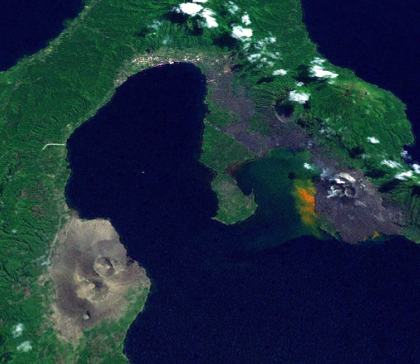 Wikimedia Commons · Public domain
Rabaul Volcano
A stunning hiking destination with views
Rabaul Volcano Observatory
Learn about volcanic activity in the region
Tavurvur Volcano
Witness an active volcano up close
Sightseeing
Things to do
Local food and drinks
Local traditions
Do's and don'ts
Practical
At a glance
- Founded
- the late 19th century
- Population
- 20.000
Things to know
History
Rabaul was established in the late 19th century as a German colonial settlement, quickly becoming a key port and administrative center. Its strategic location made it a focal point during World War II, leading to significant military activity and eventual destruction from volcanic eruptions.
The town was largely rebuilt after the war, but the 1994 eruptions of Tavurvur and Vulcan reshaped the landscape and left a lasting impact on the community. Today, Rabaul stands as a testament to resilience, with remnants of its past visible throughout the area.