
search
search
add New trip
Savai'i

Savai'i

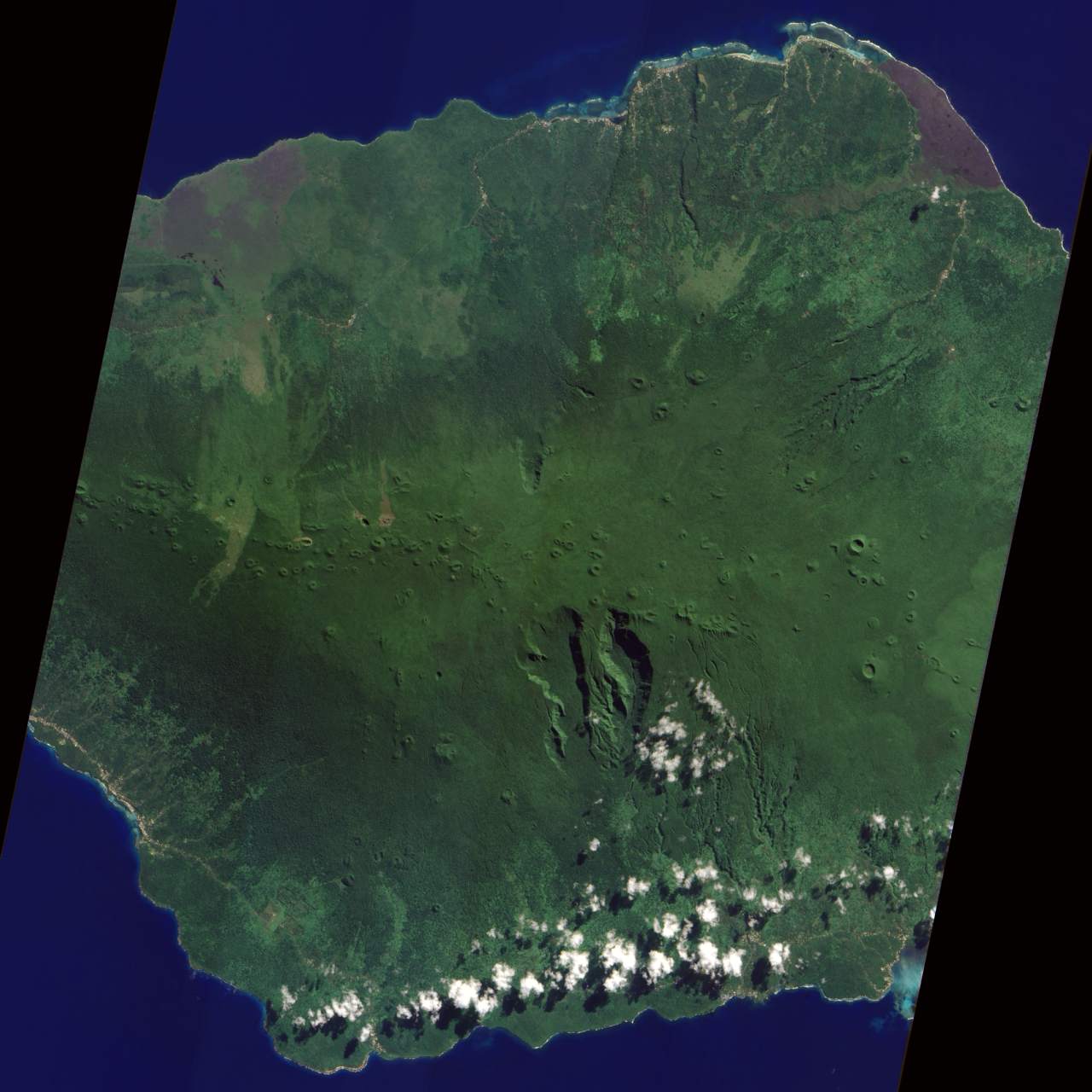
NASA Earth Observatory · Public domain
calendar_monthMay–Sepbest time schedule7 daysplan for child_careYeswith kids confirmation_numberMid-rangeprice
Savai'iYour own route Plan a trip here →

Savai'i, the largest island in Samoa, offers a blend of stunning natural beauty and rich cultural experiences. Visitors are greeted by lush landscapes, pristine beaches, and a laid-back atmosphere that invites relaxation and exploration.

Read more

The island is less commercialized than its counterpart, Upolu, providing a more authentic glimpse into Samoan life. Expect friendly locals, traditional villages, and a slower pace that allows for deeper connections with the environment and culture.

In pictures

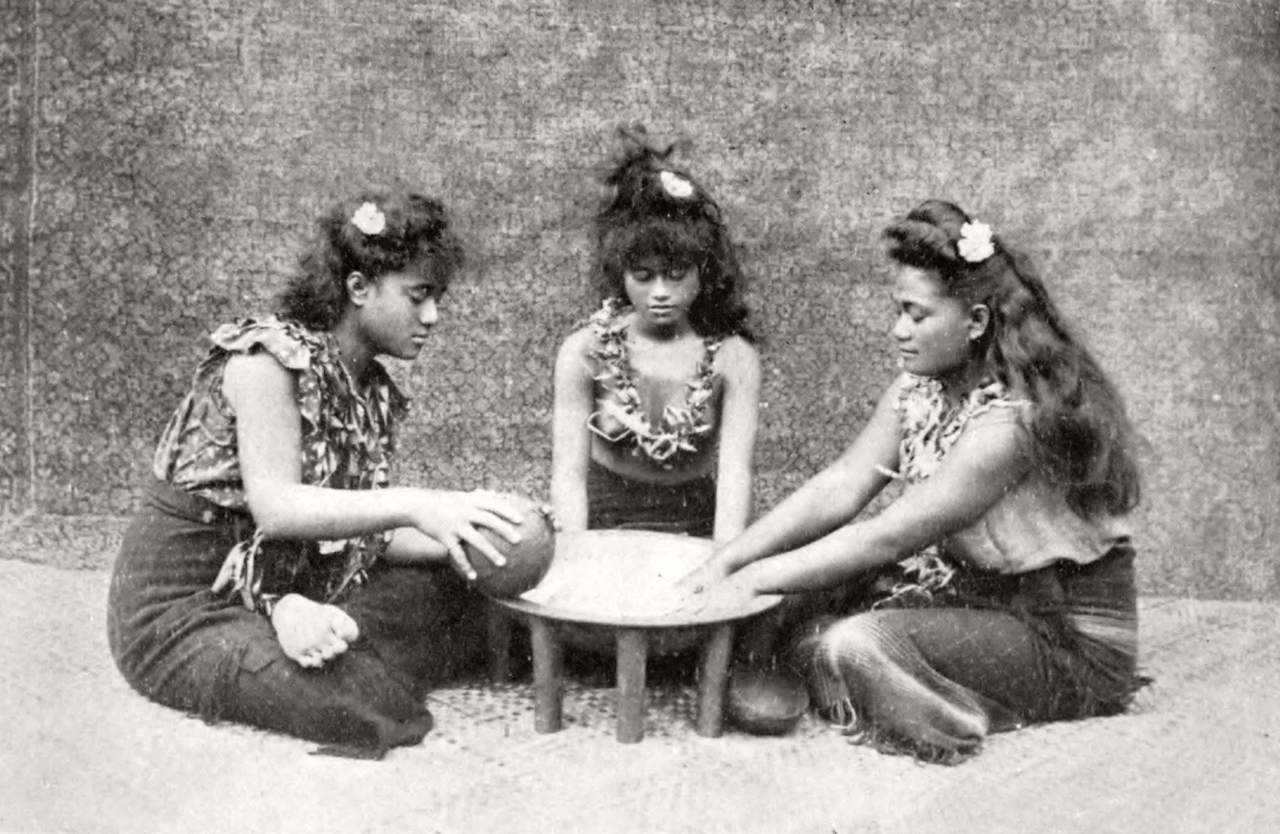
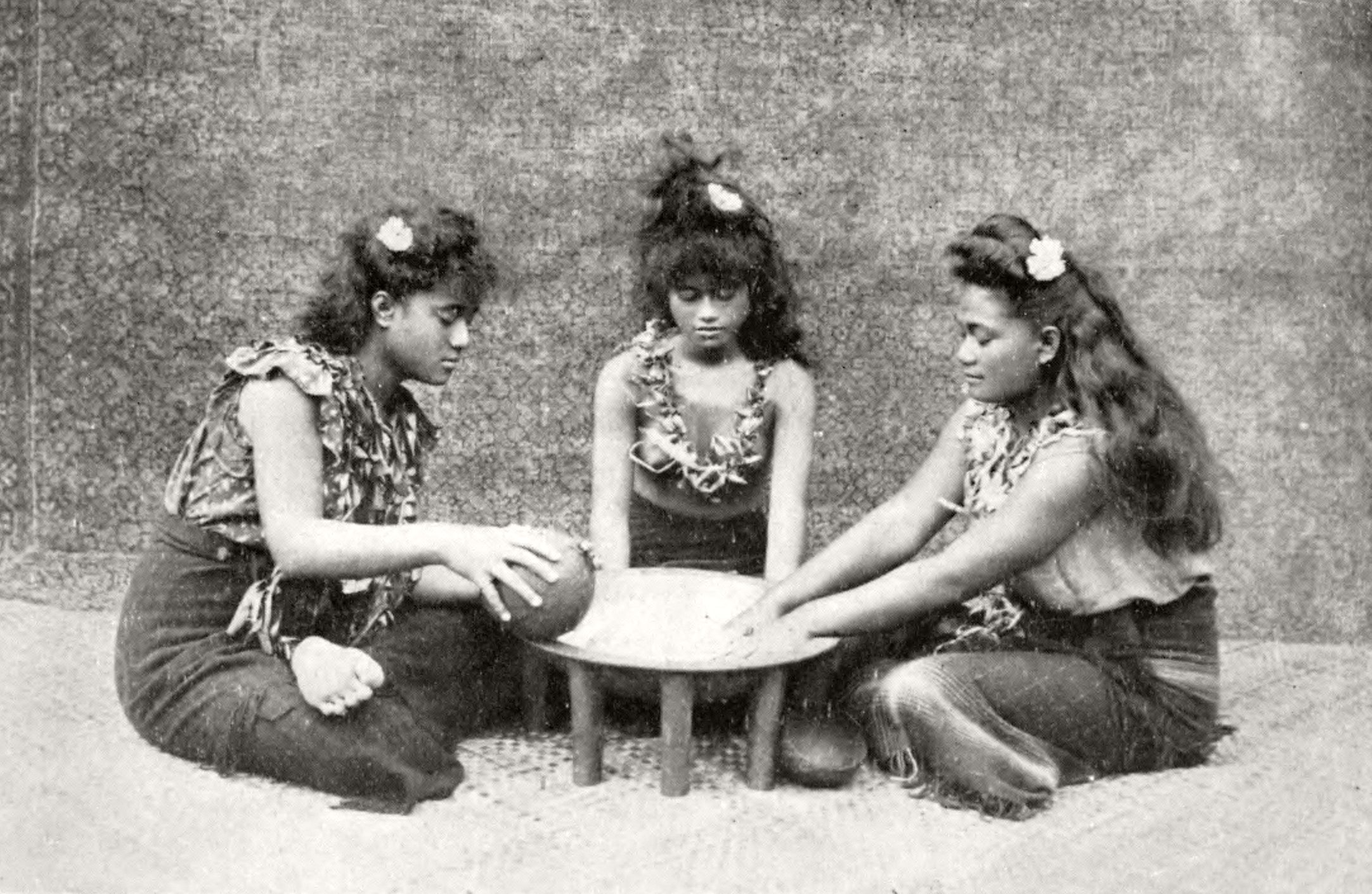
Studio photo depicting the Samoa ʻava ceremony, 1911 Bartlett Tripp (1842-1911)Publisher: Cedar Rapids IA : Torc… · Public domain
Studio photo depicting the Samoa ʻava ceremony, 1911
Two men fishing from canoe, 1914 Thomas Andrew (1855-1939) · Public domain
Two men fishing from canoe, 1914
Charles Wilkes Wikimedia Commons · Public domain
Charles Wilkes

Sightseeing

Lalomanu Beach: famous for its white sands and clear waters
Afu Aau Waterfall: a picturesque waterfall perfect for swimming
Saleaula Lava Fields: remnants of a volcanic eruption with fascinating history
To Sua Ocean Trench: a stunning natural swimming hole surrounded by lush gardens
Falealupo Rainforest: a beautiful area for hiking and birdwatching
Savai'i Island Cultural Village: experience traditional Samoan life and crafts
Malaela Beach: a quieter beach ideal for relaxation and snorkeling
Mount Silisili: the highest peak in Samoa, offering hiking opportunities

"Experience the Heart of Samoa"Savai'i

Things to do

Snorkel in the clear waters of Lalomanu, where you can see clownfish and vibrant coral.
Explore the lava fields at Saleaula and learn about their history, including the church buried in ash from the 1905 eruption.
Hike through the lush rainforest of Falealupo, where you might spot the rare Samoan starling.
Visit local markets in Apia for handmade crafts and fresh produce, especially on Saturdays.
Attend a traditional fiafia night for local music and dance, often held at community centers or resorts, with performances featuring the siva dance.

Local food and drinks

Oka: a traditional raw fish dish marinated in coconut cream
Palusami: taro leaves cooked with coconut cream
Sapasui: Samoan-style chop suey, a local favorite
Fa'ausi: a sweet banana dish cooked in coconut milk
Try local kava for a traditional beverage experience

Local traditions

Teuila Festival: a vibrant celebration of Samoan culture held annually
Samoan Sunday: a day of rest and family gatherings, with many businesses closed
Traditional tattooing: a significant cultural practice with deep meanings
Aiga: the importance of family and community in daily life

Do's and don'ts

Engage with locals to learn about their culture
Try traditional foods at local eateries
Respect sacred sites and dress appropriately
Take your time to explore the island's natural beauty
Don't take photos in sacred areas without permission
Don't rush your visit; embrace the slow pace
Don't assume all beaches are safe for swimming
Don't forget to bring cash, as cards may not be accepted
Experience the art of making ava Bartlett Tripp (1842-1911)Publisher: Cedar Rapids IA : Torc… · Public domain

Experience the art of making ava

Ava, a traditional Samoan drink, is made from the root of the kava plant. In Savai'i, you can witness the process firsthand in local villages. The preparation involves grinding the root and mixing it with water, creating a drink that is central to Samoan culture. Participating in an ava ceremony is a chance to connect with locals and understand their customs. Expect warm hospitality as you share stories and sip this ceremonial beverage. Just remember, the taste might be an acquired one, but the experience is genuine.
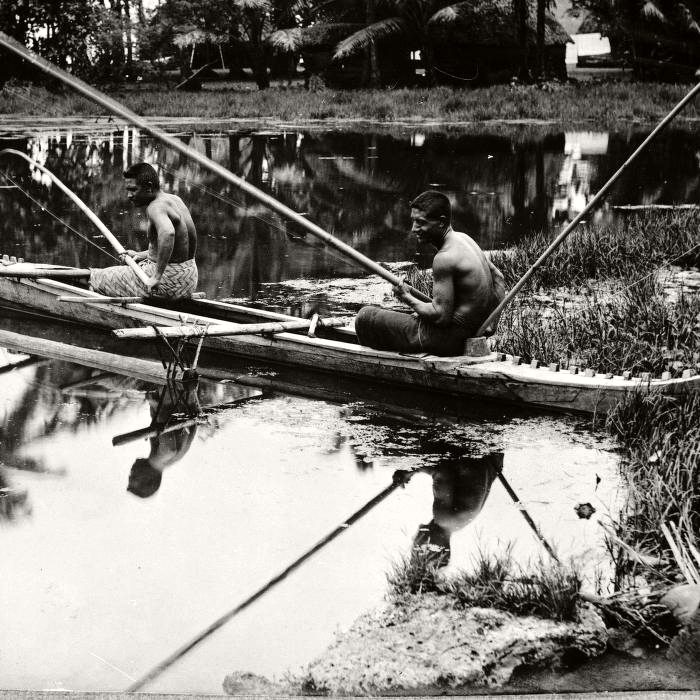
Fishing traditions on the water Thomas Andrew (1855-1939) · Public domain

Fishing traditions on the water

Fishing is a way of life in Savai'i, and you can see this tradition in action along the coast. Local fishermen often use canoes to catch fish, a practice that has been passed down through generations. You might join them early in the morning, casting nets or lines into the clear waters. The catch of the day often includes snapper or tuna, which are enjoyed fresh. If you are interested in fishing, ask about local regulations and sustainable practices to ensure a respectful experience.

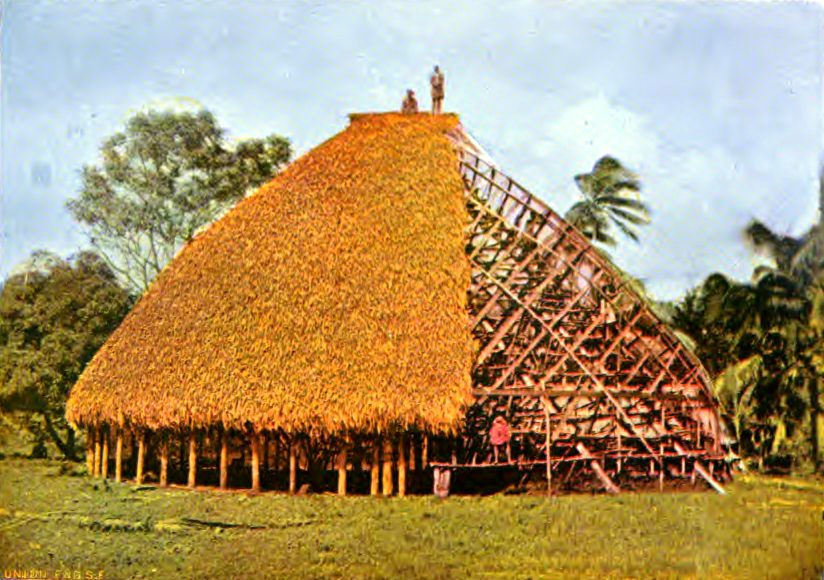
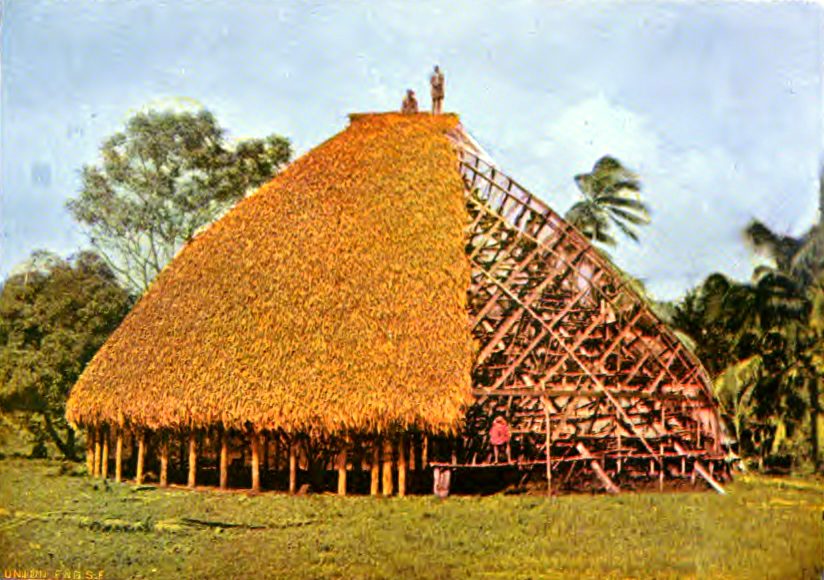
Stay in a traditional fale

Staying in a fale, a traditional Samoan house, offers a unique glimpse into local life. These open-sided structures are designed for airflow and community living. In Lelepa village, you can find accommodations that allow you to experience the island's culture up close. Enjoy the sound of the ocean as you sleep and wake up to the scent of tropical flowers. Some fales come with meals included, featuring local dishes like palusami, which is made from taro leaves and coconut cream. Just be prepared for a more rustic experience, as amenities may be limited.

Practical

At a glance

Founded
1000 BC
Population
40.000
Accessibility
Some areas are accessible, but many have uneven terrain.
Island
yes
Price level
Mid-range

Things to know

Public transport can be infrequent, so plan ahead.
Some areas may have limited access to amenities.
Be cautious of strong currents when swimming, especially at popular beaches like Salelologa and Lalomanu.
Respect local customs, particularly in villages, and dress modestly when visiting.
As of 2023, some roads may be under repair, so check local conditions before traveling.
history_eduHistoryexpand_more

Savai'i has a rich history that dates back centuries, with evidence of human settlement as early as 1000 BC. The island played a crucial role in the development of Samoan culture, with its villages preserving ancient traditions and customs.

In the 19th century, Savai'i became a focal point during the missionary period, leading to significant changes in the local way of life. Today, remnants of this history can be seen in the architecture and cultural practices that continue to thrive.

Photo: NASA Earth Observatory · Public domain · Wikimedia Commons

Photo credits (5)