
Upolu is a volcanic island, characterized…
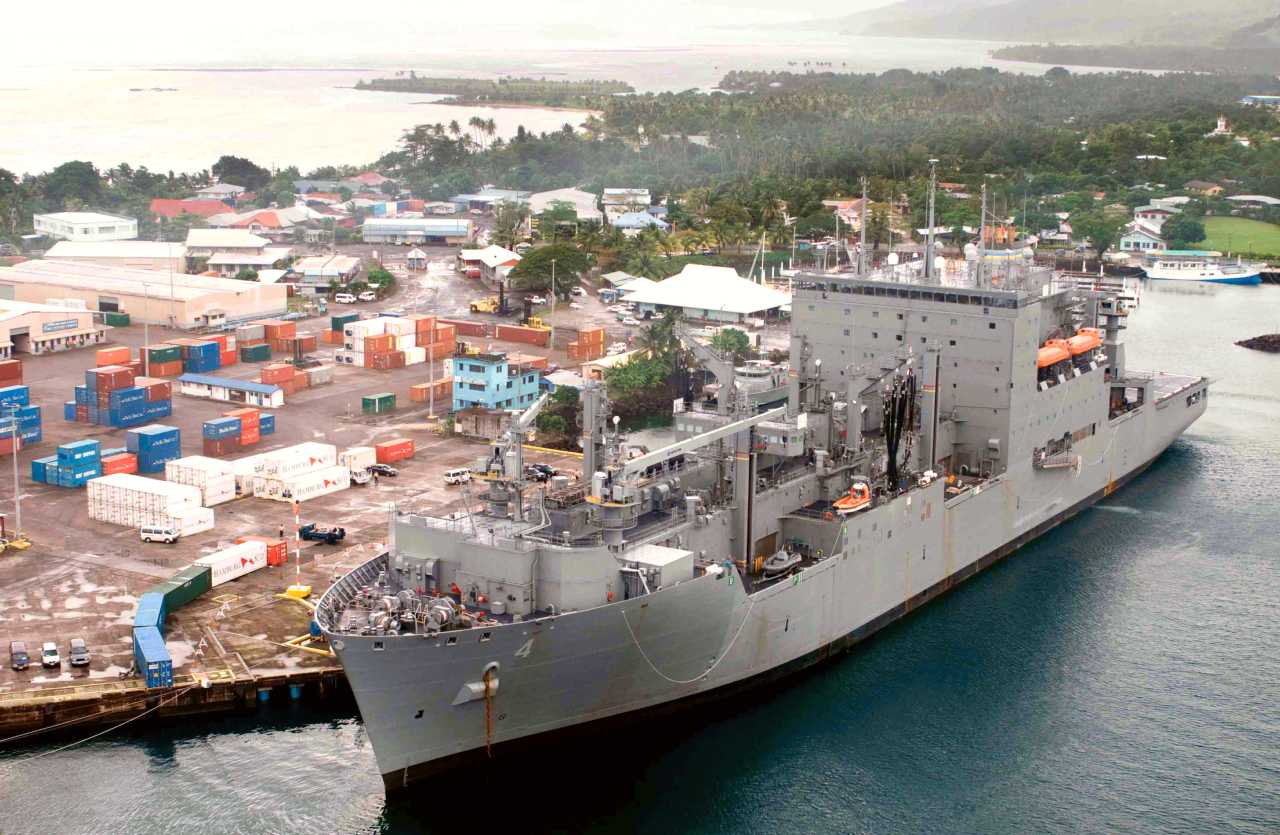
Upolu is a volcanic island, characterized by its lush tropical vegetation and stunning landscapes. The island is 75 kilometers long and features a variety of natural attractions, including beautiful beaches, waterfalls, and coral reefs. The inland areas are hilly, providing opportunities for hiking and exploring the diverse ecosystems. The island's capital, Apia, is located on the north coast and serves as a hub for visitors, offering a mix of modern amenities and traditional culture.
The island's cultural heritage is deeply…
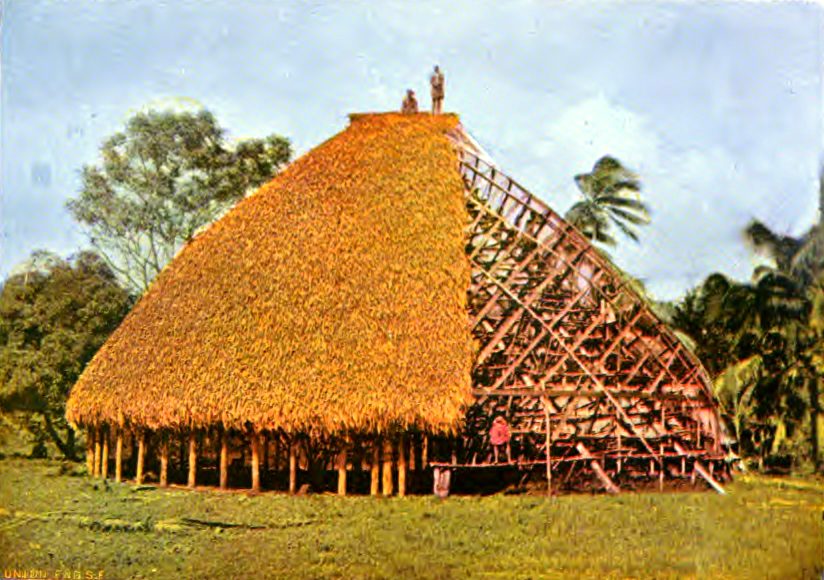
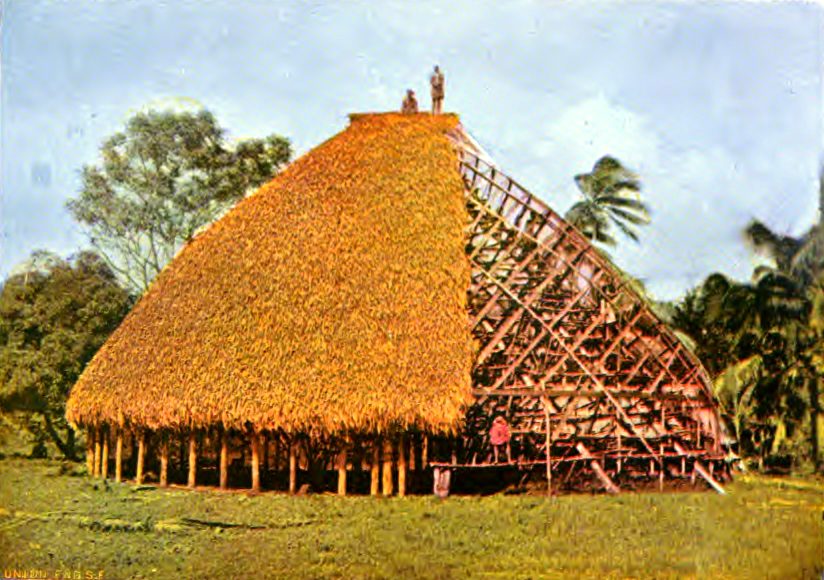
The island's cultural heritage is deeply rooted in the traditions of the Samoan people. Visitors can experience the warmth of Samoan hospitality through community interactions and cultural events. The annual Teuila Festival is a highlight, showcasing traditional music, dance, and crafts. Engaging with locals and participating in cultural practices, such as the umu feast, allows travelers to gain a deeper understanding of the Samoan way of life.
Upolu's natural beauty is complemented by…
Upolu's natural beauty is complemented by its rich marine life, making it a prime destination for snorkeling and diving. The waters surrounding the island are home to around 900 fish species and 200 types of coral. Popular snorkeling spots include Lalomanu Beach and To Sua Ocean Trench, where visitors can explore vibrant underwater ecosystems. Additionally, the island's beaches are perfect for relaxation, with many offering stunning views and opportunities for water sports.