search
search
add New trip
Albania

Albania

AL calendar_monthMay–Jun, Sep–Octbest time schedule10 daysplan for child_careYeswith kids confirmation_numberBudgetprice flagTiranacapital paymentsAlbanian Lekcurrency translateAlbanianlanguage
AlbaniaYour own route Plan a trip here →

Albania is a hidden gem in Europe, offering stunning landscapes, rich history, and warm hospitality. From the rugged Albanian Alps to the pristine beaches of the Ionian Sea, the country boasts diverse natural beauty and a unique cultural heritage.

In pictures

Scenic autumn view of Valbonë Valley National Park
Landscape within the Theth National Park
Typical architecture in Theth
Lake Koman is often compared to the Scandinavian fjords.
Shengjin Waterfront. UNUM International Electronic Music Festival is organized every summer at Rana e Hedhun coastal sand dune.
View over the city of Tirana with Mt Dajti in the distance
Golem beach, south of Durrës, is a popular summer retreat.
City center of medieval town of Krujë

Sightseeing

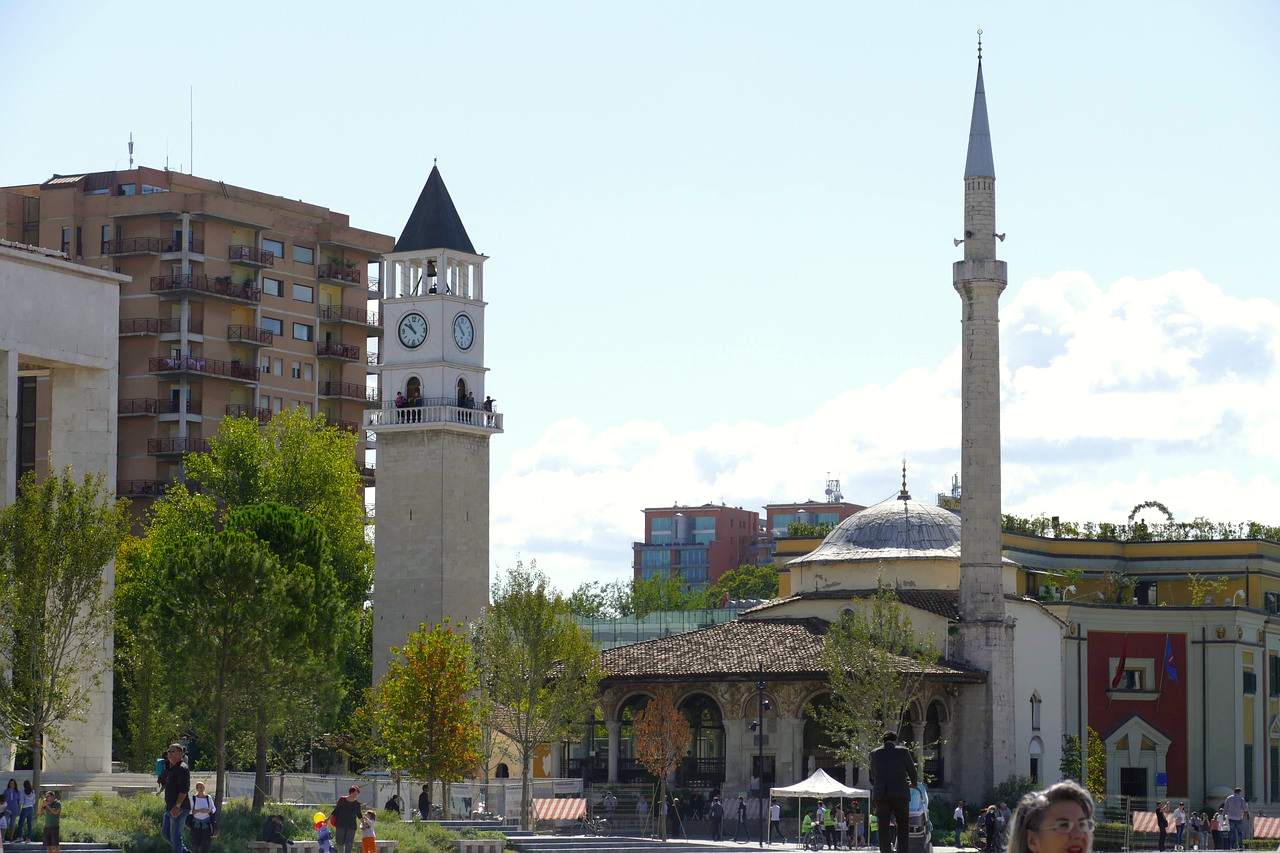
Tirana: the lively capital with colorful architecture
Berat: known as the 'town of a thousand windows'
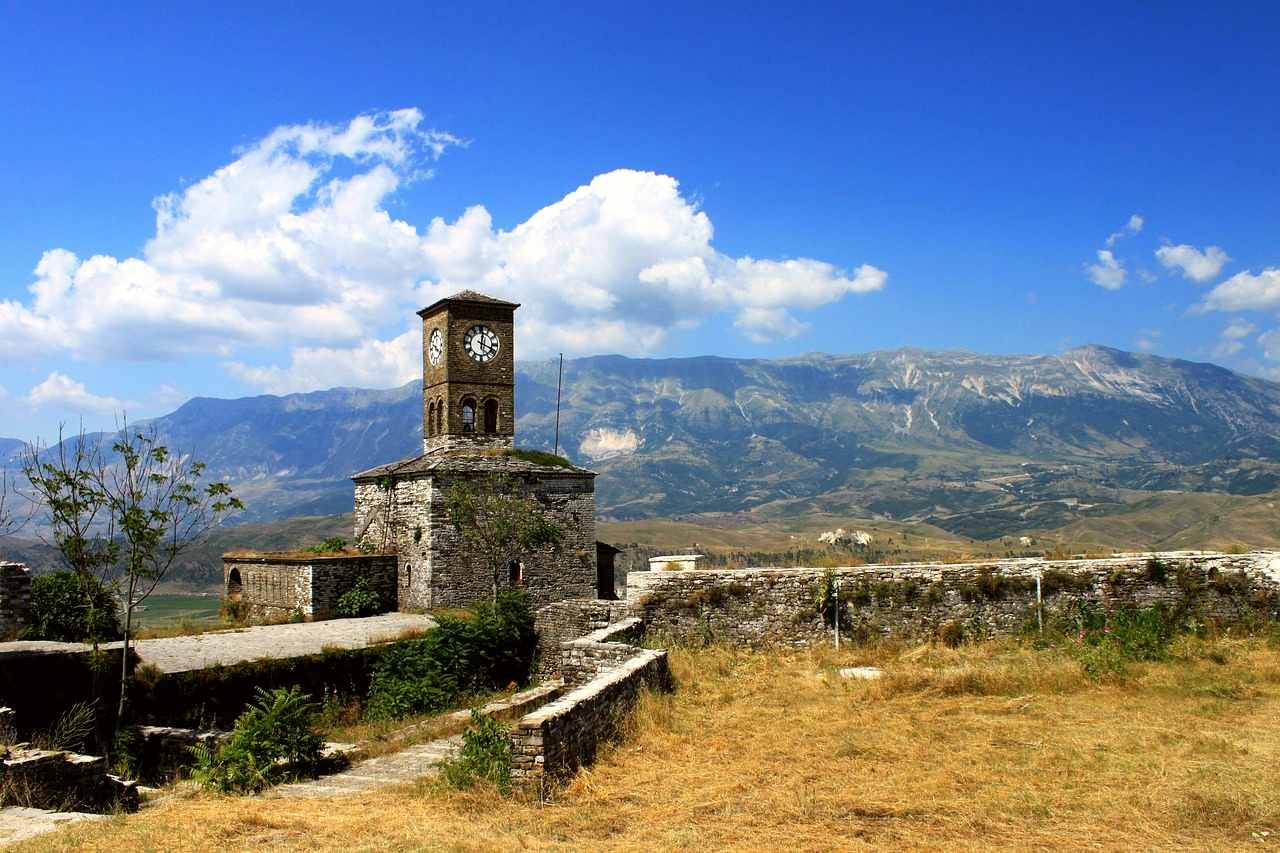
Gjirokastër: a UNESCO World Heritage site with Ottoman-era buildings
Butrint: ancient ruins set in a stunning national park
Ksamil: beautiful beaches and crystal-clear waters
Shkodra: a cultural hub with a rich history
Theth: breathtaking mountain scenery and hiking trails
Saranda: a coastal town with vibrant nightlife

"Discover the beauty of the Balkans"Albania

Things to do

Hike in the Albanian Alps: explore stunning trails and landscapes
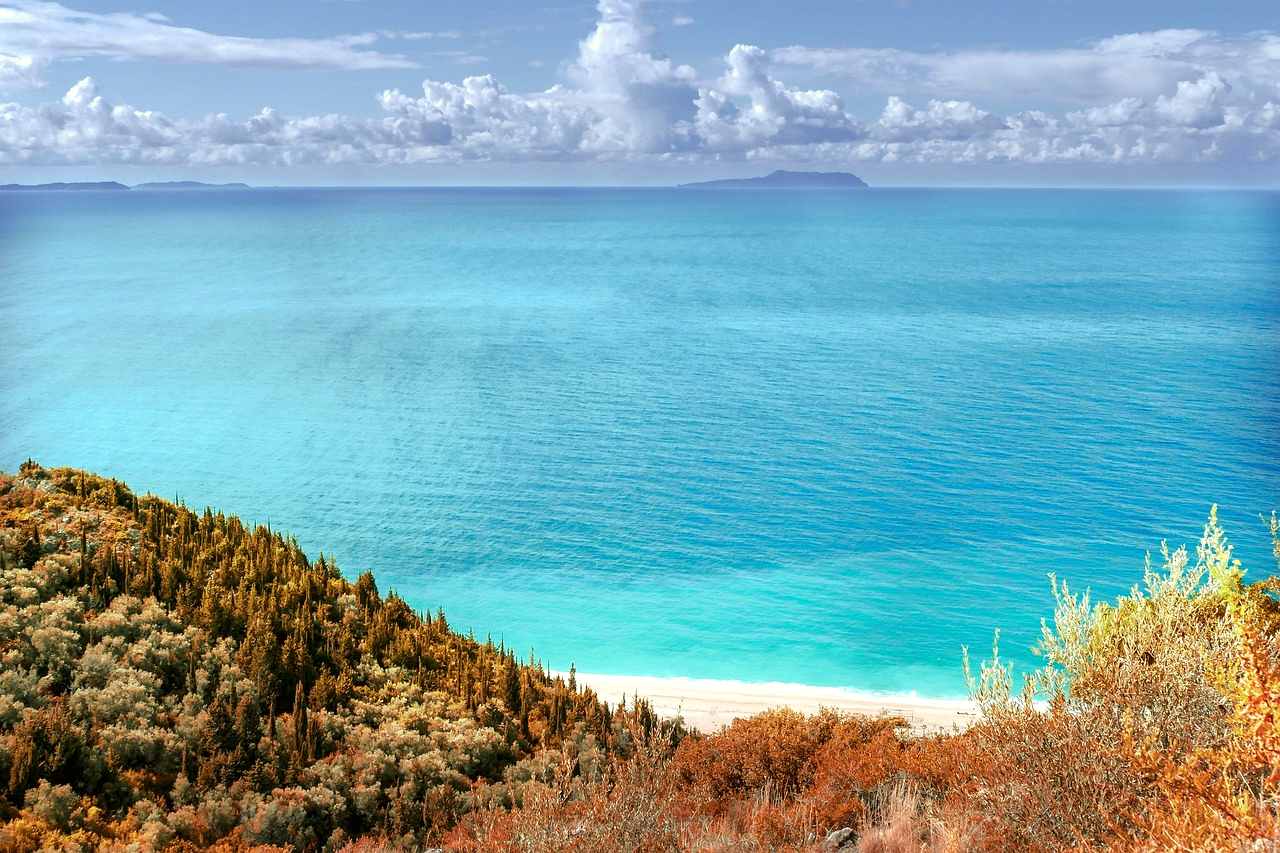
Visit the beaches: relax on the beautiful Ionian coast
Explore castles: discover the history at Rozafa and Berat castles
Taste local wines: enjoy wine tasting in the vineyards
Experience local festivals: immerse yourself in traditional celebrations
Local food and drinks - Albania

Local food and drinks

Byrek: a savory pastry filled with cheese or meat, found in bakeries
Fërgesë: a traditional dish made with peppers and cheese, best in Tirana
Tavë Kosi: baked lamb with yogurt, a must-try in local restaurants
Raki: a strong fruit brandy, often served as a welcome drink
Seafood: fresh catches along the coast, especially in Saranda
Baklava: a sweet pastry, perfect for dessert in local cafes
Local traditions - Albania

Local traditions

Gjirokastër National Folklore Festival: a celebration of traditional music and dance
Bajram: an important religious holiday celebrated with family gatherings
Këngë dhe Valle: traditional songs and dances performed at local events
The Albanian Wedding: a vibrant celebration with unique customs
Cultural Heritage Days: events showcasing local crafts and traditions

Do's and don'ts

Learn a few basic Albanian phrases to connect with locals
Try to engage with the community during your visit
Dress modestly when visiting religious sites
Respect local customs and traditions
Support local businesses by buying handmade crafts
Don't take photos of people without permission
Don't discuss sensitive political topics
Don't expect all public transport to run on time
Don't litter; keep the environment clean
Don't rush through meals; dining is a social experience
Explore the Albanian Alps' rugged beauty

Explore the Albanian Alps' rugged beauty

The Albanian Alps offer a striking landscape that feels untouched. The Valbona Valley is a highlight, with its towering peaks and lush greenery. Hikers can find trails that lead to breathtaking views, but be prepared for steep climbs. The local guesthouses serve hearty meals, often featuring traditional dishes like byrek, a savory pastry filled with cheese or spinach. The best time to visit is late spring or early fall when the weather is mild and the trails are less crowded. Just remember to carry enough water and wear sturdy shoes.

Nature and culture in Theth National Park

Nature and culture in Theth National Park

Theth National Park is a blend of natural beauty and cultural heritage. The village of Theth is known for its stone houses and the iconic Grunas Waterfall. Visitors can explore the park's trails, which vary in difficulty, and encounter local shepherds tending their flocks. The area is rich in folklore, and you might hear stories about the ancient blood feuds that shaped the region. Be cautious of changing weather conditions, especially in the mountains, and consider hiring a local guide for a deeper understanding of the landscape.

Discover Theth's historic church

Discover Theth's historic church

The Church of Theth is a charming wooden structure that dates back to the 19th century. It stands as a testament to the village's history and offers a glimpse into local traditions. The church is often open to visitors, and you may find locals attending services or gathering for community events. The surrounding scenery adds to its appeal, with mountains framing the backdrop. If you visit, take a moment to appreciate the craftsmanship of the building and the peaceful atmosphere. Just be respectful of the local customs and dress modestly.

info_outlinePracticalexpand_more
Population: 2.877.797
Best time: May to September

About Albania

Travelers will find a mix of ancient ruins, vibrant cities, and charming villages. While Albania is becoming more popular, it still retains an off-the-beaten-path feel, making it perfect for those seeking authentic experiences without the crowds.

Basic information

Capital: Tirana
Language: Albanian
Currency: Albanian Lek
Best time to visit: May to September

Travel information

Fly into Tirana International Airport for international access. Public transport includes buses and shared taxis, though services can be limited, especially on weekends. Road conditions vary, so drive cautiously, especially in rural areas where potholes are common. ATMs are widely available in cities, but in smaller towns, you may need to plan ahead. Credit cards are accepted in larger establishments, but always carry cash for smaller vendors. Mobile connectivity is generally good in urban areas, but rural areas may have limited service, so download maps in advance.

Things to know

Expect some language barriers, as English is not widely spoken.
In rural areas, you might find fewer people who can communicate in English.
Be cautious of unmarked roads and driving rules, as signage can be sparse.
Some tourist sites may have limited opening hours, particularly in the off-season from November to March.
Respect local customs, especially in rural areas where traditional dress and practices are common.
Watch for pickpockets in crowded places, especially in markets and public transport hubs.

Good to know

Accessibility: Many urban areas are accessible, but rural regions may pose challenges.
Price level: budget
history_eduHistoryexpand_more
History - Albania

Albania's history is marked by a blend of influences from Illyrians, Romans, Byzantines, and Ottomans. The country declared independence from the Ottoman Empire in 1912, but faced numerous challenges, including invasions and political turmoil throughout the 20th century.

After decades of communist rule, Albania began transitioning to democracy in the 1990s. Today, it is a country in transformation, balancing its rich past with aspirations for a modern future, making it an intriguing destination for history enthusiasts.

Photo: Wikipedia / Wikimedia Commons