kiomigo
search
search
add New trip
Tirana

Tirana

Population: 421.286 Since: Founded around 1614 Price: Budget Capital city

Introduction

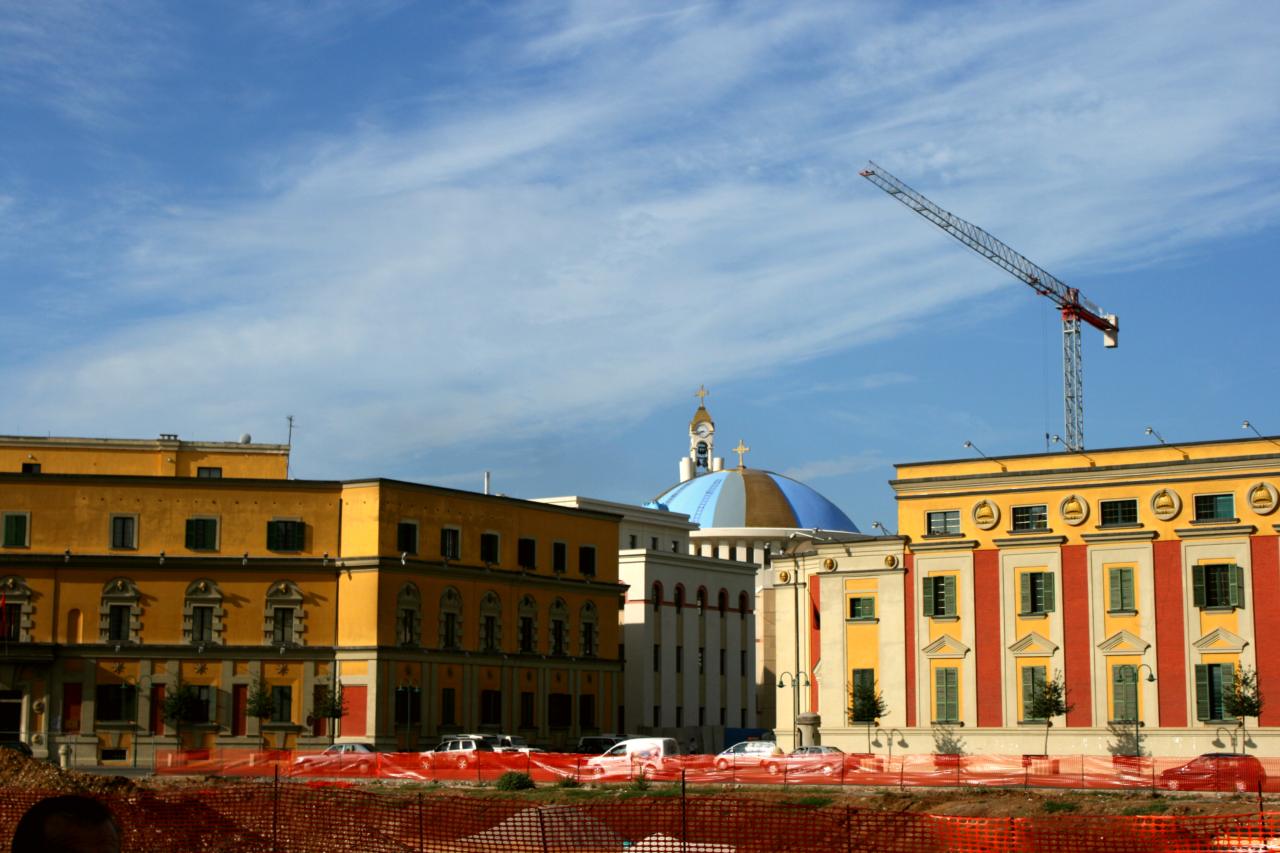
Tirana, the vibrant capital of Albania, is a city that blends history with a youthful energy. Its colorful buildings and lively streets reflect a culture that is both rich and evolving, making it a fascinating destination for travelers seeking authenticity.

Visitors will find a mix of Ottoman, Italian, and communist-era architecture, alongside bustling markets and cafes. The atmosphere is welcoming, yet the city is still finding its footing in the modern world, which adds to its charm and character.

In pictures

Tirana
Tirana
Tirana
Tirana
Tirana
Tirana

Sightseeing

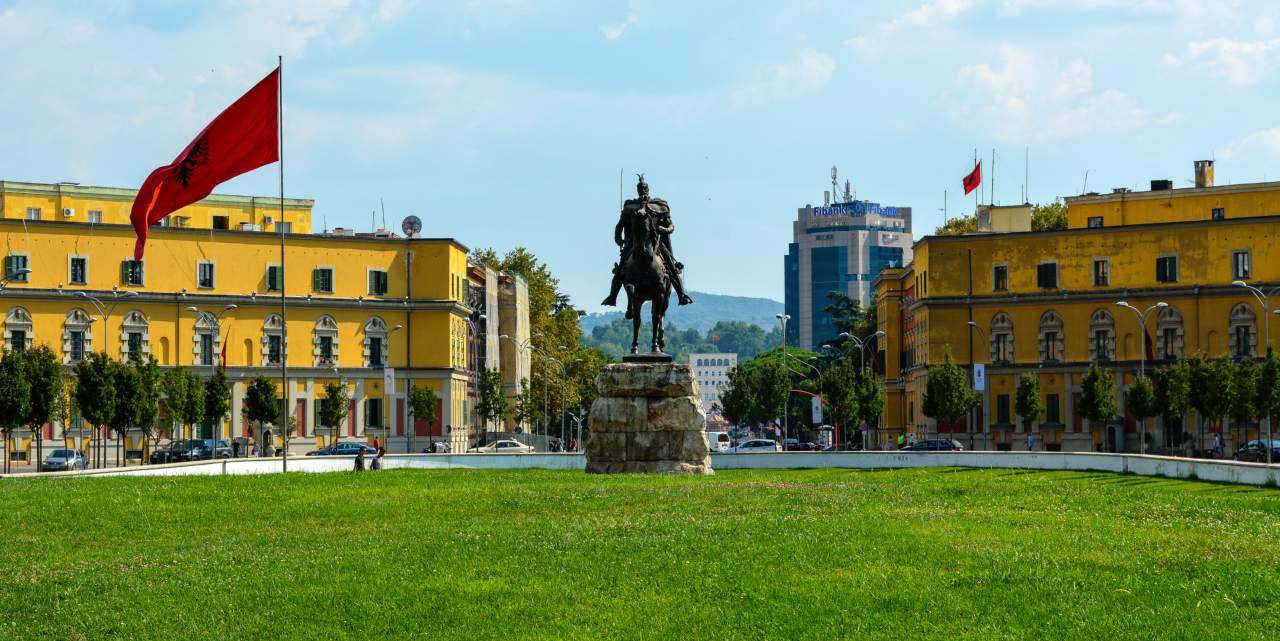
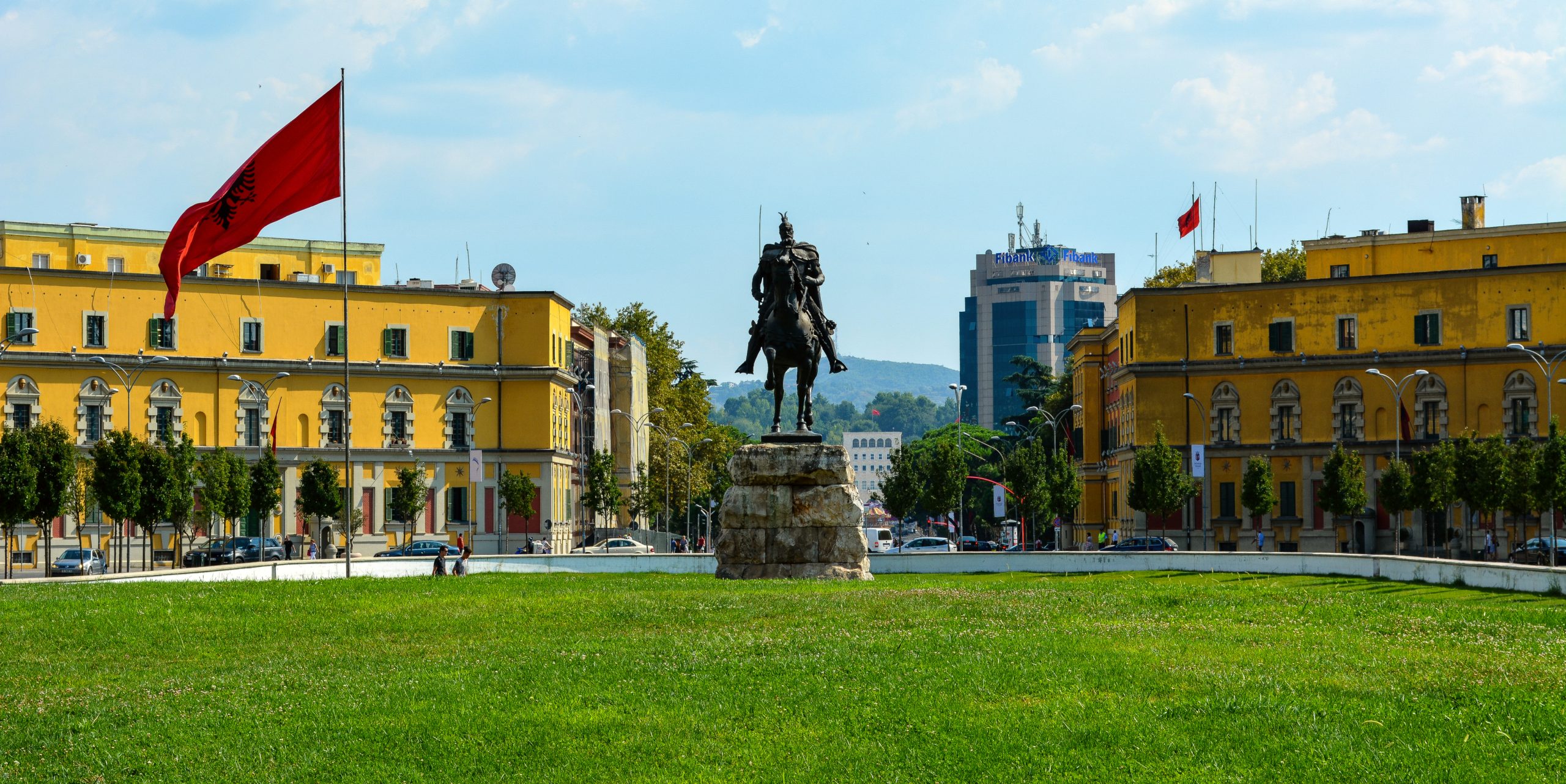
Skanderbeg Square: the heart of Tirana, surrounded by important buildings
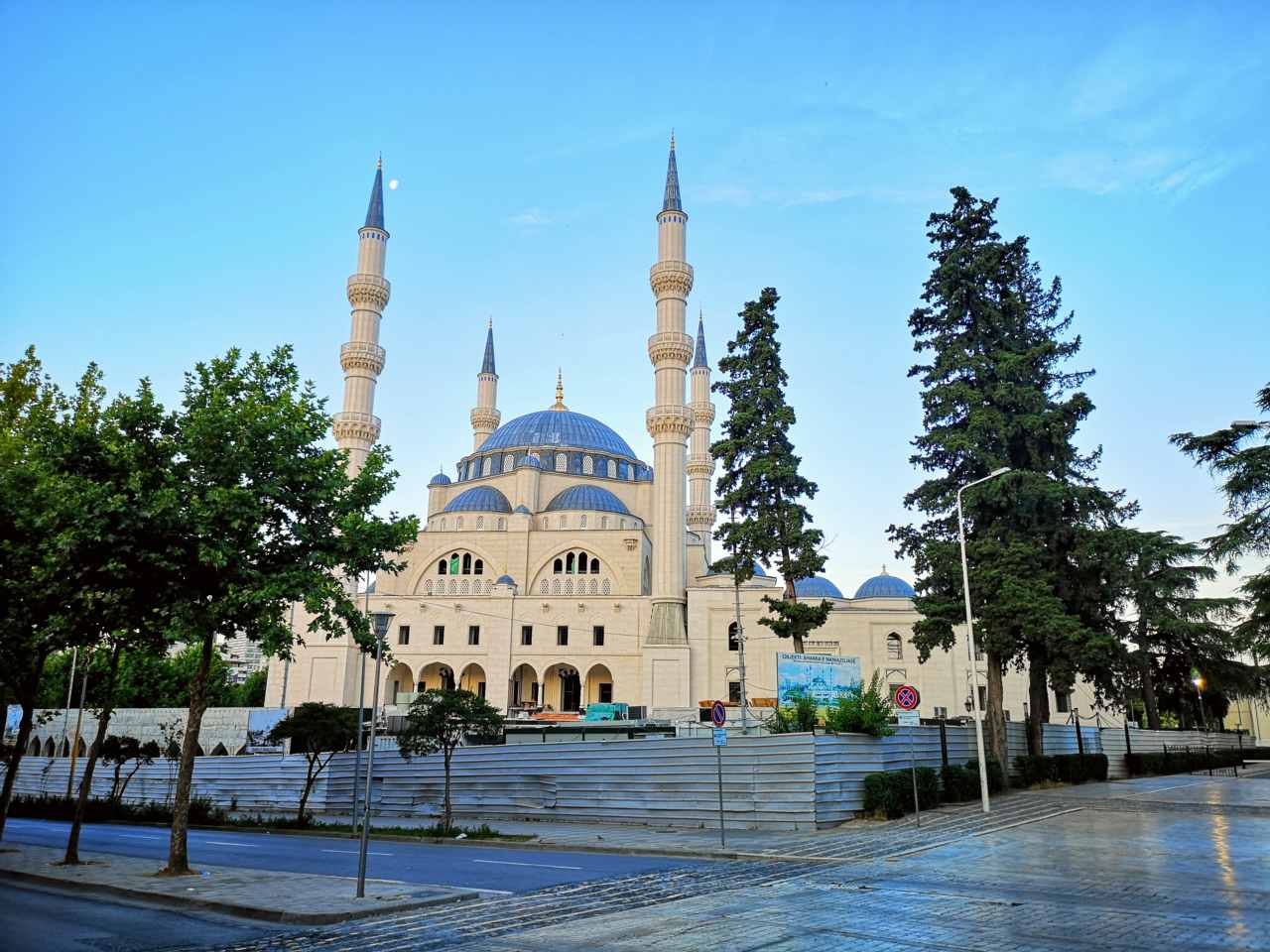
Et'hem Bey Mosque: a beautiful mosque with intricate frescoes
National History Museum: offers insights into Albania's past
Blloku: a trendy neighborhood known for nightlife and cafes
Mount Dajti: a nearby mountain offering stunning views and hiking
Tirana Pyramid: a controversial monument with a unique design
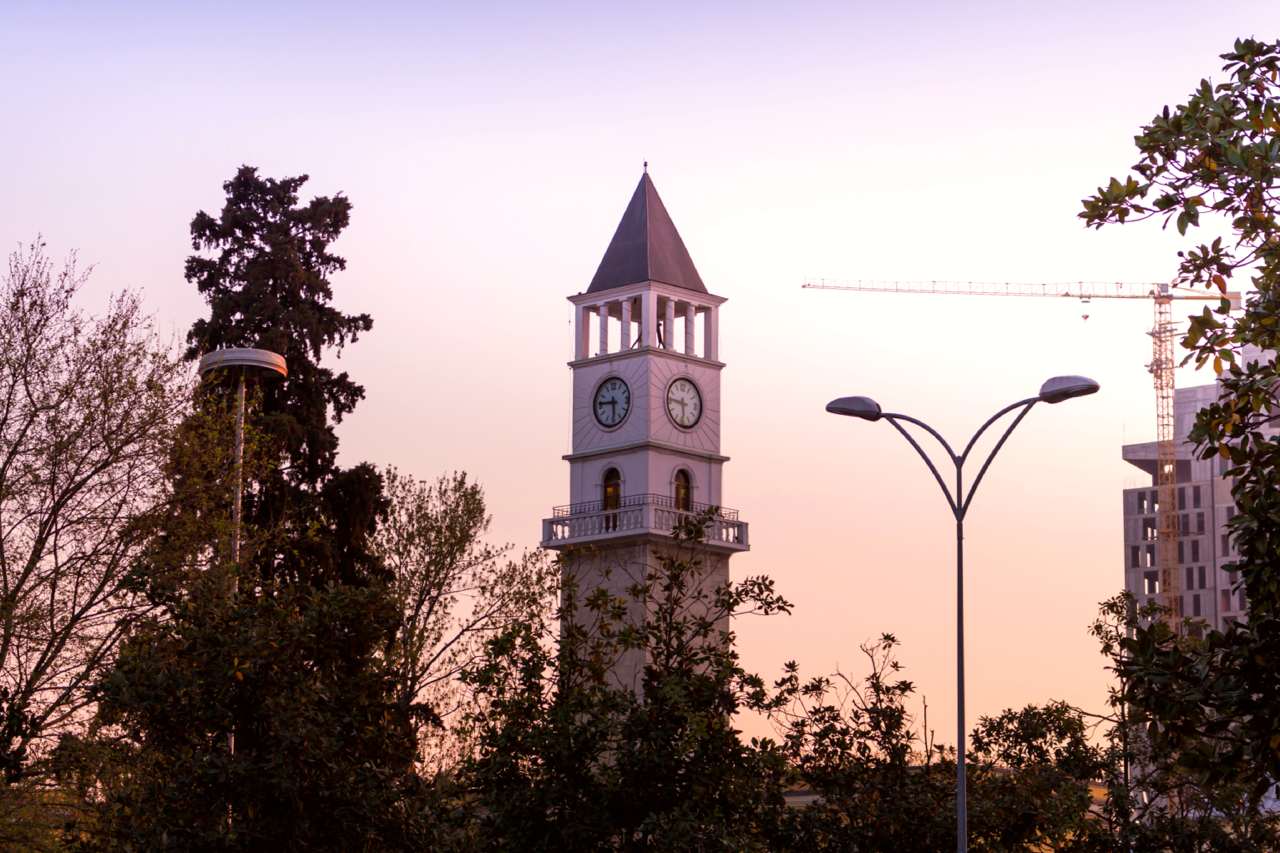
The Clock Tower: a historical landmark with panoramic views
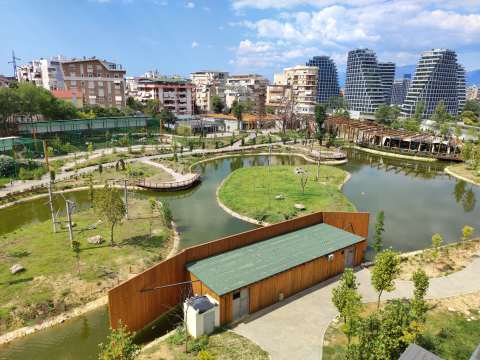
Grand Park: a serene escape with a lake and walking paths

"A colorful blend of history and modernity"Tirana

Things to do

Explore the colorful streets of Blloku: vibrant nightlife and cafes await
Hike Mount Dajti: enjoy nature and breathtaking views
Visit the National Art Gallery: discover Albanian art and culture
Stroll through the Grand Park: relax by the lake and enjoy nature
Experience local markets: taste fresh produce and traditional goods

Local food and drinks

Tavë Kosi: a traditional baked dish with lamb and yogurt
Byrek: savory pastry filled with cheese or spinach
Fërgesë: a hearty dish made with peppers and cheese
Rakia: a popular local fruit brandy
Piazza: a lively spot for coffee and people-watching
Local traditions - Tirana

Local traditions

Dita e Verës: a spring festival celebrating the arrival of warmer weather
Traditional music and dance: often showcased at local events
Cultural events: frequent exhibitions and performances throughout the year
Hospitality: locals are known for their warm welcome and generosity

History

Tirana has a rich history that dates back to the Ottoman Empire, when it was established in the 15th century. It became the capital of Albania in 1920, marking a significant shift in the country's political landscape.

Throughout the 20th century, Tirana underwent dramatic changes, especially during the communist era, which left a lasting impact on its architecture and culture. Today, the city is a blend of its historical roots and modern aspirations, making it a unique place to explore.

Things to know

Be cautious of pickpockets in crowded areas, especially markets
Public transport can be unreliable, consider using taxis or rideshares
Some attractions may have limited opening hours, check in advance
Street signs can be scarce, so download a map or use GPS

Do's and don'ts

Try local dishes at family-run restaurants
Engage with locals to learn about their culture
Visit museums to understand Albania's history
Take a walk in the Grand Park for relaxation
Don't ignore local customs and traditions
Don't expect all signs to be in English
Don't rush through your visit, take your time to explore
Don't miss out on trying street food

Good to know

Accessibility: Some areas are accessible, but expect uneven pavements
Price level: budget

Photo: Wikipedia / Wikimedia Commons