search
search
add New trip
Bruges

Bruges

confirmation_numberMid-rangeprice
BrugesYour own route Plan a trip here →

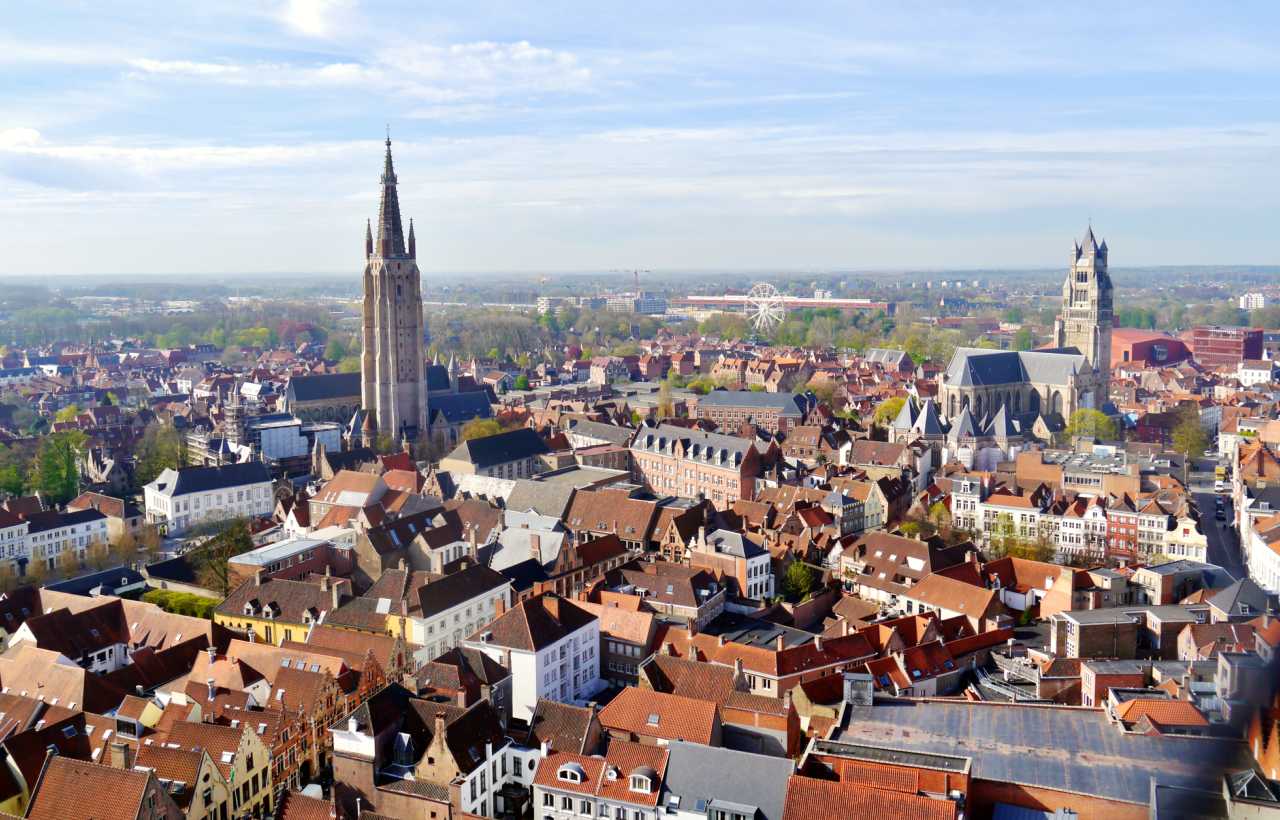
Bruges is a city where history feels alive. Cobblestone streets wind through medieval architecture, and canals reflect the charm of centuries past. The sound of horse-drawn carriages adds to the atmosphere, making it easy to imagine life here in earlier times.

Sightseeing

Grote Markt: the main square surrounded by historic buildings
Belfry of Bruges: climb 366 steps for panoramic views
Church of Our Lady: home to Michelangelo's Madonna
Canal Cruise: explore the city from the water
Brewery De Halve Maan: learn about local beer production
Groeningemuseum: showcases Flemish art from the 14th to 20th centuries
Basilica of the Holy Blood: a church housing a relic of Christ's blood
Beguinage: a tranquil courtyard with historical significance

"A city of canals and history"Bruges

Things to do

Climb the Belfry: enjoy views and hear the bells
Take a canal tour: see Bruges from a different angle
Visit the Markt: experience local life and shops
Explore the cobbled streets: discover hidden corners of the city
Attend a chocolate workshop: learn to make Belgian chocolates
Local food and drinks - Bruges

Local food and drinks

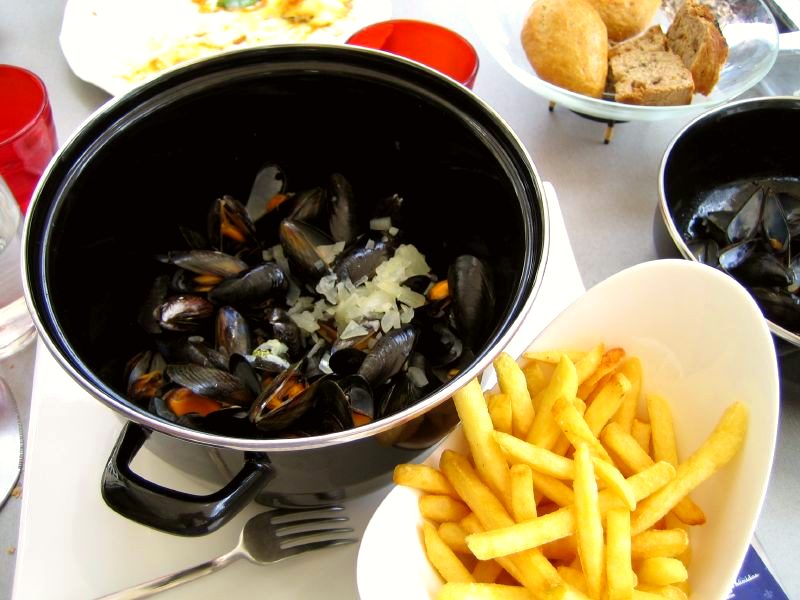
Moules-frites: mussels served with fries, a local favorite
Belgian waffles: try them with whipped cream and strawberries
Frikandel: a Dutch-style sausage, often served with sauce
Chocolatier Van Oost: known for high-quality handmade chocolates
De Garre: a pub with a wide selection of local beers
Local traditions - Bruges

Local traditions

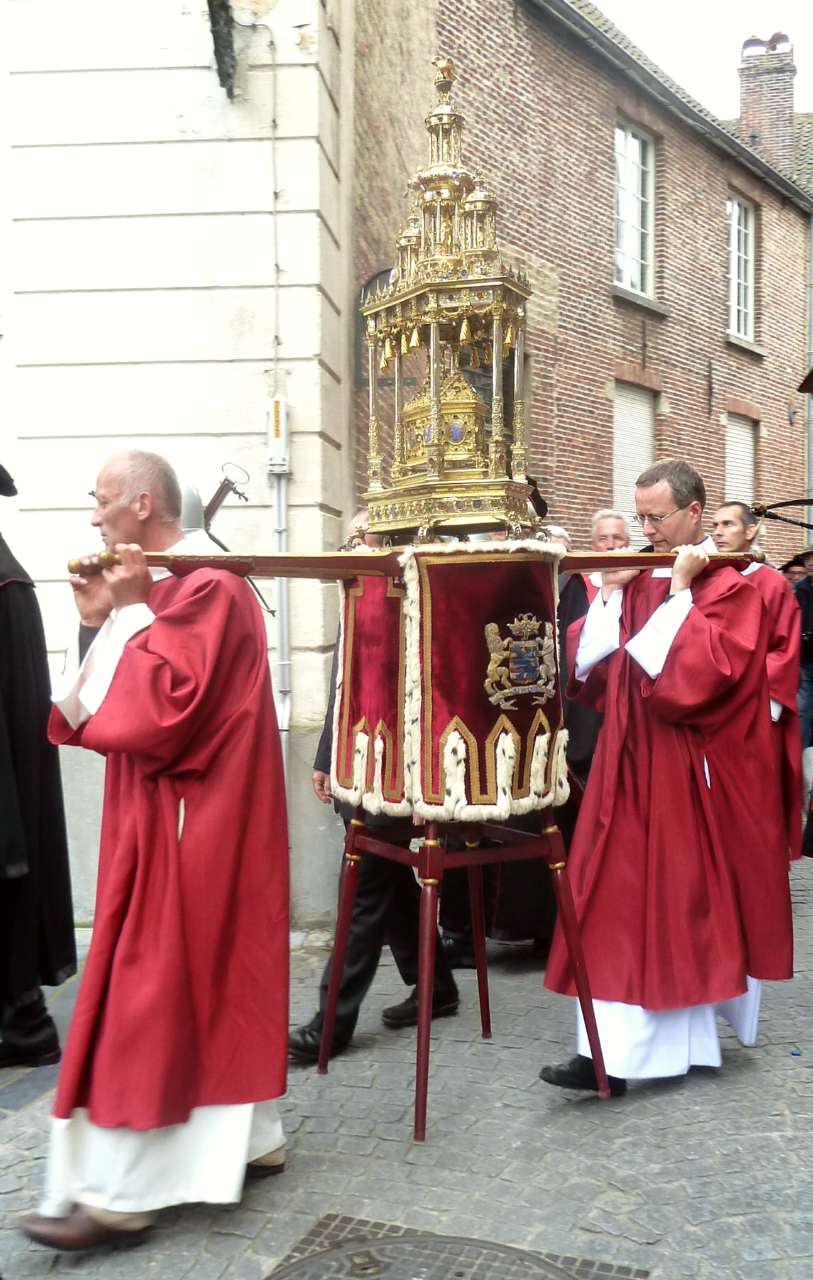
Procession of the Holy Blood: a religious event held in May
Bruges Beer Festival: celebrates local breweries every February
Christmas Market: festive stalls and lights in December
Flemish Community Day: cultural events in November

Do's and don'ts

Try local beers at De Garre
Visit the Groeningemuseum for art lovers
Sample chocolates from various shops
Take a walk along the canals at sunset
Don't eat at restaurants in the Grote Markt
Don't rush your visit; take time to explore
Don't ignore the smaller streets for hidden treasures
Don't forget to check opening hours before visiting attractions
info_outlinePracticalexpand_more
Since: Founded around 850 AD
Population: 118.000

About Bruges

Visitors often find themselves drawn to the city's rich tapestry of art and culture. The blend of Gothic buildings and serene waterways creates a unique backdrop for exploration. However, be prepared for crowds, especially in peak tourist seasons, as many come to experience its beauty.

Things to know

Beware of tourist traps in the central square, where prices are inflated
Public transport can be limited; walking is often the best way to explore
Some attractions may have long lines, especially in summer
Watch for cyclists; they share the roads with pedestrians

Good to know

Accessibility: Most areas are walkable, but some streets are cobbled.
Price level: mid-range
history_eduHistoryexpand_more

Bruges traces its origins back to a Gallo-Roman settlement in the 2nd century AD, but it truly began to flourish in the 9th century when Vikings established a harbor. The name likely derives from the Old Norse word for jetty. By the 12th century, Bruges had become a key trading hub for the Hanseatic League, connecting northern Europe.

The city faced economic challenges in the Middle Ages due to silted canals, leading to a stagnant population for centuries. However, its well-preserved medieval architecture and canals have made it a UNESCO World Heritage site, attracting visitors eager to explore its rich past.

Photo: Wikipedia / Wikimedia Commons