Brussels
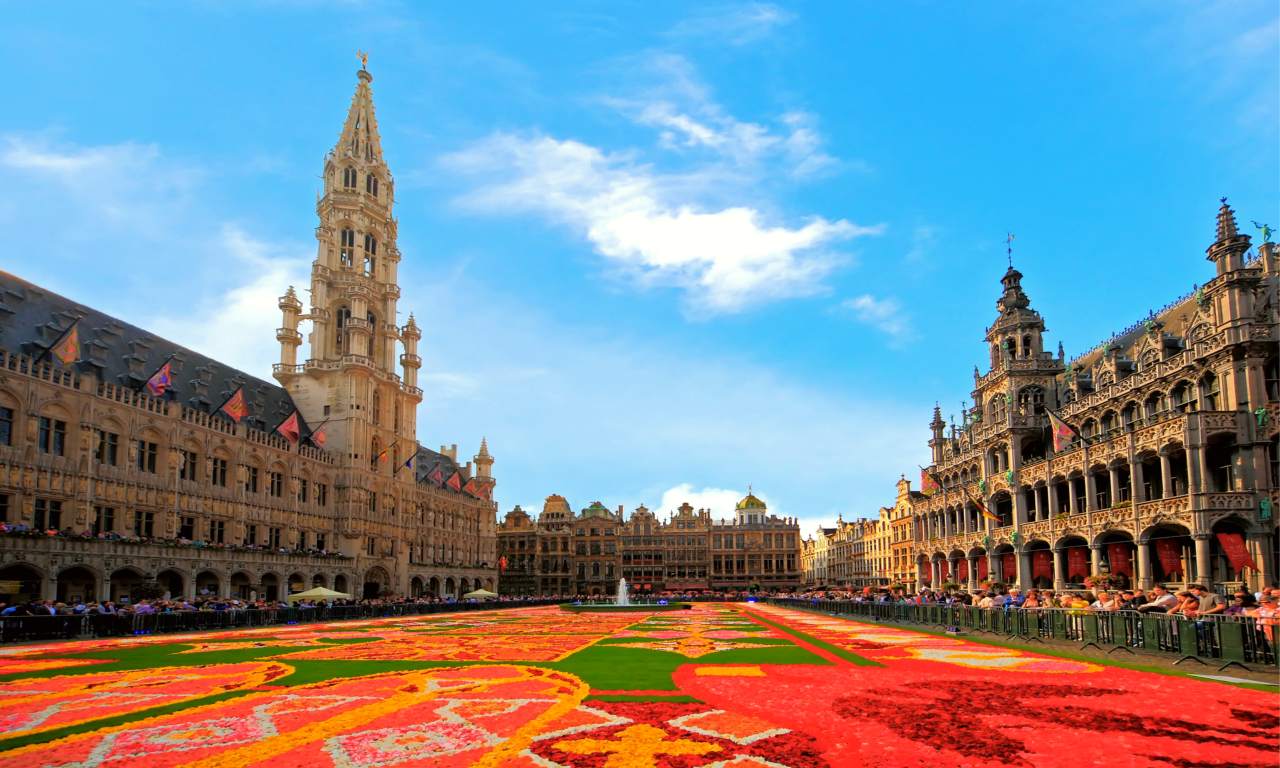
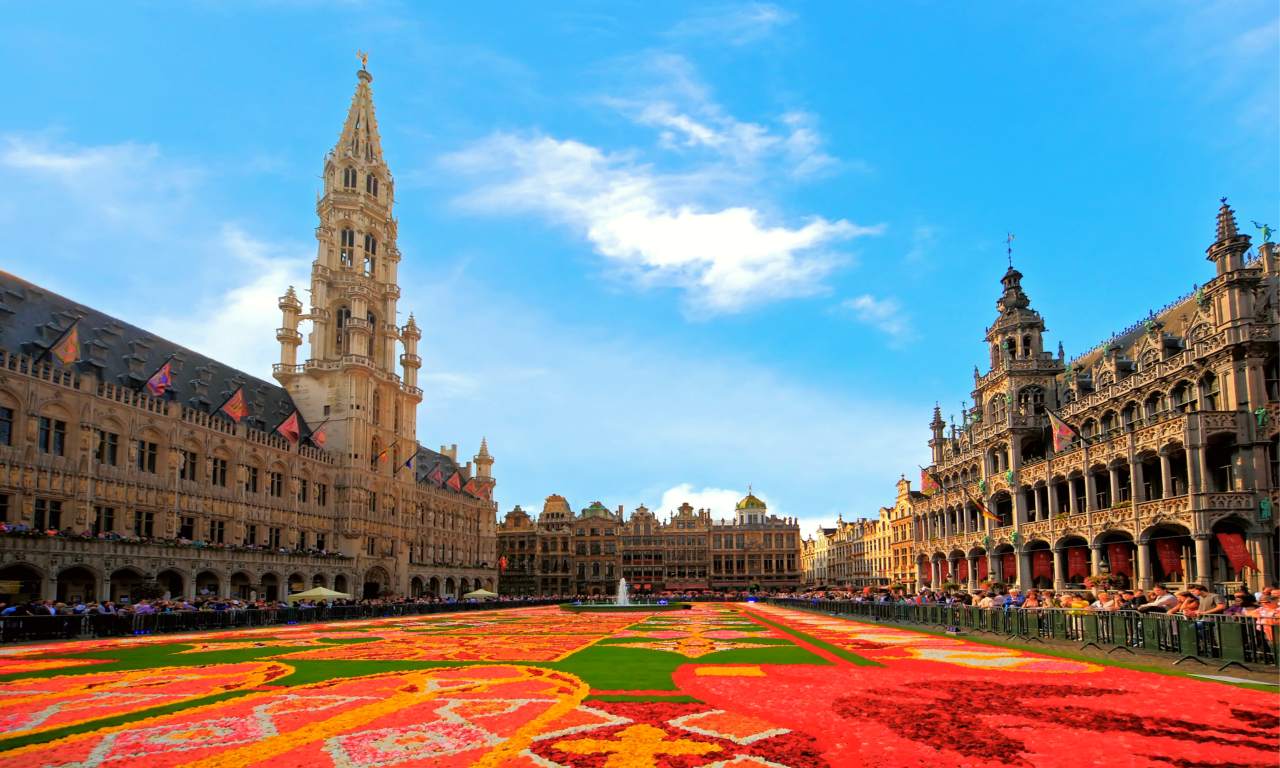
Brussels is a city where history and modernity coexist. The central square, Grand-Place, is surrounded by ornate guildhalls, while contemporary art installations pop up in unexpected places. The mix of languages and cultures adds to its unique character.
Highlights
Routes through here
Every route opens in the planner as your own copy: change any stop, any night.
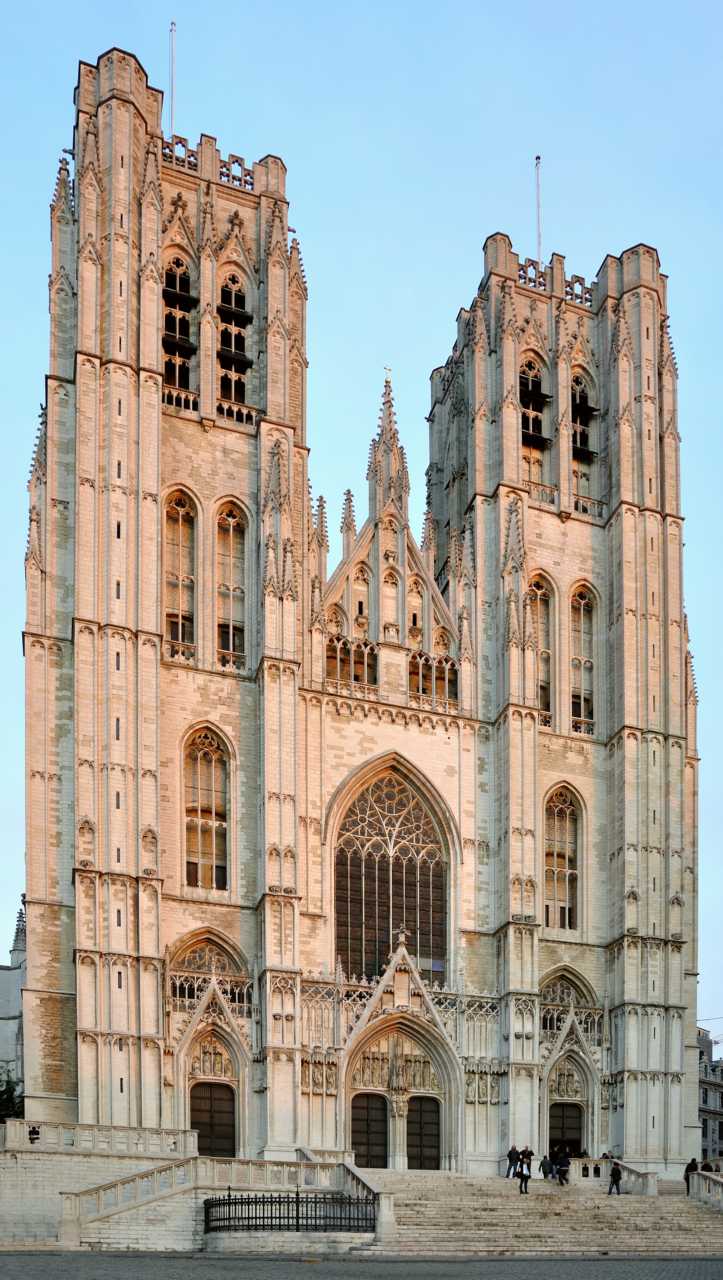
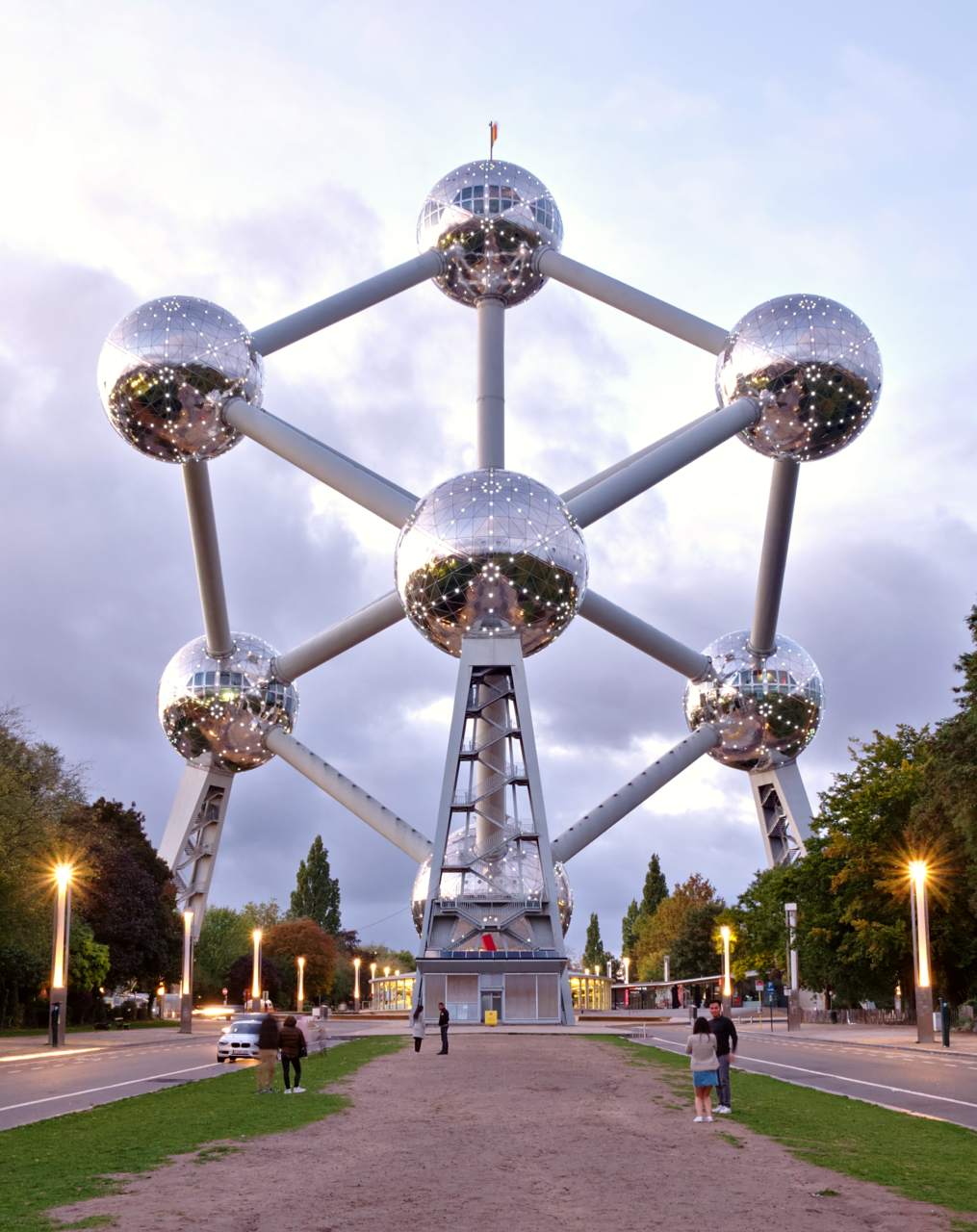
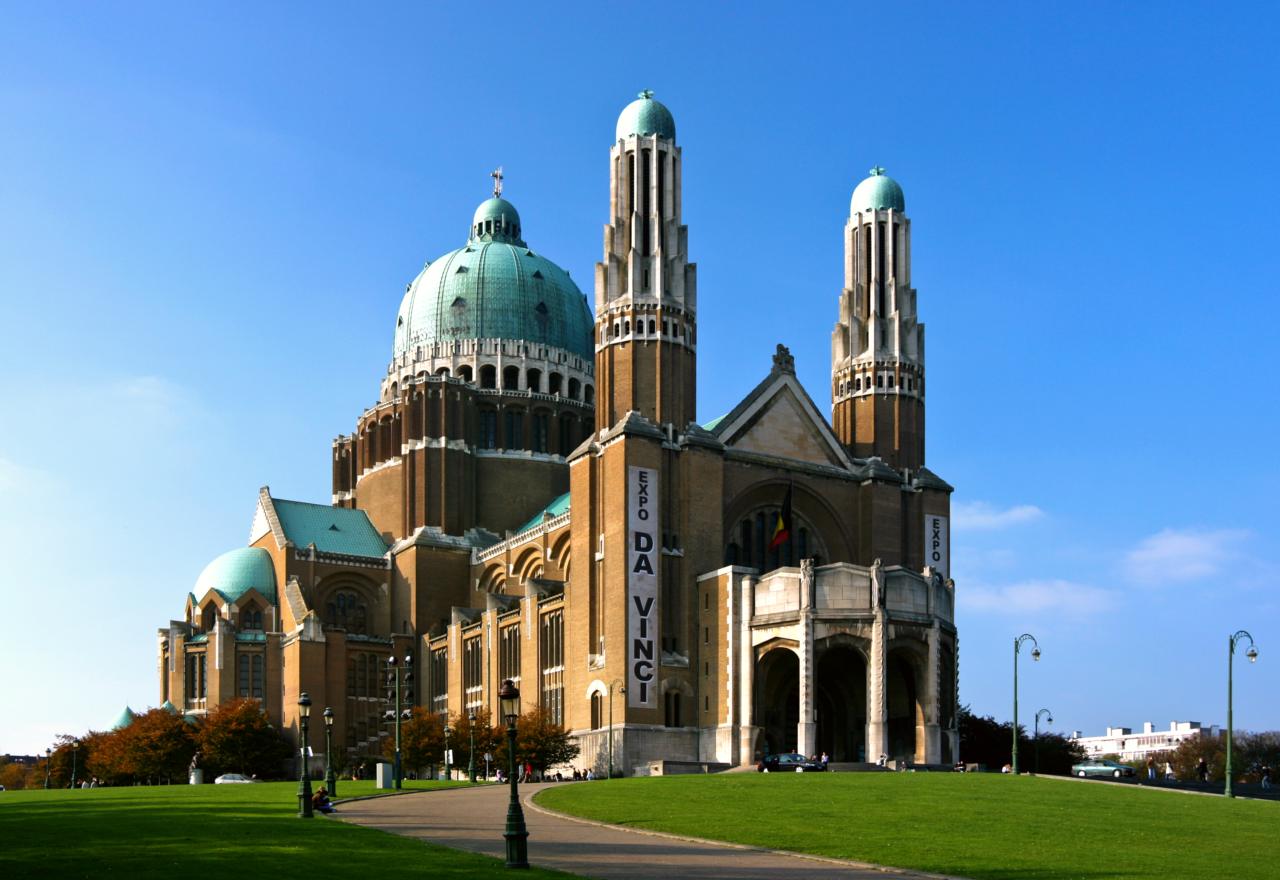
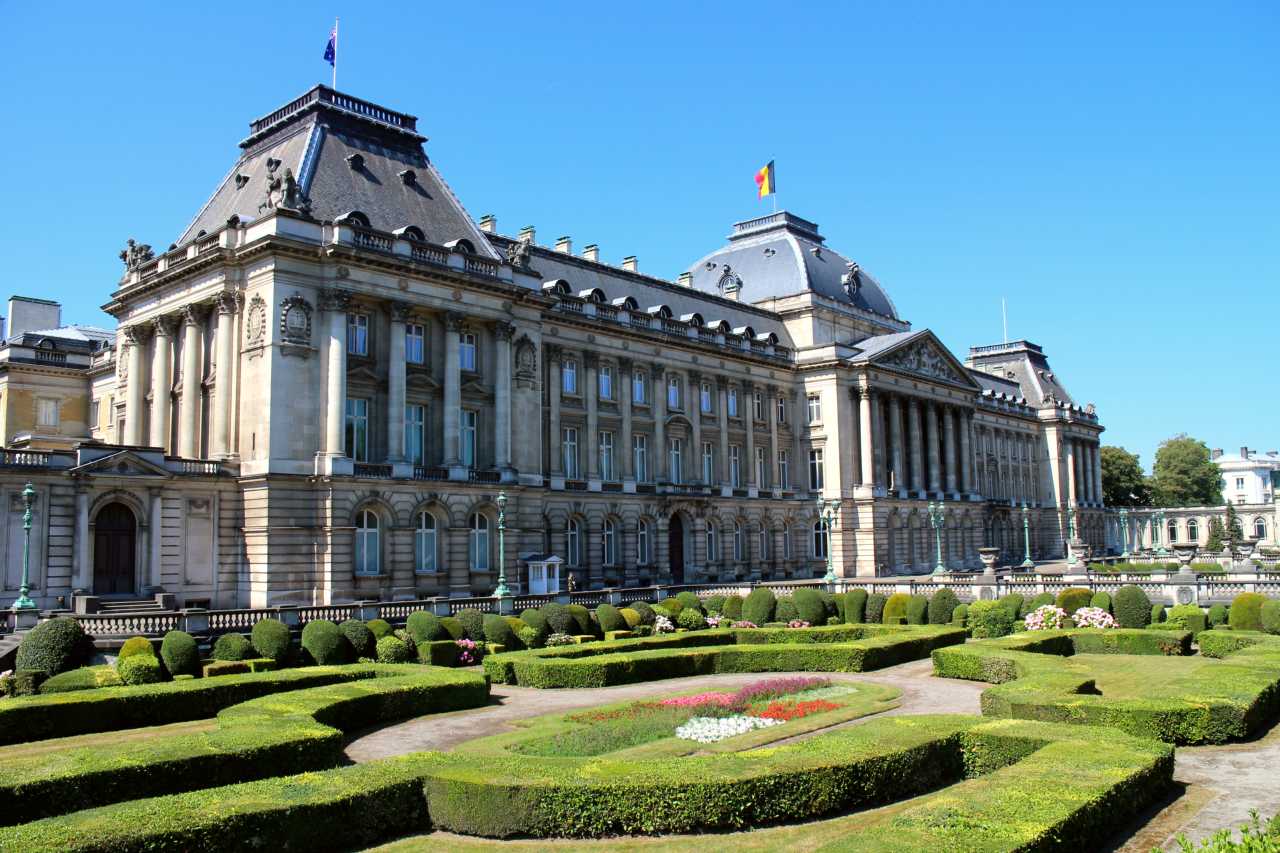
In pictures
Sightseeing
Things to do
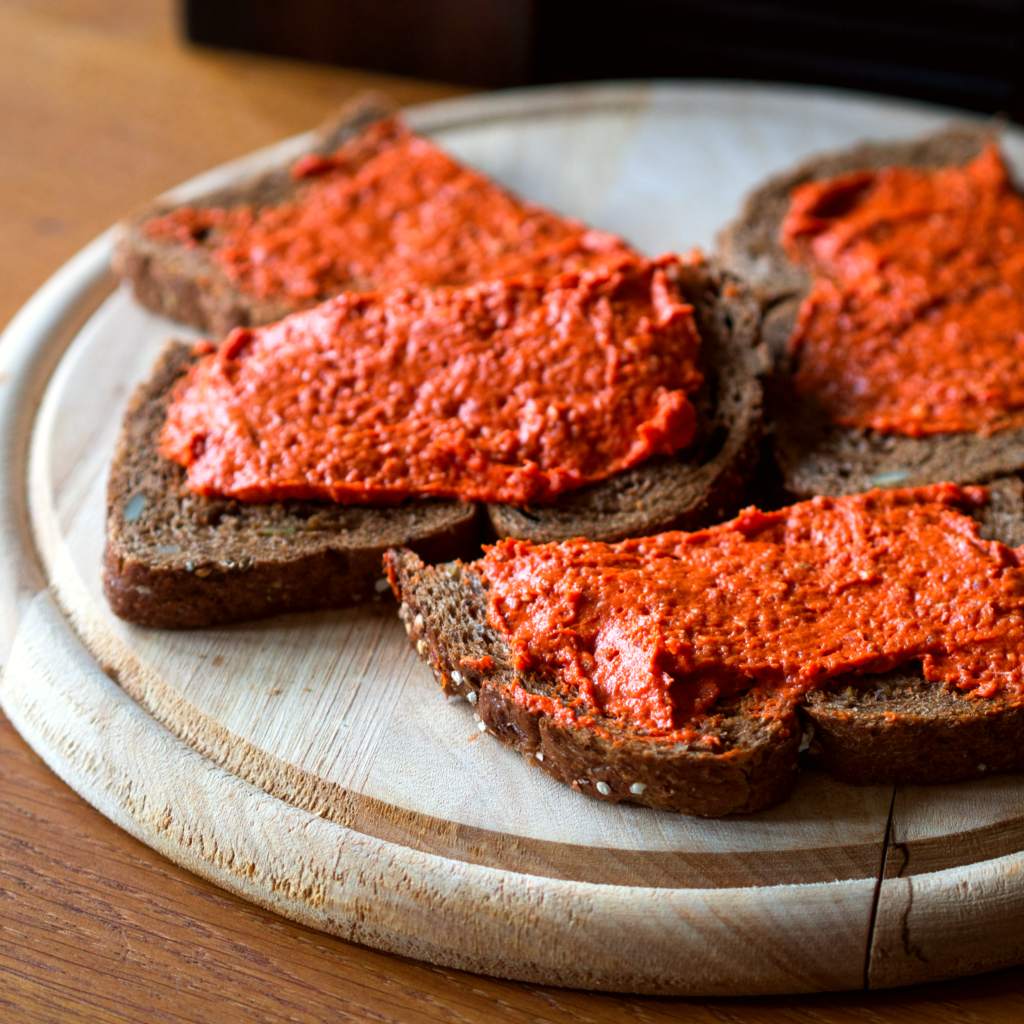
Local food and drinks
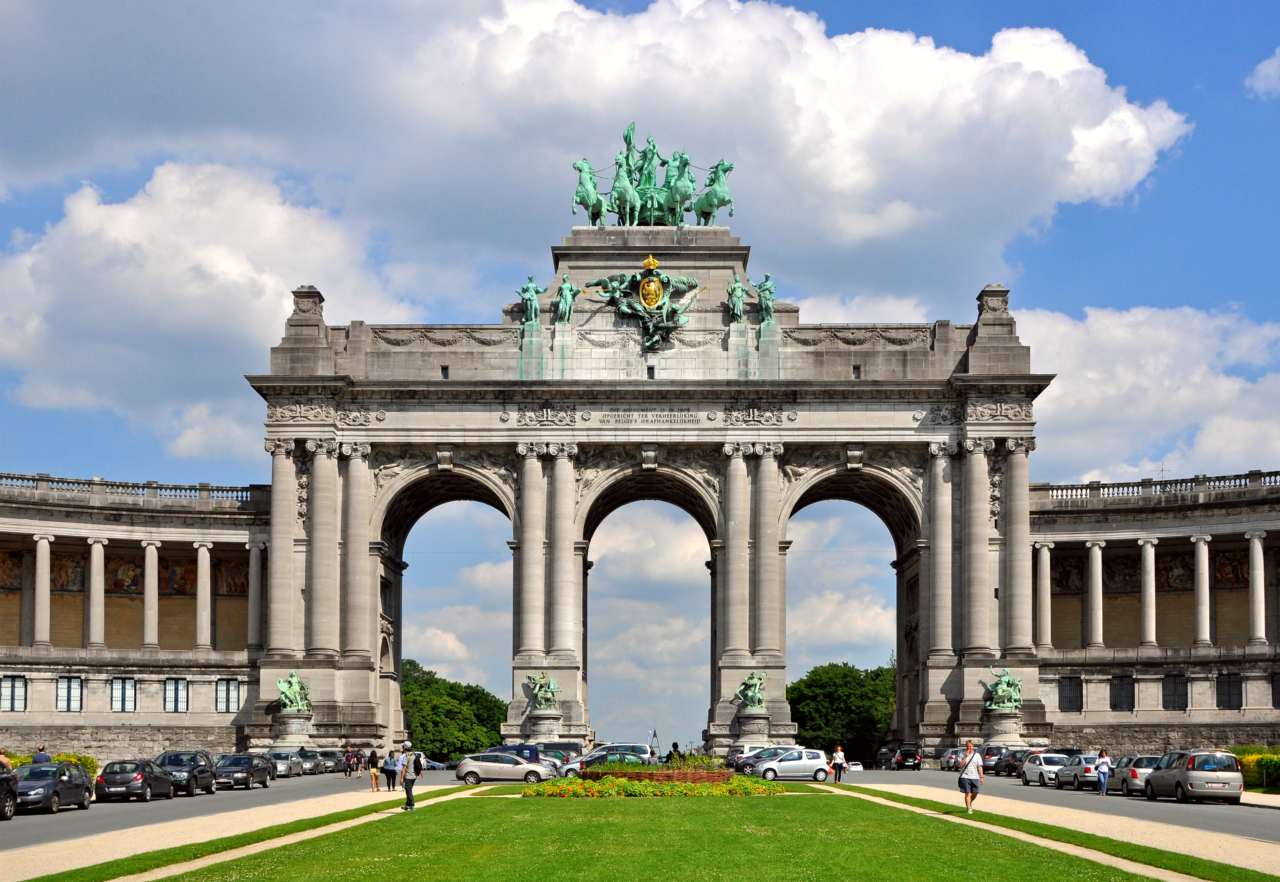
Local traditions
Do's and don'ts
Practical
About Brussels
Visitors can explore the medieval streets, but be prepared for a city that feels both familiar and foreign. The weather can change quickly, so packing an umbrella is wise. The public transport system is efficient, though some areas may require a bit of walking.
Things to know
Good to know
History
Brussels became the capital of Belgium in the 19th century, leading to significant urban development. Many historic buildings were demolished to make way for new constructions, resulting in a mix of old and new architecture. The term 'Brusselization' emerged to describe this phenomenon of sacrificing heritage for modernization.
Despite the loss of many historical structures, the city retains a rich cultural tapestry. The medieval center, with its narrow streets and charming squares, offers a glimpse into its past. Today, Brussels is a hub for politics, culture, and gastronomy, reflecting its diverse influences.
Photo: Wikipedia / Wikimedia Commons