kiomigo
search
search
add New trip
Brussels-Capital Region

Brussels-Capital Region

Population: 1.200.000 Since: Founded around 979 AD Price: Mid-range
accessible Accessibility: Many areas are accessible, but some historic sites have limitations.

Introduction

Brussels-Capital Region is a vibrant blend of history, culture, and modernity. Visitors are greeted by stunning architecture, from medieval buildings to contemporary designs, and a lively atmosphere that reflects its status as the de facto capital of the European Union.

The city is known for its diverse neighborhoods, each with its own character. Whether you are wandering through the historic Grand Place or enjoying the eclectic art scene in the Marolles district, Brussels offers a unique experience that caters to various interests.

In pictures

Brussels-Capital Region

Sightseeing

Grand Place: the central square, a UNESCO World Heritage site
Atomium: iconic structure and museum, built for Expo 58
Manneken Pis: famous bronze statue of a little boy
Royal Palace: the official palace of the King of Belgium
Magritte Museum: dedicated to the surrealist artist René Magritte
European Parliament: the heart of EU politics
Sablon: a charming neighborhood known for antiques and chocolate shops
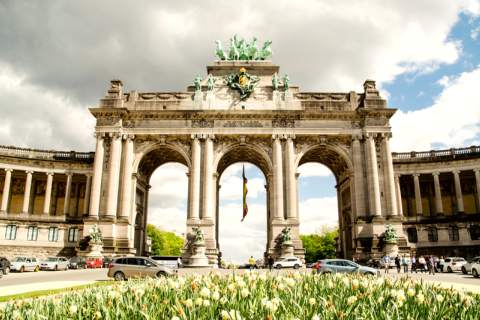
Parc du Cinquantenaire: a large public park with impressive arches

"A city of culture and diversity"Brussels-Capital Region

Things to do

Explore the comic strip murals scattered throughout the city
Visit the Royal Museums of Fine Arts for a dose of culture
Take a guided tour of the European Parliament
Enjoy a beer tasting at a local brewery
Stroll through the historic streets of the Sablon district
Attend a local festival or event for a taste of Brussels' culture

Local food and drinks

Moules-frites: mussels served with fries, a local favorite
Belgian waffles: sweet treats available in various styles
Speculoos: spiced shortcrust biscuits, often enjoyed with coffee
Trappist beer: unique brews made by monks, a must-try
Chocolate: indulge in artisanal chocolates from local chocolatiers

Local traditions

Carnival of Binche: a UNESCO-recognized festival with costumes and parades
Brussels Flower Carpet: a stunning floral display every two years
Saint Nicholas Day: celebrated with parades and festivities in early December
Christmas markets: vibrant markets offering local crafts and treats during the holiday season

History

Brussels has a rich history that dates back to the 10th century when it was founded as a small fort. Over the centuries, it grew into a significant trade center and became the capital of the Duchy of Brabant. The city played a crucial role in European politics and culture, especially during the Renaissance.

In the 19th century, Brussels underwent significant industrialization and urbanization, leading to its current status as a cosmopolitan hub. The city has been shaped by various influences, including French, Dutch, and German, making it a unique melting pot of cultures.

Things to know

Be cautious of pickpockets in crowded areas like the Grand Place
Public transport can be confusing; familiarize yourself with the metro system
Some attractions may have long queues, especially during peak season
Avoid tourist traps around major sights for better local experiences

Do's and don'ts

Try local delicacies at street food stalls
Visit museums on the first Wednesday of the month for free entry
Learn a few basic phrases in French or Dutch
Take your time to explore the lesser-known neighborhoods
Don't rush through the city; enjoy the slower pace
Don't ignore local customs, such as greeting with a handshake
Don't limit yourself to just the tourist hotspots
Don't forget to try the local beers responsibly

Good to know

Accessibility: Many areas are accessible, but some historic sites have limitations.
Price level: mid-range

Photo: Wikipedia / Wikimedia Commons