search
search
add New trip
Plitvice Lakes

Plitvice Lakes

confirmation_numberMid-rangeprice
Plitvice LakesYour own route Plan a trip here →

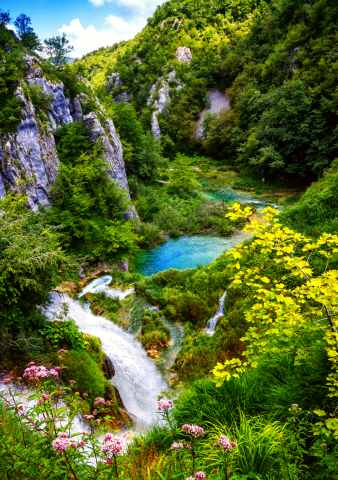
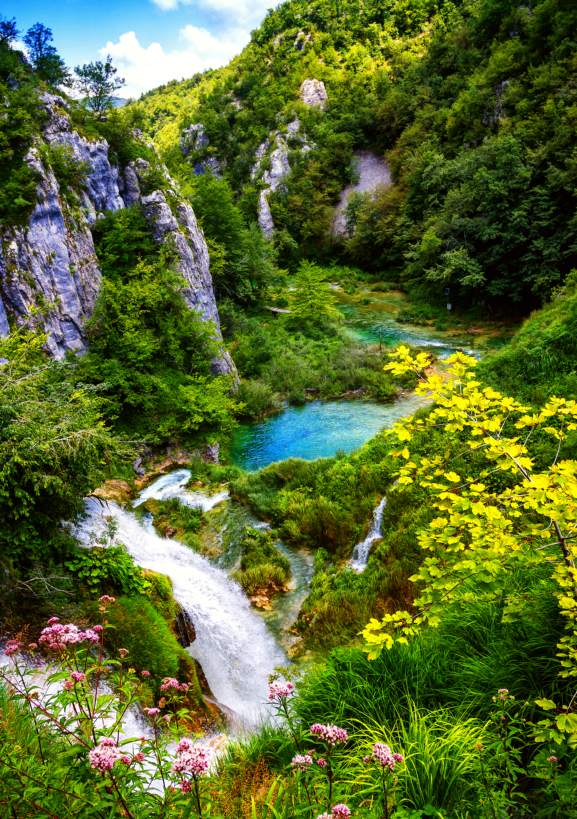
Plitvice Lakes is a captivating area known for its cascading waterfalls and interconnected lakes. Visitors often find themselves wandering along the wooden pathways that meander through lush greenery, offering a serene escape from the hustle of city life.

Read more

The park is a UNESCO World Heritage site, attracting nature lovers and hikers alike. The trails vary in difficulty, making it accessible for different fitness levels. However, be prepared for some steep climbs, especially during the warmer months when hydration is crucial.

Routes through here

Every route opens in the planner as your own copy: change any stop, any night.

Sightseeing

Plitvice Lakes National Park: famous for its 16 terraced lakes and waterfalls
Kozjak Lake: the largest lake, accessible by ferry
Veliki Slap: the highest waterfall in Croatia, at 78 meters
Mali Slap: a smaller yet picturesque waterfall
Entrance 1: starting point for the lower lakes
Entrance 2: access point for the upper lakes
Proscansko Lake: a tranquil spot between larger lakes
Cascading Waterfalls: numerous smaller falls throughout the park

"Nature's beauty in Croatia"Plitvice Lakes

Things to do

Hike the marked trails: routes range from 2 to 8 hours
Take a boat ride: explore Kozjak Lake by ferry
Visit the picnic area: enjoy a packed lunch near the lakes
Photography: capture the beauty of the lakes and waterfalls
Local food and drinks - Plitvice Lakes

Local food and drinks

Pancakes: a local specialty often served with various fillings
Park restaurants: limited options, generally overpriced
Picnic area: ideal for bringing your own food
Nearby villages: better dining options a short walk away
Local traditions - Plitvice Lakes

Local traditions

Nature conservation: the area has been protected since the late 19th century
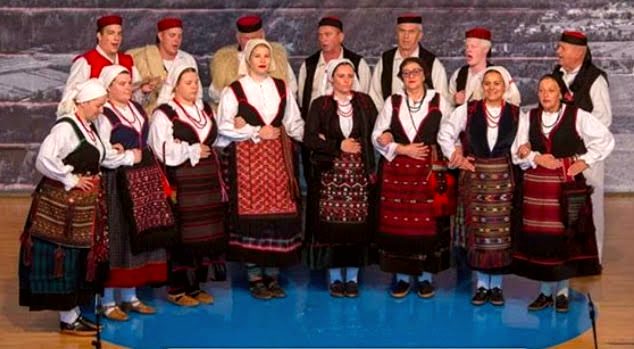
Local festivals: celebrate nature and culture in nearby towns
Traditional crafts: local artisans showcase their work in nearby markets

Do's and don'ts

Bring your own food: options in the park are limited
Wear comfortable shoes: hiking is essential
Stay hydrated: carry enough water for your visit
Respect nature: follow park rules and guidelines
Don't litter: take your trash with you
Don't rely on park restaurants: food quality is often low
Don't ignore trail markers: they help navigate the park
Don't rush: take your time to enjoy the scenery

Practical

At a glance

Founded
600 BC
Population
1.000
Accessibility
Some trails are wheelchair accessible, but many are not.
Price level
Mid-range

Things to know

Bring plenty of water: few places to buy drinks in the park
Expect steep climbs: trails can be physically demanding
Watch for tourist traps: overpriced souvenirs near entrances
Plan your visit: summer months can be crowded
history_eduHistoryexpand_more

The Plitvice Lakes area has been inhabited for thousands of years, with various cultures settling here, including Illyrians and Romans. The region changed hands multiple times, falling under Ottoman rule in 1528 before being reclaimed by the Austrian Empire in the 18th century. Tourism began to flourish in the late 19th century, with the establishment of the first hotel in 1896. The area was designated a national park in 1949, highlighting its ecological significance and attracting visitors from around the world.

Photo: Wikipedia / Wikimedia Commons