search
search
add New trip
Croatia

Croatia

fjaka · Pixabay
fjaka · Pixabay
HR calendar_monthMay–Jun, Sep–Octbest time schedule10 daysplan for child_careYeswith kids confirmation_numberMid-rangeprice flagZagrebcapital paymentsCroatian Kunacurrency translateCroatianlanguage
CroatiaYour own route Plan a trip here →

Croatia is a stunning destination that offers a mix of historical charm and natural beauty. From the ancient walls of Dubrovnik to the crystal-clear waters of the Adriatic Sea, it captivates travelers with its diverse landscapes and rich culture.

Read more

The country is well-suited for road trips, with scenic coastal routes and picturesque inland towns. However, be prepared for some tourist crowds in popular areas during peak season, and consider visiting lesser-known spots for a more authentic experience.

Routes through here

Every route opens in the planner as your own copy: change any stop, any night.

In pictures

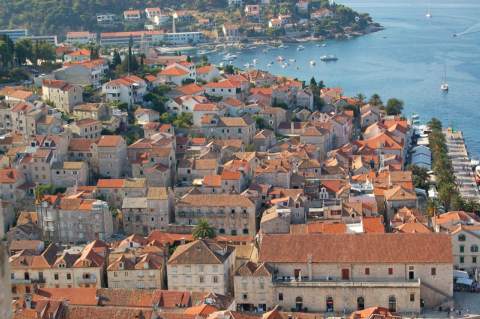
Croatia rperucho · Pixabay
Croatia ValterM · Pixabay
Croatia rperucho · Pixabay

Sightseeing

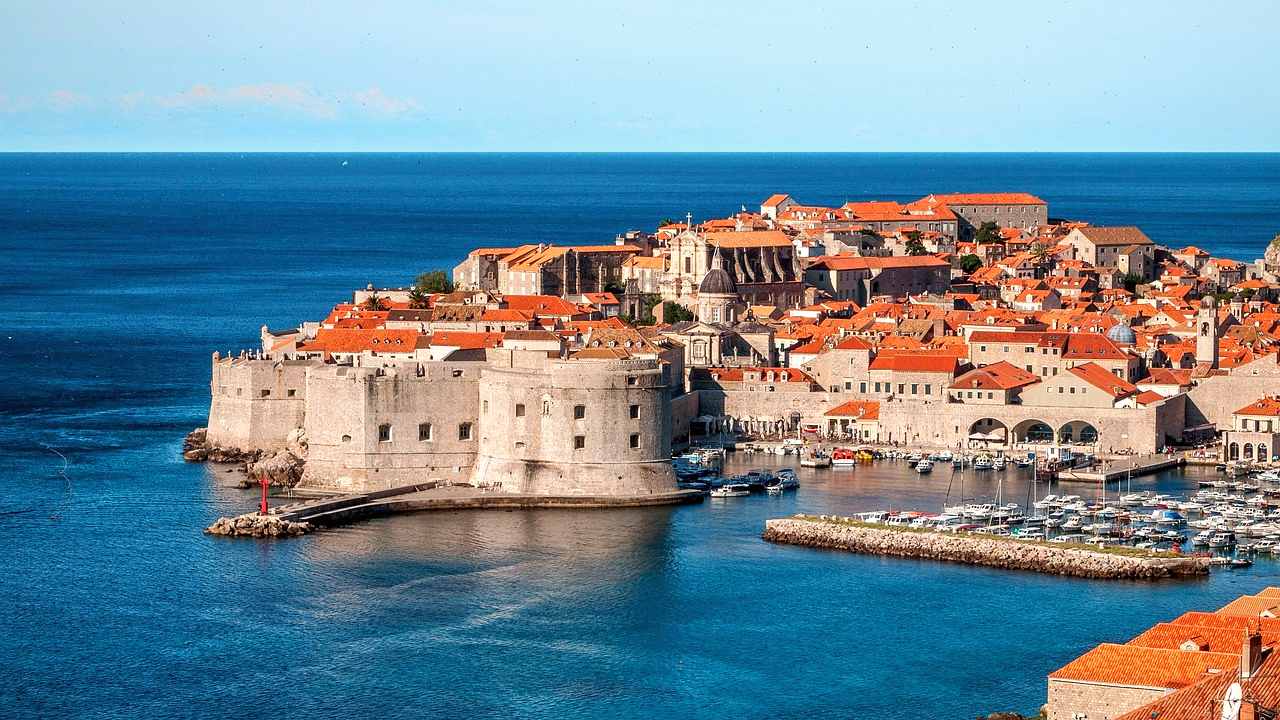
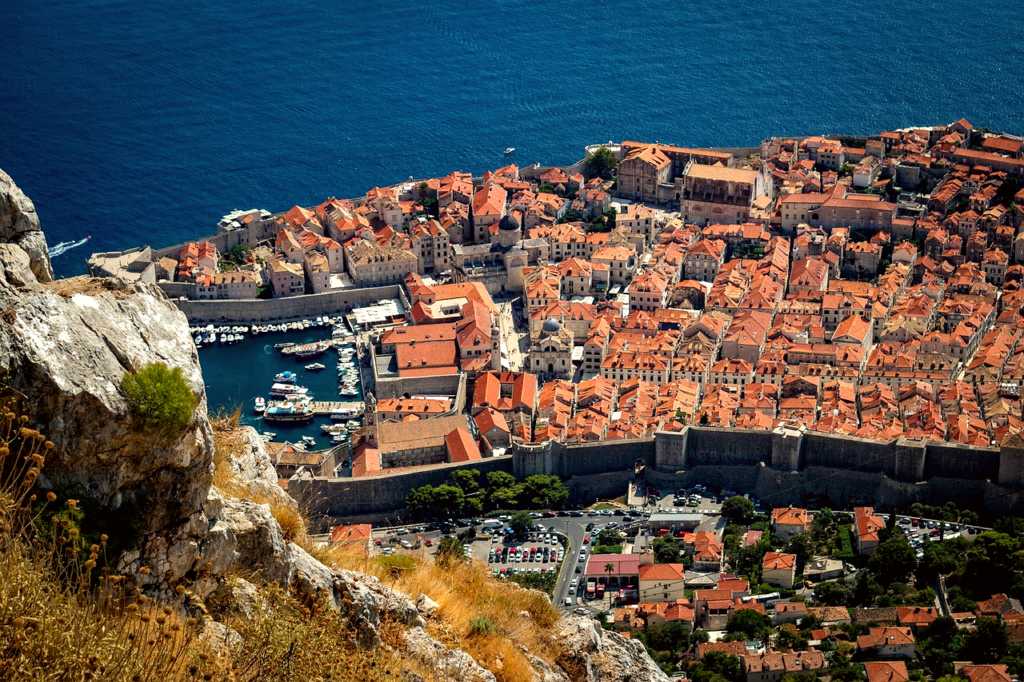
Dubrovnik: iconic medieval city with stunning architecture
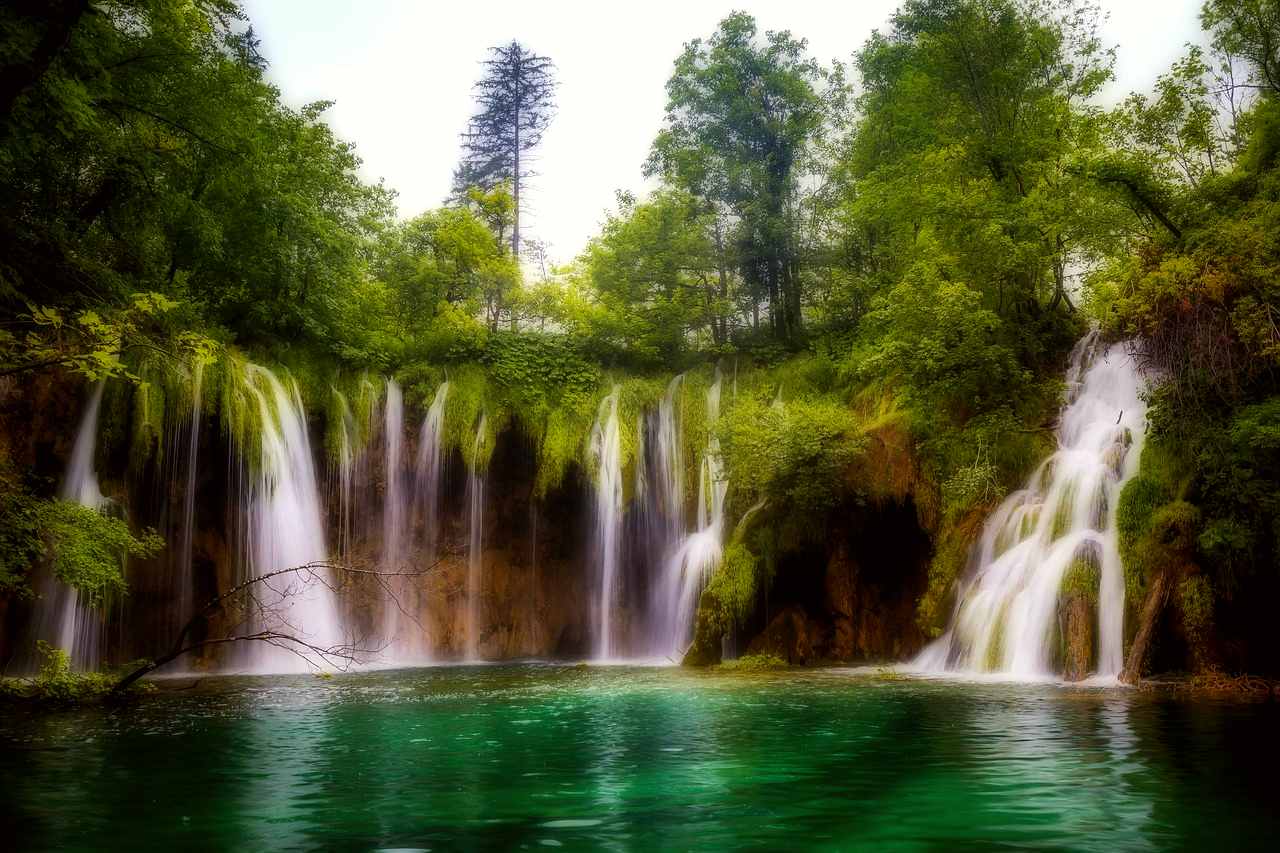
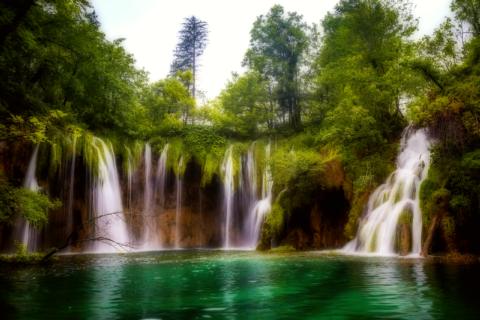
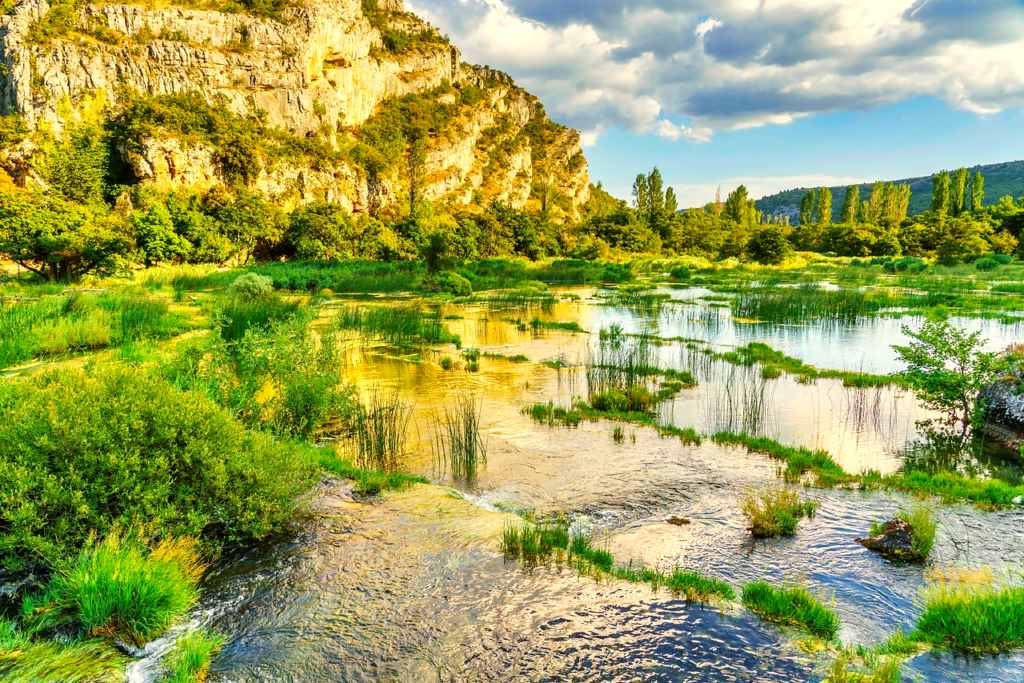
Plitvice Lakes National Park: breathtaking waterfalls and lakes
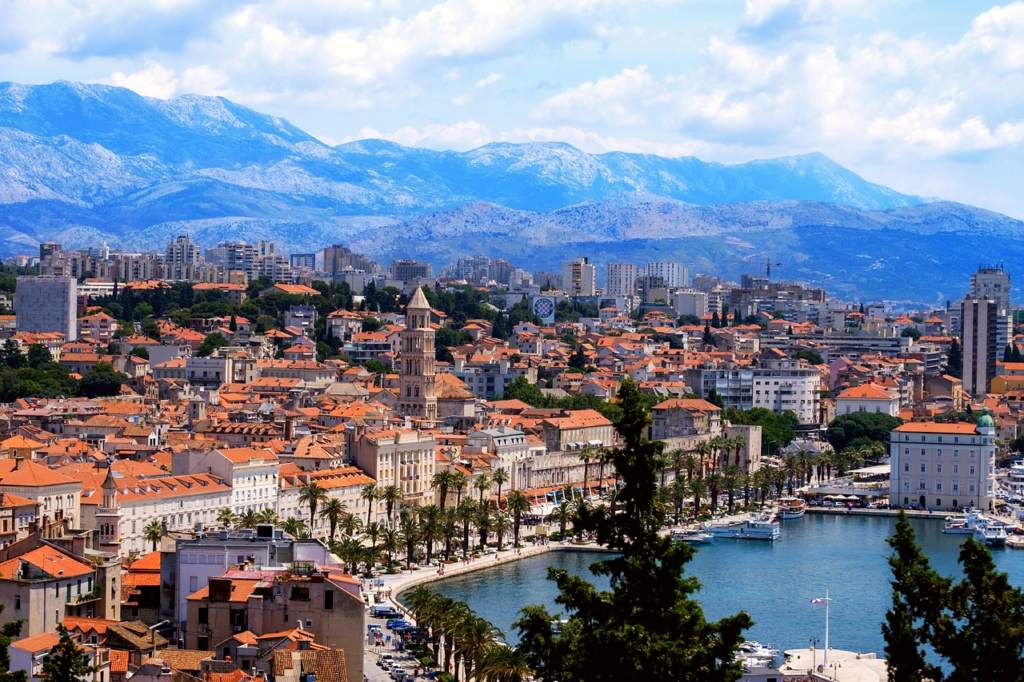
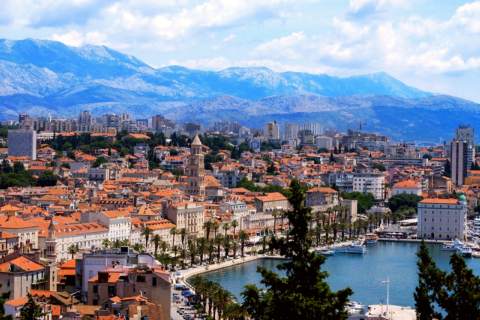
Split: ancient Roman ruins and vibrant waterfront
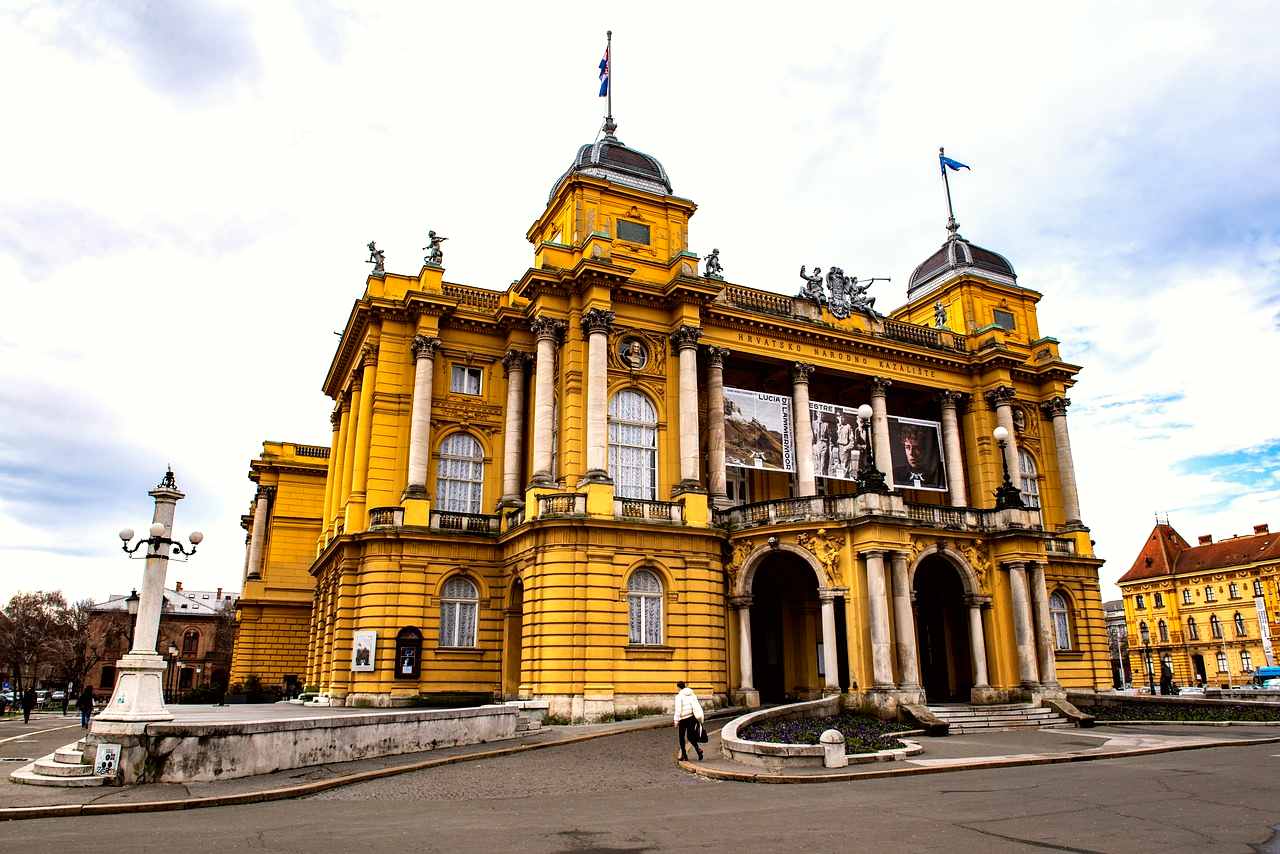
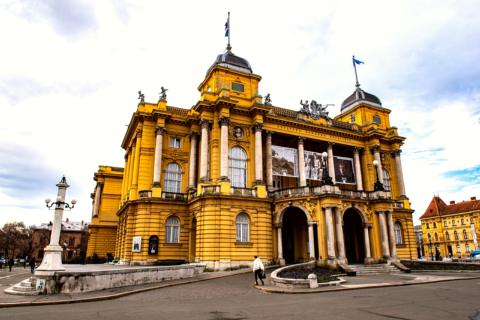
Zagreb: Croatia's capital with a charming old town
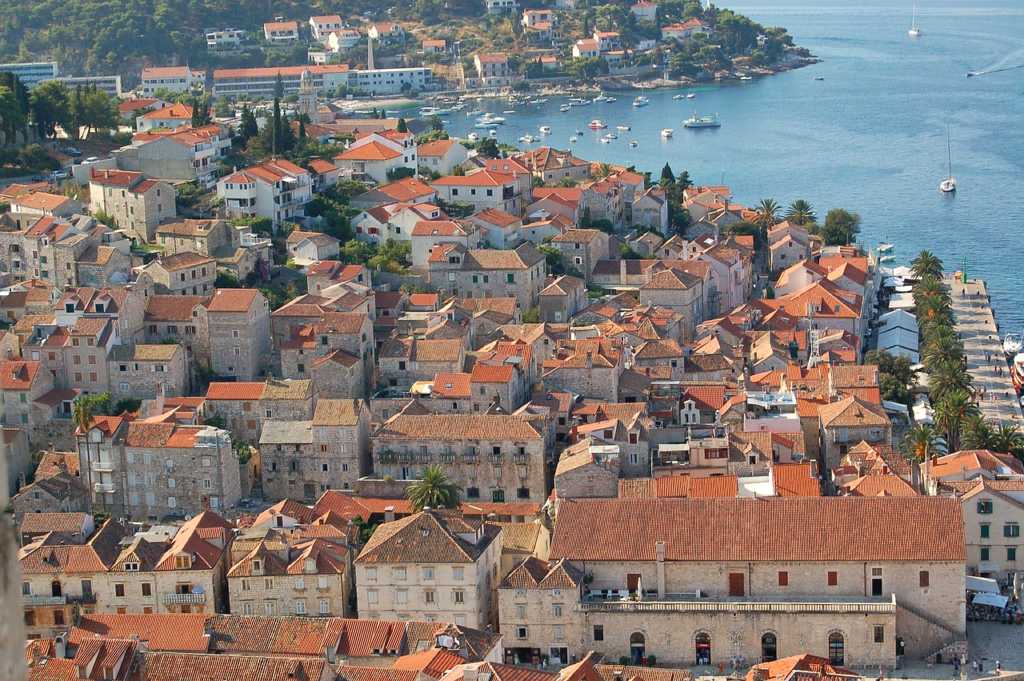
Hvar: beautiful island known for its nightlife
Rovinj: picturesque coastal town with Venetian influence
Korčula: birthplace of Marco Polo, rich in history
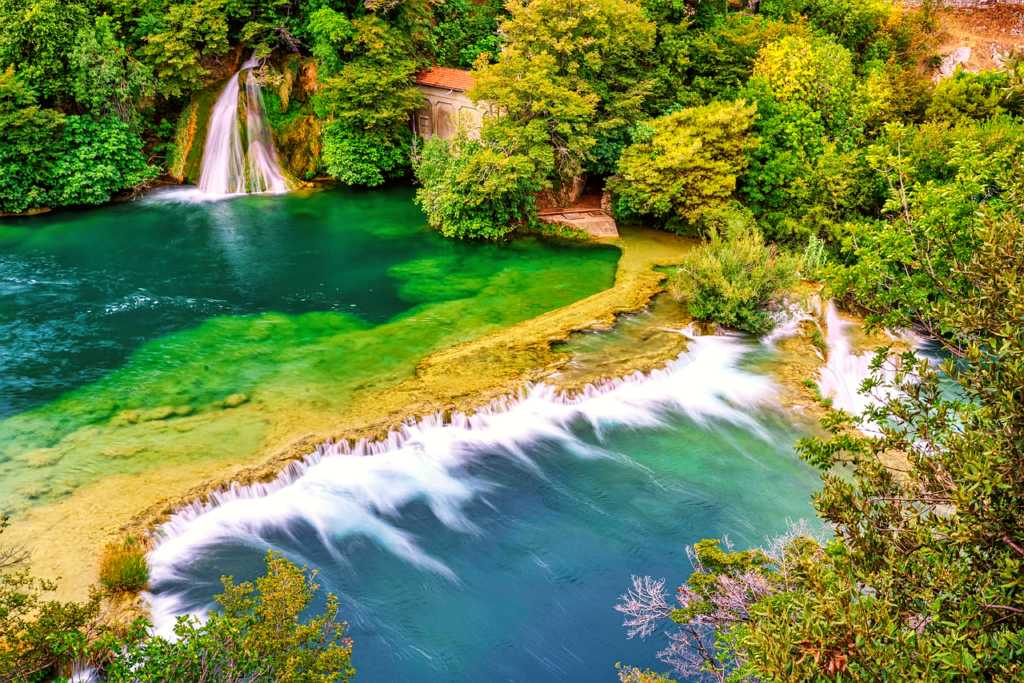
Krka National Park: stunning waterfalls and natural beauty

"Discover the beauty of the Adriatic"Croatia

Things to do

Explore the Old Town of Dubrovnik: walk the city walls
Swim in the crystal-clear waters of the Adriatic: enjoy beach days
Hike in Plitvice Lakes: discover stunning trails and views
Visit local markets: taste fresh produce and local delicacies
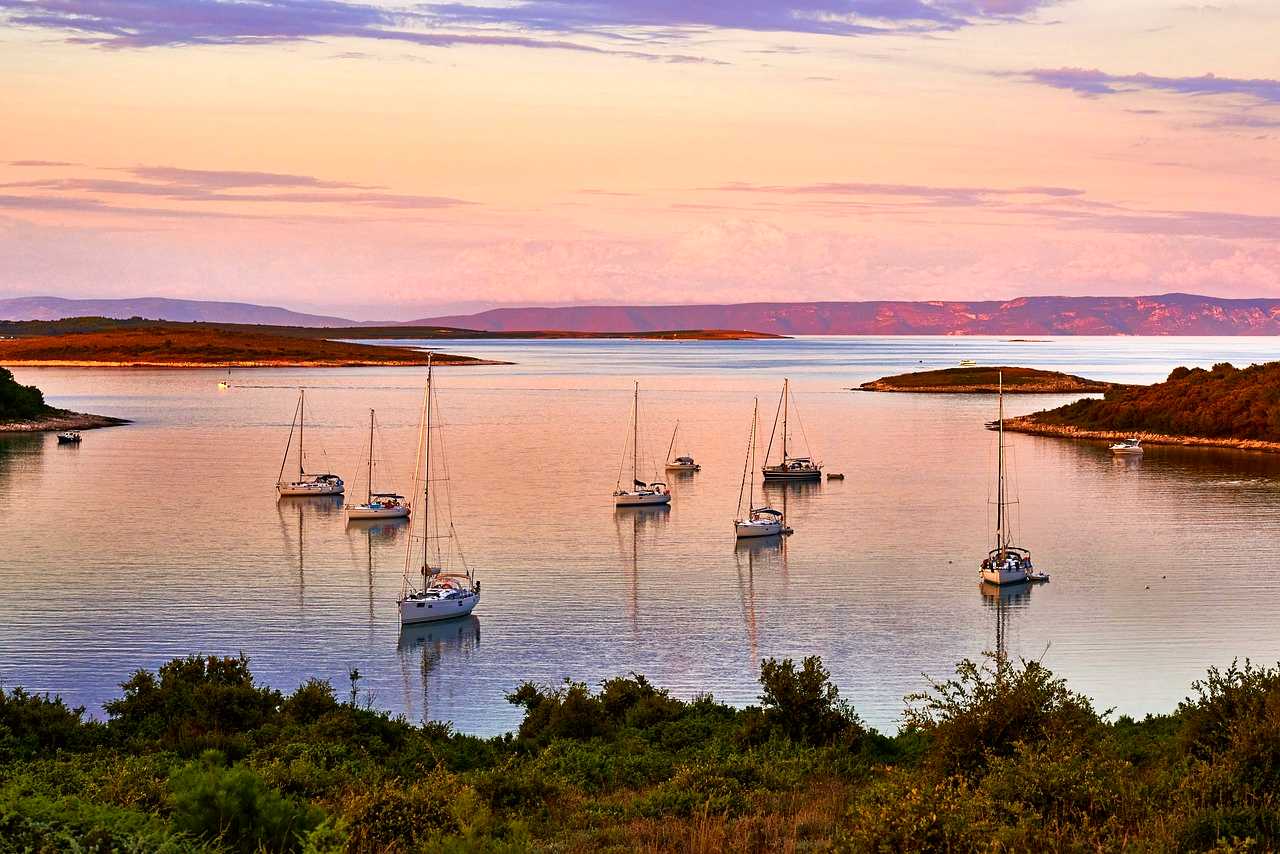
Take a boat tour: explore nearby islands and hidden coves
Attend a local festival: experience Croatian culture and traditions

Local food and drinks

Peka: slow-cooked meat and vegetables, best enjoyed in local konobas
Pašticada: marinated beef stew, a Dalmatian specialty
Soparnik: savory pie filled with Swiss chard, traditional from the region of Poljica
Fritule: sweet doughnuts, popular during festive seasons
Rakija: strong fruit brandy, often served as a welcome drink
Istrian olive oil: renowned for its quality, try it with bread

Local traditions

Dubrovnik Summer Festival: celebrating arts and culture
Sinjska Alka: traditional knight's tournament held annually
Festa sv. Vlaha: honoring the patron saint of Dubrovnik
Carnival in Rijeka: vibrant parades and festivities
Harvest festivals: celebrating local produce and traditions

Do's and don'ts

Try local wines: Croatia has excellent vineyards
Learn a few Croatian phrases: locals appreciate the effort
Respect nature: follow guidelines in national parks
Participate in local traditions: immerse yourself in culture
Support local businesses: shop at markets and small shops
Don't engage in political discussions: can be sensitive
Don't swim in restricted areas: follow safety signs
Don't assume everyone speaks English: be patient
Don't litter: keep the environment clean
Don't rush through historical sites: take your time to appreciate them

Explore the history of Poreč

The Euphrasian Basilica in Poreč is a UNESCO World Heritage site, known for its stunning mosaics and intricate architecture. The basilica dates back to the 6th century and offers a glimpse into early Christian art. Visitors can wander through the quadriportico, a beautiful courtyard that enhances the serene atmosphere. Keep in mind that the site can get busy during summer months, so an early morning visit is ideal for a quieter experience. Don't forget to explore the charming streets of Poreč afterward, where you can find local shops and cafes.

Step back in time at Pula's amphitheater

Pula's Roman amphitheater is one of the best-preserved structures of its kind in the world. Built in the 1st century AD, it once hosted gladiator games and now serves as a venue for concerts and events. The arena can accommodate up to 5,000 spectators, making it a remarkable sight. Plan your visit during the evening for a chance to see it illuminated, but be prepared for crowds during the summer festival season. Nearby, you can find a variety of restaurants serving fresh seafood, perfect for a post-visit meal.

Discover the tranquility of Brijuni National Park

Brijuni National Park is an archipelago off the coast of Istria, known for its lush landscapes and ancient olive trees. One of the oldest olive trees on the island is over 1,600 years old, a testament to the region's agricultural history. You can explore the park by bike or take a guided tour to learn about its diverse flora and fauna. Keep in mind that ferry schedules can vary, so check in advance to plan your trip. The park offers a peaceful escape from the busier tourist spots, making it a great place to unwind.

Practical

At a glance

Population
4.100.000
Best time
May to September
Accessibility
Many cities have accessible options, but some areas are challenging.
Price level
Mid-range

Basic information

Capital: Zagreb
Language: Croatian
Currency: Croatian Kuna
Best time to visit: May to September

Travel information

Fly into major airports like Zagreb or Dubrovnik: both are well-connected to Europe. Use buses or rental cars for easy travel between cities: roads are generally good, but be aware of tolls on highways. Public transport is reliable in cities: trams and buses are frequent. Credit cards are widely accepted, but cash may be needed in rural areas or for small purchases. Mobile connectivity is good, with Wi-Fi available in most urban areas and many cafes.

Things to know

Expect higher prices in tourist hotspots like Dubrovnik and Split: budget accordingly.
Be cautious of pickpockets in crowded areas such as markets and public transport: keep belongings secure.
Some attractions may have limited hours, especially in the off-season: check in advance.
Tipping is appreciated but not mandatory: rounding up bills is common.
Respect local customs and dress codes, particularly in religious sites like St.
Mark's Church in Zagreb.
history_eduHistoryexpand_more

Croatia's history is marked by a rich tapestry of influences, from the Roman Empire to the Austro-Hungarian rule. The country declared independence from Yugoslavia in 1991, leading to a tumultuous war that shaped its modern identity.

Today, Croatia is a member of the European Union and has become a popular tourist destination, known for its stunning coastline and cultural heritage. The blend of historical sites and natural beauty continues to attract visitors from around the globe.

Photo: fjaka · Pixabay Content License · Pixabay

Photo credits (3)