search
search
add New trip
Split

Split

calendar_monthApr–Jun, Sep–Octbest time schedule3 daysplan for directions_car4 h 35from Zagreb child_careYeswith kids confirmation_numberMid-rangeprice
SplitYour own route Plan a trip here →

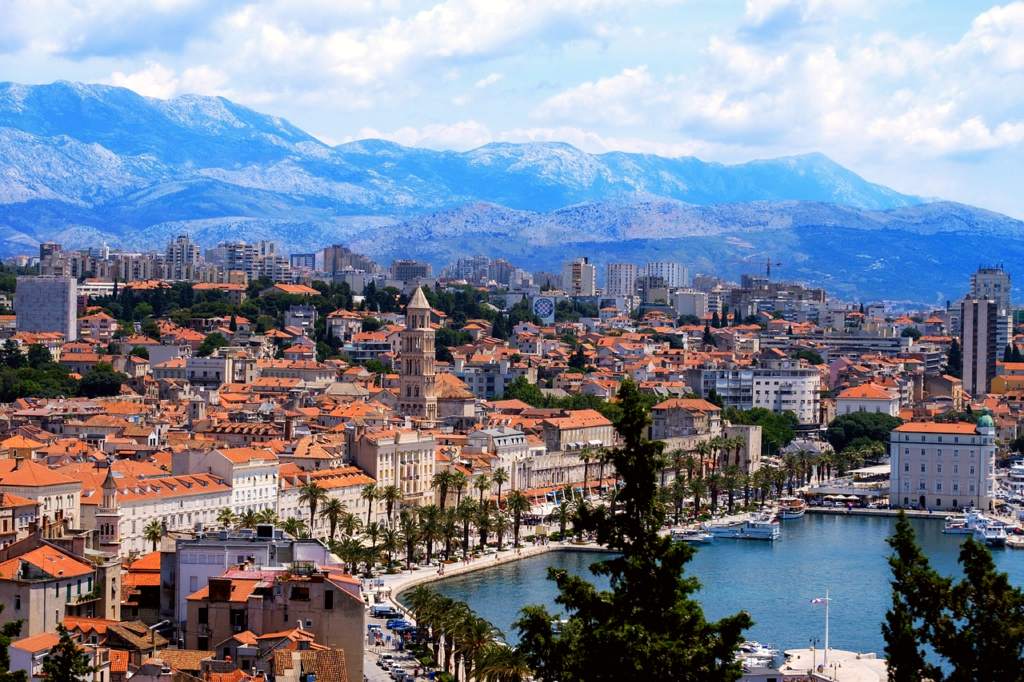
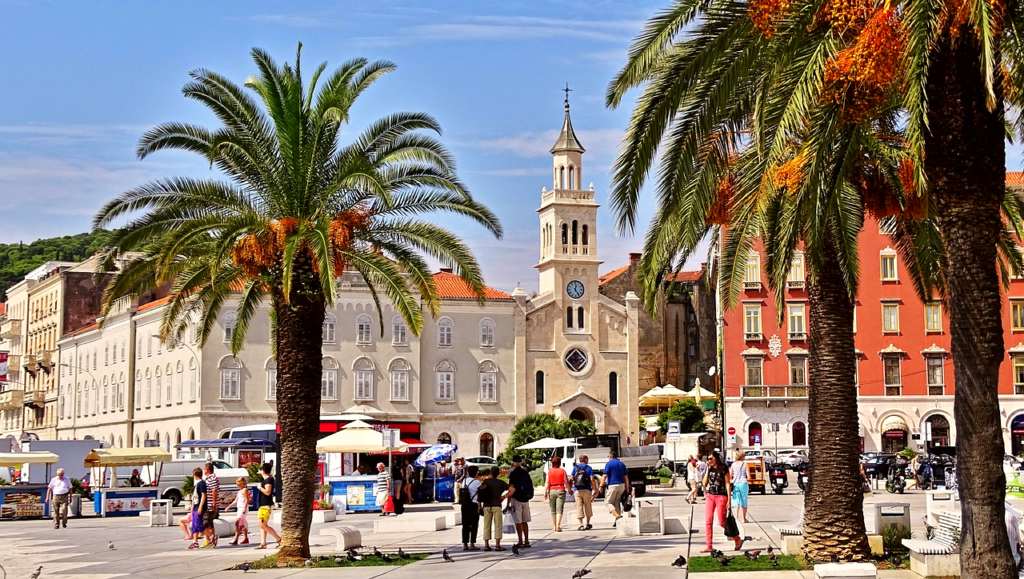
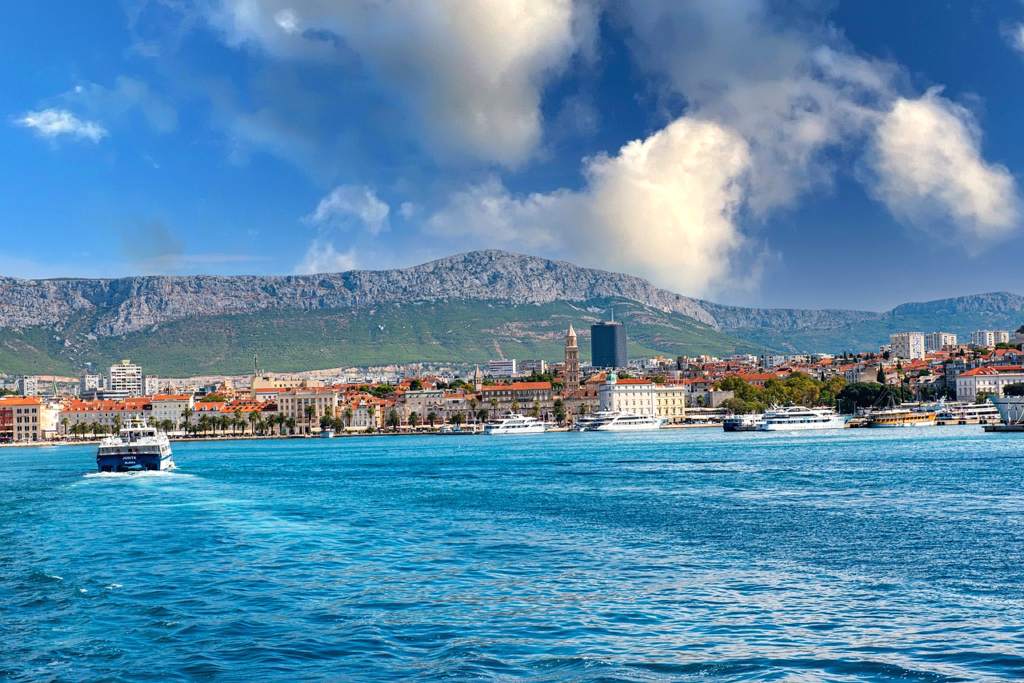
Split is a vibrant coastal city that beautifully blends ancient history with modern life. Strolling through its bustling streets, you will find a lively atmosphere filled with cafes, shops, and the stunning backdrop of the Adriatic Sea.

Sightseeing

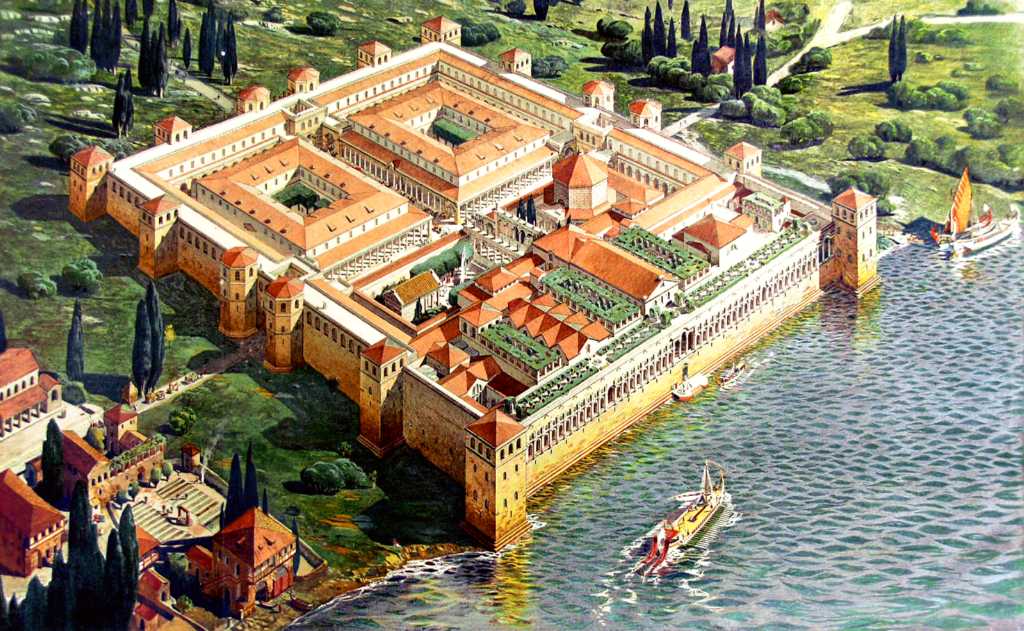
Diocletian's Palace: a remarkable Roman ruin and UNESCO site
Riva: the bustling waterfront promenade perfect for people-watching
Cathedral of Saint Domnius: a stunning cathedral with a bell tower offering panoramic views
Marjan Hill: a scenic park ideal for hiking and views of the city
Peristyle: the grand courtyard of Diocletian's Palace, often hosting performances
Bacvice Beach: a popular sandy beach known for its vibrant atmosphere
City Museum: showcasing Split's rich history and culture
Vestibule: an impressive entrance hall of the palace with unique acoustics

"Where history meets the sea"Split

Things to do

Explore Diocletian's Palace: walk through its ancient halls and streets.
Hike Marjan Hill: enjoy nature and views of the city and sea.
Relax at Bačvice Beach: swim in the shallow waters and enjoy the sandy shore.
Visit local markets: check out Pazar for fresh produce and Ribarnica for seafood.
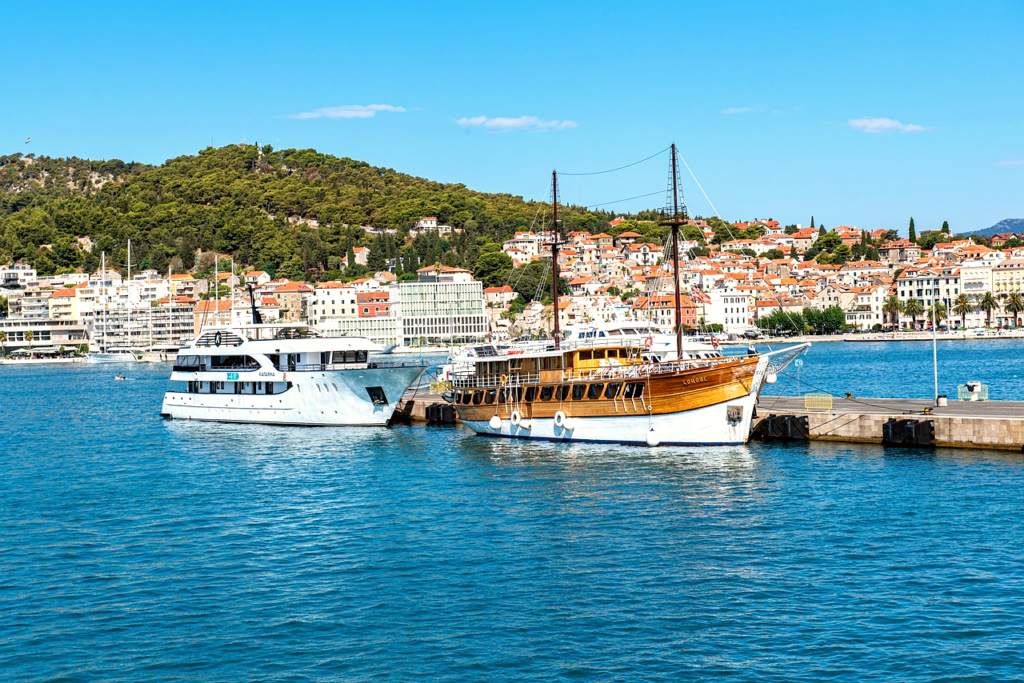
Take a boat trip: ferries to nearby islands like Hvar and Brač leave from the harbor.
Local food and drinks - Split

Local food and drinks

Peka: a traditional dish of meat and vegetables cooked under a bell
Soparnik: a savory pie filled with Swiss chard and onions
Fritule: small doughnuts often enjoyed during festivals
Local wines: try Plavac Mali, a robust red wine
Konoba Matejuska: a popular spot for fresh seafood
Local traditions - Split

Local traditions

Split Summer Festival: a cultural festival featuring music and theater
Feast of Saint Domnius: a local celebration with processions and events
Marjan Day: a day dedicated to the preservation of the Marjan Park
Carnival: a lively celebration with parades and costumes

Do's and don'ts

Visit local markets for authentic experiences
Try traditional dishes at family-run restaurants
Explore the narrow streets of the old town
Take a day trip to nearby islands
Don't miss the sunset at the Riva
Don't rush through Diocletian's Palace, take your time
Don't ignore local customs and etiquette
Don't rely solely on taxis, explore on foot
info_outlinePracticalexpand_more
Since: Founded around 305 AD
Population: 180.000

About Split

The heart of Split is the UNESCO-listed Diocletian's Palace, where ancient Roman architecture meets contemporary culture. Visitors can enjoy the lively Riva promenade, local markets, and a rich array of cultural events throughout the year.

Things to know

Be cautious of tourist traps near Diocletian's Palace, where prices can be inflated.
Public transport can be limited, so consider walking or renting a bike.
Pickpocketing can occur in crowded areas, stay vigilant.
Summer months can be very crowded, especially in July and August, so plan visits to popular sites early.

Good to know

Accessibility: The city has some accessible areas but many steep streets.
Price level: mid-range
history_eduHistoryexpand_more
History - Split

Split's history dates back to the Roman Empire, when Emperor Diocletian built his retirement palace here around 305 AD. The palace remains a central part of the city, showcasing Roman architecture and urban planning that has influenced Split's development over centuries.

Over time, Split evolved from a Roman settlement into a significant medieval city, facing various rulers and cultural influences. Today, it stands as a testament to its rich past while embracing modernity, making it a unique destination for travelers.

Photo: Wikipedia / Wikimedia Commons