search
search
add New trip
Zagreb

Zagreb

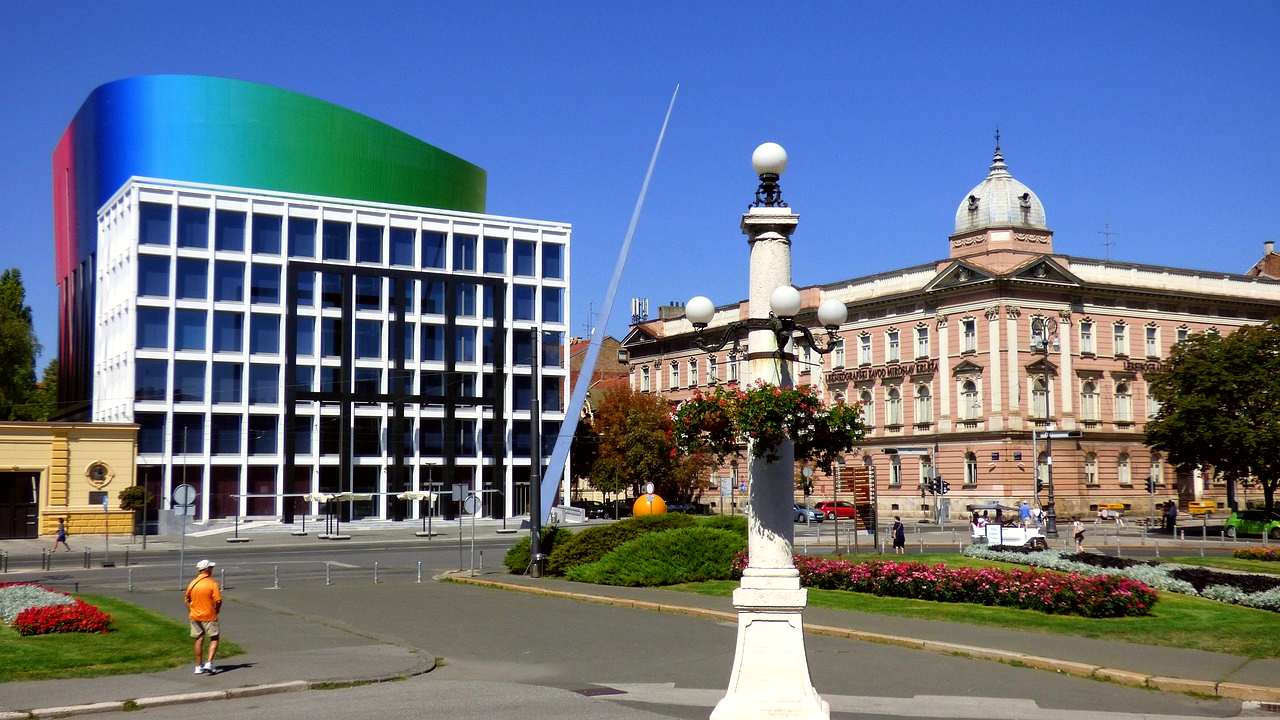
FilipFilipovic · Pixabay
calendar_monthApr–May, Sep–Octbest time schedule3 daysplan for child_careYeswith kids confirmation_numberMid-rangeprice
ZagrebYour own route Plan a trip here →

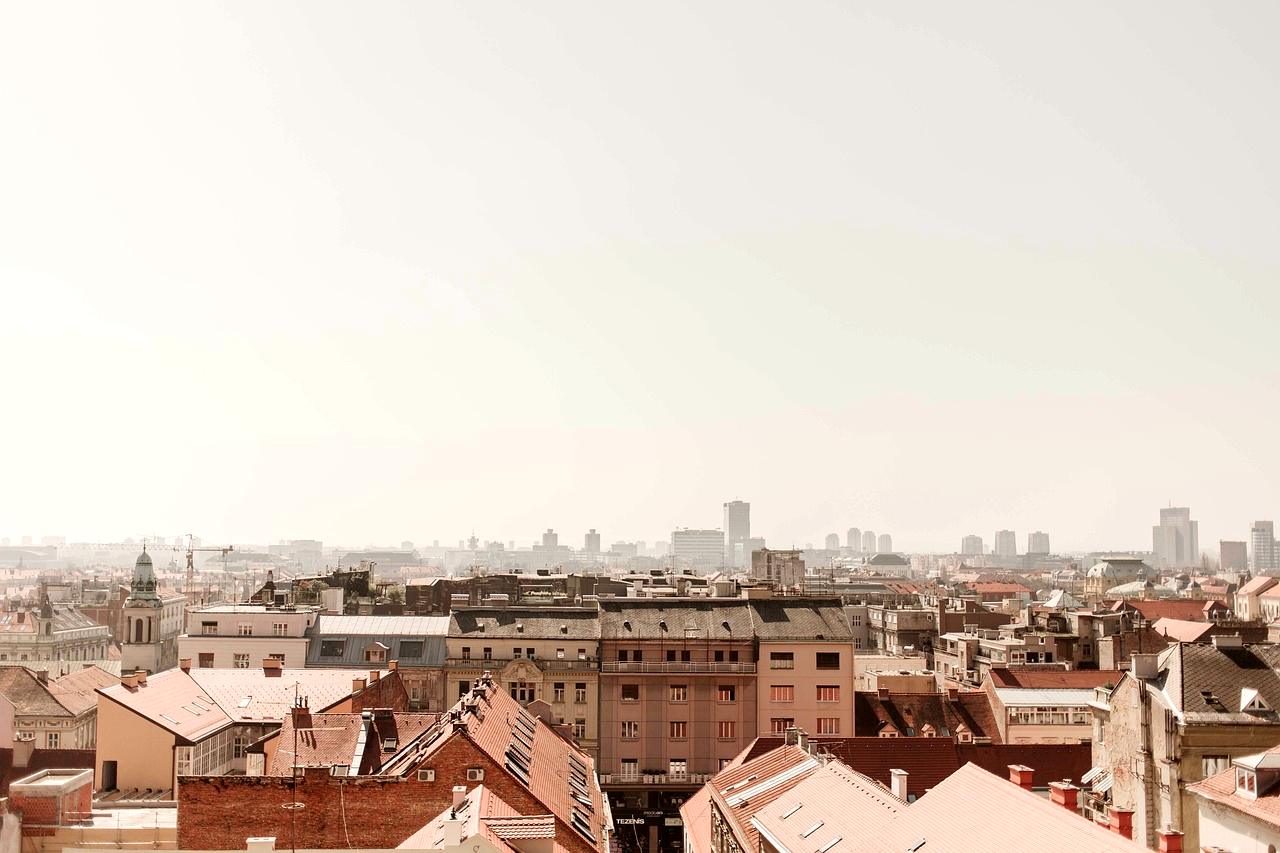
Zagreb, the vibrant capital of Croatia, offers a blend of historical charm and modern energy. Visitors are greeted by a mix of Austro-Hungarian architecture, lively street cafes, and a rich cultural scene that invites exploration.

Read more

Strolling through its cobbled streets, you will discover a city that feels both intimate and cosmopolitan. The warmth of the locals adds to the experience, making it easy to feel at home while enjoying the unique atmosphere of this European gem.

Routes through here

Every route opens in the planner as your own copy: change any stop, any night.

In pictures

Zagreb MsErinEast · Pixabay
Zagreb ArvidO · Pixabay

Sightseeing

Ban Jelačić Square: the bustling heart of the city
St. Mark's Church: known for its colorful tiled roof
Zagreb Cathedral: a stunning example of Gothic architecture
Museum of Broken Relationships: a unique and emotional exhibit
Upper Town: historic district with charming streets and views
Mirogoj Cemetery: beautiful park-like cemetery with impressive architecture
Zagreb 360°: panoramic views of the city from above
Dolac Market: vibrant market showcasing local produce

"A blend of history and modernity"Zagreb

Things to do

Explore the Upper Town: wander through historic streets and visit St.
Mark's Church.
Visit museums: discover art and history at the Museum of Broken Relationships and the Croatian Museum of Naive Art.
Enjoy local coffee: relax in one of the many cafes like Cafe de Matoš.
Take a tram ride: experience the city's public transport system on tram line 6.
Attend a concert: enjoy live music at Vatroslav Lisinski Concert Hall.

Local food and drinks

Štrukli: a traditional baked or boiled pastry
Peka: a slow-cooked dish under a bell-like lid
Rakija: a strong fruit brandy, popular in Croatia
Tkalčićeva Street: lined with restaurants and bars
Zagreb's street food: try local specialties at food stalls

Local traditions

Advent in Zagreb: festive Christmas markets and events
Zagreb Film Festival: showcasing local and international films
Cultural events: numerous festivals throughout the year
Local customs: enjoy coffee culture and social gatherings

Do's and don'ts

Visit local markets for authentic experiences
Try traditional dishes at local restaurants
Engage with locals to learn about their culture
Explore beyond the main tourist areas for hidden gems
Don't rush through the city; take your time
Don't ignore local customs, especially in cafes
Don't rely solely on English; learn a few Croatian phrases
Don't miss out on trying street food

Experience Zagreb's cultural heartbeat

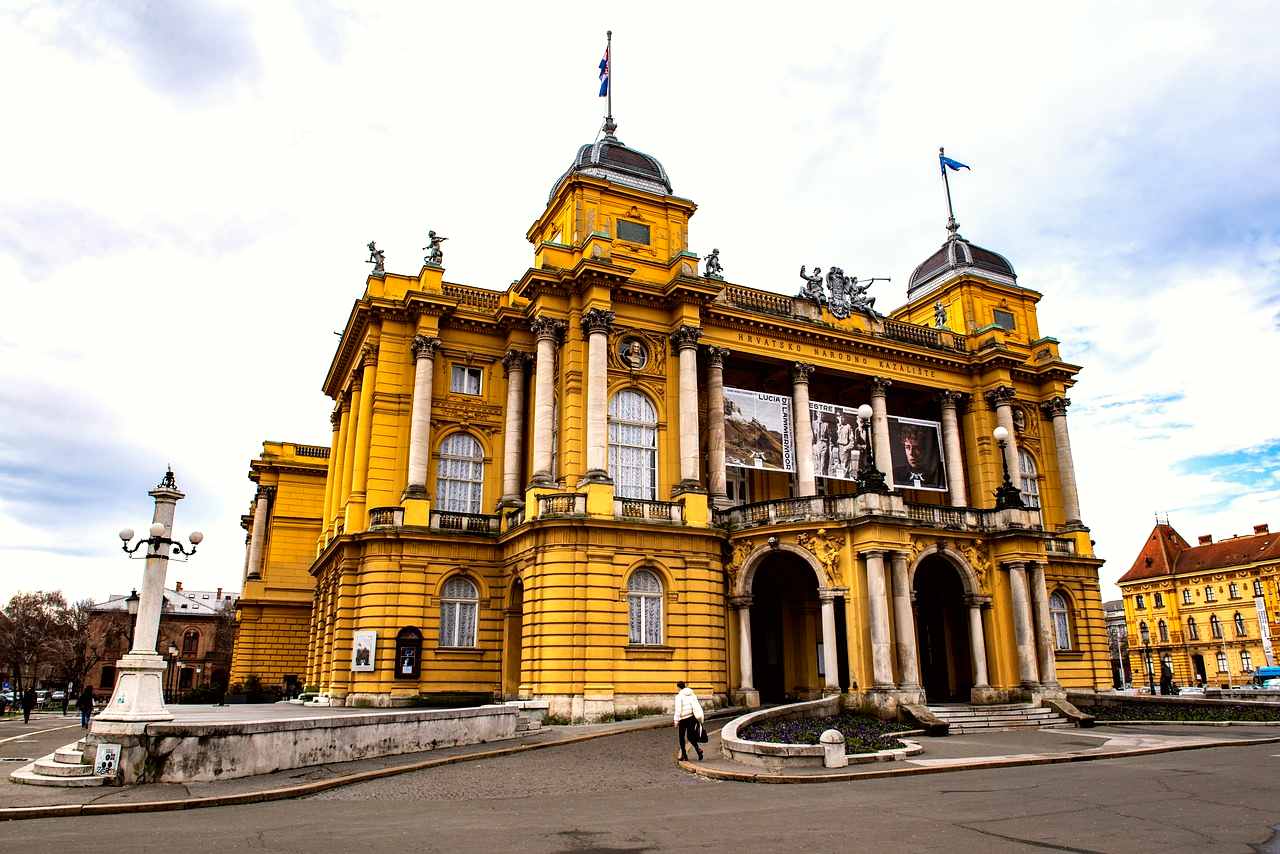
The Croatian National Theatre stands as a testament to the city's artistic spirit. Its ornate facade and golden dome are striking, but the real magic happens inside. Catch a ballet, opera, or drama performance to immerse yourself in local culture. Tickets are reasonably priced, often starting around 10 euros. Arrive early to enjoy a drink at the nearby café and soak in the atmosphere. Just be aware that performances can sell out quickly, so booking in advance is wise.

A quick ride with a view

The Zagreb Funicular offers a unique way to ascend to the Upper Town. This short ride, lasting just a minute, provides a glimpse of the city’s charm from above. The funicular connects the Lower Town to the Upper Town, where you can explore historic sites like St. Mark's Church. A ticket costs around 5 kuna, making it an affordable experience. Keep in mind that it can get crowded during peak tourist season, so try visiting early in the day.

Art and history in one place

The Mimara Museum houses an impressive collection of art and artifacts, including works by masters like Rembrandt and Van Gogh. The museum is located in a grand building that itself is worth a visit. Admission is around 50 kuna, and the quiet atmosphere allows for a leisurely exploration of the exhibits. However, be prepared for limited English descriptions, as not all pieces have translations. Plan your visit on a weekday to avoid larger crowds.

Practical

At a glance

Founded
1094
Population
800.000
Accessibility
The city has some accessible areas but also many steep streets.
Price level
Mid-range

Things to know

Beware of tourist traps in popular areas, especially around major sights.
Public transport is reliable but can be confusing for newcomers.
Pickpocketing can occur in crowded places, so stay vigilant.
Some attractions may have limited hours, especially in winter.
The Tourist Information Centre on Ban Jelačić Square is open Mon-Fri 09:00-20:00 and Sat-Sun 10:00-18:00.
history_eduHistoryexpand_more

Zagreb's history dates back to Roman times, originally established as two settlements, Kaptol and Gradec. Over the centuries, it evolved into a significant cultural and political center, particularly during the Austro-Hungarian Empire.

In the 19th century, Zagreb experienced rapid growth and modernization, becoming the capital of Croatia in 1991 after the country gained independence. Today, it stands as a testament to its rich past while embracing contemporary influences.

Photo: FilipFilipovic · Pixabay Content License · Pixabay

Photo credits (2)