4月–5月, 9月–10月best time
3 天plan for
Yeswith kids
Mid-rangeprice
萨格勒布Your own route
Plan a trip here →
萨格勒布,克罗地亚充满活力的首都,融合了历史魅力和现代活力。游客会被奥匈建筑、热闹的街头咖啡馆和丰富的文化场景所吸引,邀请他们去探索。
Highlights
图片集
Sightseeing
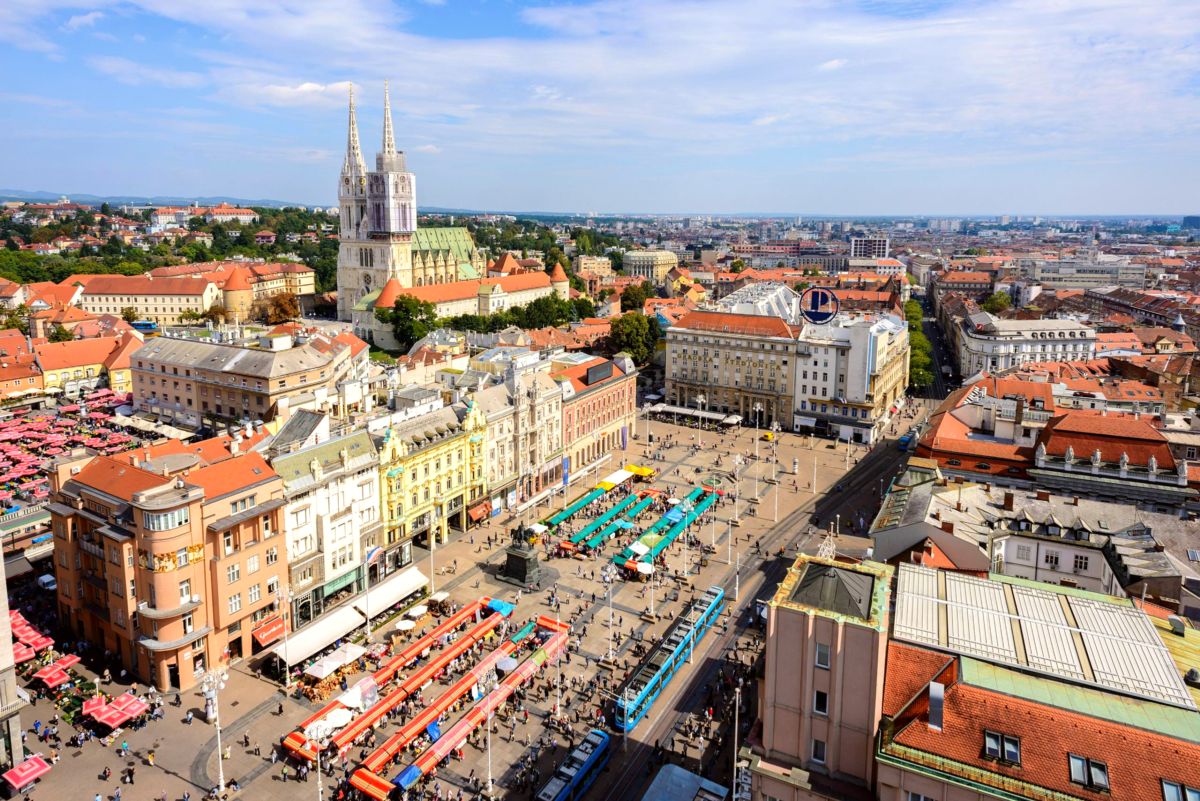
班·耶拉契奇广场:城市的繁忙中心: the bustling heart of the city
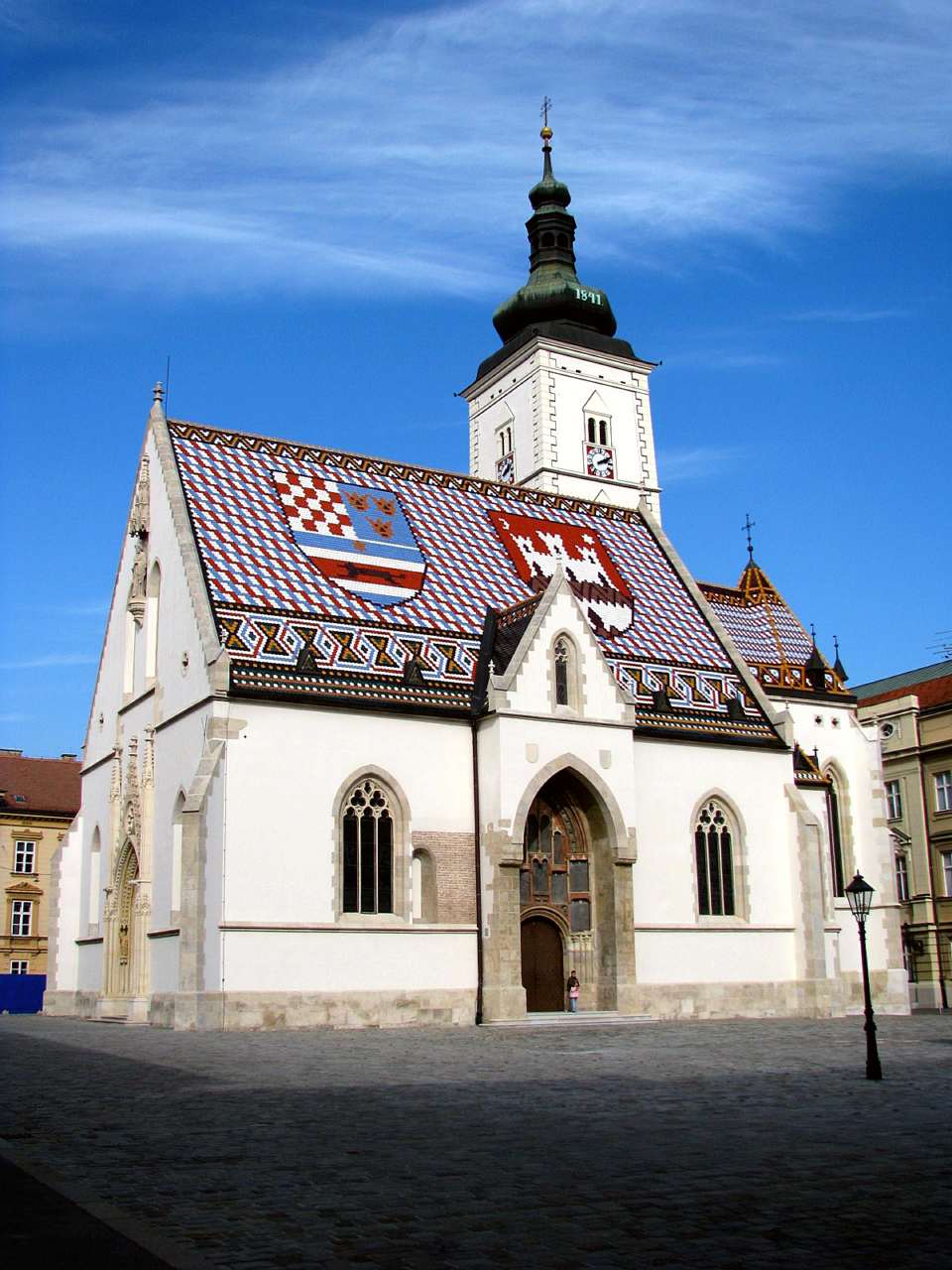
圣马克教堂:以其色彩斑斓的瓷砖屋顶而闻名: known for its colorful tiled roof
萨格勒布大教堂:哥特式建筑的惊艳典范: a stunning example of Gothic architecture
破碎关系博物馆:独特而感人的展览: a unique and emotional exhibit
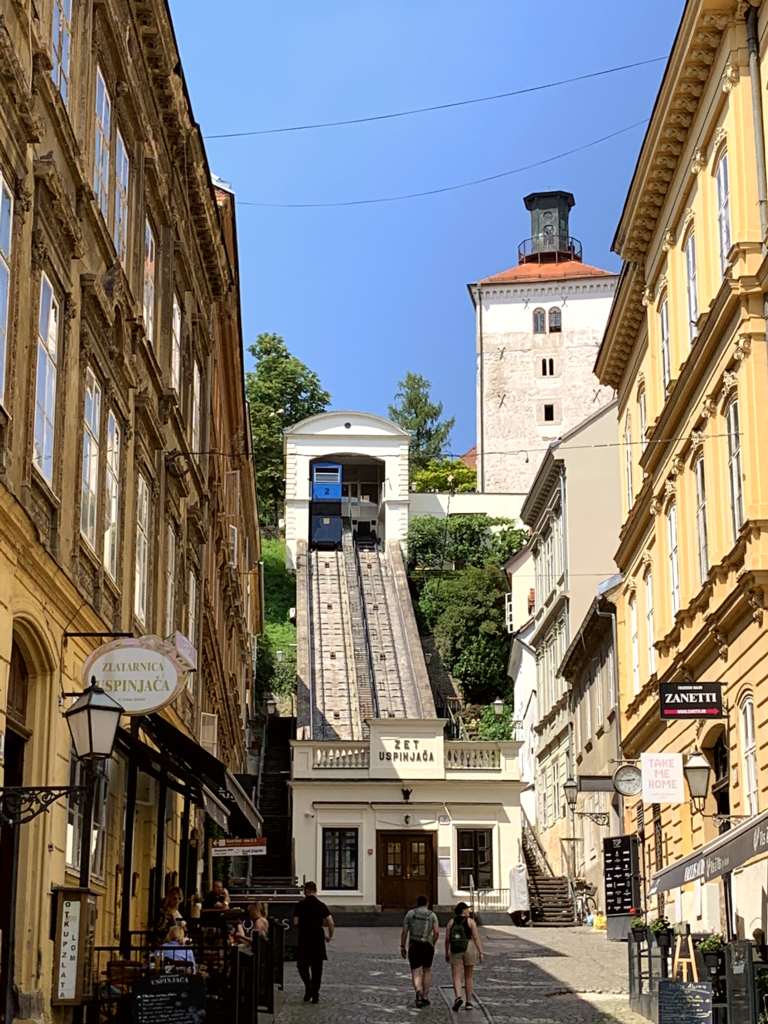
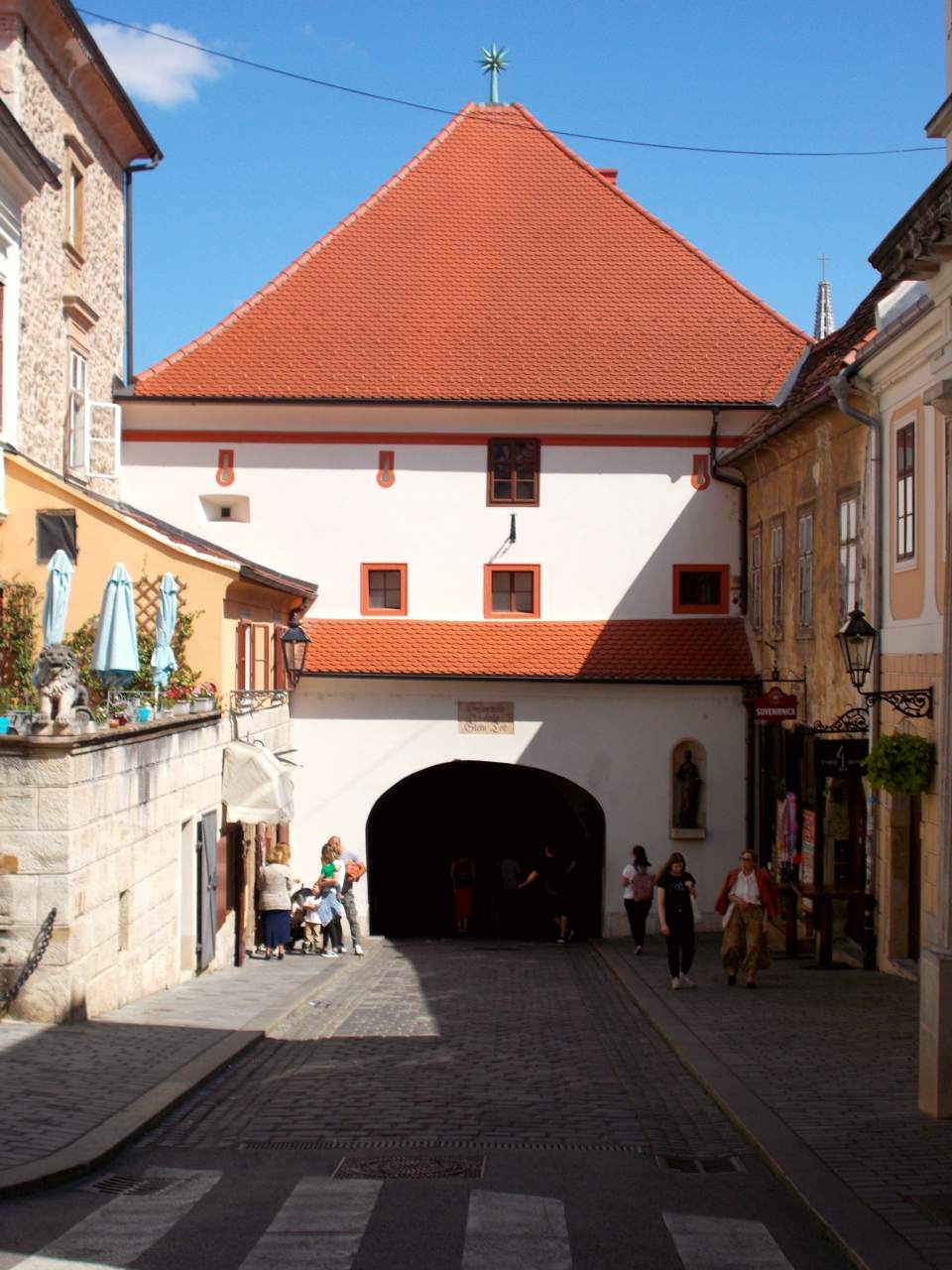
上城:历史悠久的区域,街道迷人,风景优美: historic district with charming streets and views
米罗戈伊公墓:美丽的公园式公墓,建筑令人印象深刻: beautiful park-like cemetery with impressive architecture
萨格勒布360°:从高处俯瞰城市的全景: panoramic views of the city from above
多拉茨市场:展示当地农产品的热闹市场: vibrant market showcasing local produce
值得体验
探索上城:漫步在历史街道上: wander through historic streets
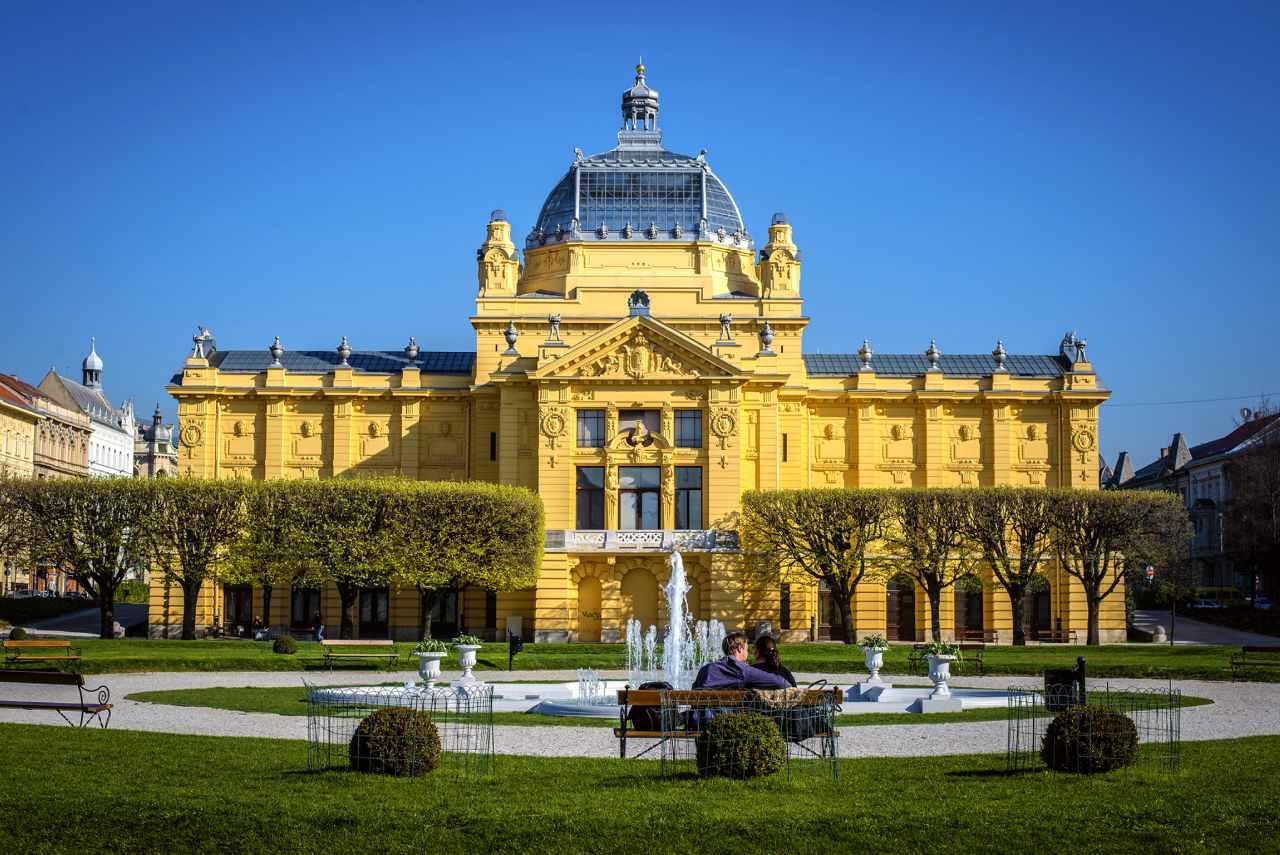
参观博物馆:在各个博物馆中发现艺术和历史: discover art and history in various museums
享受当地咖啡:在众多咖啡馆中放松: relax in one of the many cafes
乘坐电车:体验城市的公共交通系统: experience the city's public transport system
参加音乐会:在当地场馆享受现场音乐: enjoy live music in local venues
当地美食与饮品
Štrukli:一种传统的烤或煮的糕点: a traditional baked or boiled pastry
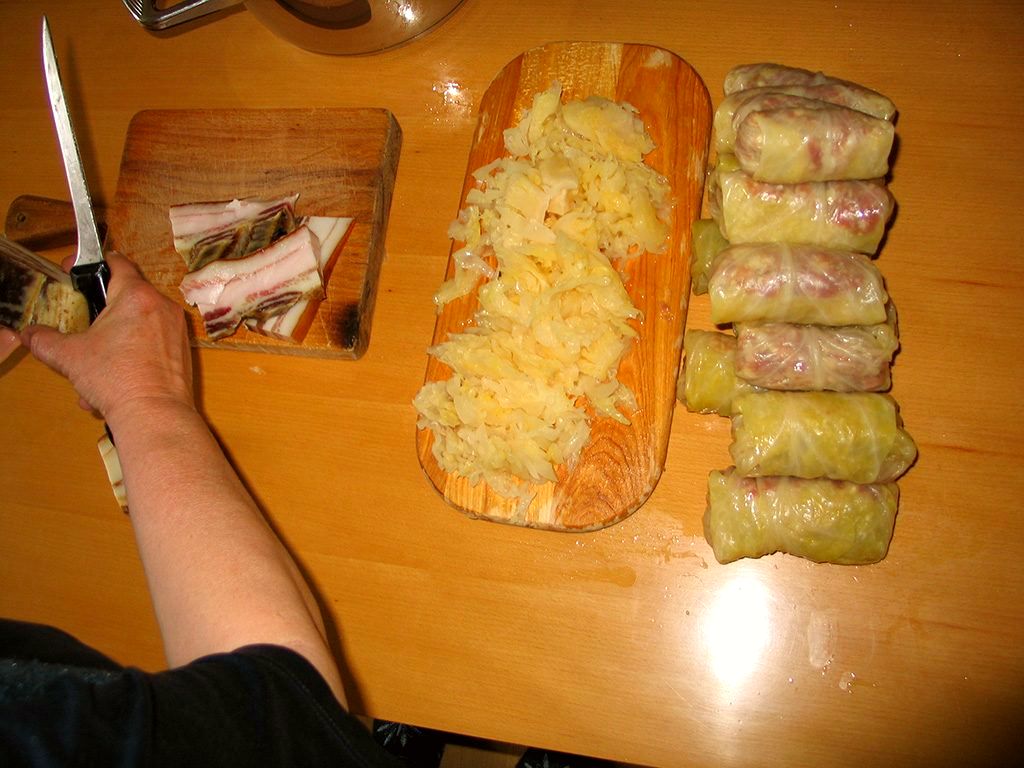
Peka:一种在钟形盖下慢炖的菜肴: a slow-cooked dish under a bell-like lid
Rakija:一种强烈的水果白兰地,在克罗地亚很受欢迎: a strong fruit brandy, popular in Croatia
Tkalčićeva Street:两旁是餐馆和酒吧: lined with restaurants and bars
萨格勒布的街头食品:在食品摊位尝试当地特色: try local specialties at food stalls
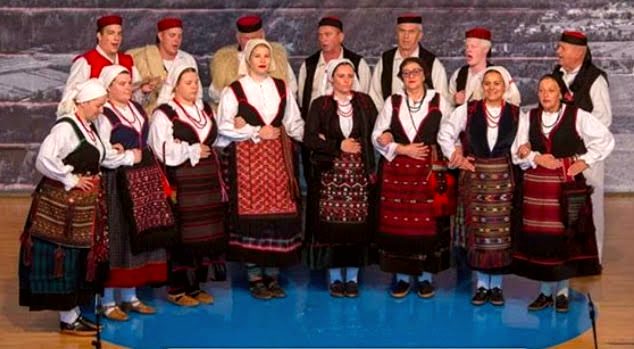
当地传统
萨格勒布的降临节:节日的圣诞市场和活动
萨格勒布电影节:展示本地和国际电影
文化活动:全年有众多节日
当地习俗:享受咖啡文化和社交聚会
宜与忌
参观当地市场,体验真实的生活
在当地餐馆尝试传统菜肴
与当地人交流,了解他们的文化
探索主要旅游区之外的地方,发现隐藏的宝藏
不要匆忙游览城市;慢慢来
不要忽视当地习俗,尤其是在咖啡馆
不要仅仅依赖英语;学几句克罗地亚语
不要错过尝试街头食品
Practical
自: Founded around 1094
人口: 800.000
About 萨格勒布
漫步在鹅卵石街道上,你会发现这座城市既亲密又国际化。当地人的热情让人倍感温暖,使你在享受这颗欧洲明珠独特氛围的同时,感到如同回到家一般。
须知事项
在热门地区,尤其是主要景点附近,要小心旅游陷阱
公共交通可靠,但对新来者可能会有些混乱
在人多的地方可能会发生扒窃,所以要保持警惕
一些景点的开放时间可能有限,尤其是在冬季
值得知道
无障碍:
The city has some accessible areas but also many steep streets.
Price level:
mid-range
历史

萨格勒布的历史可以追溯到罗马时代,最初作为两个定居点Kaptol和Gradec建立。几个世纪以来,它发展成为一个重要的文化和政治中心,特别是在奥匈帝国时期。
在19世纪,萨格勒布经历了快速增长和现代化,1991年在克罗地亚独立后成为该国的首都。今天,它是其丰富历史的见证,同时也融入了现代影响。
照片: Wikipedia / Wikimedia Commons