Kourion
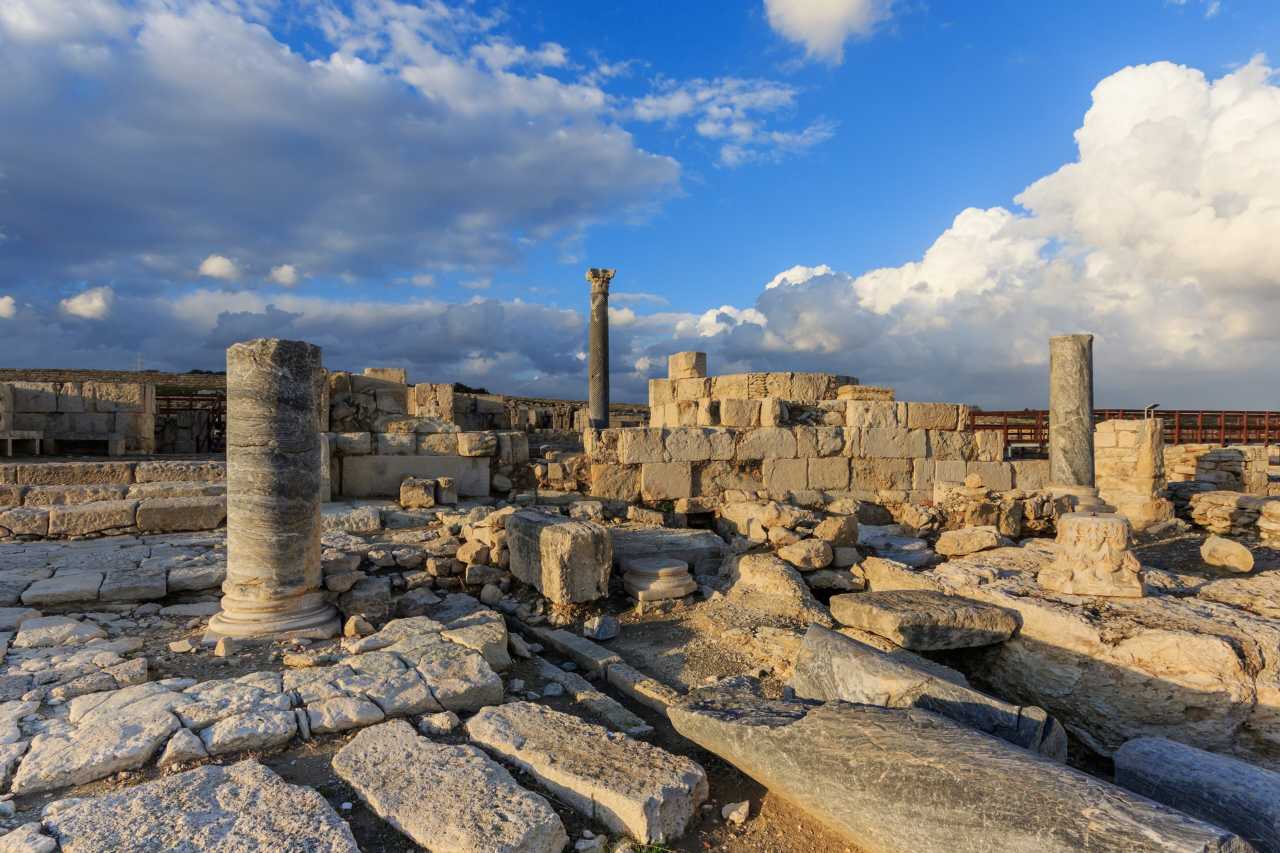
Kourion, perched on the southern coast of Cyprus, offers a captivating blend of ancient history and stunning Mediterranean views. Visitors are often struck by the ruins of this once-thriving city, where the remnants of Greco-Roman architecture tell tales of a vibrant past.
Read more
The atmosphere is serene, with the sound of waves crashing against the cliffs adding to the charm. Exploring Kourion feels like stepping back in time, but be prepared for the heat, especially in summer, which can make wandering the archaeological sites a challenge.
Highlights
House of Eustolios
Famous for its beautiful mosaics
Kourion Archaeological Site
Explore ancient ruins and history
Kourion Beach
Relax by the Mediterranean Sea
Theater of Kourion
Enjoy performances in a historic setting
Sightseeing
Things to do
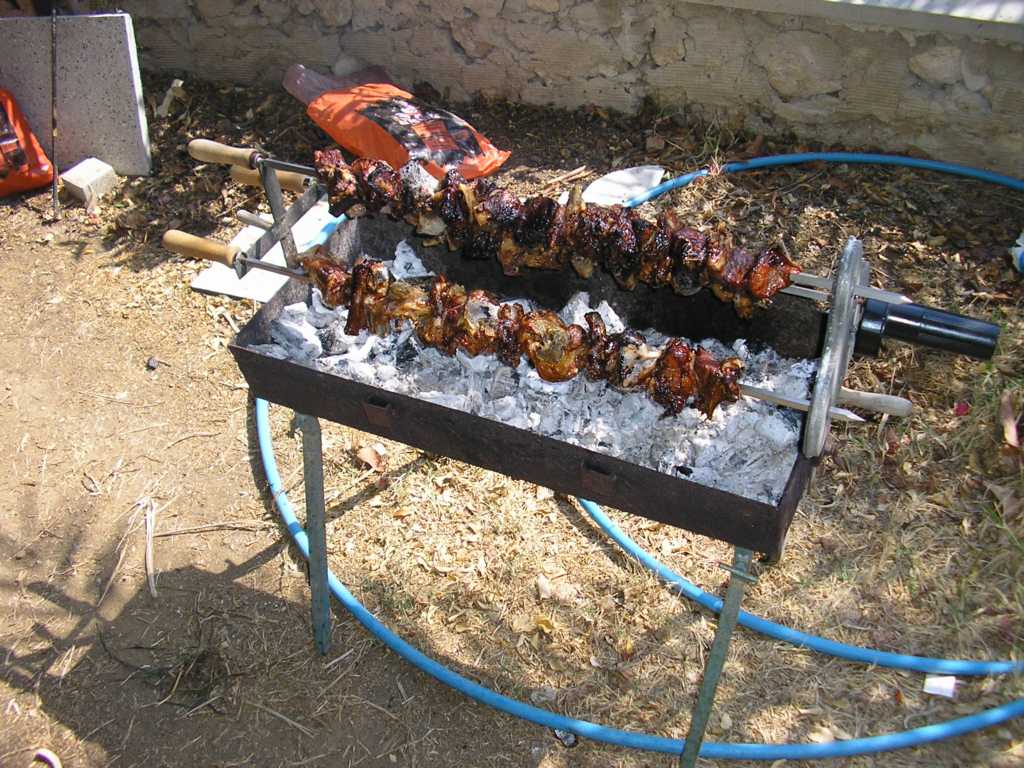
Local food and drinks
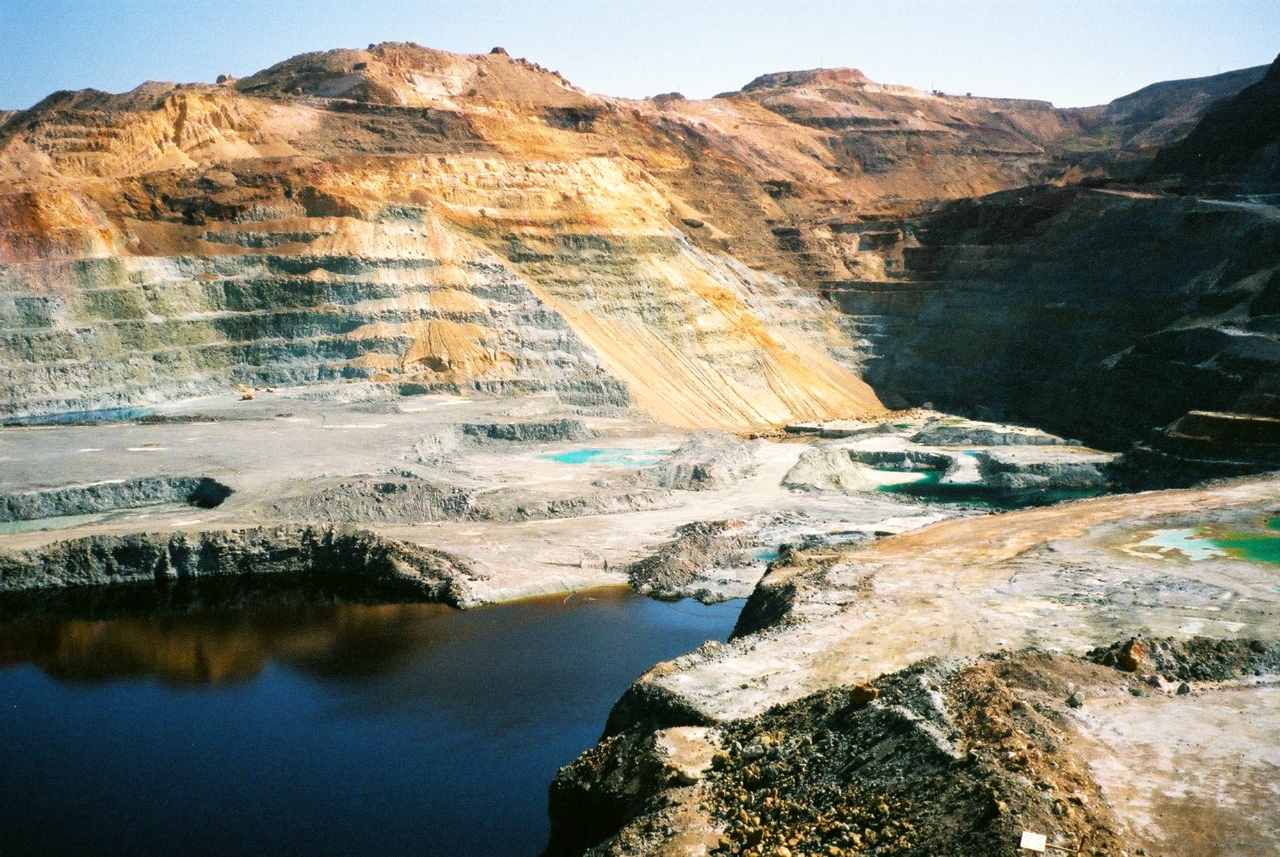
Local traditions
Do's and don'ts
Practical
At a glance
- Founded
- 1200 BC
- Accessibility
- Some areas are accessible, but expect uneven terrain
- Price level
- Mid-range
Things to know
History
Kourion dates back to the 12th century BC and was a significant city-state in ancient Cyprus. It flourished during the Hellenistic and Roman periods, becoming a cultural and economic hub, evidenced by its impressive ruins.
The city faced various invasions and natural disasters, leading to its decline. However, its archaeological significance was recognized in the 19th century, and excavations have since revealed a wealth of artifacts and structures that attract historians and tourists alike.
Photo: Wikipedia / Wikimedia Commons