kiomigo
search
search
add New trip
Nicosia

Nicosia

Population: 200.000 Since: Founded around 3000 BC Price: Mid-range Capital city

Introduction

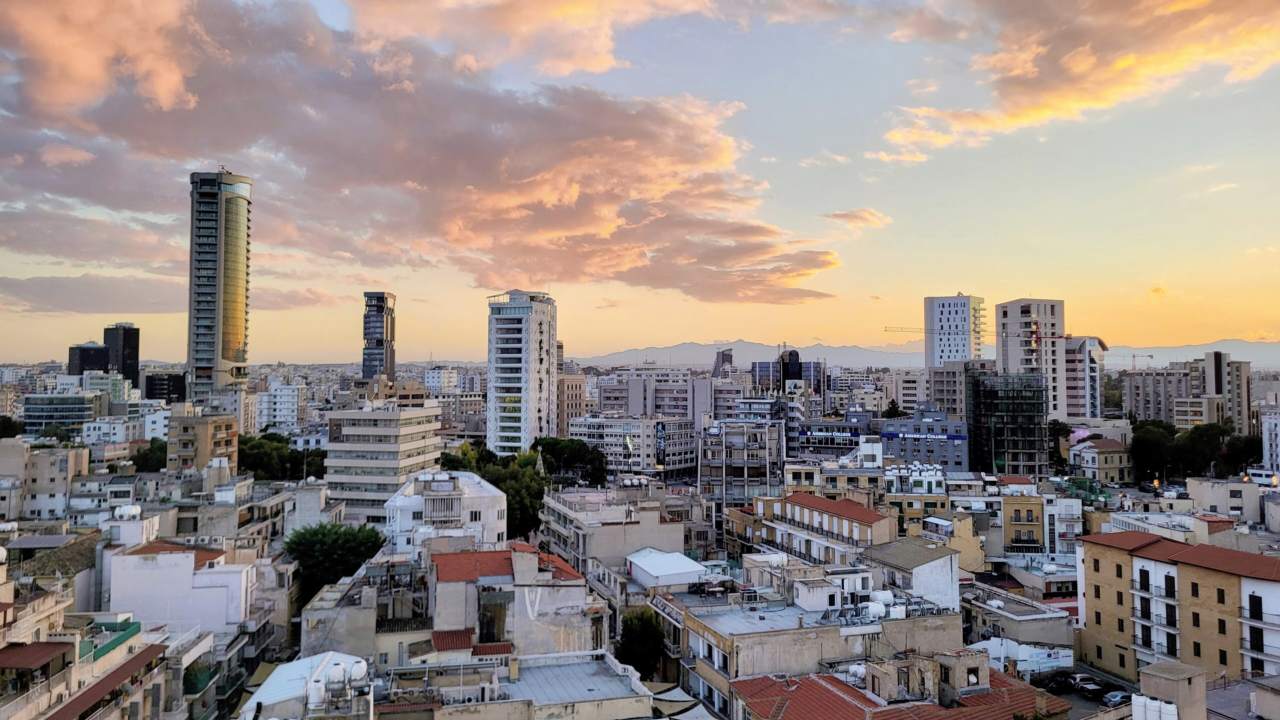
Nicosia, the capital of Cyprus, offers a unique blend of history and modernity. Its divided nature, with the northern part governed by Turkish Cypriots and the southern part by Greek Cypriots, creates a fascinating atmosphere where cultures intersect.

Visitors can wander through charming streets lined with cafes and shops, while the rich history is palpable in its ancient walls and museums. However, the political situation can be complex, and travelers should be mindful of the cultural sensitivities present in this divided city.

In pictures

Nicosia
Nicosia
Nicosia
Nicosia
Nicosia
Nicosia

Sightseeing

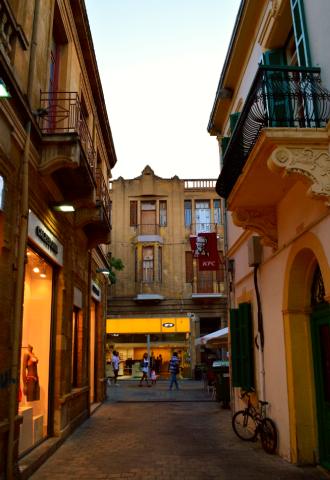
Ledra Street: a bustling pedestrian thoroughfare with shops and cafes
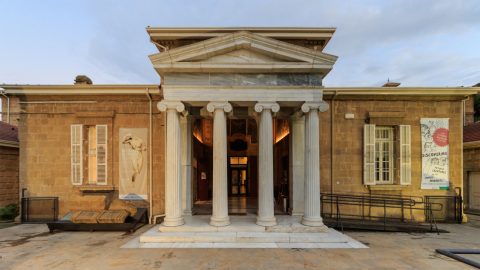
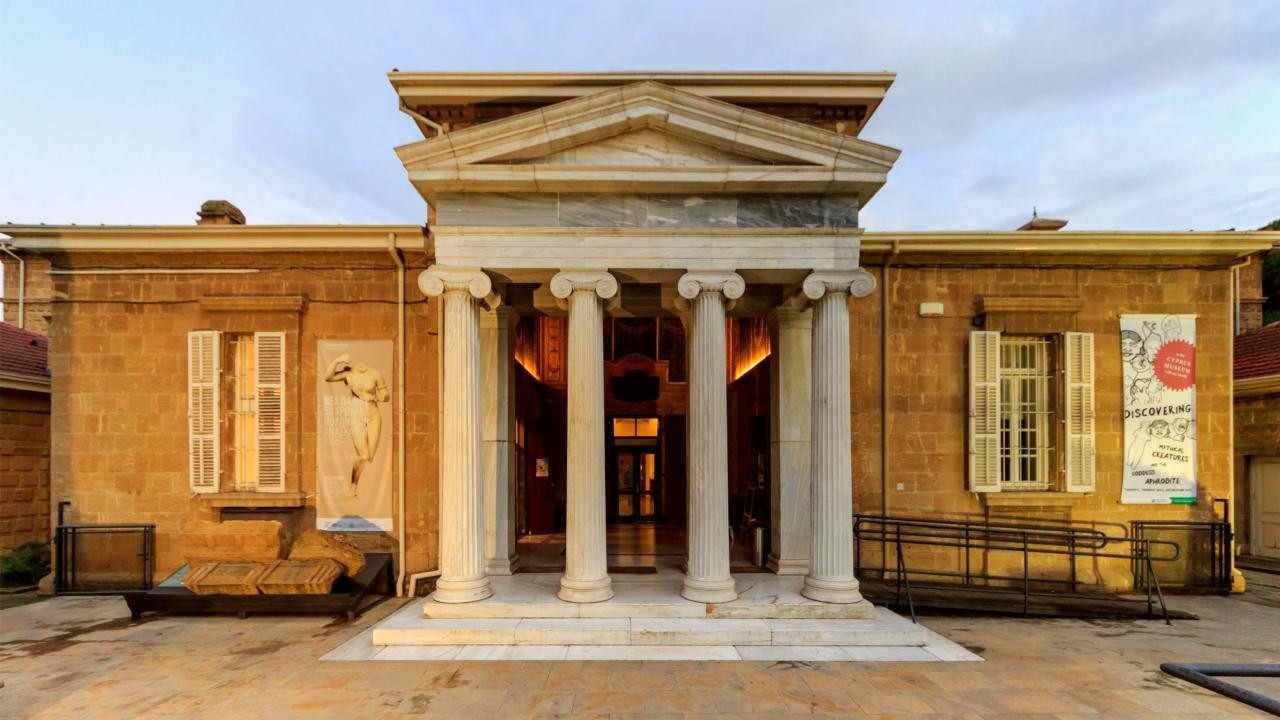
The Cyprus Museum: home to an extensive collection of Cypriot antiquities
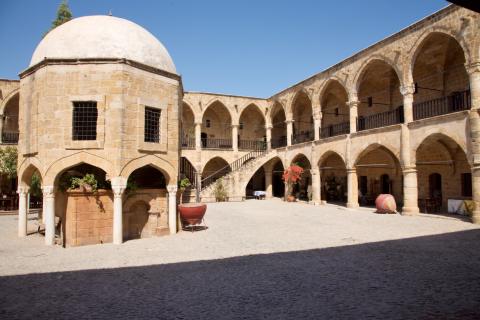
Buyuk Han: a beautifully restored Ottoman inn with a vibrant courtyard
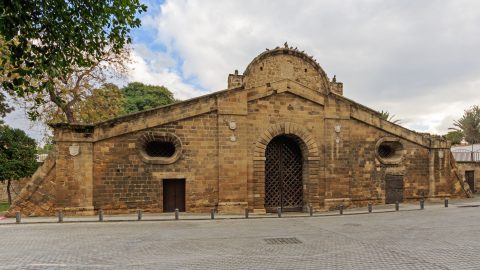
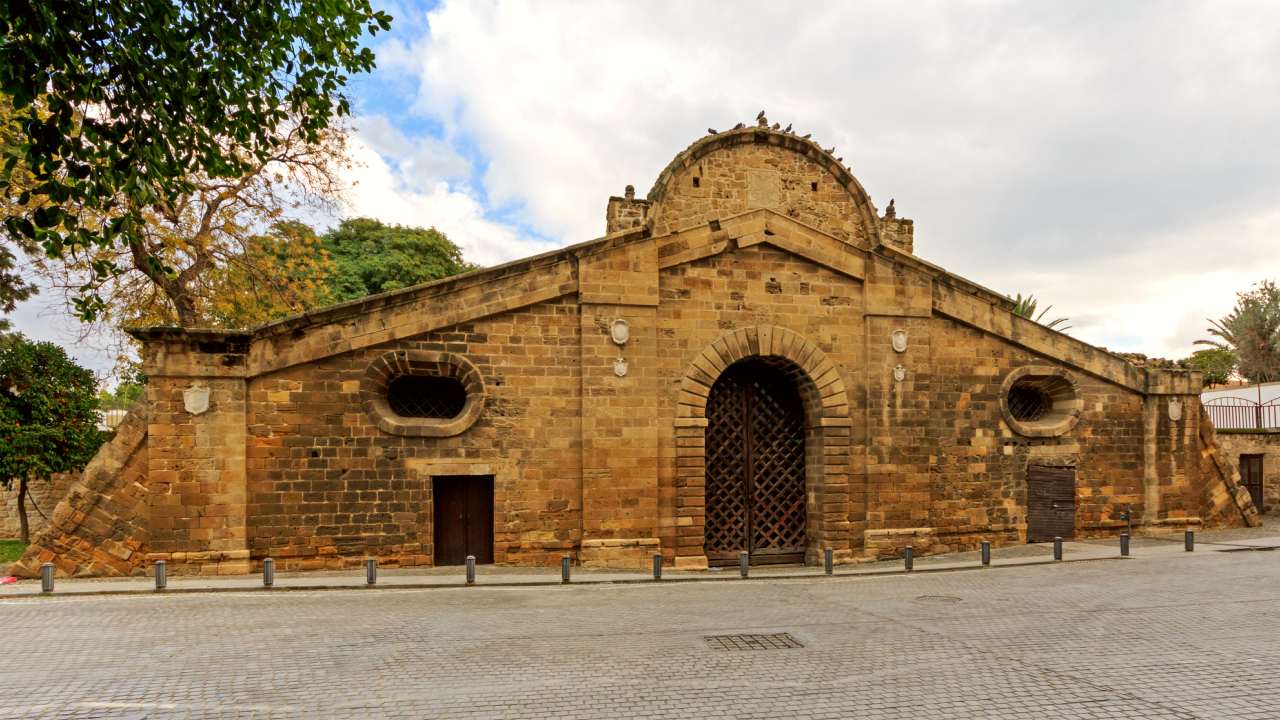
Famagusta Gate: an impressive Venetian fortification and historical landmark
The Selimiye Mosque: a stunning example of Gothic architecture turned mosque
Nicosia City Walls: remnants of the city's fortifications offering panoramic views
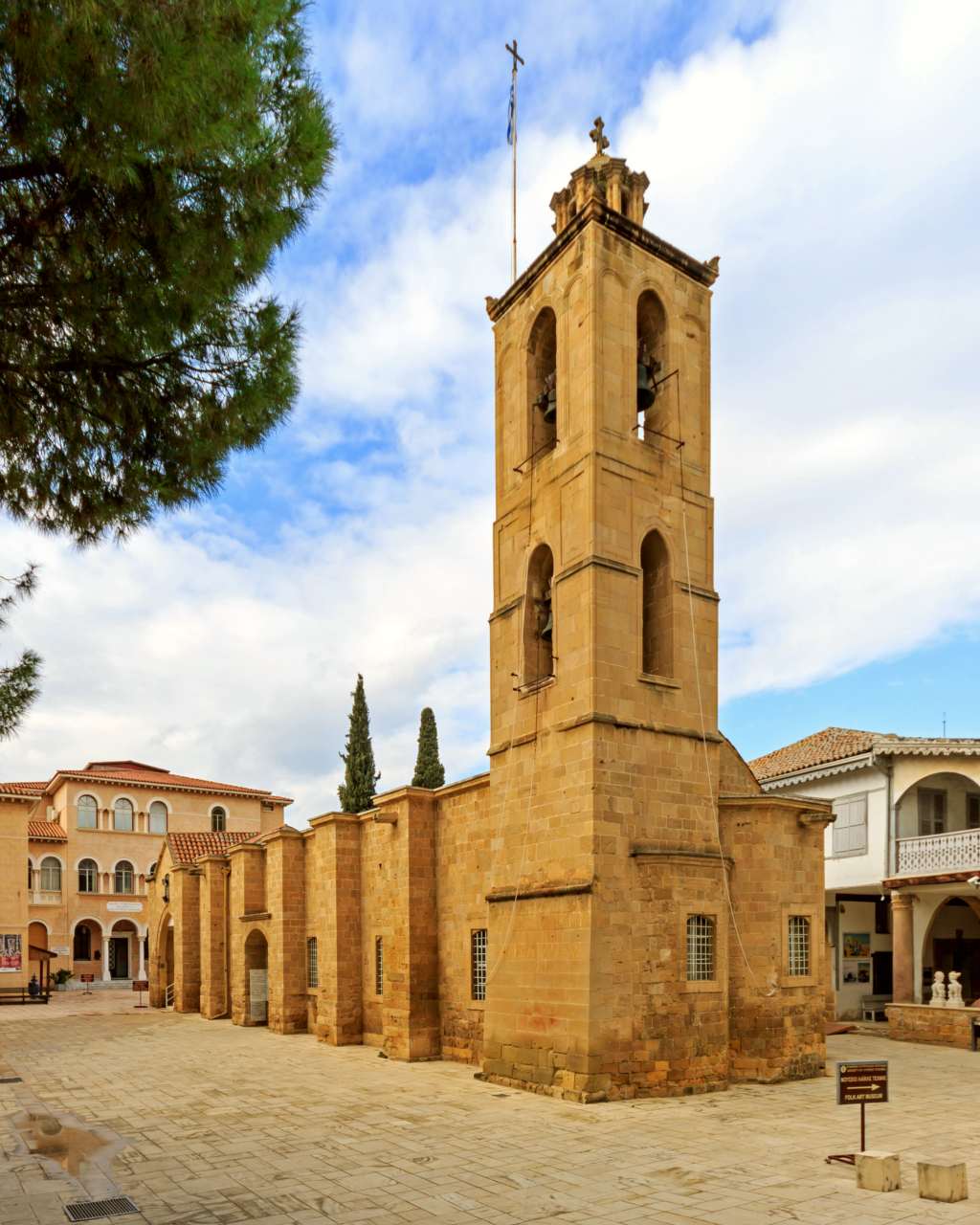
St. John’s Cathedral: a beautiful Orthodox cathedral with stunning frescoes
The Leventis Municipal Museum: showcasing Nicosia's rich history and culture

"A city of history and harmony"Nicosia

Things to do

Explore the Green Line: walk along the buffer zone that divides the city
Visit local markets: experience authentic Cypriot culture and cuisine
Take a guided tour: learn about the city's complex history and culture
Enjoy traditional Cypriot coffee: relax in a local café and soak in the atmosphere

Local food and drinks

Halloumi: a popular local cheese, often grilled or fried
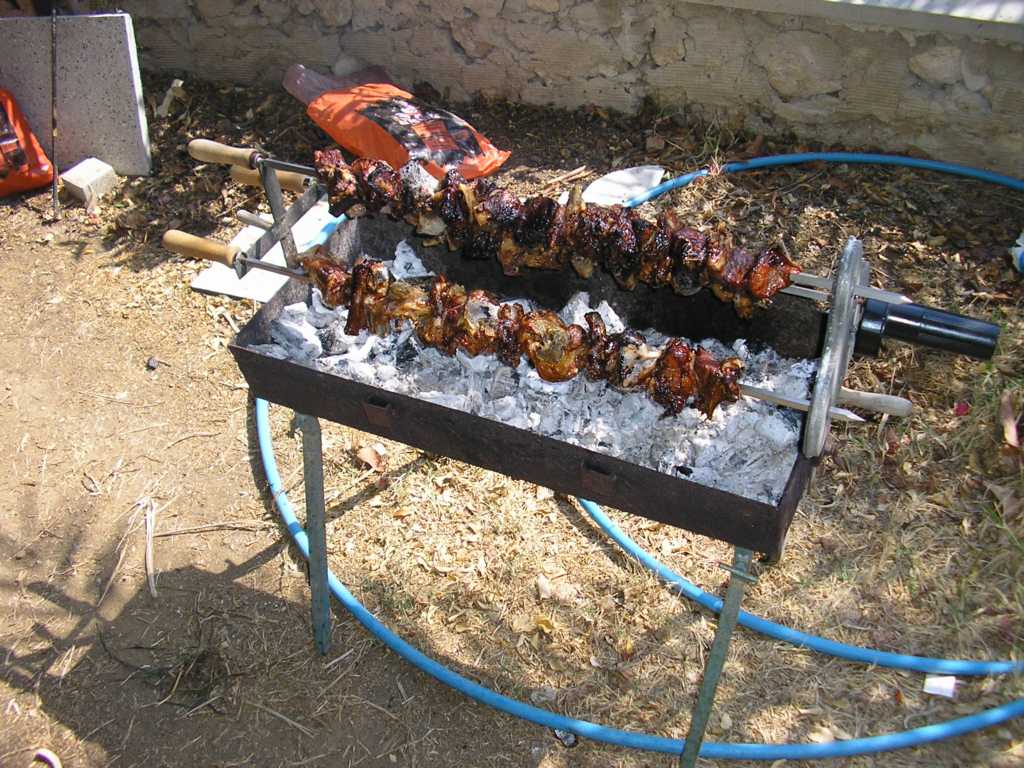
Souvlaki: skewered meat, a must-try street food
Kleftiko: slow-cooked lamb, tender and flavorful
Loukoum: a sweet treat, perfect for dessert
Meze: a variety of small dishes, ideal for sharing

Local traditions

Carnival: a lively celebration with parades and costumes
Cypriot Easter: marked by unique customs and traditional foods
Wine Festival: celebrating local wines with tastings and events
Traditional music: enjoy local folk music at various cultural events
History - Nicosia

History

Nicosia has a rich and tumultuous history, dating back to the Bronze Age. It became the capital of Cyprus in the 10th century and has since been influenced by various civilizations, including the Byzantines, Venetians, and Ottomans.

The city was divided in 1974 following a Turkish invasion, leading to the establishment of the Green Line, which still separates the two communities. This division has shaped the city's identity and continues to influence its cultural landscape.

Things to know

Be cautious near the border: respect local customs and regulations
Public transport is limited: consider walking or using taxis
Safety is generally good: but stay aware of your surroundings
Timing is key: some attractions may close early or have limited hours

Do's and don'ts

Visit both sides of the city: experience the diverse cultures
Try local delicacies: indulge in Cypriot cuisine at local taverns
Engage with locals: they are often friendly and willing to share stories
Respect cultural sites: maintain decorum in religious and historical areas
Don't take photos near military zones: it's prohibited and could lead to issues
Don't assume all areas are the same: each side has its own unique character
Don't rush your visit: take time to explore and absorb the atmosphere
Don't ignore local customs: be mindful of traditions and etiquette

Good to know

Accessibility: The city has some accessible areas but uneven pavements.
Price level: mid-range

Photo: Wikipedia / Wikimedia Commons