
Grenoble
Grenoble is surrounded by mountains, offering a mix of urban life and outdoor adventure. The city center has a blend of historical architecture and modern amenities, making it a pleasant place to explore on foot.
Read more
While some suburbs have a less appealing reputation, the heart of Grenoble retains its charm. You can find lively squares, local shops, and a variety of restaurants that reflect the city's diverse culture.
Highlights

Bastille
Offers panoramic views of the city
Jardin de Ville
A lovely garden in the city center

Musée de Grenoble
Features art from ancient to modern times

Parc Paul Mistral
Great for outdoor activities and picnics
Sightseeing
Things to do

Local food and drinks
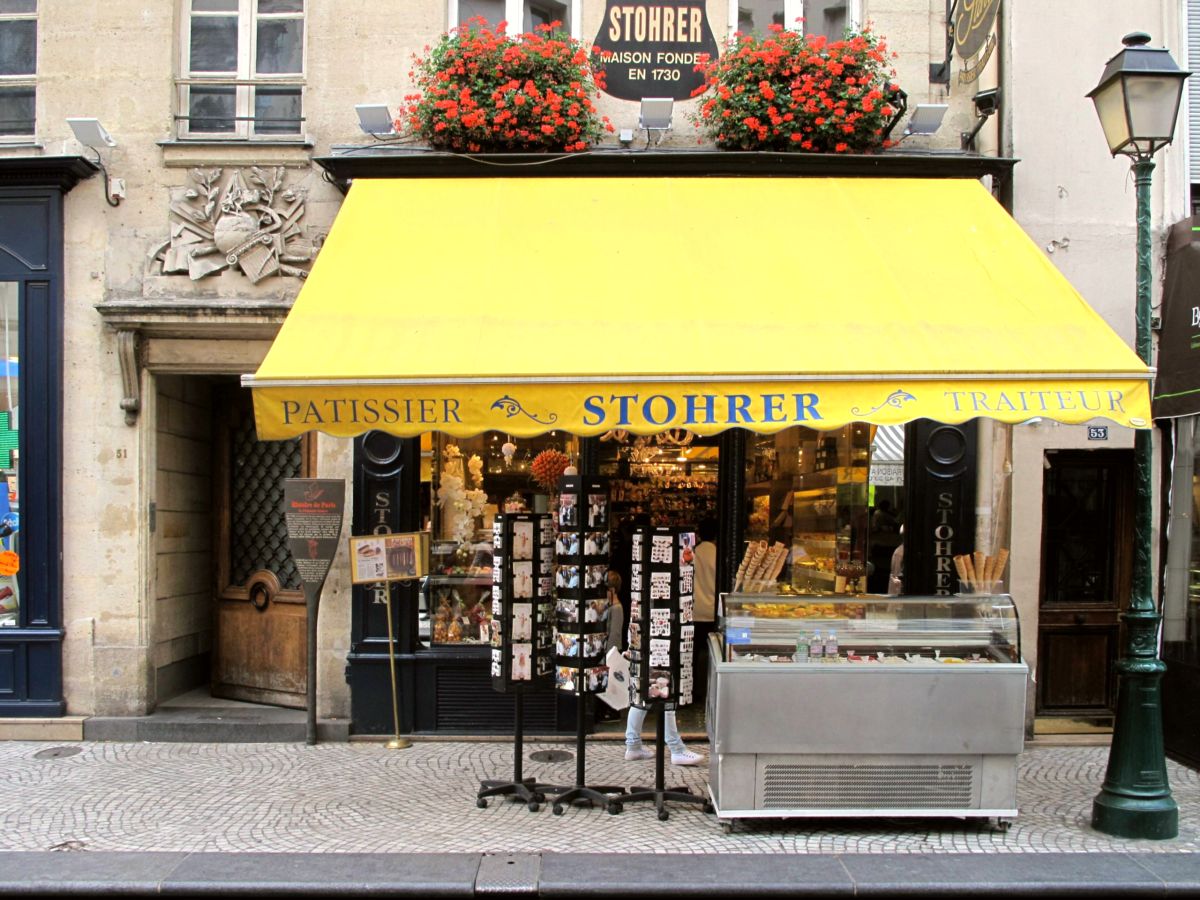
Local traditions
Do's and don'ts
Practical
At a glance
- Founded
- 43 BC
- Population
- 160.000
- Accessibility
- City center is mostly pedestrian-friendly
- Price level
- Mid-range
Things to know
History
Grenoble has roots dating back to Roman times, originally known as Cularo. The city developed significantly during the Middle Ages, becoming an important trade and cultural center in the region.
In the 20th century, Grenoble gained international attention as the host of the 1968 Winter Olympics. This event spurred rapid urban development, shaping the city's modern landscape, though some areas reflect less favorable architectural choices.
Photo: Wikipedia / Wikimedia Commons